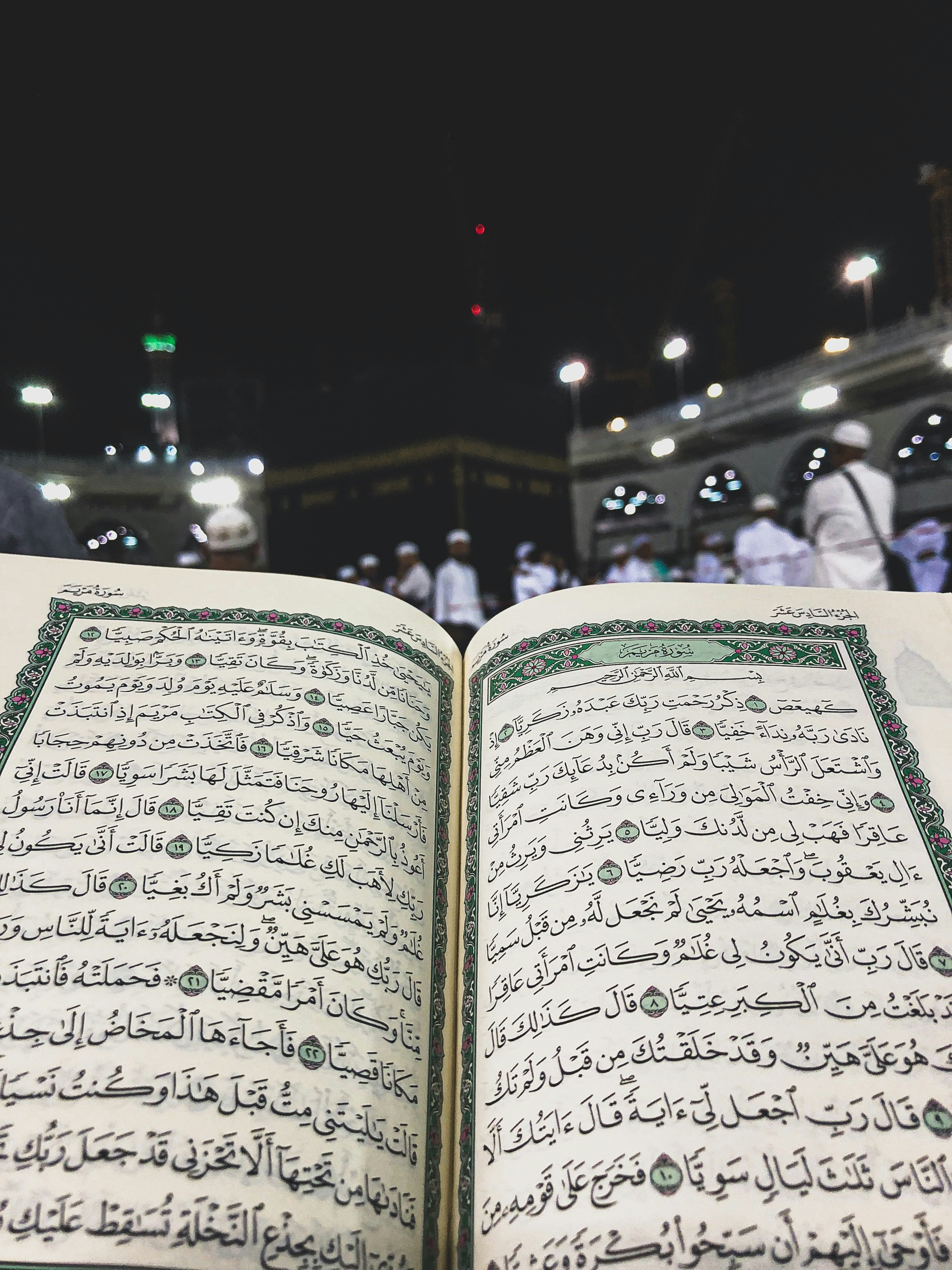
Introduction to Ruqyah: The Essence of Healing Duas
Ruqyah is a term that refers to a form of spiritual healing in Islam, encompassing the recitation of Quranic verses, prophetic traditions, and specific supplications known as duas. This practice aims to alleviate physical and spiritual ailments through a profound connection with the divine. In essence, Ruqyah embodies the belief that the spoken word, particularly the sacred verses of the Quran, holds immense power for healing and protection against various afflictions.
The significance of Ruqyah extends far beyond mere recitation; it is deeply rooted in Islamic teachings and is regarded as an essential means of seeking assistance from Allah (SWT). The practice of Ruqyah is supported by numerous Quranic verses and Hadiths, which highlight its effectiveness in healing ailments, both seen and unseen. For instance, surahs such as Al-Fatiha, Al-Baqarah, and Al-Ikhlas are frequently invoked within the context of Ruqyah as they reinforce the spiritual foundation of the practice.
Moreover, Ruqyah serves as a reminder of the power of faith and trust in Allah. It is often performed in various scenarios, including during sickness, distress, or when facing challenges in life. By utilizing Ruqyah, individuals seek not only physical healing but also spiritual solace and mental clarity. The act of reciting these healing duas is an expression of reliance on divine intervention and an affirmation of one’s faith. Thus, understanding the essence of Ruqyah is crucial, as it lays the groundwork for discovering its broader applications in everyday life.
In summary, Ruqyah is a vital element of Islamic healing practices, encompassing powerful duas and Quranic exegesis that promote recovery and well-being. Grasping its importance is essential for anyone seeking to harness its benefits effectively.
The Origins and Historical Context of Ruqyah
Ruqyah, which refers to the recitation of specific verses from the Quran and supplications (dua) for seeking healing and protection, has profound historical roots within Islamic tradition. It is derived from the Arabic word “raqa”, which means to read, recite, or spell. The significance of Ruqyah is articulated in the Quran, where numerous verses emphasize the importance of divine healing and protection through God’s words. Quranic verses such as Surah Al-Fatihah and Surah Al-Ikhlas, alongside authentic Hadiths, illustrate its effectiveness in alleviating suffering caused by physical ailments and spiritual afflictions.
Historically, the practice of Ruqyah can be traced back to the prophetic era, where Prophet Muhammad (PBUH) utilized it to heal individuals afflicted by various harms. One notable instance is documented in the Hadith, where the Prophet recited verses to heal those bewitched or possessed. This enduring practice reflects the belief in the spiritual connection between physical and metaphysical realms, underscoring that ailments can have both corporeal and spiritual origins.
The evolution of Ruqyah throughout Islamic history has also seen it integrated into cultural traditions among different Muslim communities. While the fundamental principles remain the same, various interpretations and practices may arise based on local customs and cultural contexts. In many cultures, Ruqyah is commonly practiced during significant community events or personal afflictions, often incorporating additional elements such as aromatic herbs or water. These cultural dimensions highlight the adaptability of Ruqyah, making it not only a spiritual tool but also a ritualistic practice associated with community welfare and support.
Ultimately, understanding the origins and historical context of Ruqyah allows practitioners to appreciate its significance within Islamic belief systems. It encapsulates a holistic approach to healing, intertwining the physical, spiritual, and communal aspects of health and well-being.
The Power of Dua: Understanding its Impact
Dua, or supplication, holds a profound significance in the lives of Muslims, serving as a powerful means of communication between the believer and Allah (SWT). This act of calling upon God is not merely a ritual; it represents a deep-seated relationship built on trust, hope, and faith. Through Dua, individuals acknowledge their dependence on Allah, recognizing that He is the ultimate source of help and guidance in times of need.
The transformative power of sincere supplication is illustrated in various Islamic texts. For instance, in the Holy Quran, Allah invites believers to call upon Him, promising that He will respond (Quran 40:60). This verse demonstrates the accessibility of Allah’s grace and the importance of turning to Him in heartfelt prayers. Furthermore, the teachings of the Prophet Muhammad (peace be upon him) emphasize that Dua can change destiny, as he stated that nothing can alter divine decree except for Dua.
The impact of Dua extends beyond individual requests; it can ignite significant changes in both personal circumstances and the broader community. Sincere supplications have the potential to foster inner peace, alleviate distress, and generate hope. The act of making Dua helps individuals focus their thoughts and intentions, allowing them to seek solace and strength during challenging times. This introspective process not only enhances the spiritual connection to Allah but may also bring about tangible results in one’s life.
Moreover, numerous stories from Islamic history exemplify the fruitfulness of sincere Dua. For example, the prayers of Prophet Yunus (Jonah) while in the belly of the whale are a testament to the power of turning to Allah in desperation, leading ultimately to his deliverance. Such narratives encourage believers to maintain an attitude of humility and perseverance when making Dua, highlighting that genuine intention is key to experiencing its profound effects.
Types of Ruqyah and Common Healing Duas
Ruqyah is a practice rooted in Islamic tradition, involving the recitation of specific Qur’anic verses and supplications (duas) for healing and protection. There exist various types of Ruqyah, each tailored to address particular ailments or issues. Understanding these different forms is essential for effectively employing them in one’s daily life.
One of the primary categories of Ruqyah focuses on physical ailments. This type often involves the recitation of Surah Al-Fatiha (the Opening) and Surah Al-Ikhlas (the Sincerity) as they are believed to provide healing and relief from various physical discomforts. The Prophet Muhammad (peace be upon him) encouraged the use of these Surahs for ailments, promoting their efficacy in invoking divine healing.
Furthermore, another significant area of Ruqyah addresses psychological afflictions. Conditions such as anxiety, depression, and stress can be alleviated through recitations of Surah Al-Baqarah and the duas for mental wellness. Notably, verses that speak to comfort and reassurance, such as Ayat Al-Kursi, are recommended for enhancing mental stability and emotional resilience.
Moreover, Ruqyah plays a crucial role in providing protection from evil influences and negative energies. Specific duas, including the recitation of the last two verses of Surah Al-Baqarah, are known to shield individuals from harm and the malevolence of others. These protective prayers serve to create a barrier against envy, hatred, and other forms of spiritual adversity.
Each type of Ruqyah holds profound significance in the life of a believer. By incorporating these healing duas and Quranic verses into their routines, individuals can seek both physical restoration and spiritual reinforcement, demonstrating the holistic benefits of Ruqyah in everyday existence.
The Role of Intent and Sincerity in Ruqyah
In the practice of Ruqyah, the concepts of intent (niyyah) and sincerity (ikhlas) hold profound significance. These two elements serve as the bedrock of any spiritual endeavor, particularly when invoking the words of Allah for healing and protection. The efficacy of a Dua does not solely hinge on the recitation of specific verses or supplications; rather, it is heavily influenced by the practitioner’s mental and emotional state during the process.
Intent refers to the underlying motivation behind the act of performing Ruqyah. A pure and focused intent is essential for channeling one’s energy towards seeking divine assistance. When one approaches Ruqyah with the sincere intention of healing or seeking protection, it fosters a deeper connection with Allah, resulting in a more impactful experience. Scholars emphasize that a lack of concentrated intent may hinder the potential benefits that could be derived from the prayers. For example, a narration from a distinguished scholar states, “The heart must be present when uttering the words of Ruqyah; if the heart is not engaged, the effect might be diminished.” Such insights highlight the critical role of intent in ensuring that the Dua aligns with one’s spiritual and emotional disposition.
Sincerity, on the other hand, underscores the importance of engaging in Ruqyah free from ulterior motives or desires for worldly gains. It involves truly believing in Allah’s supreme power to cure and alleviate afflictions. When sincerity permeates the act of recitation, it demonstrates a firm reliance on Allah rather than on other means of healing. Additionally, anecdotal evidence suggests that individuals who approach Ruqyah with a heartfelt commitment to seeking Allah’s help often report more profound calmness and efficacy in their experiences. Ultimately, both intent and sincerity are essential in harnessing the full power of Ruqyah, ensuring that the Dua is both meaningful and spiritually uplifting.
How to Perform Ruqyah: Step-by-Step Guide
Performing Ruqyah involves a systematic approach that aims to harness spiritual healing through specific invocations. To begin, it is essential to prepare both physically and mentally. Find a quiet and peaceful location free from distractions, as this environment will aid concentration. Ensure that you are in a state of cleanliness, which is fundamental in Islamic practices. Performing ablution (wudu) prior to engaging in Ruqyah can enhance spiritual readiness.
The next step involves invoking the appropriate Duas and verses from the Quran. Commonly recited surahs include Al-Fatiha, Al-Baqarah (especially Ayat al-Kursi – 2:255), Al-Ikhlas, Al-Falaq, and An-Nas. These passages are renowned for their protective and healing properties. Recite these verses with sincerity, devotion, and understanding, as the strength of intention can significantly influence the effectiveness of Ruqyah.
Focus on the individual or situation being addressed during the recitation. Concentrate on the healing aspects of Ruqyah, and if you are performing it for another person, maintaining a supportive and positive mindset is vital. You may gently blow or lightly touch the person, depending on comfort levels and cultural practices. Ensure that you remain calm, composed, and firmly believe in the power of the words being recited.
Additionally, incorporating specific Duas that appeal for health and protection can further enhance the Ruqyah process. It is essential to express unwavering faith that the recitation can bring about healing. Practicing patience during this process is important, as spiritual healing may manifest gradually.
In conclusion, adhering to this structured approach when performing Ruqyah will optimize its effectiveness. The combination of a focused mindset, the recitation of Quranic verses, and sincere intentions constitutes the essence of this spiritual practice.
Common Mistakes to Avoid When Performing Ruqyah
Ruqyah, a spiritual healing practice rooted in Islamic tradition, holds significant power for those seeking relief from various ailments, whether physical, emotional, or spiritual. However, as with any practice, there are common mistakes that individuals may encounter when performing Ruqyah that can hinder its effectiveness. Awareness of these pitfalls is essential for maximizing its benefits.
One prevalent misconception is the belief that Ruqyah alone is a cure-all solution. While it can be potent, relying solely on Ruqyah without seeking conventional medical assistance when needed can lead to serious consequences. It is critical to recognize that Ruqyah should complement, not replace, medical treatment. The integration of both spiritual and medical approaches often results in more comprehensive care.
Another common mistake is improper knowledge or misunderstanding of the verses and supplications used in Ruqyah. Not all recitations may be suitable for every individual or situation. As such, being well-informed about the specific verses is vital to ensure that they are utilized effectively. Additionally, mispronouncing or misunderstanding the meaning of these verses can potentially lead to ineffective practices.
Moreover, over-reliance on Ruqyah to address severe issues can detract from taking appropriate actions toward healing. Individuals must engage actively in their healing process by maintaining a healthy lifestyle, seeking professional help, and employing additional methods of support such as therapy or counseling when necessary.
Lastly, the importance of intention cannot be overstated. Performing Ruqyah without sincere intention can diminish its effectiveness. A thorough understanding of both the practice and one’s personal motivation profoundly influences the outcome. By avoiding these common mistakes, individuals can enhance the power of Ruqyah and foster a more meaningful and effective spiritual healing journey.
The Importance of Seeking Knowledge About Ruqyah
In the practice of Ruqyah, acquiring knowledge plays a pivotal role in ensuring its effectiveness. Understanding the principles, techniques, and appropriate application of this spiritual healing method can significantly enhance its outcomes. Knowledge empowers individuals to distinguish between authentic practices and potentially misleading interpretations, which is crucial in navigating through various resources. It is essential to seek guidance from knowledgeable scholars who possess a profound understanding of Ruqyah, as they can provide clarifications and insights that are rooted in authenticity.
Engaging with authentic texts, whether through books or reputable online resources, allows for a deeper comprehension of Ruqyah. By focusing on trustworthy sources, one can explore the history, foundational teachings, and ethical considerations surrounding this practice. Furthermore, attending seminars or workshops led by experts can lead to practical experiences and foster a community of like-minded individuals interested in Ruqyah. These interactions may also shed light on diverse interpretations while reinforcing a unified approach based on Islamic principles.
Moreover, continuous learning about Ruqyah builds a firm foundation that can help individuals avoid common misconceptions associated with spiritual healing. This understanding enables one to approach Ruqyah with the correct intentions, fostering a sense of spiritual awareness and mindfulness. The growth of personal knowledge not only enhances confidence in performing Ruqyah but also helps convey accurate information to others who might seek guidance.
Ultimately, seeking knowledge about Ruqyah reflects a commitment to both faith and practice, leading to enriched spiritual experiences. By prioritizing education in this area, individuals can effectively tap into the transformative power of Ruqyah, creating a more profound connection with their spiritual life. Knowledge, therefore, becomes a key element in maximizing the benefits of Ruqyah, ensuring that practitioners are well-equipped to navigate the journey of spiritual healing.
Conclusion: Embracing Ruqyah in Everyday Life
Throughout this blog post, we have explored the multifaceted dimensions of Ruqyah, highlighting its significance as a spiritual tool rooted in Islamic tradition. The practice of Ruqyah encompasses not only the recitation of specific verses from the Quran and authentic duas but also extends to the intentions and faith behind those recitations. It serves as both a means of protection against negative influences and a source of healing for various ailments, be they physical, spiritual, or emotional.
Incorporating Ruqyah into our daily spiritual practices can profoundly impact our lives. By establishing a routine that includes the recitation of Ruqyah, we empower ourselves to navigate life’s challenges with resiliency and hope. This is where the transformative power of Dua comes into play; a heartfelt supplication can facilitate healing and invoke divine assistance, reminding us that we are never alone in our struggles.
Furthermore, it is essential to approach the process with faith, patience, and unwavering trust in Allah’s plan. The journey towards healing and peace may not always align with our expectations or timelines, but steadfastness in the practice of Ruqyah can yield remarkable results over time. Understanding that trials serve a higher purpose in our spiritual growth fosters resilience and enhances our connection with the divine.
In essence, the embrace of Ruqyah not only uplifts the spirit but also equips us with the tools needed to confront life’s adversities. By fostering a robust relationship with Allah through the power of Dua and consistent practice of Ruqyah, we can find solace amidst chaos and nurture our well-being, body and soul.