Understanding Witchcraft
Witchcraft, often perceived through a prism of fear and misunderstanding, encompasses a range of practices and beliefs associated with the invocation of supernatural forces. Historically, witchcraft has been defined variably, with roots traceable to ancient animistic traditions and polytheistic religions. Its evolution has spanned centuries, influenced by cultural, societal, and religious dynamics that shaped public perception.
In modern contexts, witchcraft appears in various forms, from benign practices rooted in herbal medicine and nature-centered spirituality to more controversial and darker applications that invoke harmful intent. The symbolism attached to witchcraft is complex, often representing both empowerment and oppression. For many, it acts as a form of resistance against dominant paradigms, while for others, it instills dread due to its association with malevolent practices.
The manifestations of witchcraft can range from folk remedies and rituals to organized practices identified as neo-paganism or Wicca. These practices vary significantly in intention and execution; whereas some practitioners focus on healing and positive energy, others may engage in acts perceived as harmful or manipulative. The distinction between benign witchcraft, aimed at personal empowerment and community support, and malicious witchcraft, designed to harm or control others, is crucial for a comprehensive understanding of the subject. This dichotomy is often the basis for societal judgments and legal repercussions associated with witchcraft throughout history.
The impact of witchcraft practices on individuals and communities can be profound. Beliefs surrounding witchcraft can lead to social stigmatization, paranoia, and, in extreme cases, violence against those labeled as practitioners. Understanding the multifaceted nature of witchcraft enables a more informed perspective, allowing individuals and communities to navigate these complex beliefs and their consequences effectively.
The Power of Prayer
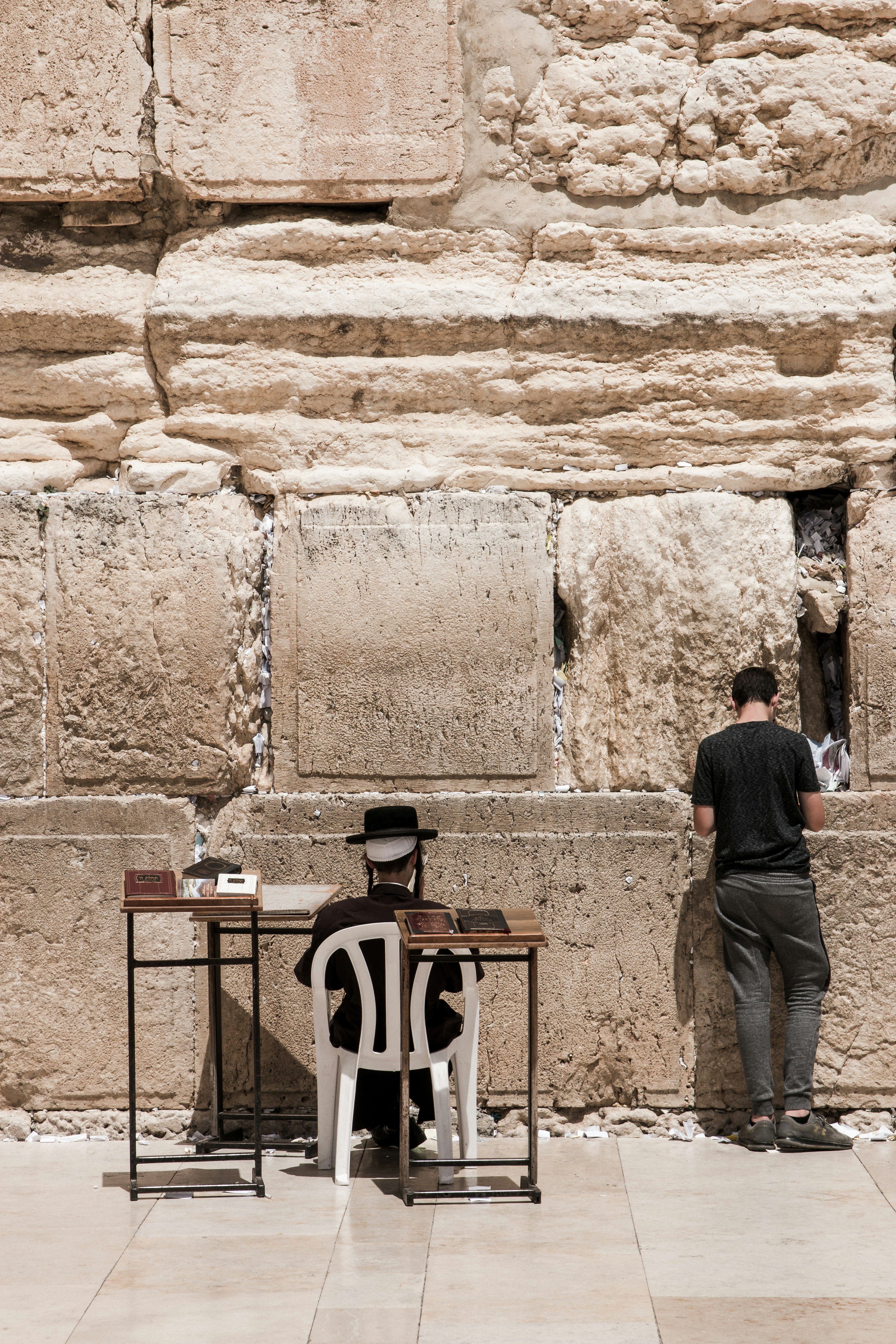
Prayer holds a profound significance in various spiritual practices across cultures and religions. It serves as a direct line of communication between the individual and a higher power, offering believers a means to express their intentions, seek guidance, and find solace. Throughout history, prayer has been utilized not only for personal reflection but also as a tool for protection, healing, and spiritual warfare. The deeply ingrained belief in the power of prayer is evident in many cultural traditions, showcasing its universal importance.
In numerous religions, prayer is viewed as a sacred act that can invoke divine favor and influence outcomes in life. For instance, in Christianity, prayer is seen as an intimate conversation with God, providing believers a platform to voice their concerns and requests. Similarly, in Islam, the practice of Salah represents not only obedience to God’s commandments but also an opportunity for spiritual rejuvenation. In Hinduism, prayers and mantras are often recited with specific intentions, including the removal of negative energies. Thus, the act of praying becomes a multifaceted expression of faith, where the ultimate goal encompasses both personal and communal well-being.
The effectiveness of prayer, particularly in the context of combating witchcraft, is rooted in the belief that it can act as a protective shield against malevolent forces. Many cultures emphasize the importance of invoking specific prayers or rituals aimed at disempowering witchcraft and enhancing spiritual resilience. This facet of prayer is essential in understanding its application as a spiritual weapon, where believers engage deeply in their spiritual practice to dismantle any negative influences. By fostering a strong connection with the divine through prayer, individuals equip themselves with spiritual strength, enabling them to navigate challenges imposed by witchcraft and other forms of spiritual oppression.
Identifying Signs of Witchcraft
Recognizing the signs of witchcraft is the first step toward addressing its potential impact on one’s life. Individuals may experience an array of symptoms that could suggest malevolent influences. Common physical signs may include sudden and unexplained illnesses, unusual fatigue, or persistent nightmares. For instance, if you begin to experience inexplicable ailments that resist medical treatment, it might warrant further investigation into whether witchcraft is at play.
Emotional distress is another significant indicator. If someone finds themselves feeling uncharacteristically anxious, depressed, or fearful, particularly without a clear cause, it can signal an external influence. Unusual disturbances in mood, such as overwhelming feelings of dread or negative energy surrounding oneself, may also suggest the presence of witchcraft. Keeping a journal can help track these emotional changes and identify patterns that correlate with specific occurrences in one’s environment.
Furthermore, many people report unusual occurrences around them, such as inexplicable losses, frequent accidents, or strange coincidences. If you notice a series of unfortunate events occurring after specific interactions or rituals, it may be time to consider whether these incidents are coincidental or if they highlight the influence of witchcraft. Pay attention to your personal environment; if you observe sudden changes in your home or workplace, such as broken items or altered atmospheres, these could also point toward negative energies.
In assessing your situation, it is vital to remain grounded and cautious, as misinterpretations can lead to unnecessary distress. Seek clarity through meditation or prayer, allowing for introspection. By identifying these signs, you can gain better insight into your circumstances before resorting to prayer as a means of protection or healing from potential witchcraft influences.
Setting the Intention of Your Prayer
Setting a clear intention is crucial when engaging in prayer to remove witchcraft. An intention serves as a guiding beacon, allowing individuals to focus their energies effectively. To initiate this process, begin by finding a quiet space where distractions are minimal. Take a few moments to center yourself, ensuring that your mind is calm and receptive.
When formulating specific prayers, it is beneficial to articulate your desire for protection and liberation. For instance, expressing a commitment to personal safety and well-being can direct your spiritual energy positively. Be specific about what you wish to remove; vague intentions may lead to ambiguous results. Additionally, invoking protective energies, such as calling upon spiritual guides, angels, or deities that resonate with your beliefs, can amplify the protective shield surrounding you during the prayer process.
Reaffirming your faith is equally essential. As you pray, delve deep into your beliefs, reminding yourself of the strength that lies within. Consider including affirmations in your prayers, such as declarations of empowerment and resilience. These affirmations fortify your spiritual stance and reinforce your determination to overcome witchcraft.
Throughout your prayer, visualize the release of any negative energies and the infusion of positive, protective barriers around you. Imagining a bright light or a shield enveloping you can enhance the effectiveness of your intention. In essence, each word spoken and every thought directed should align with your ultimate goal: to reclaim your space from any harmful influences.
Crafting Effective Prayers Against Witchcraft
Praying effectively against witchcraft involves not only the words you choose but also the heartfelt intention behind them. Strong prayers aimed at counteracting witchcraft should invoke divine protection, clarity, and strength. Below are examples of powerful prayers, including key phrases and the emotional intention that will enhance their efficacy.
One powerful prayer for protection against witchcraft is as follows:
“I call upon divine light to envelop me, shielding me from all forms of negativity. I ask for the strength to break any curses or spells that have been cast upon me. By faith, I proclaim that no weapon formed against me shall prosper.”The intention here is to seek spiritual armor and to express a deep belief in divine protection. Feelings of urgency and hope amplify this plea.
Another impactful prayer can be:
“In the name of [Your Spiritual Power], I release myself from any binds of witchcraft. I declare that I am free from harm, surrounded by love, and filled with light. I cleanse my spirit of all malevolent energies and embrace my true path with joy and harmony.”This prayer focuses on liberation from evil influences and emphasizes the positivity and love that surrounds you, fostering resilience in countering witchcraft.
Including keywords such as “strength,” “protection,” and “freedom” in your prayers can enhance their effectiveness. Each prayer should be accompanied by a strong emotional intention; this can include feelings of love, hope, and peace. By combining resonant phrases and sincere feelings, your prayers not only become more powerful but also align your spirit with the universal energies that combat negativity.
The Role of Rituals and Symbols in Prayer
In the practice of prayer aimed at removing witchcraft, the incorporation of rituals and symbols can significantly enhance the effectiveness of one’s intentions. Rituals serve as structured forms of expression that facilitate a deeper connection to the spiritual realm, making it easier for practitioners to channel their desires for protection and healing. Engaging in ritualistic actions while praying can help to focus the mind and spirit, creating a powerful atmosphere of faith and resolve.
Protective symbols play a crucial role in this context. Many cultures and traditions have specific symbols believed to ward off negative energies, including those associated with witchcraft. For instance, the pentacle, an ancient symbol of protection, can create a barrier against harmful forces when included in the space where one prays. Similarly, the use of the cross or other relevant symbols tailored to one’s belief system can fortify the prayer experience. The mere visualization of these symbols during prayer can strengthen the practitioner’s intent and belief in the prayer’s power.
The physical elements used in prayer rituals also contribute to their effectiveness. Common items such as salt, candles, and herbs are often utilized for their spiritual significance. Salt, revered for its purifying properties, is frequently sprinkled around the prayer area to create a protective circle. Candles, lit during prayer, symbolize illumination and hope, serving as a conduit through which individuals may direct their intentions. Incorporating these elements into one’s prayer routine not only enhances the ritual but also brings a sense of reverence and seriousness to the practitioner’s commitment to banishing witchcraft.
Community and Collective Prayer
Prayer serves as a profound tool for individuals seeking solace and strength when combating negative influences such as witchcraft. The communal aspect of prayer amplifies its effects, as it brings together individuals who share a common intention and purpose. In challenging times where witchcraft may be perceived as a threat, coming together to pray can foster a sense of unity and mutual support. This solidarity not only strengthens individual resolve but also creates a powerful wave of positive energy that can help to dispel negativity.
Gathering for collective prayer allows participants to share their experiences and wisdom, offering diverse perspectives on how to navigate these challenges. Whether through organized community prayer meetings or informal group gatherings, the shared intent to combat witchcraft cultivates a supportive atmosphere. Each participant contributes their unique energy and belief, reinforcing the idea that together, they can achieve far more than individually. It is within this collective belief that the true power of prayer manifests, enabling participants to confront witchcraft with renewed vigor.
Furthermore, research in the realm of spirituality suggests that collective prayer can enhance psychological well-being, which is crucial when dealing with the emotional burden that witchcraft often brings. The act of praying in a group can lead to a significant reduction in feelings of isolation and helplessness, empowering individuals to face their fears. This shared experience becomes an essential coping mechanism, helping individuals feel connected and grounded even in adversity.
Ultimately, the importance of community and collective prayer transcends mere ritual; it embodies the interconnectedness of individuals in their collective journey against negativity, illustrating the strength found in unity, belief, and shared intentions.
Maintaining Spiritual Protection After Prayer
Once you have engaged in prayer to remove witchcraft and negative energies, it is essential to take proactive steps to maintain your spiritual protection. This commitment ensures that you safeguard yourself against any counteracts that may arise. By integrating intentional practices into your daily life, you can cultivate a powerful buffer against malevolent forces.
One effective method to sustain this spiritual protection is through daily affirmations. These positive statements reaffirm your strength, willpower, and commitment to a life free from witchcraft. Consider incorporating phrases such as “I am surrounded by light and love” or “I am safe and protected from all negative energies” into your morning routine. Repeating affirmations helps shift your mindset, reinforcing the belief in your own protective energies.
Continued prayers are equally crucial for maintaining spiritual safety. Setting aside time each day for prayer allows you to connect with your higher power and ask for ongoing protection. This practice can take many forms, ranging from structured prayers to spontaneous expressions of gratitude and request for shielding. The intent behind these prayers should focus on reinforcing your spiritual defenses and inviting divine guidance into your life.
Additionally, engaging in protective rituals can further solidify your defenses. These rituals may include lighting candles, using protective herbs such as rosemary or sage, or creating sacred space in your home. Such actions not only enhance your spiritual aura but also serve as physical reminders of your commitment to maintaining spiritual sovereignty.
Ultimately, by incorporating affirmations, prayers, and protective rituals into your daily routine, you can create a sustained environment of spiritual protection. This continuous effort not only fortifies your defenses against witchcraft but also deepens your spiritual connection, ensuring a balanced and resilient journey away from negativity.
Seeking Additional Support and Guidance
In the journey of combating witchcraft through prayer, individuals may often encounter challenging emotions and experiences. It is essential to recognize when feelings of being overwhelmed arise and to consider seeking support. Engaging with spiritual leaders can be instrumental in navigating these complex feelings. These practitioners can offer guidance, prayer, and encouragement during times of distress, helping individuals regain a sense of peace and clarity.
In addition to spiritual consultation, joining support groups offers a communal approach to healing. These groups provide safe spaces where individuals can share their experiences, learn from others, and uplift one another through collective prayer and understanding. The shared narratives can foster hope and resilience, empowering members to continue their journey with renewed strength.
Moreover, exploring additional resources such as books, podcasts, or online platforms focused on spiritual growth can enhance one’s abilities to defend against negative energies. Many authors and spiritual guides produce content that addresses witchcraft and spiritual warfare, providing practical tips and strategies that individuals can incorporate into their daily routines. Workshops and seminars on spiritual protection may also be available, offering interactive guidance tailored to specific needs.
Overall, it is vital to remember that seeking support is a sign of strength. By reaching out for assistance, whether through spiritual leaders, support groups, or educational resources, individuals not only find reassurance but also enrich their spiritual practice. This collaborative approach may greatly enhance one’s ability to combat witchcraft, subsequently reinforcing the power of prayer in their lives. Seeking additional support and guidance fosters a holistic perspective towards spiritual health and well-being.
Leave a Reply