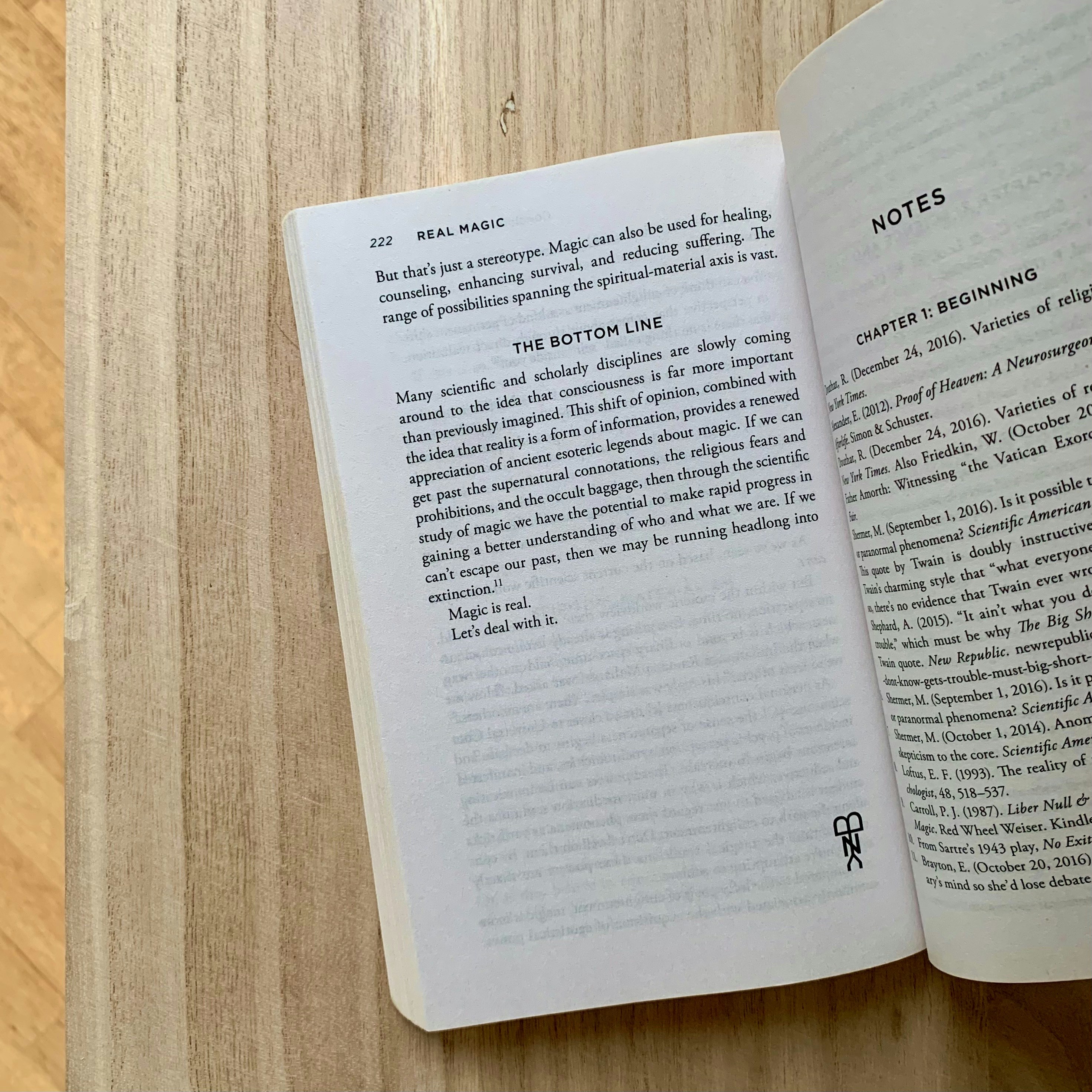
Introduction to Sihr
Sihr, often translated as witchcraft or sorcery, has deep roots in various cultures, particularly within Islamic tradition. The term itself is derived from the Arabic language, where it conveys the notion of supernatural influence or manipulation through the use of magical practices. Sihr encompasses a wide range of activities and beliefs, drawing from ancient traditions and practices that have evolved over centuries. Its significance within Islamic culture is particularly noteworthy, as it is often viewed with suspicion and associated with various religious prohibitions.
In the context of Islamic teachings, sihr is considered a serious offense, often linked to the consultation of jinn (supernatural beings) and other malevolent forces. The Quran explicitly condemns the practice of sihr, presenting it as an act that distances individuals from faith and spirituality. This condemnation has led to a heightened awareness of its risks, with many believing that engaging in sihr invites not only divine disfavor but also personal and societal harm.
The perception of sihr varies significantly across cultures. While Islamic tradition associates it with negative connotations, other cultures may view similar practices as forms of healing or spiritual communication. For instance, some indigenous cultures incorporate elements resembling sihr into their traditional healing rituals, where practices may include invoking spirits for guidance or protection. This divergence in perspectives underscores the complexity of sihr as a concept, illustrating how its understanding can dramatically shift based on cultural and theological context.
Ultimately, to grasp the full significance of sihr, it is essential to explore not only its definitions and classifications but also the historical and cultural frameworks that shape its interpretation. Understanding these nuances allows for a more profound appreciation of sihr in its diverse manifestations and the impact it has had on various communities globally.
Historical Context of Sihr
The concept of sihr, commonly understood as magic or sorcery, is deeply embedded in historical narratives across various cultures. Its origins can be traced back to ancient civilizations such as Mesopotamia, where early texts alluded to magical practices designed to manipulate natural and supernatural forces. In these cultures, magic often served as a bridge between humanity and the divine, providing insights into the mysteries of existence. The Code of Hammurabi even included references to sorcery, illustrating the prevailing belief in its power and influence.
In the ancient Egyptian civilization, sihr took on a more specific form, often associated with the religious practices surrounding the afterlife. The renowned Book of the Dead featured spells and incantations intended to protect the deceased and facilitate their journey through the underworld. Such examples highlight how sihr was intricately connected with spiritual beliefs, influencing societal practices and values significantly.
Furthermore, during the Greco-Roman periods, figures like Hermes Trismegistus were pivotal in shaping the understanding of magic as a blend of science and religion. This era witnessed the emergence of various texts that defined magic, including the Hermetic Corpus, which discussed the principles of magic and its ethical implications. The philosophical approach towards sihr at that time laid the groundwork for later interpretations in both Islamic and Christian contexts.
With the rise of Islamic scholarship in the medieval period, sihr acquired a renewed interest, becoming a subject of both curiosity and disdain. Prominent scholars like Al-Ghazali addressed the legitimacy and moral implications of sihr, directly influencing societal attitudes toward magical practices. Their writings highlighted the potential dangers of sihr, even as they acknowledged its fascinating aspects.
Through centuries, the perceptions of sihr have continuously evolved, reflecting cultural, religious, and social changes. The interplay of fear and fascination has marked the historical trajectory of sihr, shaping its profound impact on society’s view of sorcery and magic.
Categories of Sihr
Sihr, often translated as sorcery or magic, possesses a complex structure that can be classified into various categories. While the understanding of sihr may vary across cultures, it can generally be sorted based on specific criteria, including intention, methods employed, and the effects observed on individuals. This classification helps to elucidate the multifaceted nature of sihr and its implications on those it affects.
One of the primary criteria for categorizing sihr is the intention behind its practice. Different types of sihr are performed with varying goals, which can be broadly divided into two categories: benevolent and malevolent. Benevolent sihr aims to assist individuals or promote positive outcomes, such as healing ailments or attracting love. In contrast, malevolent sihr is intended to harm, manipulate, or control others, often debilitating the target both physically and emotionally.
Another significant factor in the categorization of sihr involves the methods utilized by practitioners. Techniques may vary from verbal incantations, the use of talismans, to herbal concoctions. Each approach can produce different outcomes and requires diverse levels of skill and knowledge. Moreover, these practices may incorporate elements from religious or cultural beliefs, further shaping the methods implemented.
Furthermore, the effects of sihr on individuals can be profound and long-lasting. Effects can range from psychological disturbances, such as anxiety or depression, to physical ailments and even incapacitation. By understanding the categories of sihr, individuals can approach the subject with a more informed perspective, recognizing the varying implications and potential consequences.
Black Sihr: Definition and Characteristics
Black sihr, commonly recognized as malevolent sorcery, serves as a formidable branch of magical practices with the explicit intent to inflict harm, destruction, or misfortune upon others. Characterized by its dark motives, black sihr invokes supernatural forces or seeks to manipulate energies that diverge from ethical or spiritual norms. Practitioners often engage in rituals that emphasize tormenting their targets, with the end goal frequently revolving around vengeance, jealousy, or control.
The execution of black sihr typically involves intricate methods and specialized tools. Practitioners may employ items such as figurines, potions, or incantations specifically designed to create affliction. Rituals may occur at particular times or alignments of celestial bodies, believed to amplify the potency of the spells being cast. Additionally, the employment of animal sacrifices or the use of specific herbs and minerals may symbolize a binding to the darker realms, strengthening the intended harm.
The intentions behind black sihr are undeniably sinister, often focusing on causing emotional or physical pain to the target. Practitioners may hope to create divisions within relationships, bring about illnesses, or instigate accidents that manifest suffering. Historical records document various instances of black sihr being employed in cultural contexts, illustrating its impact on communities. For example, accusations of witchcraft often stem from suspicions regarding malicious intentions tied to black sihr, highlighting its association with fear and social turmoil.
By understanding the definition and characteristics of black sihr, individuals can better grasp the complexities surrounding its practice and the fear it instills within societies. Awareness of such harmful forms of sorcery is essential to fostering a deeper comprehension of its effects, as well as enlightening those seeking to protect themselves against such malevolent forces.
White Sihr: Definition and Purpose
White sihr, often referred to as benevolent or protective magic, is a significant aspect of traditional practices within various cultures. This form of magic is primarily distinguished from its darker counterparts by its intention and ethical framework. While darker forms of sihr, such as black sihr, may aim to manipulate or harm, white sihr is focused on healing, blessings, and overall enhancement of well-being.
The purposes of white sihr are diverse and can encompass a range of positive intentions. Common practices associated with white sihr include rituals for healing ailments, blessings for new ventures such as marriages or businesses, and protection against negative influences. Practitioners often utilize a variety of tools in these rituals, including herbs, candles, crystals, and sacred words or prayers. Each element is believed to play a crucial role in channeling the intended positive energy.
Rituals of white sihr can vary significantly depending on cultural background and specific tradition, but they typically emphasize harmony, balance, and respect for the natural world. This approach often reflects a holistic perspective on health and spirituality, emphasizing the interconnectedness of all beings. Practitioners seek to align themselves, their intentions, and their actions with higher spiritual principles, aiming to create a ripple effect of positivity in their surroundings.
Despite the perceived positive nature of white sihr, ethical dilemmas often arise regarding its practice. Some argue that manipulating energies, even for benevolent purposes, raises questions about free will and consent. It is essential for practitioners to reflect on their intentions and the possible consequences of their actions. Ethical consideration in the practice of white sihr is crucial, as it underscores the balance between intention and impact, ultimately ensuring that the magic performed benefits all parties involved.
Grey Sihr: The Ambiguity of Intent
Grey sihr represents a nuanced category of magical practice that exists in the ambiguous realm between black sihr, which is often associated with malevolent and harmful intentions, and white sihr, which is generally perceived as benevolent and constructive. The motivations behind grey sihr can vary significantly, reflecting a complex interplay between personal gain and ethical considerations. Practitioners of grey sihr may resort to its use for purposes deemed necessary, such as protection, obtaining love, or seeking justice. However, the methods employed in this category often raise ethical dilemmas.
Individuals who practice grey sihr might justify their actions as means to an end. For instance, one common case involves a person who feels wronged in a relationship and turns to grey sihr to compel a change in their partner’s behavior. While the intent might stem from a place of hurt or desire for reconciliation, the moral implications of manipulating another’s will can lead to unexpected and detrimental consequences. How does one assess the righteousness of their intent when engaging in such practices?
The dual nature of grey sihr extends into various cultural contexts where it is used differently based on local beliefs and values. In some traditions, grey sihr can be seen as a form of balance between good and evil, acting as a tool for self-empowerment or self-defense. Nevertheless, its inherent unpredictability raises questions about the long-term impact of its use on both the practitioner and the target. Each case presents a unique tapestry of human emotions, making it imperative to understand the deeper motivations behind the engagement with grey sihr.
This categorization begs exploration of the broader ethical considerations surrounding all forms of sihr, emphasizing the importance of intentionality and responsibility in the practice. Observing various case studies of grey sihr emphasizes the linchpin role of intent and its moral consequences, urging practitioners, scholars, and the community alike to engage in discussions about the ethical ramifications of such practices.
Practical Examples of Sihr Categories
Sihr, often recognized as a form of magic or sorcery, is categorized into various types, each with its distinct characteristics and manifestations. Understanding these categories through real-life examples enables a deeper insight into their implications in societal, cultural, and personal contexts.
One prevalent category of sihr is that which affects relationships and personal connections, commonly referred to as “sihr al-muhabbah”. An illustrative case is the anecdote of a couple experiencing unexplained discord after an acquaintance had sought to manipulate their bond through a curse. This example highlights how interpersonal sihr can create divisions and challenges in personal relationships, emphasizing its psychological and emotional ramifications.
Another significant category is “sihr al-‘ain,” which refers to the evil eye or envy. A historical account from traditional folklore tells of a prosperous merchant who, despite his successes, began to suffer from a series of unfortunate events thought to be caused by the envious gazes of his peers. This instance encapsulates the idea that even perceived success can lead to vulnerabilities, illustrating the broader cultural belief in the protective need against envy.
Furthermore, contemporary examples also provide deep insight. In various societies, there are reports of individuals seeking the help of practitioners known as `mashayikh` to ward off spells or curses that supposedly impact their health or fortunes. These situations illustrate a community’s reliance on traditional beliefs and practices to counteract negative influences deemed to stem from sihr.
Through these examples, we observe that sihr transcends merely being an abstract concept; it actively interacts with daily life, shaping experiences and perceptions in various significant ways.
The Cultural Impact of Sihr
Sihr, often referred to as witchcraft or sorcery, has been a significant element across various cultures, affecting social norms, literary expressions, and collective beliefs. In many societies, sihr is not merely considered a superstitious practice but is intertwined with cultural identity, shaping the interactions and relationships among individuals. The societal interpretation of sihr varies dramatically, with some cultures demonizing the practice while others integrate it as part of traditional healing or community rituals.
Literature frequently reflects the complexities surrounding sihr; it serves as a medium for exploring themes of power, fear, and the unknown. Writers often depict sihr as a tool wielded by marginalized individuals, creating narratives that challenge social hierarchies. These literary portrayals evoke different emotional responses from audiences, influencing their views on the ethical implications of sihr and its practitioners. Furthermore, the presence of sihr in folklore and mythology not only captivates readers but also contextualizes its relevance within the historical framework of various civilizations.
The representation of sihr in various media platforms, including films and television shows, further illuminates its cultural significance. Such portrayals often amplify existing stereotypes while simultaneously sparking discussions about the fine line between reality and fiction. These media representations can lead to a heightened belief in sihr practices among viewers, which, in turn, impacts societal attitudes towards those thought to possess such abilities.
On a psychological level, the belief in sihr can have profound effects on individuals. It may engender feelings of fear or anxiety, influencing one’s sense of security and well-being. The cultural narrative surrounding sihr can intensify this psychological impact, shaping how individuals navigate their lives within communities that uphold these beliefs. In essence, sihr is more than a practice; it is a phenomenon that resonates deeply within cultural traditions and societal constructs.
Conclusion: Reflecting on Sihr and Its Relevance Today
In summary, the exploration of sihr, or magic, across various cultures unveils a multifaceted phenomenon deeply embedded in human history and societal structures. Sihr, often perceived through the lens of superstition and fear, also offers insights into cultural identity and community narratives. We have identified its various categories, including white magic, black magic, and folk practices, each carrying distinct meanings and implications within their respective societies.
The modern relevance of sihr cannot be overlooked, as these beliefs and practices continue to shape social interactions and personal identities in numerous communities. For some, sihr represents a means of empowerment, while for others, it serves as a source of anxiety and social division. This duality raises pressing questions about how magic is perceived in contemporary society. Are beliefs in sihr merely relics of the past, or do they play an active role in shaping ethical frameworks and communal values today? How do contemporary views of magic influence cultural identity and societal norms?
Moreover, as globalization continues to intertwine various cultures, the exchange and adaptation of magical practices are increasingly evident. This phenomenon prompts further considerations regarding the ethical implications of cross-cultural exchanges in magic. The preservation of cultural integrity versus the evolution of magical practices presents an intricate dilemma that bears significance in discussions of cultural identity. Ultimately, sihr’s enduring presence invites us to delve deeper into the social dynamics at play, pondering the implications for individual and collective identities in a rapidly changing world.
Leave a Reply