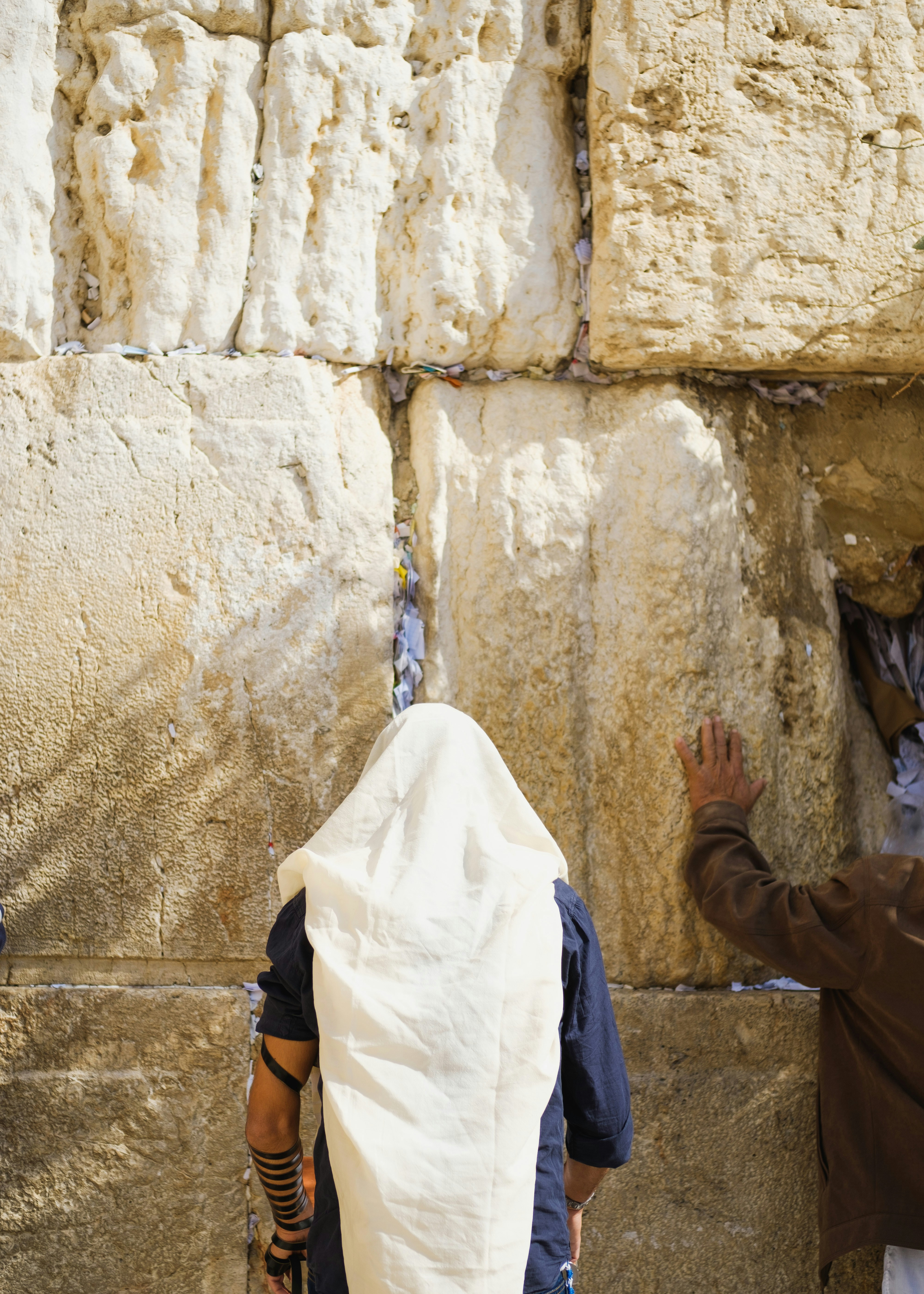
Introduction to Dua and Its Importance
Dua, in the Islamic tradition, refers to the act of supplication or prayer, where individuals earnestly seek closeness to Allah and ask for His assistance in various aspects of life. This practice is deeply rooted in the faith and is encouraged as a means through which believers can express their needs, desires, and hopes. Dua is not only a verbal articulation of one’s wishes but also a profound spiritual communication that underscores the relationship between the individual and their Creator.
The importance of making dua cannot be overstated, particularly in the context of health and healing. Islamic teachings emphasize that dua serves as a source of comfort and solace, providing believers with hope in times of distress. It is believed that through sincere dua, individuals can seek physical and emotional healing. This aspect is particularly relevant for those suffering from illness, as the act of invoking Allah can enhance their resilience and mental fortitude, enabling them to face their challenges with greater strength.
Moreover, the benefits of making dua extend beyond mere supplication; it fosters a sense of community among believers, as individuals often come together to pray for one another’s well-being. This collective aspect of dua reinforces communal bonds and encourages a shared sense of hope and support. Additionally, frequent supplication is known to instill a positive mindset, which can have tangible effects on one’s health, as stress reduction and emotional well-being are linked to physical recovery.
In conclusion, dua plays a vital role in the lives of Muslims, serving both spiritual and practical purposes. Its significance as an act of communication with Allah cannot be underestimated, especially when it comes to seeking healing and relief from illness. By embracing the practice of dua, individuals may find not only the strength to cope with their ailments but also a deepened connection to their faith and community.
Understanding the Concept of Healing in Islam
In Islamic belief, health is considered one of the greatest blessings bestowed by Allah (SWT). The relationship between health, illness, and faith is deeply intertwined. Muslims believe that physical ailments are often tests of faith, designed to purify one’s soul and strengthen their closeness to Allah. This perspective highlights the significance of enduring hardships with patience and perseverance while maintaining trust in divine wisdom.
From an Islamic viewpoint, illness can serve multiple purposes. It may be a trial meant to enhance one’s spiritual state, reminding individuals of their reliance on Allah. The Quran emphasizes the importance of remembering Allah in both good and bad times, reinforcing the belief that every experience, including affliction, has a divine rationale. This concept encourages Muslims to practice patience (sabr) and seek Allah’s mercy through supplication (dua) and prayer.
Dua is a fundamental aspect of Islamic healing practices. It is a personal and sincere plea to Allah for assistance in times of trial, including illness. Muslims are taught to ask Allah for healing, believing that His power is limitless and capable of curing even the most severe conditions. It is common for believers to recite specific duas, as well as verses from the Quran, when seeking recovery from ailments, both physical and emotional.
The act of making dua reflects one’s hope and faith in Allah’s mercy, power, and wisdom. It emphasizes the belief that, while medical intervention is essential, ultimate healing is in the hands of Allah. By integrating faith into their healing processes, many believers find comfort and peace, viewing their health journey as an opportunity for spiritual growth. This multifaceted approach combines seeking medical help with a profound reliance on divine assistance, thus embodying the holistic nature of healing in Islam.
The Significance of Specific Dua for Healing
In Islamic teachings, dua holds a central role as a form of supplication, particularly in seeking healing from ailments and restoring one’s health. Various duas, derived from the Quran and Hadith, have been transmitted through generations, emphasizing their significance in facilitating health and well-being. These supplications are not merely acts of verbal articulation but embody an essential connection to faith, belief in divine healing, and the power of prayer.
One of the most renowned duas mentioned is found in the Quran, where Allah states: “And when I am ill, it is He who cures me” (Quran, 26:80). This verse epitomizes the notion that ultimate healing comes from Allah alone. It is a powerful reminder of the dependence on divine intervention in overcoming physical challenges. Additionally, the Prophet Muhammad (peace be upon him) practiced and encouraged specific supplications for those seeking relief from illness, further highlighting the therapeutic aspect of dua.
Duas such as “Shifa’ (cure)” and “Rabbana atina fid-dunya hasanatan wa fil akhira hasanatan wa qina ‘adhab an-nar” serve as pivotal examples. The first is a plea for complete healing, while the latter encompasses a request for well-being in both this life and the hereafter. The effectiveness of these prayers lies not only in their request for healing but also in their role in fostering a deep sense of reliance on Allah’s mercy and power.
Furthermore, specific duas are recommended during particular conditions, such as illness or suffering. The context and circumstances under which these duas are recited also play a role in their spiritual potency. By consistently engaging with these supplications, believers affirm their faith and surrender to Allah’s will, which enhances their mental and emotional resilience throughout their healing journey.
The Dua for Removing Diseases
The dua specifically known for removing diseases is widely revered in the Islamic tradition for its effectiveness in seeking Divine healing. The Arabic text of this potent dua is: اَللّهُمَّ إِنِّي أَسْأَلُكَ الشّفاءَ لي وَمَن أَحَبَّ. Its English translation reads: “O Allah, I ask You for healing for myself and for those I love.” This dua encapsulates a request not only for personal healing but also for the well-being of loved ones, reflecting a spirit of compassion and care within the supplication.
In the context of reciting this dua, certain conditions or etiquettes enhance its efficacy. First and foremost, maintaining sincerity in one’s intention is essential. Before recitation, an individual should perform ablution (wudu), which is a physical embodiment of purity. It is also recommended to start the dua with praising Allah and sending blessings upon the Prophet Muhammad (peace be upon him), as this honors the request being made.
Furthermore, reciting this dua with steadfastness and regularity boosts its impact. Individuals often find that repeating the dua seven times after each obligatory prayer is beneficial. Additionally, one may recite this dua during times of distress or illness, especially during the last third of the night when the supplications are believed to connect more profoundly with the Divine. While reciting, it is advisable for one to visualize the ailment being alleviated, fostering a sense of hope and belief in Allah’s mercy.
As faith plays a crucial role in all prayers, trust in Allah’s power to heal and the inherent goodness of this dua cultivates a positive mindset, which can further contribute to physical well-being. Emphasizing healing in both body and spirit, this dua serves as a comprehensive approach to addressing illness in one’s life.
How to Properly Make Dua for Healing
Making dua is a deeply spiritual act that can be significantly enhanced by adopting the right mindset and practices. When seeking healing, it is essential to approach this act with a heart that is sincere and focused. Begin by ensuring a state of cleanliness; performing ablution (wudu) can help enhance concentration and serve as a physical reminder of the sacredness of this act. Find a quiet space where distractions are minimal, allowing oneself to engage fully in the supplication. This setting can greatly aid in fostering a deeper connection to the divine.
The timing of dua is also crucial when seeking healing. Certain times are more auspicious than others; for instance, during the last third of the night, after obligatory prayers, and during the hours when fasts are broken are regarded as particularly potent moments for prayers. Engaging in dua at these times reinforces the belief that Allah is always attentive and responsive, especially when one is earnest in their request.
Furthermore, it is beneficial to pair dua with practical steps toward healing. This can involve seeking medical consultation and adhering to prescribed remedies, both physical and spiritual. Integrating healthy practices such as proper nutrition, exercise, and mental well-being strategies can complement the spiritual healing process. Remember that healing may manifest in various ways and might not always align with individual expectations. Therefore, maintaining patience and trust in Allah’s wisdom is paramount. Embrace the understanding that every healing journey is unique, and with consistent effort in making dua, alongside taking responsible actions, one can cultivate an environment conducive to holistic recovery.
Personal Experiences and Testimonials
Dua has long been regarded as a powerful tool for attaining one’s desires, including physical healing. Many individuals have shared their personal stories, highlighting instances where they have experienced remarkable recoveries or alleviations from ailments through the practice of dua. These narratives not only reinforce the significance of spiritual practices but also showcase how faith can act as a catalyst for healing.
For instance, Amina, a 35-year-old mother, recounts her battle with a chronic illness that left her fatigued and unable to care for her family. After seeking medical treatment for months with minimal improvement, she turned to the practice of dua. Amina began dedicating time each day to recite specific supplications aimed at health and recovery. Remarkably, she noticed a gradual improvement in her condition, which she attributes to her deepening faith and the prayers she recited. Amina’s story underscores how psychological comfort derived from spiritual practices can significantly impact physical health.
Similarly, there are testimonials from individuals who have faced significant medical crises. Khalid, a 42-year-old man, experienced a sudden heart issue that caused panic and concern in his family. While undergoing treatment, his loved ones participated in collective dua gatherings, asking for his swift recovery. Khalid describes feeling an overwhelming sense of calm throughout the ordeal, noting that he drew strength from their prayers. Following his treatment, he experienced a full recovery, which he believes is a testament not only to the medical intervention but also to the collective dua that surrounded him.
These testimonies reflect a common theme: the belief that dua can be a potent form of spiritual intervention that complements medical treatment. The experiences of Amina and Khalid serve as powerful reminders that faith and spiritual engagement can coalesce with modern medicine, offering hope and healing to those in need.
Scientific Perspectives on Prayer and Healing
The relationship between prayer, including the practice of dua, and health outcomes has been a subject of investigation in scientific research for several decades. Multiple studies have aimed to understand how these spiritual practices impact both psychological and physiological health. The empirical findings suggest that prayer may contribute significantly to improved health outcomes, though the mechanisms underlying these effects remain complex and multifaceted.
Research has shown that prayer can foster a sense of community and belonging, which is essential for mental and emotional well-being. For instance, individuals who engage in prayer often report lower levels of anxiety and depression, which can lead to better overall health. A meta-analysis of psychological studies indicated that prayer is associated with enhanced coping mechanisms, helping individuals deal with illness and stress more effectively. Moreover, the act of prayer itself may promote a state of relaxation and mindfulness, reducing physiological responses associated with stress, such as elevated heart rates and blood pressure.
Furthermore, several studies have investigated the potential placebo effect associated with prayer. In certain medical trials, patients receiving intercessory prayer—prayers offered on their behalf—exhibited better clinical outcomes compared to those who did not receive prayer. This effect highlights the intricate link between belief, expectation, and potentially improved health. Critical analysis suggests that while prayer can have tangible effects on health, these benefits are most pronounced when combined with conventional medical treatment.
In conclusion, the intersection of prayer and healing is an evolving area of research. Although results can vary widely, the collective evidence points to the beneficial psychological and physiological effects of prayer, suggesting that spiritual practices such as dua may play a meaningful role in the healing process. Further studies are necessary to fully understand the dynamics at play and to explore how these practices can be integrated into holistic health care approaches.
Incorporating Dua into Daily Life for Wellness
Integrating the practice of dua into your daily routine can significantly enhance both your spiritual and physical well-being. One effective approach is to allocate specific times throughout the day for making dua, transforming it into a regular habit that aligns with your schedule. For instance, you might choose to start each day with a morning dua, setting a positive tone for the hours ahead. This could involve seeking guidance and strength for the day, promoting a mindset that is focused and resilient.
Additionally, making dua before meals can serve as a moment of gratitude and reflection. This simple practice not only encourages mindfulness but also fosters a deeper appreciation for the nourishment provided. While eating, you can pause to make dua for health and healing, invoking blessings for yourself and others.
It is also beneficial to integrate dua during times of stress or when illness strikes. In these moments, turning to dua can provide comfort and reassurance, reinforcing your connection to a higher power. You might consider incorporating specific healing duas from Islamic tradition that address physical ailments, allowing them to be a source of both mental and spiritual healing.
Furthermore, establishing a special space in your home for dua can create an atmosphere conducive to reflection and supplication. This could be a quiet corner, adorned with items that inspire peace and focus. Spending even a few minutes each day in this sacred space can significantly impact your overall wellness journey.
Lastly, sharing the practice of dua with family can strengthen bonds and create a collective sense of hope and healing. Family gatherings that include communal dua not only enhance the spiritual environment but also encourage emotional support during challenging times.
Conclusion: The Journey of Faith and Healing
In the realm of healing, faith plays a significant role, serving as a guiding light during times of illness and uncertainty. The powerful dua for healing, rooted in deep spiritual tradition, acts as a bridge between the believer and Allah. This sacred supplication is not only an expression of hope but also a heartfelt plea for support in overcoming physical and emotional challenges.
Dua encourages individuals to seek assistance from a higher power, fostering a sense of connection and trust in divine intervention. When faced with health struggles, turning to dua can provide comfort, reduce anxiety, and enhance overall well-being. Believers often find solace in the act of praying, as it can serve to strengthen their resolve and faith amidst adversity. The symbiotic relationship between spiritual practices and medical treatment offers a holistic approach to achieving wellness.
Furthermore, it is vital to maintain a positive mindset and actively engage in both spiritual and medical remedies. While dua can be a source of healing energy, it is essential to complement these spiritual efforts with appropriate medical care. Engaging with healthcare professionals and adhering to treatment plans can significantly enhance the healing journey. When one embraces the dual approach of faith and medicine, they are more likely to experience a comprehensive recovery, as both dimensions work synergistically.
Ultimately, the process of healing is deeply personal and can foster growth in faith. Believers are encouraged to persist in their supplications, trusting that Allah hears their prayers and is aware of their struggles. As one traverses through the journey of healing, the power of dua remains a steadfast tool in seeking relief, fostering hope, and reinforcing a trust that transcends the immediate challenges faced in life.
Leave a Reply