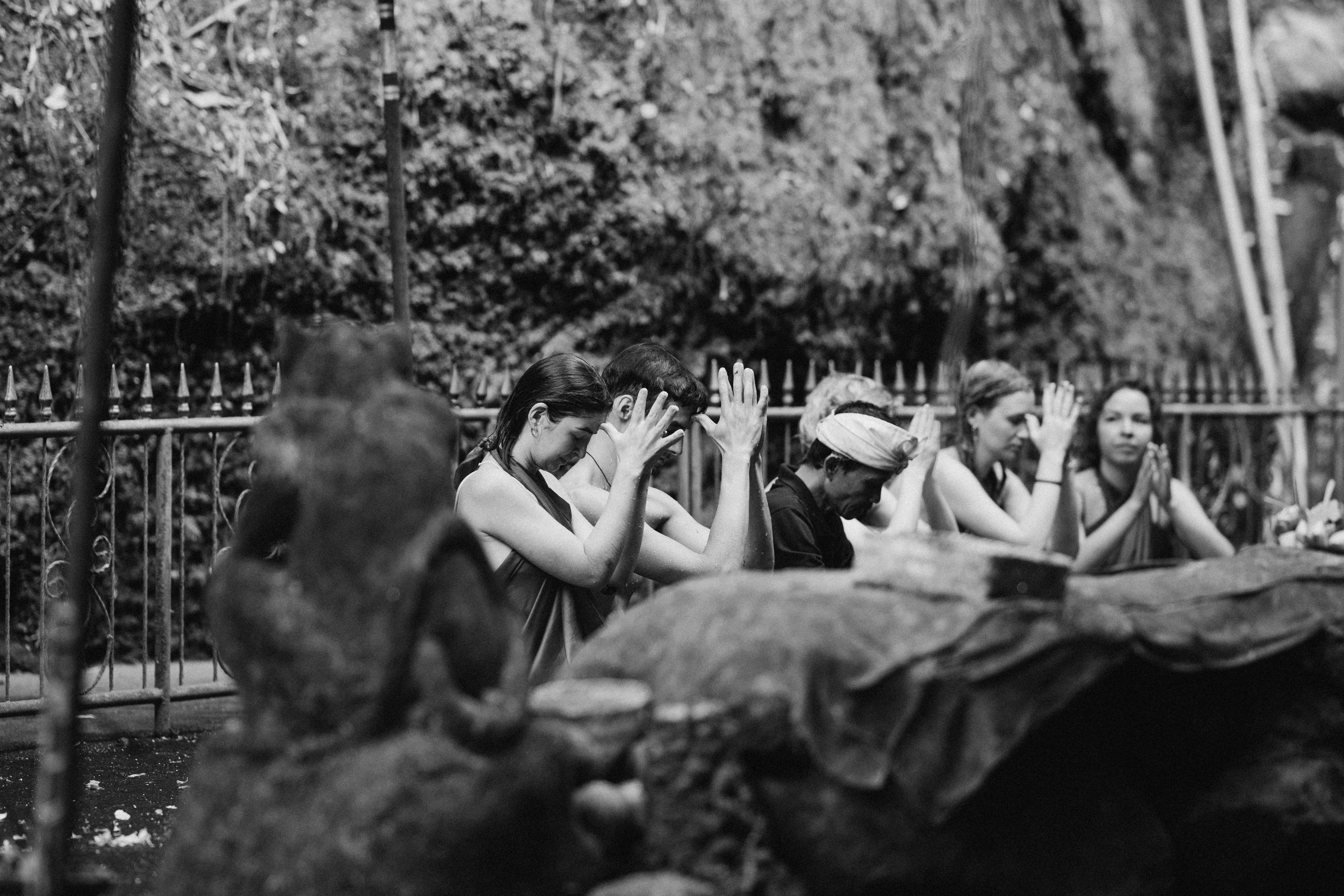
Introduction to Spiritual Healing
Spiritual healing is a holistic approach to health and wellness that emphasizes the interconnectedness of the mind, body, and spirit. It signifies a journey towards personal growth and transformation, aiming to restore balance and harmony within an individual. Unlike traditional medical practices, which often focus on the physical symptoms of ailments, spiritual healing seeks to address underlying emotional and psychological issues, promoting overall well-being.
The historical context of spiritual healing can be traced back to ancient civilizations, where healing practices were often intertwined with religious rituals and beliefs. Various cultures have utilized spiritual methods, such as shamanism, energy healing, and meditation, to foster healing. In many traditions, it is believed that spiritual disconnection can lead to physical and emotional distress, highlighting the significance of nurturing the spiritual aspect for holistic health.
In modern times, spiritual healing has gained recognition as a complementary practice to conventional medicine. Many individuals explore spiritual healing to find solace during challenging times, seeking therapeutic methods to cope with life’s adversities. Practices such as Reiki, Ayurveda, and mindfulness meditation have emerged in contemporary settings, underlining the evolving interpretations of spiritual healing.Moreover, spiritual healing plays a crucial role in personal growth; it encourages self-awareness and introspection. Individuals often engage in spiritual practices to foster resilience, enhance emotional health, and encourage personal transformation. By integrating spiritual principles into daily life, individuals can experience profound shifts in perspective, leading to a more fulfilling existence.
What is a Spiritual Cure Team?
A Spiritual Cure Team is a collaborative group of professionals and practitioners dedicated to facilitating healing and transformation for individuals seeking spiritual growth. This team is typically made up of individuals from diverse backgrounds and expertise, including but not limited to spiritual healers, therapists, counselors, energy practitioners, and sometimes even medical professionals. Each member contributes unique skills that enhance the overall effectiveness of the team in achieving holistic well-being for those they assist.
The primary purpose of a Spiritual Cure Team is to provide a multi-faceted approach to healing that recognizes the interconnectedness of mind, body, and spirit. By pooling their resources and knowledge, the team can address various aspects of a person’s experience, acknowledging that spiritual, emotional, and physical elements are intertwined in the healing process. This teamwork enables them to devise customized healing strategies that align with the individual’s unique needs and circumstances.
The roles within a Spiritual Cure Team can differ significantly. Spiritual leaders may guide individuals through meditative practices or rituals, while licensed therapists can provide mental health support. Energy healers might facilitate energy work to clear blockages, while holistic practitioners may focus on nutrition or lifestyle changes that complement spiritual work. The collaborative model ensures that each member actively communicates and supports one another’s contributions, tailoring a comprehensive healing experience for each client.
This synergy not only amplifies the healing potential but also fosters a nurturing environment where individuals can explore their spirituality in a safe and supportive context. The aim is to imbue clients with the tools and insights needed to navigate their healing journeys effectively, empowering them on their path towards spiritual enlightenment.
The Philosophy Behind Spiritual Cure
The philosophy of spiritual curing revolves around the interconnectedness of the mind, body, and spirit. This holistic approach posits that an individual’s overall well-being is deeply influenced by the interplay of these three realms. At the core of this philosophy is the belief that mental and emotional states can significantly affect physical health. Recognizing this connection emphasizes the necessity of addressing not only physical symptoms but also psychological and spiritual issues to facilitate true healing.
One prominent concept in spiritual cure is energy healing, which suggests that all living beings are surrounded by auras and energy fields. These energies can become disrupted due to negative emotions, trauma, or environmental factors. Practitioners of spiritual healing often employ various techniques, such as Reiki, chakra balancing, and guided meditation, to restore the natural flow of energy within individuals. Such practices aim to eliminate blockages and promote healing by realigning the physical and energetic aspects of a person.
Additionally, consciousness plays a critical role in spiritual healing. Consciousness is viewed as a powerful force that can affect one’s health and life experiences. By developing greater awareness and mindfulness, individuals can foster positive change in their lives, supporting their healing journey. Techniques like visualization and affirmations are commonly incorporated within these practices to harness the power of thought and intention.
Ultimately, the philosophy behind spiritual cure encourages individuals to take an active role in their healing journey. It invites them to explore their inner selves, understand the root cause of their ailments, and empower themselves through self-discovery and personal growth. By integrating these principles, spiritual healing promotes a comprehensive approach to health and well-being, nurturing the individual on all levels.
Methods and Practices Used by Spiritual Cure Teams
Spiritual cure teams employ a variety of methods and practices designed to promote healing and personal growth. Central to these practices is meditation, which serves as a foundational tool for quieting the mind and fostering a deep sense of inner peace. Through meditation, individuals can explore their consciousness, gaining insights and clarity regarding their emotional, mental, and spiritual states. Different techniques, such as mindfulness and guided visualization, help participants to connect with their higher selves and facilitate the healing process.
Energy work is another prominent practice among spiritual cure teams. Techniques such as Reiki, chakra balancing, and aura cleansing are utilized to restore and harmonize the body’s energy systems. By addressing energy blockages, practitioners aim to enhance the flow of healing energy, promoting physical and emotional well-being. This energetic approach not only addresses symptoms but also targets the root causes of issues, enabling holistic healing.
In addition to meditation and energy work, prayer plays a significant role within spiritual cure practices. Prayer can be a communal or individual activity, and its purpose is to invoke divine guidance and support during the healing journey. Many spiritual cure teams incorporate rituals that are tailored to the needs of participants, using symbols, chants, or specific invocations to facilitate connection with higher spiritual energies.
Furthermore, various therapeutic techniques are employed to complement the spiritual healing process. This may involve counseling, where practitioners help individuals navigate their emotional landscapes. Techniques such as journaling, art therapy, and nature therapy are also integrated, allowing participants to express their feelings creatively and reconnect with their environment.
Through the combination of these diverse practices, spiritual cure teams strive to create a supportive atmosphere conducive to healing and transformation, acknowledging the interconnectedness of body, mind, and spirit in the journey of personal growth.
Benefits of Working with a Spiritual Cure Team
Engaging with a spiritual cure team presents numerous advantages for individuals seeking healing and transformation. One significant benefit is the improvement in mental health. Utilizing spiritual practices, individuals can find tools to navigate stress, anxiety, and emotional turmoil, fostering a more positive outlook on life. This holistic approach often goes beyond traditional methods, promoting not just the alleviation of symptoms but a deeper understanding of one’s internal landscape, which in turn contributes to an overall enhancement of mental health.
Moreover, collaboration with a spiritual cure team aids in building emotional resilience. By exploring spiritual modalities such as meditation, energy healing, or mindful practices, individuals can cultivate a stronger emotional foundation. This resilience allows individuals to handle life’s challenges with greater ease, enabling them to respond to adversity with balance and confidence, rather than feeling overwhelmed.
Another profound advantage of engaging with a spiritual cure team is the potential for spiritual awakening. This journey often leads to an expanded consciousness, helping individuals reconnect with their inner selves and purpose. Through guidance and supportive practices, clients can experience enlightenment that often results in transformative shifts in their personal and spiritual lives.
As individuals navigate through this process with a spiritual cure team, they may also encounter profound life changes. The insights gained and the support provided through collaboration can help in realigning one’s life path, promoting behaviors and decisions that are more in harmony with one’s values and spiritual beliefs. Ultimately, working with a spiritual cure team can catalyze significant growth, leading to not just healing, but holistic transformation.
Real-life Case Studies
To illustrate the profound impact a spiritual cure team can have on individuals seeking healing, we delve into several real-life case studies. Each narrative showcases the transformative journey one undertakes when supported by a diverse group of spiritual healers.
The first inspiring story comes from Sarah, a 34-year-old mother who faced debilitating anxiety for years. Despite numerous medical treatments, she felt trapped within her own mind. After reaching out to a local spiritual cure team, Sarah was introduced to a combination of energy healing, meditation practices, and emotional release techniques tailored to her unique needs. Over the course of a few months, she reported a significant decrease in anxiety levels and a newfound sense of peace. This transition not only enhanced her mental well-being but also positively impacted her family dynamics.
Another compelling testimony is that of John, a 45-year-old former athlete recovering from a severe injury that left him feeling lost and disconnected. John’s journey with the spiritual cure team began with guidance in reconnecting to his physical body through yoga and mindful breathing. Additionally, the team incorporated visualization techniques that helped him envision a successful healing process. John credits the spiritual support he received for not only his physical rehabilitation but also a deeper understanding of his purpose beyond athletics.
Last but not least, we explore the experience of Maria, a 28-year-old artist who felt creatively blocked due to emotional turmoil. After joining a spiritual cure team, she engaged in expressive arts therapy alongside traditional spiritual practices. The team encouraged her to channel her emotions into her art, resulting in a prolific outpouring of creativity and self-exploration. Through her journey, Maria learned to embrace vulnerability and authenticity, which revitalized her artistic vision.
These case studies exemplify the varied ways in which spiritual cure teams facilitate healing. Each individual’s path demonstrates the potential for significant transformation, driven by the unique approaches offered by a dedicated spiritual support group.
Addressing Skepticism: Myths and Misconceptions
Spiritual healing is often met with skepticism, leading to a myriad of myths and misconceptions that cloud its understanding. One common misunderstanding is that spiritual cure teams lack credibility and scientific backing. However, proponents of spiritual healing argue that it does not aim to replace conventional medicine but rather to complement it. Spiritual practices focus on holistic well-being, addressing not just the physical aspects of health but also emotional, mental, and spiritual dimensions. Thus, they seek to create a balanced approach to healing.
Another prevalent myth is that spiritual healing is only suitable for specific ailments or conditions. In reality, individuals from diverse backgrounds and with various health issues can explore spiritual healing. Whether one is dealing with chronic illness, emotional distress, or a desire for personal growth, spiritual cure teams can offer guidance and support tailored to each individual’s needs. Misunderstanding the applicability of spiritual healing can prevent people from realizing its potential benefits.
Moreover, skeptics often conflate spiritual healing with mere wishful thinking or placebo effects. While it is true that some aspects of spiritual practices can provide psychological benefits, the principles underlying spiritual healing are grounded in ancient traditions and practices that have been utilized for centuries. This is not a dismissal of modern medicine; rather, spiritual and conventional practices can coexist and enhance one another. By engaging in spiritual healing sessions alongside conventional treatments, individuals often experience improved mental clarity and emotional resilience, which can lead to more effective healing outcomes.
Ultimately, it is essential to approach spiritual healing with an open mind, allowing for the possibility that it can coexist with conventional medical practices, offering a more comprehensive path toward health and healing.
How to Choose the Right Spiritual Cure Team for You
Selecting an appropriate spiritual cure team is a significant step towards personal healing and transformation. The right team can profoundly influence your spiritual journey, providing guidance and support tailored to your needs. When considering potential candidates, it is essential to evaluate various factors including credentials, compatibility, and methodologies.
First and foremost, assessing the credentials of the spiritual practitioners is crucial. Look for team members who possess formal training or certifications in their respective fields, such as counseling, energy healing, or spiritual coaching. Advanced knowledge and professional accreditation can indicate a commitment to ethical practices and ongoing education. Additionally, consider the team’s experience level and their reputation within the community, as positive testimonials can provide insight into their effectiveness.
Compatibility with your spiritual cure team is equally important. Everyone has unique beliefs and perspectives on spirituality and healing. It is advisable to schedule initial consultations with potential team members to gauge how well their philosophies align with your own. During these conversations, pay attention to how comfortable you feel discussing personal matters with them. A strong sense of trust, empathy, and understanding can form the foundation of a successful healing relationship.
Methodologies employed by the spiritual cure team should also be examined. Different practitioners may utilize various approaches, such as meditation, intuitive readings, or healing arts. Researching the techniques that resonate with you can help narrow down your choices. Teams that offer a cohesive blend of methods tailored to individual needs can enhance your overall healing experience.
In summary, choosing the right spiritual cure team involves careful consideration of credentials, compatibility, and methodologies. Taking the time to assess these aspects will guide you to a supportive team that fosters your healing and transformation journey.
Conclusion and Final Thoughts
Throughout this exploration of the Spiritual Cure Team, we have delved into the various dimensions of spiritual healing and its significant impact on holistic health. The journey towards healing and transformation is not merely a physical endeavor; it encompasses emotional, mental, and spiritual facets of well-being. Engaging with spiritual healing practices offers individuals a unique approach to addressing their afflictions by fostering a deeper connection with their inner selves and the universe around them.
Furthermore, the processes facilitated by the Spiritual Cure Team highlight the importance of community and shared experiences in the healing journey. By participating in group sessions or one-on-one guidance, individuals can cultivate a supportive environment that encourages openness and vulnerability, essential for genuine transformation. This collaborative effort can enhance the efficacy of spiritual practices, allowing individuals to draw upon collective energy and wisdom.
The insights gained from the Spiritual Cure Team’s methods underline the necessity of integrating spiritual healing into our daily lives and acknowledging its relevance alongside traditional healing modalities. As many have discovered, addressing the underlying spiritual aspects of health can lead to significantly positive outcomes in both physical and psychological states. The exploration of spiritual avenues invites individuals to embrace their unique journeys, recognizing that healing is an evolving process enriched by personal growth and introspection.
In conclusion, the Spiritual Cure Team exemplifies the power of spiritual healing as a pathway to holistic health. Readers are encouraged to investigate these transformative practices, as they can offer profound insights and effective strategies for personal empowerment and a deeper understanding of one’s life experiences. The commitment to spiritual healing may very well pave the way for lasting wellness and fulfillment.
Leave a Reply