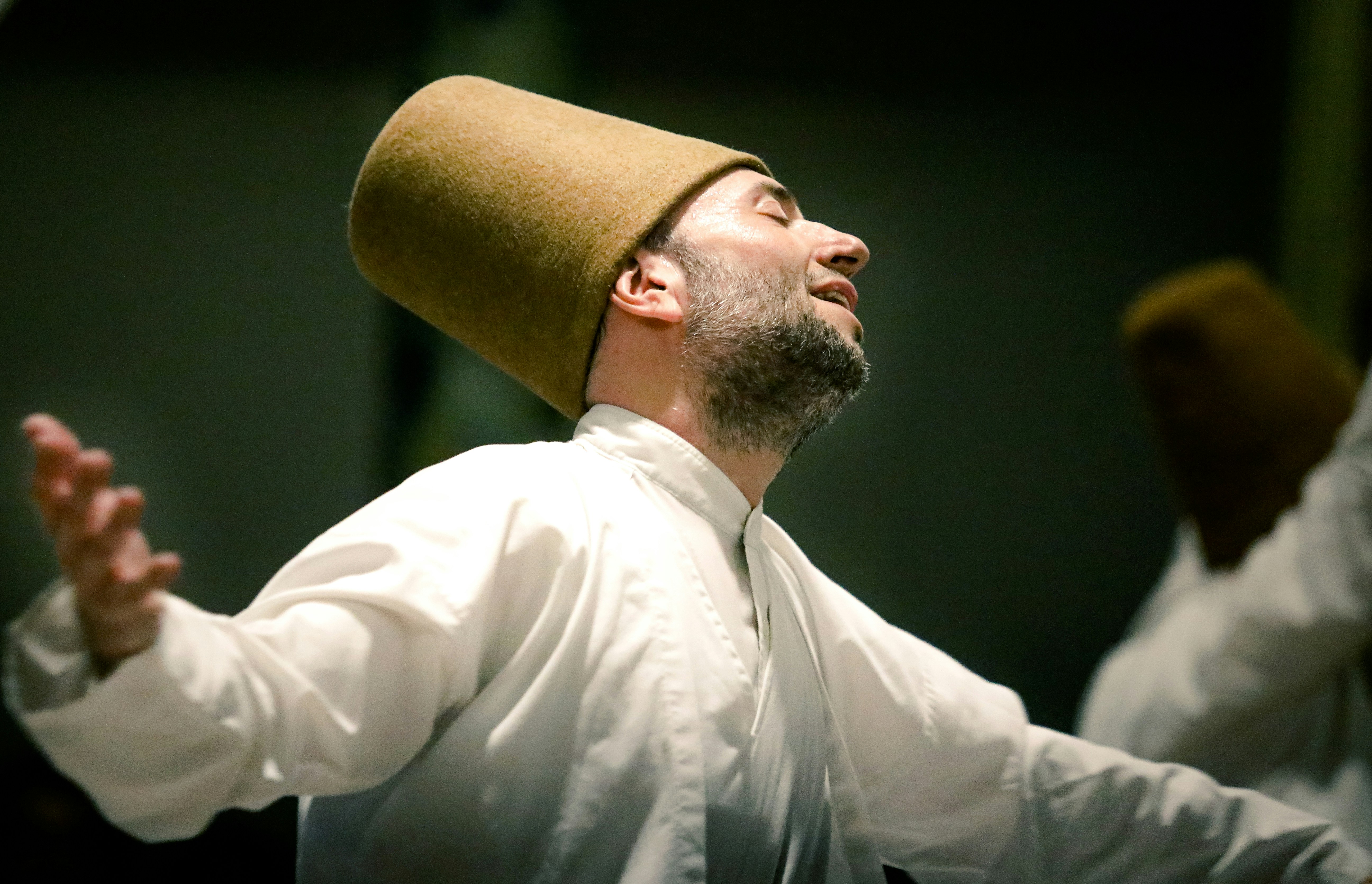
Understanding Spiritual Healing
Spiritual healing is a holistic practice focused on nurturing the mind, body, and spirit to encourage overall well-being. Distinct from traditional medical practices, which primarily target physical ailments through scientific methodologies and pharmaceuticals, spiritual healing addresses the underlying emotional and spiritual components of health. It operates under the belief that physical health is intricately linked to emotional states and spiritual alignment.
The primary purpose of spiritual healing is to restore balance and harmony within an individual. Practitioners, often referred to as spiritual healers, utilize various techniques such as meditation, energy healing, chakra balancing, and intuitive guidance to facilitate this process. These methods aim to not only relieve physical symptoms but also to address emotional and psychological struggles, often overlooked in conventional medicine.
One of the key distinctions of spiritual healing is its focus on the individual as a whole. Rather than isolating symptoms and treating them in a fragmented manner, spiritual healing emphasizes interconnectedness. For instance, a healer may explore a person’s past traumas or emotional blockages that manifest as physical discomfort. This approach posits that true healing comes from understanding and integrating all aspects of one’s being.
Moreover, spiritual healing fosters a deep sense of empowerment for the individual. Participants in this process are encouraged to take an active role in their healing journey, which may involve self-reflection, personal growth, and an enhanced awareness of their spiritual self. Unlike traditional medical interventions that often place authority solely in the hands of health professionals, spiritual healing promotes a collaborative partnership between the healer and the individual.
The Role of a Spiritual Healer
Spiritual healers serve as guides and facilitators in the personal journey towards healing and self-discovery. Their primary function is to assist individuals in overcoming various life challenges, including emotional trauma, stress, and spiritual disconnection. By providing a combination of support, advice, and healing practices, spiritual healers help clients rediscover their inner strength and personal empowerment.
One critical aspect of a spiritual healer’s role is to create a safe and nurturing environment where clients feel comfortable expressing their feelings and concerns. This foundation of trust enables open dialogue, allowing healers to identify the core issues that may be hindering their clients’ growth. Various techniques may be employed during this process, including energy healing, meditation, and intuition-led guidance. These methods aid individuals in unlocking and reconnecting with their innate potential for healing.
Furthermore, spiritual healers often guide clients through the exploration of holistic practices, promoting overall well-being beyond the immediate issues at hand. This integrative approach may involve advice on lifestyle changes, dietary adjustments, or the incorporation of mindfulness practices into daily routines. Each healer may specialize in different modalities, such as Reiki, crystal healing, or shamanic practices, thereby catering to diverse needs.
In addition to providing healing, spiritual healers play a vital role in supporting clients as they navigate their spiritual journeys. This may involve manifesting insights during sessions, helping individuals tap into their spiritual gifts, or facilitating personal rituals that foster growth and transformation. By accommodating the unique paths of their clients, spiritual healers establish a dynamic partnership in the pursuit of enlightenment, emotional healing, and inner peace.
Types of Spiritual Healing Practices
Spiritual healing encompasses a variety of practices aimed at promoting emotional, physical, and spiritual well-being. Each method offers unique approaches and benefits, reflecting the diversity within the field.
One of the most popular forms of spiritual healing is Reiki. Originating in Japan, Reiki is a practice that involves the transfer of universal life energy through the practitioner’s hands. It is believed that this energy promotes relaxation, reduces stress, and encourages emotional healing. Sessions typically involve the recipient lying down while the practitioner lightly places their hands on or near the body, facilitating a soothing experience.
Another widely recognized method is crystal healing. This practice utilizes the vibrational energy of crystals and gemstones to restore balance and harmony within the body. Each type of crystal is thought to possess specific healing properties, which can target various physical and emotional ailments. Practitioners often place crystals strategically on the body or in the surrounding environment to amplify energy and promote healing.
Meditation also plays a crucial role in spiritual healing. This practice encourages mindfulness and inner peace, allowing individuals to connect with their higher selves. Various techniques exist, including guided meditation, mindfulness, and transcendental meditation, each offering distinct benefits. Regular meditation practice can lead to reduced anxiety, better emotional regulation, and enhanced self-awareness.
Lastly, energy work encompasses a broad range of practices that focus on manipulating the body’s energy fields. Techniques such as chakra balancing and aura cleansing aim to remove blockages and restore the free flow of energy throughout the body. Practitioners may use intention, visualization, or specific movements to facilitate this process.
These diverse methodologies within spiritual healing highlight the versatility of the practice and its potential to contribute to holistic well-being.
Tools and Techniques Used in Spiritual Healing
Spiritual healing encompasses a variety of practices aimed at promoting holistic well-being. Practitioners often utilize specific tools and techniques to facilitate the healing process, each serving a unique role in aiding spiritual growth and emotional healing.
One common tool employed in spiritual healing is crystals. These natural minerals are believed to harness and channel energy, creating a conducive environment for healing. Different crystals, such as amethyst and quartz, are used for their unique properties; for example, amethyst is often associated with calming energy and spiritual protection, while clear quartz is valued for amplification of intentions and energies. Spiritual healers may recommend these crystals during healing sessions or encourage individuals to keep them close for ongoing support.
Incense is another significant element in spiritual practice. The aroma produced from burning certain types of incense is thought to purify the energy in a space, fostering a serene atmosphere that enhances meditation and introspection. The use of incense during healing sessions can help create a sacred space, promoting relaxation and clearing the mind for deeper spiritual connection.
Moreover, meditation techniques are foundational to spiritual healing practices. These techniques vary widely, from guided visualizations to mindfulness practices, with the common goal of fostering a deep state of introspection and relaxation. Through meditation, individuals can connect with their inner selves, allowing for deeper emotional healing and spiritual awakening.
Sound healing is increasingly recognized as a powerful technique within spiritual practices. Utilizing instruments such as singing bowls, gongs, and tuning forks, sound healing aims to restore balance to the body’s energy systems. The vibrations produced during sound healing sessions resonate with the physical body, potentially releasing emotional blockages and promoting overall health.
Through the careful integration of these tools and techniques, spiritual healers aim to support individuals on their journeys toward enhanced well-being and self-awareness.
The Benefits of Spiritual Healing
Spiritual healing offers a multitude of benefits that extend beyond mere physical well-being. One of the most significant advantages is the promotion of emotional balance. Individuals often experience overwhelming anxiety and stress due to life’s demands. Through spiritual healing practices such as meditation and energy work, individuals can tap into their inner peace, leading to improved emotional resilience. The process helps in recognizing and addressing underlying emotional issues, allowing for profound personal transformations.
Moreover, stress reduction is another crucial benefit of spiritual healing. The hectic pace of modern life can leave individuals feeling drained and overwhelmed. Techniques utilized in spiritual healing, like mindfulness and breathwork, provide tools to alleviate stress effectively. A case study involving a participant seeking relief from chronic stress demonstrated how regular spiritual practices contributed significantly to their improved mental clarity and emotional stability. Participants reported feeling more grounded and centered, which translated into better stress management.
Enhanced well-being is another key outcome of spiritual healing. Many practitioners have observed that as individuals engage in spiritual healing, they often experience a heightened sense of purpose and direction in life. This is not just about personal gain; communities witness individuals becoming more empathetic and compassionate. For instance, a personal anecdote shared by a former client highlighted how their experience with spiritual healing led to a profound increase in their overall life satisfaction. They felt more connected to their community and nurtured relationships, which resulted in holistic growth.
In conclusion, the myriad benefits of spiritual healing, including emotional balance, stress reduction, and overall enhanced well-being, make it a valuable practice for individuals seeking improved mental and emotional health. Through real-life impacts and transformative experiences, it is clear that spiritual healing can play a pivotal role in achieving a harmonious life.
How to Find a Suitable Spiritual Healer
Finding a spiritual healer who resonates with your personal beliefs and needs can be a transformative journey. The selection process involves several criteria that can guide potential seekers in identifying the right practitioner. First and foremost, it is essential to consider the qualifications of the healer. This includes any certifications or training they have received in spiritual healing modalities. A qualified healer is more likely to have a structured understanding of their practice and can provide a safe space for healing.
Another important aspect to evaluate is the healer’s approach to spirituality and healing. Different healers may employ various techniques, such as energy healing, meditation, or herbal remedies. Some may focus on emotional healing, while others might emphasize physical or spiritual well-being. Individuals should seek a healer whose approach aligns with their own beliefs and comfort level. Researching the healer’s methods and philosophies through their websites, newsletters, or social media can provide insights into their practice.
Personal fit is a critical factor; the relationship between the healer and the seeker needs to be built on trust and comfort. It can be beneficial to attend an introductory session or an initial consultation to assess this relationship. During such meetings, one can observe how the healer communicates and whether their style resonates with personal expectations. Feedback from past clients can also serve as a valuable resource, as it highlights the experiences of others who have sought healing.
Considering these elements will empower individuals to make informed decisions when seeking a spiritual healer. Ultimately, the goal is to find a healer who not only possesses the right qualifications but also creates an environment conducive to personal growth and healing.
The Ethical Practice of Spiritual Healing
Spiritual healing encompasses a wide range of practices aimed at restoring balance and well-being on multiple levels—physical, emotional, and spiritual. However, the practice of spiritual healing carries with it significant ethical responsibilities that both practitioners and clients must acknowledge and navigate carefully. One of the foundational ethical considerations is the necessity of informed consent. Spiritual healers must ensure that clients fully understand the nature of the services being offered, including any risks and benefits associated with the healing processes. This respect for autonomy reinforces the client’s right to make informed decisions about their own health and well-being.
Confidentiality also plays a crucial role in the ethical practice of spiritual healing. Healers often engage in deeply personal conversations and delve into sensitive areas of clients’ lives. Therefore, maintaining the confidentiality of these discussions is paramount to sustaining trust in the client-healer relationship. Ethical spiritual healers must implement measures to protect client information, ensuring that private matters remain undisclosed without explicit consent.
Furthermore, professional conduct is an essential aspect of ethical practice in this field. Spiritual healers should adhere to a code of conduct that prioritizes integrity, respect, and professionalism. This includes setting appropriate boundaries, avoiding exploitative relationships, and being mindful of the power dynamics that exist between healer and client. Practitioners must also engage in continuous self-reflection and seek to enhance their skills and knowledge to provide safe, effective, and ethical healing experiences.
Ultimately, the ethical practice of spiritual healing is not just about the healer’s responsibilities but also involves the client’s active participation. Clients should approach the healing process with openness and responsibility, ensuring they communicate their needs and boundaries clearly. This shared commitment to ethical practices fosters a healing environment that is conducive to genuine transformation.
Personal Experiences: Healing Journeys
Spiritual healing often serves as a profound and transformative journey for individuals seeking solace and understanding in their lives. Many who have engaged in spiritual healing report changes that extend beyond physical well-being, touching upon emotional, mental, and spiritual dimensions. Testimonials reveal that these healing processes can instigate shifts in perception, leading to renewed hope and a sense of purpose.
One compelling account comes from a woman named Sarah, who faced debilitating anxiety following a traumatic event. After seeking out spiritual healing, she discovered techniques such as meditation and energy healing. Through her sessions, Sarah reported a significant reduction in anxiety levels. The spiritual healing process allowed her to confront and release trapped emotions, ultimately leading her on a journey toward self-acceptance. She described the experience as freeing, stating that it felt like shedding a heavy weight she had carried for years.
Another powerful story is that of Michael, a man who battled chronic pain due to a long-standing illness. Initially skeptical about the efficacy of spiritual healing, he reluctantly attended a session referred by a friend. Much to his surprise, he found solace and relief through guided visualization techniques and sound healing. Michael’s journey not only alleviated his physical pain but also enriched his spiritual life, leading to a profound appreciation for the interconnectedness of body and spirit.
These testimonials exemplify the varying ways individuals experience healing journeys through spiritual practices. Many have reported a deeper connection to themselves and a greater understanding of their life’s purpose. As they navigate through their healing processes, each story reminds us that spiritual healing can be a powerful tool for personal transformation, fostering resilience and emotional strength in the face of adversity.
The Future of Spiritual Healing
As we navigate through the complexities of modern life, the realm of spiritual healing is entering a phase of transformation that is both intriguing and promising. Traditionally rooted in ancient practices, spiritual healing is gradually finding its place alongside conventional medical treatments, thereby fostering a more holistic approach to health and wellness. This convergence has been influenced by the increasing societal acknowledgment of the importance of mental, emotional, and spiritual well-being.
One of the notable trends in the future of spiritual healing is its integration with evidence-based practices. With a greater emphasis on research and validation, practitioners are now combining time-honored techniques with scientific methodologies. This synergy aims to provide a comprehensive understanding of how spiritual healing works, while simultaneously fostering greater acceptance within mainstream healthcare systems. Such interdisciplinary collaboration could lead to innovative treatment modalities that utilize both spiritual and medical healing methods.
Additionally, the rising interest in holistic health, driven by an informed populace seeking natural remedies and therapies, signals a growing market for spiritual healing services. As more individuals become aware of the benefits of spiritual practices such as meditation, energy work, and counseling, the demand for qualified healers will likely increase. This trend may inspire educational institutions to offer accredited programs that train aspiring spiritual healers, thus establishing clear standards and practices within the field.
Moreover, technological advancements, including telehealth platforms and online resources, are making spiritual healing more accessible. Virtual sessions are breaking geographical barriers, allowing individuals from all walks of life to engage with spiritual healers and explore various modalities. Such accessibility could exponentially expand the reach of spiritual healing, fostering a global community that prioritizes well-being through spiritual practices.
In essence, the future of spiritual healing is poised for growth and evolution, unlocking new avenues for practitioners and seekers alike in this ever-changing landscape of wellness.
Leave a Reply