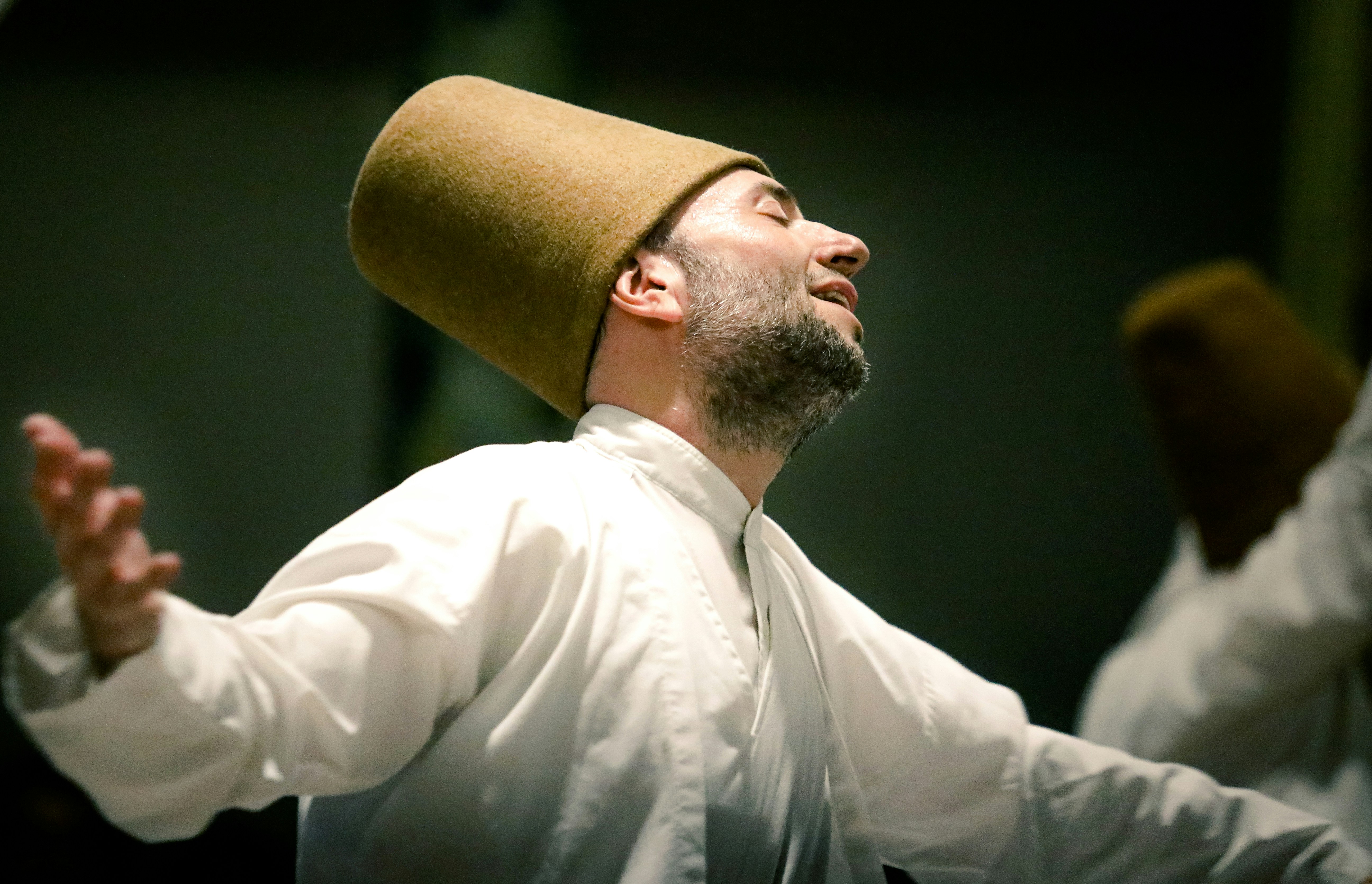
Introduction to Spiritual Healing
Spiritual healing is a practice that encompasses various techniques and philosophies aimed at restoring balance and harmony to the spirit, mind, and body. Rooted in ancient traditions across multiple cultures, it seeks to address not only physical ailments but also emotional and spiritual distress. This holistic approach promotes overall well-being by recognizing the interconnectedness of these aspects of life.
Traditionally, spiritual healing practices have been prevalent in cultures around the world, including Native American, Eastern, and indigenous healing systems. Techniques such as energy healing, meditation, and rituals play a pivotal role in these traditions, each offering unique methods to achieve a state of healing. Practitioners often act as intermediaries between the individual and the universal energies, facilitating a channel for healing to occur.
In recent years, there has been a significant rise in interest surrounding spiritual healing within contemporary society. This growing curiosity can be attributed to several factors, including the increasing awareness of mental health issues and the limitations of conventional medicine. As people seek alternative and complementary therapies, spiritual healing has emerged as a viable option for those looking to enhance their well-being beyond physical manifestations of illness.
Moreover, the modern emphasis on self-care and personal development has paved the way for spiritual healing to gain traction among individuals eager to explore their inner selves. This integration of spiritual practices into overall health routines reflects a broader acknowledgment of the importance of emotional and spiritual wellness. Consequently, spiritual healing continues to evolve, adapting to contemporary needs while retaining its deeply rooted traditional values.
The Different Types of Spiritual Healers
Spiritual healing is a broad field encompassing a myriad of practices and traditions, each with unique methods and philosophies. Among the most recognized types of spiritual healers are shamans, Reiki practitioners, crystal healers, and energy workers, each playing a crucial role in the holistic healing ecosystem.
Shamans are perhaps one of the oldest forms of spiritual healers, often found in indigenous cultures around the world. They typically engage in ritualistic practices, such as drumming and dancing, to enter altered states of consciousness. This enables them to connect with the spirit world, seeking guidance and healing for their community or individuals. Shamans employ a deep understanding of both physical and metaphysical ailments, believing that healing comes from harmonizing the spirit with nature.
Reiki practitioners focus on channeling life force energy to promote healing. This Japanese technique involves gentle touch or the practitioner placing their hands near the recipient’s body to facilitate relaxation and healing. Reiki aims to harmonize the body’s energies, effectively releasing blocks that may lead to physical or emotional concerns. The practice emphasizes the importance of intention and belief as integral to the healing process.
Crystal healers utilize gemstones and minerals to promote healing and balance. Each crystal is believed to possess specific energetic properties that can affect the mind, body, and spirit. Practitioners place crystals on or around the body, intending to draw out negative energies and redirect positive ones. This form of healing is grounded in the notion that the frequency of crystals can resonate with an individual’s energy field, promoting overall wellness.
Energy workers, a broad category that often overlaps with other types of spiritual healers, employ various techniques to manipulate energy within and around the body. This may include practices such as chakra balancing, aura clearing, and the use of sound therapy. Their goal is to restore balance and harmony, resulting in improved emotional and physical health.
Historical Context of Spiritual Healing
Spiritual healing has a rich and diverse history, originating from various cultures around the world. Historically, healing practices often intertwined with spiritual beliefs, where health and illness were perceived not just as physical conditions but as matters of spiritual significance. Early forms of healing can be traced back to indigenous practices, where shamans or medicine men and women played vital roles in their communities. These practitioners understood the interconnectedness of the body, mind, and spirit, often conducting rituals that integrated prayer, herbal remedies, and guided meditations to aid in recovery.
In many ancient civilizations, such as that of Egypt and China, healing was viewed through a dual lens of the physical and spiritual realms. The Egyptians had intricate spiritual practices involving priests who specialized in healing through incantations and rituals, while traditional Chinese medicine introduced the concept of Qi, emphasizing the flow of energy in maintaining health. Similar practices can be seen in Indian Ayurvedic medicine, which emphasizes the balance between body, mind, and spirit, aiming at holistic well-being.
As societies evolved, so did the approach towards healing. During the Middle Ages, spiritual healing faced significant changes, especially in the Western world, where religious institutions often dictated medical practices. The church’s influence led to a division between natural science and faith-oriented healing, relegating many traditional practices to obscurity. However, during the Renaissance, there was a resurgence of interest in holistic forms of healing, culminating in a renewed appreciation for the spiritual aspects of wellness.
In more modern times, the concept of spiritual healing has gained traction, with a growing recognition of mindfulness, meditation, and energy-based therapies. Today, spiritual healing is often integrated with conventional medicine, reflecting a bridging of ancient wisdom with contemporary understandings of health. Observing its evolution reveals the vital role that spiritual healing continues to play in communities, emphasizing the profound connection between spirituality and physical health.
Scientific Perspectives on Spiritual Healing
The dialogue surrounding spiritual healing often oscillates between traditional beliefs and scientific scrutiny. Proponents of spiritual healing assert that it encompasses a holistic approach to wellness, addressing not just the physical body but also the emotional and spiritual aspects of health. Conversely, the scientific community frequently approaches these claims with skepticism, demanding empirical evidence and reproducible results to substantiate such healing practices.
Numerous studies have attempted to explore the mechanisms underlying spiritual healing, particularly various forms of energy healing like Reiki and therapeutic touch. Some research suggests that the belief in and the intention of the healer may contribute to positive health outcomes. For instance, a study published in the Journal of Alternative and Complementary Medicine showed that patients who received energy healing reported lower levels of anxiety and pain compared to those who did not. However, the findings remain inconclusive due to the challenges in controlling for psychological factors such as the placebo effect.
The medical community’s perception of spiritual healing varies widely. While some healthcare professionals acknowledge the potential benefits of integrating spiritual healing into conventional treatment plans, particularly for chronic illnesses, others remain firmly rooted in evidence-based practice. Organizations such as the American Medical Association and the National Institutes of Health take a cautious stance, calling for more rigorous studies to validate the efficacy of spiritual and energy healing.
Furthermore, the term “spiritual healing” can encompass a range of practices, from guided meditation to prayer to ritualistic ceremonies. This variance makes it difficult to create a unified scientific framework. As research continues to evolve, it remains imperative for scholars and practitioners to collaborate in bridging the gap between spiritual beliefs and scientific inquiry, thereby paving the way for a more comprehensive understanding of human health.
Personal Experiences with Spiritual Healers
Many individuals have sought out spiritual healers for various reasons, ranging from physical ailments to emotional challenges. These personal experiences shed light on the diverse aspects of spiritual healing and the impact it has had on people’s lives.
One notable story comes from a woman named Sarah, who faced a prolonged battle with anxiety. After exhausting traditional therapy options, she decided to explore spiritual healing. Sarah visited a local healer specializing in energy work. During her session, she described feeling a profound sense of calm wash over her, as the healer guided her through visualization exercises aimed at releasing negative energy. Following her treatment, Sarah reported a significant reduction in her anxiety levels and felt empowered to address her mental health more effectively.
Another testimony comes from David, who sought spiritual healing after suffering from chronic pain due to an injury. He was skeptical about the effectiveness of alternative therapies but was open to exploring all avenues for relief. He consulted with a spiritual healer who employed techniques such as guided meditation and crystal placement to enhance his recovery process. Over time, David experienced less discomfort and reported an improved quality of life. He acknowledged that while he was unsure of the mechanics behind these techniques, the results spoke for themselves.
Additionally, a group of individuals who attended a healing retreat shared varied testimonies about their transformations. Each participant had a unique experience, yet they echoed common themes of emotional release and a renewed sense of clarity. Some reported healing from grief, while others experienced enhancement in their spiritual journeys. The collective energy of the group, paired with the guidance of skilled healers, appeared to foster significant life changes and personal growth.
These narratives highlight the subjective nature of spiritual healing. While scientific validation remains a topic of debate, the profound impact these experiences have had on individuals cannot be overlooked. As such, the effectiveness of spiritual healers largely depends on the individual’s beliefs and openness to the process, leading to a rich tapestry of personal healing journeys.
Skepticism and Critiques of Spiritual Healing
Spiritual healing has garnered both advocacy and skepticism, creating a polarized landscape regarding its legitimacy. Critics, particularly within the medical and scientific communities, often express apprehension towards various spiritual healing practices, emphasizing a reliance on empirical evidence. One of the primary arguments against spiritual healing is its perceived lack of scientific backing. Skeptics argue that many of these practices hinge on anecdotal evidence, which does not adhere to the rigorous methodologies required in clinical research. This lack of empirical support often leads to claims that spiritual healers exploit vulnerable individuals seeking solace from their ailments.
Furthermore, skeptics frequently point out that any improvement in a patient’s condition might be attributed to psychological factors such as the placebo effect. This viewpoint purports that belief in healing can trigger real physiological changes, which undermines the assertion that spiritual healers possess unique powers. Medical professionals advocate for an evidence-based approach to healing, stressing that treatments should be validated through systematic studies and clinical trials.
However, proponents of spiritual healing contest these critiques by highlighting the complexities of human health. They argue that spiritual and emotional wellbeing is deeply interconnected with physical health, a perspective often overshadowed by a purely biomedical approach. Proponents maintain that many individuals report significant improvements in their quality of life following spiritual healing sessions, citing their transformative experiences as valid. Additionally, some spiritual healers incorporate elements of psychology and traditional medicine, attempting to bridge the gap between holistic and biomedical models. This fusion suggests that spiritual healing could complement conventional medicine rather than replace it entirely.
Ultimately, the discourse surrounding spiritual healing is marked by a mosaic of perspectives. While skepticism fosters necessary scrutiny and emphasizes the importance of evidence, it is vital to remain open to the multifaceted nature of healing. Acknowledging the individual experiences that inform one’s belief can pave the way for more comprehensive discussions on wellness that integrate both traditional practices and modern science.
Integrating Spiritual Healing with Conventional Medicine
The integration of spiritual healing into conventional medicine has become an area of increasing interest among healthcare practitioners and patients alike. This approach recognizes that health is not solely defined by physical well-being but also includes emotional and spiritual dimensions. Hence, combining spiritual healing with conventional medical treatments can potentially enhance patient outcomes.
Several integrative health approaches exist that demonstrate this coexistence. For example, patients undergoing cancer treatment may benefit not only from chemotherapy but also from practices such as meditation, guided imagery, or energy healing. These spiritual healing modalities can help to alleviate stress, boost immune function, and improve overall quality of life, creating a more holistic treatment plan.
Certain case studies illustrate the effectiveness of this integrative approach. One notable example involved a patient diagnosed with chronic pain who was treated using a combination of physical therapy and Reiki. The patient reported significant reductions in pain levels and an enhanced sense of well-being, attributed to the relaxation and mental clarity fostered by the Reiki sessions.
Furthermore, research has shown that individuals who engage in spiritual healing practices often experience improved emotional resilience and positivity. This shift in mindset can be a powerful ally when facing health challenges, suggesting that spiritual healing may serve as a valuable complement to medical interventions.
The combination of conventional medicine and spiritual healing highlights the importance of treating the person as a whole rather than focusing solely on the physical symptoms. By acknowledging the mind-body connection, practitioners can offer more personalized and effective care. As such, spiritual healing is gradually finding its place within medical frameworks, promoting a collaborative and comprehensive approach to health and wellness.
Finding a Spiritual Healer
Finding a qualified and reputable spiritual healer is an important step for individuals seeking guidance and support. To begin with, it is prudent to conduct thorough research to identify potential practitioners who resonate with your personal values and beliefs. Start by seeking recommendations from trusted friends or family members who have had positive experiences with spiritual healers. Online platforms and social media are also valuable resources, as they often provide reviews and testimonials that can help assess a healer’s credibility.
When narrowing down your choices, consider the healer’s background and qualifications. While there are no standardized regulatory bodies for spiritual healers, many practitioners have undergone specific training in various healing modalities. Inquire about their experience, training, and methodologies employed in their practice. This information will not only provide insight into their skills but will also guide you in understanding whether their approach aligns with your needs.
It is also essential to ask pertinent questions during your initial consultation. Consider inquiring about their healing philosophy, techniques used, and the expected outcomes of your sessions. A reputable spiritual healer should be open to discussing their process, allowing you to gauge their transparency and trustworthiness. Additionally, take note of how comfortable you feel during this initial interaction; a genuine healer will foster a sense of safety and connection.
Lastly, be vigilant for any red flags in a healer’s practice. These may include excessive focus on monetary gain, vague claims of miraculous results, or pressure to enter into long-term contracts without clear justification. A good spiritual healer prioritizes your well-being and provides a supportive environment for your journey. Ultimately, the process of finding a spiritual healer is deeply personal and should be approached with mindfulness and care.
Conclusion: The Journey of Healing
In this exploration of spiritual healers, we have delved into various facets of their practices, the diversity of beliefs surrounding them, and the extensive debate on their legitimacy. Spiritual healing serves as a conduit for many individuals seeking an alternative path to wellness, often blending physical, emotional, and spiritual elements. This multifaceted approach emphasizes the interconnectedness of body, mind, and spirit, which resonates with those yearning for holistic methods of healing.
Despite the skepticism surrounding spiritual healing, countless testimonials highlight transformative experiences that individuals attribute to their encounters with spiritual healers. These personal accounts underscore the idea that healing can manifest in numerous forms — not solely through conventional medical practices but also through spiritual guidance, which encompasses rituals, energy work, and deep emotional connection. This diversity opens the door for an enriching dialogue about the nature of healing and wellness.
Additionally, the ongoing debate around the efficacy of spiritual healing reflects broader societal attitudes towards mental health, self-care, and alternative therapies. As more individuals seek non-traditional avenues to cope with stress, trauma, and emotional upheaval, the role of spiritual healers may become increasingly significant. This trend invites a deeper examination of how each person’s beliefs influence their journey towards healing.
Ultimately, whether or not one believes in the legitimacy of spiritual healers, it is essential to foster an environment of respect for personal journeys and the various paths individuals choose. By encouraging open-mindedness and thoughtful exploration, we can appreciate the richness of human experience while recognizing the profound desire for healing that exists in us all. The journey of healing is not a linear path; it is a unique and ongoing process that invites individual exploration and growth.
Leave a Reply