Understanding Spiritual Healing
Spiritual healing refers to a broad spectrum of practices aimed at restoring balance and harmony within an individual’s mind, body, and spirit. The essence of spiritual healing lies in its holistic approach, recognizing that mental, emotional, and physical health are interconnected. Through this lens, spiritual healing seeks to address not only the symptoms of afflictions but also the underlying issues that contribute to an individual’s distress.
The purpose of spiritual healing is to facilitate personal transformation and empowerment. Practitioners believe that by fostering a profound connection to one’s inner self and the universe, individuals can unlock their innate healing capabilities. This fundamental belief differentiates spiritual healing from conventional medical treatments, which often focus primarily on physical symptoms without considering emotional and spiritual dimensions.
Various modalities exist within the realm of spiritual healing, offering diverse paths for individuals seeking relief and growth. Common approaches include energy healing, where practitioners utilize techniques such as Reiki or chakra balancing to manipulate and enhance the body’s energy flow. Other methods involve guided visualization, meditation, and prayer, which serve to deepen self-awareness and promote relaxation. Additionally, some practitioners incorporate elements from traditional healing practices, such as shamanism or herbal medicine, to create a comprehensive healing experience.
Ultimately, the principles guiding spiritual healing are centered around the belief in an interconnected existence. By fostering spiritual connections and emphasizing the importance of compassion, empathy, and self-love, practitioners facilitate not only personal healing but also contribute to a broader sense of well-being in the community. Understanding these principles and modalities paves the way for individuals to explore their unique paths towards becoming effective spiritual healers.
Personal Reflection and Self-Discovery
Embarking on the journey to become a spiritual healer necessitates a deep commitment to personal reflection and self-discovery. This process is not merely about acquiring knowledge; it is about understanding oneself on a profound level. The path of spiritual healing demands that practitioners assess their own spiritual journeys, recognizing both their strengths and areas requiring growth.
To initiate this introspective journey, individuals should consider engaging in regular meditation or mindfulness practices. Such activities can help facilitate a greater understanding of one’s thoughts, emotions, and spiritual inclinations. By creating a quiet space for contemplation, aspiring spiritual healers can connect with their inner selves, allowing for clarity in their spiritual motivations. Questions such as, “What draws me to this healing path?” or “In what ways can I contribute to the well-being of others?” may arise during these reflections, providing essential insights that guide their journey.
Furthermore, documenting these experiences in a journal can serve as a valuable tool for self-discovery. Writing down thoughts and feelings fosters a clearer understanding of oneself and helps chart progress over time. It enables individuals to identify patterns in their emotional responses and spiritual beliefs, offering opportunities for growth. As one delves deeper into self-reflection, it becomes crucial to confront any negative self-beliefs or fears that may hinder progress. Overcoming these obstacles will enhance one’s ability to serve as an effective spiritual healer.
Ultimately, the combination of self-reflection and understanding personal motivations lays a robust foundation for becoming a spiritual healer. The more one understands their own spiritual path, the better equipped they become to assist others on theirs. Thus, personal reflection is not just beneficial; it is essential for anyone seeking to foster healing in a spiritual context.
Training and Education
Becoming a spiritual healer involves a combination of formal training, experiential learning, and personal development. Aspiring spiritual healers have a range of educational opportunities available to them, which can enhance their knowledge and skills in this profound field. Workshops focused on different healing modalities, such as Reiki, energy healing, and meditation practices, provide valuable hands-on experiences that allow individuals to explore their spiritual gifts.
Certifications in various healing modalities can further legitimize one’s expertise in spiritual healing. Many institutions offer structured programs where individuals can learn the foundational principles of healing, as well as advanced techniques. These certifications often require a commitment to both study and practice, ensuring that participants thoroughly understand healing practices and ethics. It is essential for aspiring healers to seek programs that are recognized and respected in the spiritual community.
Mentorship programs play a crucial role in the professional development of spiritual healers. Learning from experienced practitioners can provide practical insights and guidance that are often not found in textbooks. A mentor can help the mentee navigate through client interactions, ethical dilemmas, and the intricacies of individual healing styles. By engaging with a mentor, aspiring healers not only refine their craft but also develop a deeper understanding of the spiritual aspects of healing.
In addition to formal education, personal experiences significantly contribute to one’s effectiveness as a spiritual healer. Engaging in self-healing practices and gaining emotional intelligence are vital components that enable healers to connect with their clients authentically. Integrating both formal instruction and personal insights creates a holistic foundation that benefits both the practitioner and those they serve. As aspiring spiritual healers consider their journey, a balanced approach to education is paramount to their success in this rewarding vocation.
Developing Intuition and Psychic Abilities
Becoming a proficient spiritual healer necessitates the cultivation of intuition and psychic abilities. These skills lie at the core of understanding areas that extend beyond the ordinary. To enhance these abilities, various methods can be employed, with meditation standing out as a primary technique.
Meditation serves as a powerful tool to quiet the mind and create a deeper connection to one’s inner self and the universe. Regular practice can significantly improve one’s ability to perceive subtle energies and messages. Starting with guided meditations focused on intuition can provide an accessible path for beginners, gradually transitioning to silent meditative states where personal insights may arise.
Mindfulness is another effective technique fostering a heightened sense of awareness. Engaging in mindfulness exercises enhances the capacity to be present and observant of one’s surroundings, including emotional and energetic shifts in others. Practicing mindfulness in daily activities, such as walking or eating, creates an ongoing dialogue with one’s intuitive responses and helps fine-tune these capabilities.
Energy work, including practices like Reiki, chakra balancing, and aura cleansing, can also be instrumental. By learning to manipulate and sense energy, practitioners can enhance their psychic abilities. Starting with self-healing sessions allows individuals to become familiar with their energy fields, paving the way for understanding the energies of others.
Additionally, keeping a journal focused on intuitive experiences can aid in recognizing patterns and validating improvements over time. Documenting daily feelings, dreams, and insights captures one’s growth journey and serves as a valuable resource for reflection. Practicing these techniques diligently will foster skill development, ultimately empowering one to serve effectively as a spiritual healer.
Tools and Techniques for Healing
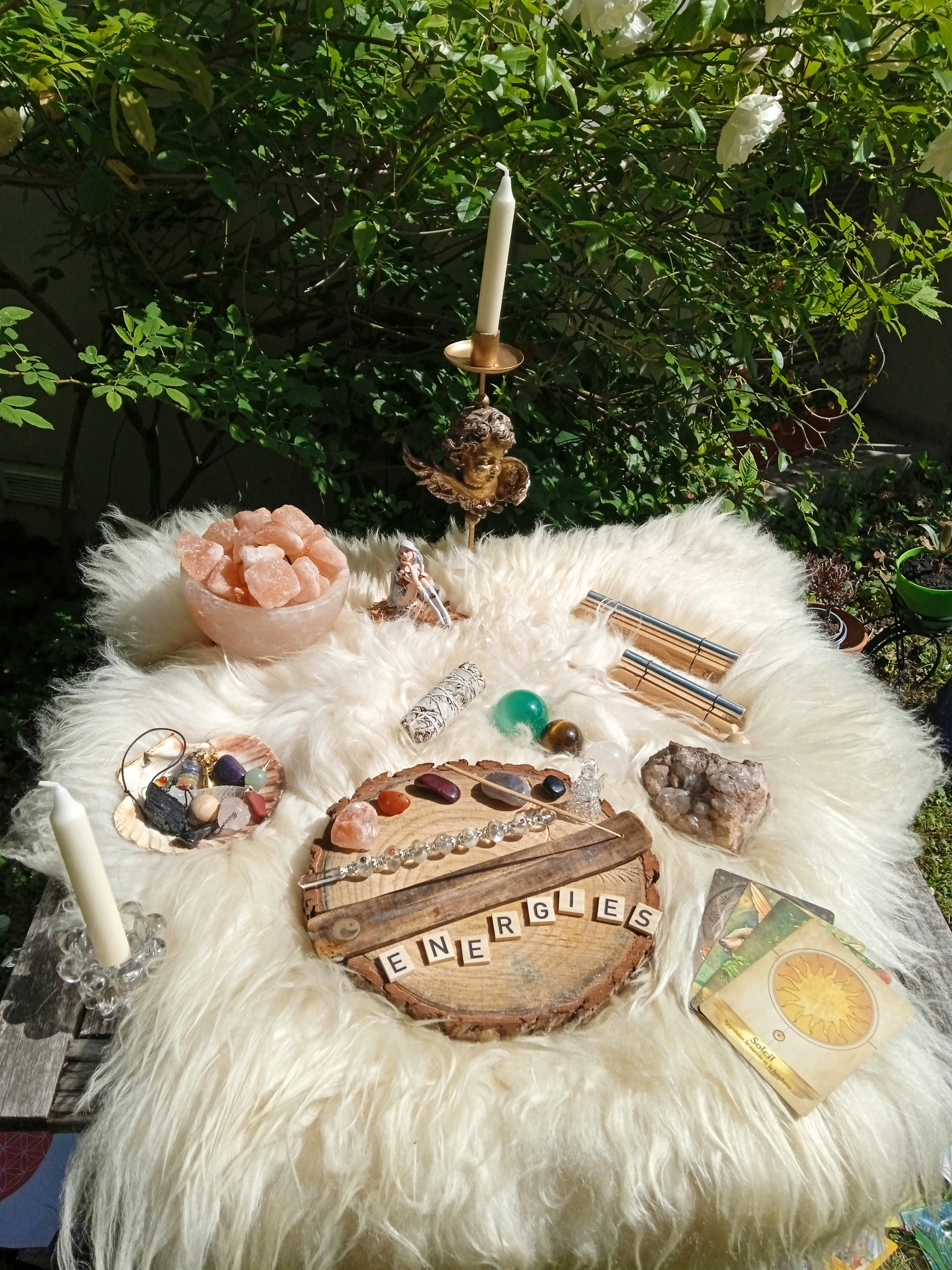
Spiritual healing encompasses a wide array of tools and techniques that practitioners can utilize to support their healing journeys. Each approach offers unique benefits, making it essential for individuals to explore and find what resonates with them. One of the most popular tools in spiritual healing is crystals. Crystals are believed to hold specific energies that can promote healing when used appropriately. For example, amethyst is often used for calming the mind and enhancing spiritual awareness, while rose quartz fosters emotional healing and love. Adopting crystals into one’s healing practice involves selecting stones that align with personal intentions and needs.
Herbal remedies also play a significant role in spiritual healing. Using herbs such as lavender, chamomile, and sage can not only provide physical benefits but also aid in emotional and spiritual balance. Many practitioners incorporate these herbs into teas, infusions, or even aromatic oils for inhalation or massage. Understanding the properties of different herbs and their uses is crucial for those looking to integrate herbal remedies into their spiritual practice.
Energy healing practices, such as Reiki, are prominent within the spiritual healing community. Reiki is a technique that encourages relaxation and healing through the channeling of energy. Practitioners use their hands to transfer energy, helping to restore balance to the recipient’s energy field. For individuals seeking to become spiritual healers, learning Reiki can be transformative, as it provides a structured method to facilitate healing.
Sound healing is another effective technique that employs sound vibrations to promote emotional and physical well-being. Instruments such as singing bowls, gongs, and tuning forks are commonly used in sound healing sessions. The vibrations can help in reducing stress and anxiety, creating a peaceful environment conducive to healing.
In summary, when choosing tools and techniques for spiritual healing, individuals should consider their personal preferences and specific healing needs. Whether through the use of crystals, herbal remedies, energy practices like Reiki, or sound healing, the key is to explore and understand each method’s potential benefits in enhancing one’s spiritual healing journey.
Building a Healing Practice
Establishing a spiritual healing practice requires careful consideration and planning to ensure that both the healer and the clients feel a sense of safety and trust. The first step in this process is to create a nurturing environment. This can be accomplished by selecting a quiet and peaceful location that promotes relaxation and reflection. Utilize soft lighting, calming scents, and comfortable seating arrangements to enhance the atmosphere. An inviting space encourages clients to open up and engage in the healing process, which is vital for a successful experience in spiritual healing.
Setting boundaries is another crucial aspect of developing a healing practice. Clear boundaries help maintain a professional relationship and protect the emotional wellbeing of both parties. It is essential to discuss and agree upon the duration and frequency of sessions, the types of healing modalities used, and the confidentiality of shared information. Additionally, communicate your own limits and policies regarding cancellations or emergencies. These discussions at the outset can help prevent misunderstandings and foster a respectful relationship.
Understanding client dynamics also plays a significant role in a thriving spiritual healing practice. Each client comes with unique backgrounds, beliefs, and emotional states, which may affect their openness to the healing process. Actively listening and being empathetic towards their concerns is critical in establishing rapport. As a healer, it is essential to approach each client holistically, paying attention not only to their spiritual needs but also to their mental and emotional health.
Furthermore, ethics should underpin every aspect of your practice. Adhering to ethical guidelines includes obtaining informed consent, maintaining confidentiality, and practicing integrity in all interactions. This ethical framework not only enhances your credibility but also fortifies the trust that clients place in you, ensuring a strong foundation for your spiritual healing practice.
Finding Your Niche as a Healer
In the ever-expanding field of spiritual healing, identifying a specific niche is crucial for both personal development and professional success. Spiritual healing can encompass various modalities, each with its unique approach and intended impact on individuals. By exploring different specializations, healers can carve out a path that resonates with their own experiences, beliefs, and healing styles.
One popular niche in spiritual healing is holistic health, which emphasizes the interconnectedness of the mind, body, and spirit. Practitioners often integrate various techniques, including energy work, herbal medicine, and nutritional counseling, to promote overall well-being. By working with clients in a holistic manner, healers guide them toward a balanced and harmonious state, addressing the root causes of their ailments rather than merely alleviating symptoms.
Another specialization worth considering is trauma recovery. Many individuals seek healing from past traumas that have negatively affected their lives. By focusing on this area, a spiritual healer can create a safe space for clients to process their experiences and emotions. Techniques such as guided meditation, breathwork, or energy clearing can facilitate healing and help clients reclaim their power.
Additionally, mediative healing is becoming increasingly popular as many individuals seek solace through mindfulness practices. Spiritual healers in this field may utilize meditation, visualization, or sound healing techniques to help clients achieve a state of inner peace and clarity. Understanding what resonates most with personal beliefs and skills, as well as assessing the needs of potential clients, are essential aspects of establishing a healing niche.
Ultimately, finding your niche as a spiritual healer involves introspection and exploration. By evaluating various specializations such as holistic health, trauma recovery, and mediative practices, you can identify the paths that align with your own healing journey, thus creating a fulfilling and impactful healing practice.
Marketing Yourself as a Healer
As a spiritual healer, effectively marketing yourself plays a crucial role in establishing your practice and reaching those who may benefit from your services. One of the foremost strategies includes leveraging networking opportunities within your community. Attend workshops, holistic fairs, or local wellness events to connect with like-minded individuals. Building relationships with other professionals, such as yoga instructors, therapists, or wellness coaches, can facilitate referrals and enhance your visibility in the healing community.
In addition to in-person networking, utilizing social media platforms is essential for reaching a broader audience. Create profiles on platforms like Instagram, Facebook, or LinkedIn, where you can share insights about your healing practices, testimonials from clients, and educational content that resonates with potential clients. Ensure that your content reflects your authentic self and aligns with your spiritual principles, as this authenticity will attract individuals who resonate with your approach. Crafting a narrative around your journey as a healer can also foster a strong connection with your audience.
Furthermore, consider offering free workshops or online webinars to introduce your healing methods to a wider audience. This approach not only showcases your expertise but also allows potential clients to experience your healing techniques firsthand. Stay true to who you are; overselling or employing aggressive marketing tactics can deter individuals looking for genuine guidance. Instead, focus on creating a supportive environment that encourages spiritual growth and healing. By combining these strategies—networking, social media engagement, and authenticity—successful marketing as a spiritual healer becomes a natural extension of your practice.
Continuing Personal and Professional Development
In the realm of spiritual healing, the journey of self-discovery and professional growth is ongoing and vital. As practitioners seek to enhance their skills and understanding, embracing lifelong learning becomes paramount. Continuous education in spiritual healing practices allows individuals to stay informed about the latest methodologies, theories, and techniques. This commitment to personal and professional development ensures that healers can provide the most effective support to their clients.
Workshops, seminars, and online courses offer valuable opportunities for spiritual healers to expand their knowledge base. Engaging with experts in various healing modalities can introduce practitioners to new perspectives and techniques that can enhance their own practice. Additionally, many spiritual traditions place a strong emphasis on the importance of experiential learning, which means that healers must also invest time in their own personal healing journeys. Through personal work and inner reflection, one can gain insights that significantly improve their service to clients.
Community engagement plays a crucial role in the development of a spiritual healer. By connecting with other healers, members can share experiences, ask questions, and provide mutual support. This collaborative environment fosters growth and allows practitioners to explore diverse approaches to spiritual healing. Participating in local healing circles, joining professional associations, or attending retreats can dramatically enrich one’s understanding and practice.
Ultimately, a spiritual healer’s effectiveness is deeply connected to their willingness to evolve. Commitment to ongoing learning, personal healing, and community involvement not only cultivates a deeper understanding of spiritual healing but also reinforces the capacity to assist others on their paths. By prioritizing continuous development, spiritual healers can truly maximize their impact and contribute positively to the well-being of those they serve.
Leave a Reply