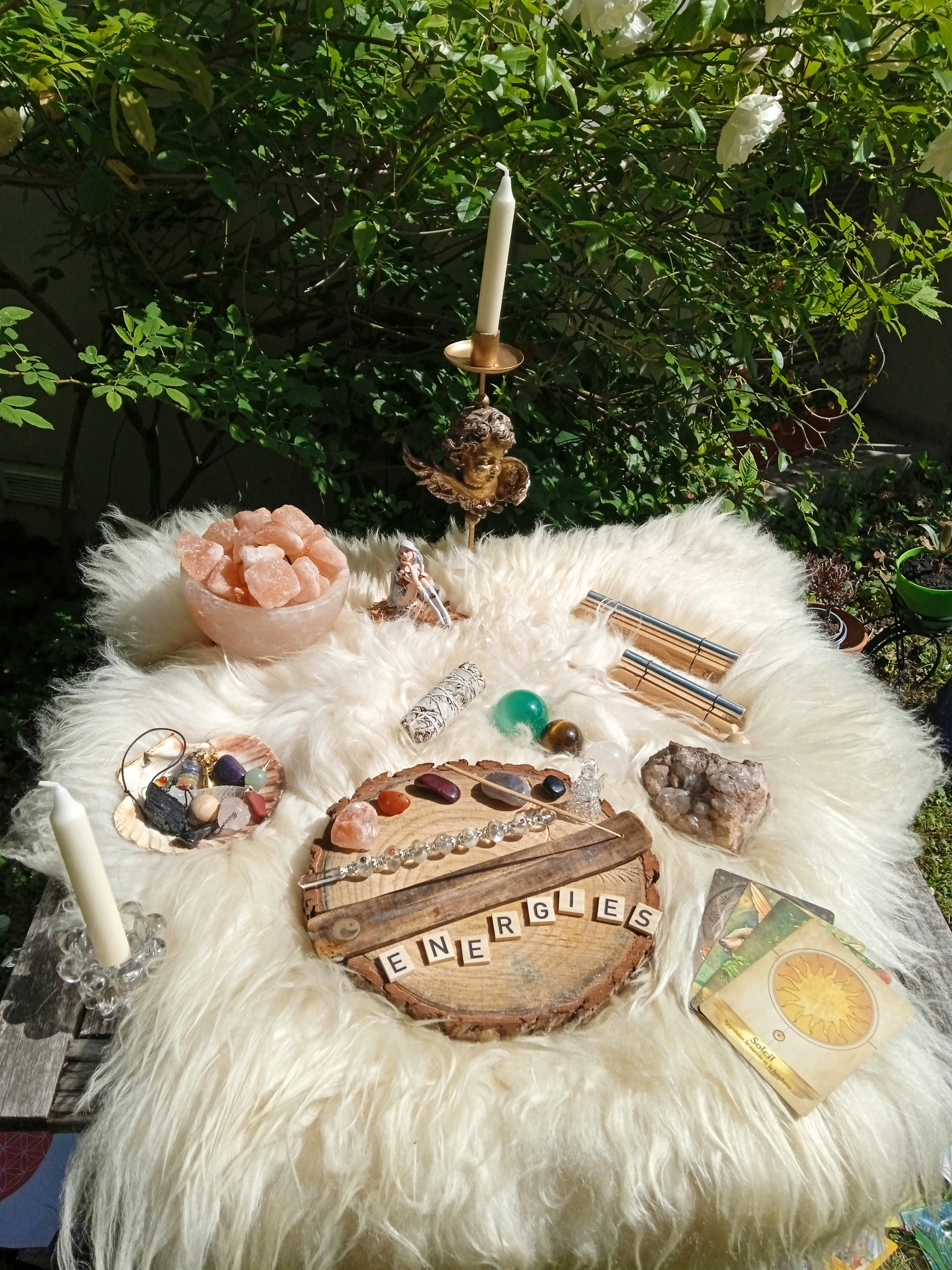
Introduction to Spiritual Healing
Spiritual healing is a broad term that encompasses various practices aimed at restoring balance and harmony to an individual’s life. At its core, spiritual healing emphasizes the interconnectedness of the mind, body, and spirit, considering that emotional and psychological issues can manifest as physical ailments. This holistic approach recognizes that healing is not merely a process of alleviating symptoms but involves fostering a deeper sense of well-being.
The significance of spiritual healing lies in its ability to address the root causes of distress or discomfort, rather than just treating the symptoms. Many individuals seek spiritual healers as a way to navigate life’s challenges, whether they stem from personal trauma, emotional turmoil, or simply a feeling of disconnection from oneself or the world at large. Healing practices often promote self-awareness and consciousness, allowing individuals to explore their innermost thoughts and feelings, and thereby foster personal growth.
Within the realm of spiritual healing, various methodologies exist, each with unique approaches and techniques. Some practitioners may utilize energy work, like Reiki or Qi Gong, to facilitate healing, while others may focus on meditative practices, shamanic journeys, or the use of herbs and crystals. Regardless of the method employed, the fundamental goal remains consistent: to guide individuals toward a state of balance and peace.
Additionally, the role of spiritual healing extends beyond personal well-being; it also plays a role in communal health. As individuals heal, they may contribute positively to their communities by radiating compassion, understanding, and support. Therefore, spiritual healing can be viewed as a transformative journey that benefits not only the individual but also their surroundings.
Shamanic Healers
Shamanic healing is a spiritual practice that has roots in various indigenous cultures around the world. Central to this practice is the figure of the shaman, a spiritual guide and healer who acts as a mediator between the physical world and the spiritual realm. Shamans are revered for their ability to connect with spirit guides, ancestors, and nature, utilizing their insights to promote healing in individuals experiencing physical, emotional, or spiritual distress.
One of the primary techniques employed by shamanic healers is journeying, a practice in which the shaman enters an altered state of consciousness, often through rhythmic drumming or chanting. This altered state allows the shaman to traverse different realms, where they can meet with spirit guides or archetypal figures. These guides offer insights, healing messages, and assistance related to the needs of the individual receiving healing. Journeying is integral to understanding the underlying causes of ailments that go beyond mere physical symptoms.
The connection to nature is another profound aspect of shamanic healing. Shamans often believe that every element of nature holds spirits with wisdom that can be harnessed for healing. This deep respect for the natural world informs their practices; shamans may conduct ceremonies outdoors, utilize natural remedies, or work with the cycles of the moon and seasons, recognizing how they impact physical and spiritual well-being.
There are numerous documented cases illustrating the effectiveness of shamanic healing. For instance, individuals suffering from long-term illnesses or mental health issues often report significant improvements after engaging in shamanic practices. These cases highlight the potential of shamanic healing to address not only the symptoms but also the spiritual and communal factors contributing to a person’s distress.
Energy Healers
Energy healing is a vast field encompassing various practices aimed at harmonizing and balancing the energy within the body. Among the most recognized forms of energy healing are Reiki, Pranic Healing, and Healing Touch, each with unique techniques and philosophical foundations.
Reiki, originating from Japan, is practiced by channeling universal life energy through the healer to the recipient. Practitioners utilize hand positions to transmit energy, helping to alleviate physical, emotional, and spiritual ailments. The fundamental principle of Reiki is that by clearing blockages in the body’s energy flow, individuals may experience relaxation and relief from stress and pain.
Pranic Healing, developed by Master Choa Kok Sui, focuses on manipulating the body’s energy field or aura. This technique involves sweeping away stagnant energy and introducing fresh, vital energy to the affected areas. Practitioners believe that diseases often derive from an imbalance or depletion of energy, and through Pranic Healing, this imbalance can be addressed, aiding in recovery and rejuvenation.
Healing Touch is another notable modality that incorporates gentle touch and intention to facilitate healing. It is based on the premise that the body’s energy system must be balanced for optimal health. Practitioners of Healing Touch use various techniques, including light touch and energy field assessment, to promote relaxation and healing, thereby enhancing the body’s innate ability to heal itself.
The benefits of these energy healing practices are numerous. Individuals report improved emotional well-being, decreased levels of stress, relief from chronic pain, and an increased sense of peace. Overall, energy healers contribute significantly to holistic health, affirming the vital connection between energy, physical health, and emotional balance.
Intuitive Healers
Intuitive healers possess a unique set of skills that allow them to tap into the energies and emotions of their clients. These practitioners employ psychic abilities to perceive information beyond ordinary understanding, facilitating insight and healing on a deep level. Their sensitivity enables them to detect blockages in the emotional or energetic fields of individuals, which can manifest as physical ailments or psychological distress.
The methods utilized by intuitive healers are diverse, often incorporating a variety of techniques tailored to the needs of their clients. Many intuitive healers start with a form of meditation or grounding exercise to connect with their own energy before engaging with the client. This practice helps them maintain clarity and focus, allowing their intuition to flow freely. Through tools such as tarot cards, crystals, or even pendulums, these healers can enhance their intuitive abilities, providing more profound insights into the client’s condition.
In addition to energy reading, intuitive healers may also engage in conversation with their clients, creating a safe space for emotional expression. This dialogue plays a crucial role in the healing process as it fosters trust and facilitates personal transformation. By acknowledging and validating their clients’ experiences, intuitive healers guide them to confront and release undesirable emotions or thoughts that no longer serve their well-being.
Ultimately, the role of intuition in healing lies in its capacity to transcend conventional methods. Intuitive healers not only assist in alleviating symptoms but also equip their clients with a deeper understanding of their inner selves. This holistic approach encourages sustainable personal growth and well-being, fostering a balanced state of mind and spirit.
Crystal Healers
Crystal healing is a holistic therapy that has been practiced for centuries in various cultures. Practitioners, known as crystal healers, utilize specific stones and crystals to promote physical, emotional, and spiritual well-being. The philosophy behind crystal healing is that different stones carry distinct energies and vibrations that resonate with the body and mind, facilitating healing and balance.
Each type of crystal is believed to possess unique metaphysical properties. For instance, amethyst is often associated with tranquility and spirituality, while rose quartz is renowned for its ability to cultivate love and compassion. Crystal healers select stones based on the specific needs of their clients, combining their properties to tailor a healing session effectively. The process might involve placing crystals on various energy centers, commonly known as chakras, or wearing them as jewelry to maintain a continual healing presence.
The practice typically begins with a consultation, where the healer assesses the client’s needs and any imbalances they may be experiencing. Following the assessment, the healer selects appropriate crystals and facilitates the healing process, often accompanied by meditation, visualization, or breathing techniques. This holistic approach aims to clear blockages and promote the flow of positive energy throughout the individual.
Moreover, the effectiveness of crystal healing is often experienced subjectively, as clients report feelings of relaxation, increased clarity, and emotional release during and after sessions. While scientific evidence on the efficacy of crystal healing remains limited, the anecdotal experiences of countless individuals underscore its role in complementary wellness practices.
Sound Healers
Sound healing is an ancient practice that utilizes the vibrational frequencies of sound to promote wellness in both the body and mind. Various instruments, such as singing bowls, tuning forks, and even the human voice through chanting, serve as vital components in the sound healing process. These instruments help create specific tones that can influence a person’s energy fields, leading to profound changes in their emotional, mental, and physical states.
Singing bowls, for instance, are traditionally made from a mixture of metals and are played by striking or rubbing the bowl’s rim with a mallet. The sound produced resonates at unique frequencies that can help reduce stress and promote a deep sense of relaxation. This deep relaxation allows the body to release tension and emotional blockages, creating a more conducive environment for healing.
Tuning forks introduce precise sets of frequencies into the healing space. When placed on specific points of the body or around energy centers, they can help align and balance the individual’s energy systems. The vibrations generated by these forks have been shown to elicit a positive response in healing sessions by enhancing clarity and emotional well-being.
Chanting, another form of sound healing, utilizes the power of the human voice to produce specific sounds or mantras. This practice not only fosters a connection to one’s inner self but also helps elevate consciousness and bring about emotional release. The resonance created through chanting can change one’s energetic state, making it an effective tool for personal transformation.
Overall, sound healing practices serve as a powerful modality for those seeking holistic healing approaches. By integrating sound vibrations into the healing process, individuals can experience profound shifts in their well-being, promoting relaxation and facilitating healing on multiple levels.
Holistic Healers
Holistic healers operate on the principle that optimal health and well-being emerge from a harmonious balance of the mind, body, and spirit. This multifaceted approach is rooted in the belief that every individual possesses a unique set of physical, emotional, and spiritual needs. Holistic healing practices integrate various modalities, such as herbalism, aromatherapy, nutrition, and counseling, to foster this balance. By acknowledging the interconnectedness of these elements, holistic healers aim to treat the underlying causes of ailments rather than merely addressing their symptoms.
Herbalism, a key component of holistic healing, involves the use of plants and natural substances to promote well-being. Practitioners may recommend specific herbs or herbal formulations tailored to an individual’s condition, ensuring a personalized approach to healing. Similarly, aromatherapy utilizes essential oils derived from plants to enhance emotional and physical health. This method often aids in reducing stress, alleviating pain, and improving overall mood, creating a comprehensive treatment plan for the individual.
Counseling plays a vital role in holistic healing, as mental and emotional health is just as important as physical health. Holistic healers often encourage clients to explore their emotions, address past traumas, and foster positive thinking patterns. This therapeutic dialogue not only empowers individuals but also paves the way for greater self-awareness and personal growth.
Ultimately, the philosophy of holistic healing seeks to treat the whole person. It emphasizes the significance of nurturing the mind, body, and spirit simultaneously. By doing so, holistic healers provide a more effective and enduring path toward health and wellness, allowing individuals to thrive in every aspect of their lives.
Meditation and Mindfulness Guides
Meditation and mindfulness practices play a pivotal role in spiritual healing, offering individuals a path to self-discovery and inner peace. Guides in this domain help facilitate experiences that lead to stress reduction, enhanced awareness, and spiritual growth. Through various techniques, these guides assist practitioners in cultivating a deeper understanding of themselves and the world around them.
One popular technique is focused meditation, which involves concentrating on a specific object, thought, or sound to enhance present-moment awareness. This method not only aids in stress relief but also promotes mental clarity, enabling individuals to navigate their thoughts more effectively. Additionally, many guides incorporate guided imagery in their sessions, leading individuals through visualizations that evoke a peaceful state of mind and foster emotional healing.
Mindfulness practices, including mindful breathing and body scans, are also common strategies employed by meditation teachers. Mindful breathing encourages practitioners to pay attention to their breath, which can significantly reduce anxiety and improve emotional regulation. Body scans, on the other hand, involve mentally scanning one’s body for tension or discomfort, promoting an enhanced connection to physical sensations and emotional responses. These techniques collectively enhance self-awareness and foster a greater sense of well-being.
The effectiveness of meditation and mindfulness as spiritual healing practices is supported by numerous studies that demonstrate their aptitude in reducing stress and anxiety levels. Through consistent practice, individuals often experience an improved ability to manage stressors, resulting in heightened emotional resilience. Moreover, as participants engage more deeply in these practices, a natural progression toward personal development and spiritual growth emerges, allowing for a more profound connection to their inner selves.
Conclusion and Reflection
In exploring the various types of spiritual healers, we have come across a rich tapestry of practices that offer pathways to healing on both personal and collective levels. From energy healers who manipulate the unseen energy fields, to traditional doctors of the soul who integrate ancient wisdom with modern techniques, each healer carries unique tools and methods. This diversity is not merely a collection of individual practices; it signifies the multifaceted nature of healing itself.
Each approach has its strengths and is best suited for different individuals and situations. For example, while some may find solace and support through the rituals of a shamanic practitioner, others might resonate more deeply with the subtle energies addressed by a Reiki master. Understanding the variety of options available encourages individuals to explore and reflect on their own spiritual journeys. This personal exploration can lead to profound insights and healing experiences, nurturing the soul and fostering a sense of connection to the broader universe.
It is crucial for individuals to find the right spiritual healer who aligns with their unique needs and desires. This alignment enhances the potential for effective healing, as the relationship between healer and client is often foundational for transformative outcomes. As you reflect upon the different types of spiritual healers, consider what resonates with you. Each journey is personal, and thus finding one’s own path through spiritual healing can significantly impact overall well-being.
By embracing the inherent diversity within spiritual practices, we open ourselves to a broader understanding of healing. Exploring these avenues can empower individuals to take charge of their spiritual health, fostering resilience and growth on their respective paths.
Leave a Reply