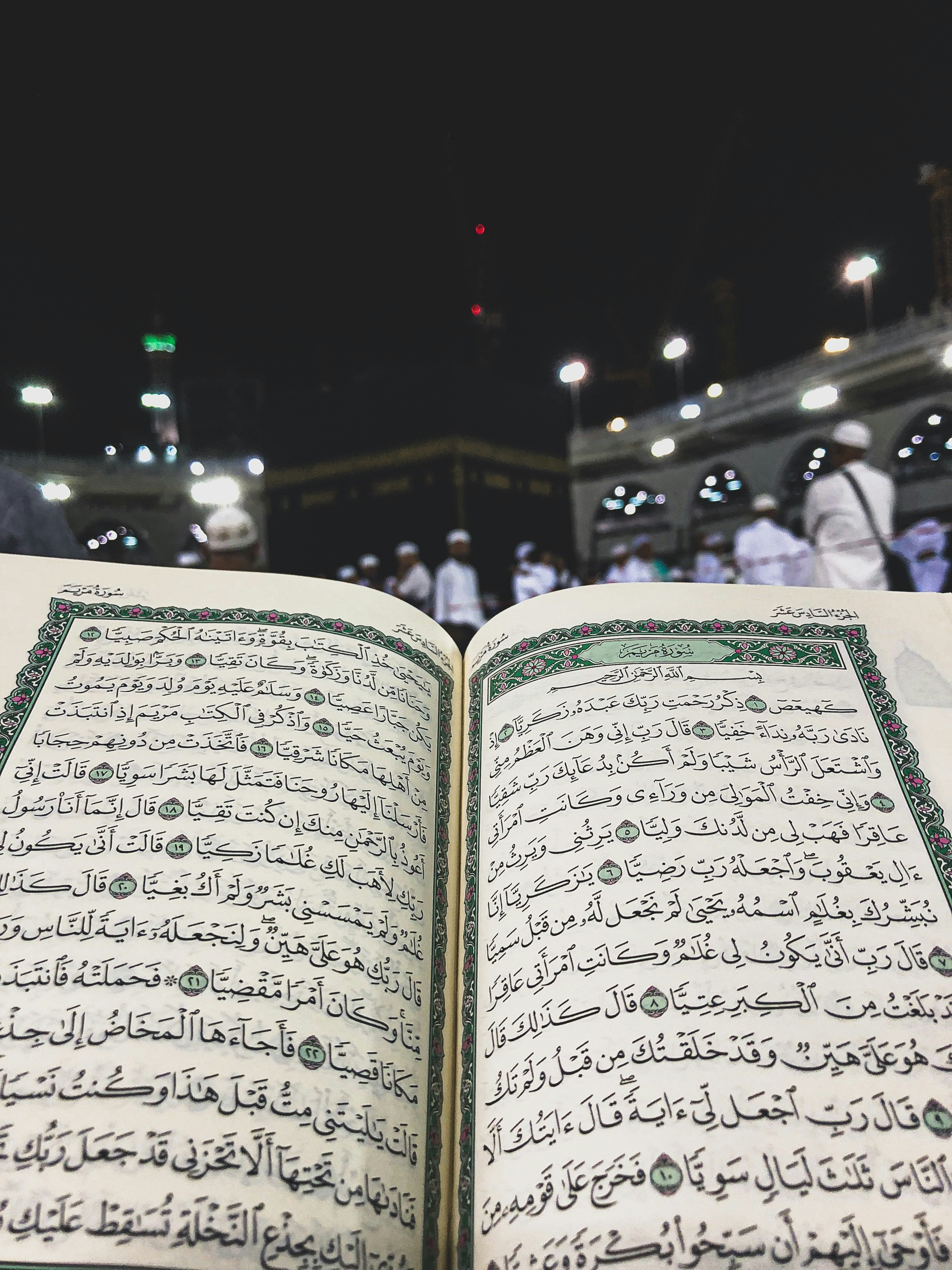
Understanding Ruqyah: An Overview
Ruqyah refers to a practice in Islamic tradition that involves the recitation of specific verses from the Quran and supplications, known as Duas, to seek protection and healing from spiritual afflictions. This method is deeply rooted in Islamic teachings and is often employed to combat various issues, including black magic, evil eye, and jinn possession. The word ‘Ruqyah’ itself comes from the Arabic root ‘raqa’, which means to recite, and it highlights the important role of speech in the process of spiritual healing.
The historical origins of Ruqyah can be traced back to the time of the Prophet Muhammad (peace be upon him), who practiced and endorsed this method to protect his followers from harmful entities. In various Hadiths, the Prophet is reported to have used Quranic verses to treat individuals experiencing spiritual maladies. This traditional practice continues today, with many Muslims turning to Ruqyah for spiritual relief and well-being. The efficacy of Ruqyah in healing is often linked to the belief in the power of God’s words, as it is thought that these recitations can invoke divine assistance against malevolent forces.
Traditionally, Ruqyah is performed by a qualified practitioner or a family member who has knowledge of the Quran and its recitation. During the practice, the individual seeking healing may sit or lie down while the Ruqyah is being recited over them. The verses recited are believed to create a protective barrier, safeguarding the individual from black magic and other spiritual harms. This practice is not only seen as a method of healing but also as a means of attaining peace of mind and spiritual strength, reinforcing the importance of faith and divine reliance in the journey towards wellness.
What is Black Magic?
Black magic, often associated with malevolent intentions, refers to the use of supernatural powers or magic for evil and selfish purposes. Traditionally, it is distinguished from white magic, which is practiced for benevolent reasons. The term itself has varied interpretations across different cultures and historical contexts, but in general, black magic is perceived as a force that can cause harm or manipulate others.
The historical roots of black magic can be traced back to ancient civilizations, where it was believed that certain individuals could harness dark forces for personal gain. In many cultures, witches and sorcerers were thought to possess the ability to invoke spirits or use rituals to inflict curses or ailments upon others. The ramifications of practicing black magic have often extended beyond individual practitioners, affecting entire communities and leading to widespread fear or even persecution.
The perceptions of black magic differ substantially across cultures. For example, in some African traditions, black magic is deeply intertwined with ancestral worship and can be seen as a method for tightening community bonds or avenging wrongs. Conversely, in Western societies, black magic is frequently linked to negative stereotypes, such as witchcraft, where practitioners were historically ostracized or persecuted. Regardless of the cultural context, the effects of black magic can be profound, often resulting in psychological distress and social disruption for those believed to be under its influence.
Moreover, individuals who believe they are afflicted by black magic may experience physical and emotional symptoms ranging from anxiety and depression to unexplained ailments. In many societies, the fear of black magic can lead to social stigma and tension, as communities grapple with their beliefs and experiences related to supernatural influences.
The Beliefs Surrounding Ruqyah and Black Magic
In Islamic tradition, the concept of black magic, or sihr, is taken seriously, with both historical and theological implications. Islamic teachings suggest that black magic exists and can negatively affect individuals physically and spiritually. As such, many Muslims believe that black magic can manifest in various ailments or misfortunes, prompting the need for protective measures. This is where Ruqyah, the act of reciting specific verses from the Quran for healing and protection, comes into play.
Ruqyah is grounded in the teachings of the Quran and Sunnah, where it is explicitly stated that Allah has bestowed upon humanity the means to seek refuge and healing. Believers understand Ruqyah as a spiritual intervention to counteract the negative influences of black magic. This belief is reinforced by various hadiths that highlight the Prophet Muhammad’s practices and endorsements of reciting specific verses for protection against malicious forces.
Furthermore, the efficacy of Ruqyah is widely discussed in Islamic scholarly circles. Many theologians argue that the reliance on Ruqyah hinges upon faith, sincerity, and the intention behind the recitation. It is believed that the performance of Ruqyah should not only be viewed as a ritualistic recitation but rather an act of deep faith in God’s power to heal and protect. The simple act of seeking Ruqyah often provides not just spiritual relief but also emotional comfort to those afflicted.
In addition, some communities acknowledge that the psychological impact of Ruqyah can play a crucial role in its effectiveness against black magic. The belief in the power of Ruqyah may offer a sense of hope and resilience, which can assist individuals in coping with the perceived effects of sihr. Thus, the interrelation between belief, intention, and the act of reciting Ruqyah signifies a comprehensive approach within Islamic thought to combat spiritual afflictions attributed to black magic.
How Ruqyah is Practiced as a Cure for Black Magic
Ruqyah, an Islamic healing practice based on recitations from the Quran, is often employed to counteract the effects of black magic. The method involves a series of specific verses, prayers, and rituals that Islamic practitioners believe hold power to expel negative influences. To effectively perform Ruqyah, one must first maintain intention and seek refuge in Allah, fostering a sincere belief in the healing properties of the sacred texts.
The recitation typically begins with the recitation of Surah Al-Fatiha, which is considered one of the most powerful surahs in the Quran. Following this, several other verses are recited, including Ayat Al-Kursi (Surah Al-Baqarah, 2:255) and the last two verses of Surah Al-Baqarah (2:285-286). These verses are believed to invoke protection and divine mercy, helping to shield individuals from harm caused by black magic.
Another often-recited chapter is Surah Al-Ikhlas, which emphasizes the oneness of Allah. This surah is linked with the concept of Tawhid, reinforcing the practitioner’s faith and the intent to seek help solely from Allah. Additionally, practitioners may recite Surah Al-Falaq and Surah An-Nas, which serve as powerful supplications against all forms of evil, including that caused by black magic.
Ruqyah can also include the use of olive oil infused with Quranic verses, which is then applied to the body or used in water for drinking and bathing. This blend of physical and spiritual cleansing is believed to maximize the effectiveness of the recitations. It is vital for users of Ruqyah to ensure that the reciter possesses sound knowledge and understanding of Islamic principles and adheres to the appropriate ethical and spiritual guidelines to avoid misapplication.
Testimonies and Experiences: Success Stories of Ruqyah
Throughout history, numerous individuals have reported their experiences with Ruqyah as a means of healing from the effects of black magic. These testimonials often shed light on the profound impact that spiritual healing practices can have on individuals seeking relief from unexplained ailments or distressing situations believed to be caused by supernatural influences.
One compelling account comes from Sarah, a young woman who had been suffering from sudden and severe anxiety, which she attributed to black magic. After seeking help from a spiritual healer, she was introduced to Ruqyah. Through regular sessions that involved the recitation of specific verses from the Quran, Sarah noted a significant decrease in her anxiety levels. Over the course of several weeks, she reported feeling a sense of peace and clarity that she had not experienced previously. The healing effects of the recitations seemed to align with her emotional state, allowing her to regain control over her life.
Similarly, Mohammed, a middle-aged man, described how he faced unexplained financial difficulties after moving to a new home. A friend suggested that he might be a victim of black magic, prompting him to explore Ruqyah. After participating in a series of sessions, he felt an overwhelming sense of relief as his circumstances started to improve. Mohammed attributes his recovery to the focused prayers and determination to rid himself of negative influences, stating that the prayers not only helped with his financial issues but also restored peace to his family life.
These narratives illustrate the potency of Ruqyah as a spiritual approach for those who feel burdened by the effects of black magic. While individual experiences may vary, many find solace and hope through these spiritual practices, often crediting Ruqyah as a significant catalyst for their recovery and well-being.
Scientific Perspective: Examining the Efficacy of Ruqyah
The practice of Ruqyah involves the recitation of specific verses from the Quran and supplications aimed at curing various ailments, including those believed to be caused by black magic. While Ruqyah is deeply rooted in cultural and religious contexts, its efficacy can be viewed through a scientific lens by examining both psychological and physiological factors that may contribute to its perceived effects.
From a psychological standpoint, the placebo effect plays a significant role in the efficacy of many alternative therapies, including Ruqyah. The belief in the treatment’s power can lead individuals to experience real changes in their condition, driven by their expectations and faith in the process. When individuals are reassured that they are undergoing a healing process, their mental state often shifts, potentially alleviating symptoms attributable to stress or anxiety. This phenomenon highlights the importance of belief in therapeutic outcomes.
Moreover, the mental health implications of engaging in Ruqyah cannot be overlooked. For individuals experiencing psychological distress believed to stem from black magic, participating in Ruqyah can offer a sense of relief and validation. This ritualistic approach may help in fostering a support system within the community, thereby enhancing emotional well-being. The social interaction inherent in such practices can impede social isolation, further contributing to an improved mental state.
Additionally, certain reported experiences among believers may have rational explanations grounded in psychological concepts. Symptoms associated with black magic, such as anxiety or lethargy, may mimic those of various mental health disorders, emphasizing the need for careful differential diagnosis. Thus, while the practice of Ruqyah might yield certain psychological benefits for some, it is vital to combine such traditional practices with evidence-based medical approaches for comprehensive care.
Debunking Myths: Misconceptions About Ruqyah and Black Magic
Ruqyah, a form of spiritual healing in Islamic tradition, is often surrounded by various misconceptions, particularly regarding its effectiveness against black magic. One prevalent myth is that Ruqyah can be performed indiscriminately, without any knowledge or adherence to proper practices. In reality, Ruqyah requires specific recitations and intentions and should ideally be performed by someone knowledgeable in the Islamic faith. The absence of these guidelines can lead to ineffective or even harmful practices.
Another common belief is that Ruqyah can resolve all issues related to black magic. While Ruqyah has been shown to provide relief for those afflicted by negative energies or malevolent forces, it is not a guaranteed solution for every instance of black magic. Many factors contribute to the effectiveness of Ruqyah, including the individual’s faith, the severity of the affliction, and the authenticity of the recitations. Understanding this reality helps set realistic expectations for those seeking help.
Furthermore, there is a misconception that only religious leaders or scholars can perform Ruqyah. While their experience may enhance the process, anyone with a sincere intention and correct knowledge of the Quranic verses can conduct Ruqyah. This democratization of the practice allows individuals to seek assistance in a manner aligned with their beliefs and comfort levels.
It is also important to address the idea that Ruqyah can act as an absolute cure without any additional effort on the part of the afflicted. A proactive approach, including seeking medical or psychological help when needed, is essential. Ruqyah may serve as a complementary practice but should not be viewed as a standalone solution. Conclusively, separating myth from fact can empower individuals to seek appropriate help while understanding the role Ruqyah plays in the context of black magic.
When to Seek Professional Help
In addressing issues believed to be linked to black magic or spiritual afflictions, individuals commonly turn to Ruqyah, a form of spiritual healing rooted in Islamic tradition. However, it is essential to critically assess the situation and consider whether professional psychological or medical assistance is more appropriate.
Ruqyah often involves the recitation of verses from the Quran and supplications, aimed at seeking relief from negative influences. Many individuals report feeling a sense of comfort and spiritual upliftment through these practices. Yet, it is crucial to recognize the boundaries where spiritual intervention may not suffice. When symptoms such as anxiety, depression, or persistent changes in behavior adversely affect one’s daily functioning, seeking the help of a licensed mental health professional is imperative.
Additionally, physical ailments or sudden changes in health that coincide with the belief in magical influences should prompt a comprehensive medical evaluation. Professionals in the medical field are equipped to diagnose and treat conditions that may manifest as psychological or physical symptoms. Conditions such as stress, anxiety disorders, or even hormonal imbalances can often be mistaken for spiritual issues when in fact, they require a medical approach.
It is recommended that individuals take a holistic approach to their well-being, ensuring they do not overlook potential mental health concerns or neglect necessary medical treatment in favor of solely relying on Ruqyah. In this context, the best course of action may involve combining both spiritual practices and professional health care, thereby addressing issues from multiple angles. Ultimately, one’s mental and physical health should take precedence, and recognizing the importance of seeking professional help can lead to more effective resolution of the distress experienced by the individual.
Conclusion: The Spiritual and Psychological Aspects of Ruqyah
Ruqyah, the practice of reciting specific verses from the Qur’an and supplications for protection and healing, plays a significant role in addressing various ailments, including the perceived effects of black magic. This traditional Islamic practice is rooted in the belief that spiritual interventions can alleviate suffering caused by malevolent forces. Throughout the discussion, it has become evident that Ruqyah serves not only a spiritual purpose but also offers psychological comfort to those who seek relief from the distress attributed to black magic.
From a spiritual perspective, believers find solace in the recitation of sacred texts, often experiencing a sense of hope and empowerment. The use of Ruqyah fosters a spiritual connection that is deemed crucial in combating the negative influences purportedly associated with black magic. The practice is imbued with faith, making it a vital tool for many individuals seeking to reclaim their well-being.
Moreover, the psychological dimensions of Ruqyah cannot be overlooked. Individuals experiencing fear or anxiety related to the idea of black magic may find reassurance in the structured rituals of Ruqyah. These rituals provide a framework for dealing with their experiences, helping to alleviate feelings of helplessness and fostering a sense of control. Such psychological support can be crucial, as many may not only believe they are victims of supernatural forces but also contend with the realities of stress and anxiety in their daily lives. Therefore, the act of engaging in Ruqyah is often seen as a therapeutic tool that addresses both spiritual and emotional needs.
In summary, Ruqyah represents a multifaceted approach to dealing with the complexities of black magic. It encompasses spiritual beliefs alongside psychological healing, forming a comprehensive method that respects the diversity of cultural practices and personal convictions in coping with adversities. Ultimately, fostering an understanding and respect for various belief systems is essential as we navigate these intricate topics.
Leave a Reply