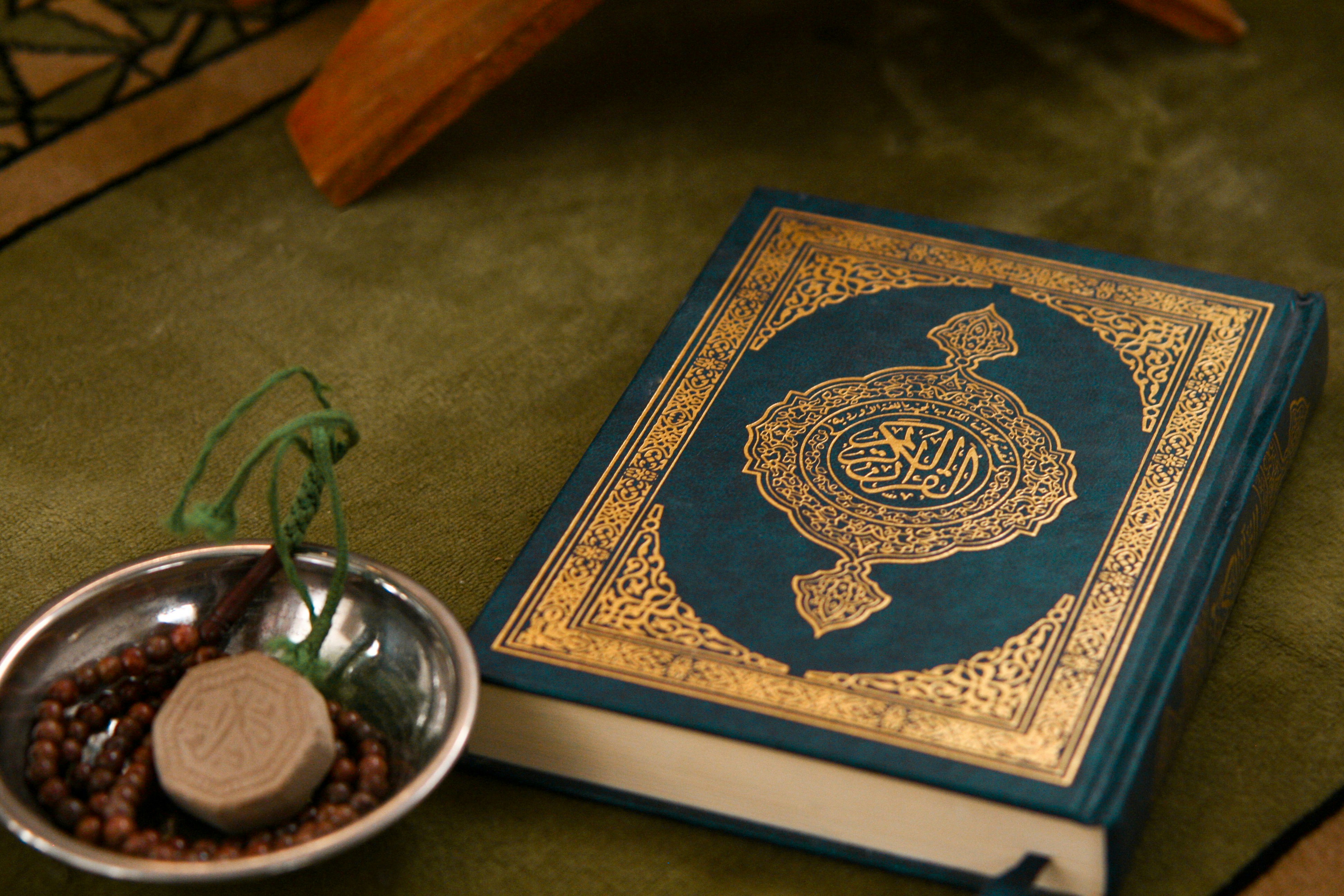
Introduction to Magic in Islam
Magic, known as sihr in Arabic, has been referenced in various historical and cultural contexts within Islamic society. It is essential to understand how it is viewed within the framework of Islamic teachings and jurisprudence. In Islam, magic is generally defined as the art of influencing or controlling natural phenomena through supernatural means. This practice is often considered to involve the invocation of jinn, spirits, or other entities that do not align with the teachings of Islam.
The Qur’an explicitly prohibits magic, categorizing it as a form of unlawful activity that can lead individuals away from the righteous path. The relevance of magic in Islamic societies can be traced back through centuries, where it has been discussed in theological texts, jurisprudential writings, and historical anecdotes, reflecting concern over its implications on faith and community well-being.
From an Islamic jurisprudential standpoint, sihr is heavily condemned and associated with disbelief—kufr. The scholars highlight that engagement with magic is an affront to the monotheistic beliefs central to Islam. Furthermore, such practices can invite dire consequences, both in this life and the hereafter, reinforcing the idea that seeking protection from such influences is crucial for maintaining one’s faith.
Throughout Islamic history, magic has also been tied to local superstitions and traditional practices, leading to mixed perceptions among different cultures. Negative portrayals of magic persist, often emphasizing the dangers posed by those who might exploit it for personal gain. Thus, a comprehensive understanding of magic within Islam requires exploring its religious, ethical, and cultural dimensions, paving the way for deeper analysis in subsequent sections.
Types of Magic Recognized in Islam
In Islamic tradition, magic is often understood through various categories that are significant in terms of their moral implications and spiritual consequences. The most commonly recognized types of magic within this context include white magic, black magic, and sorcery. Each of these categories carries distinct meanings and associations which are critical to comprehend for a holistic understanding.
White magic is generally perceived as the practice that seeks to invoke benevolent forces to bring about positive outcomes. It is often associated with healing, protection, and blessings, aiming to serve the greater good. While some scholars might view certain practices under this umbrella as acceptable, it is important to note that the majority consensus among Islamic teachings argues that all forms of magic can involve invoking supernatural powers which, in essence, may diverge from the teachings of Islam.
In contrast, black magic is explicitly condemned within Islamic jurisprudence. This form of magic is associated with malevolent intentions, attempting to harm others or manipulate events through diabolical means. It is often linked with the collaboration of jinn, and practitioners of black magic are seen as diverging from the path of righteousness. Various scholars have warned against engaging with or even entertaining such practices, emphasizing the severe consequences both in this life and the hereafter.
Sorcery, which is sometimes considered a subset of black magic, involves more complex spells and rituals aimed at influencing individuals’ minds or behaviors. Islamic teachings maintain a clear stance against sorcery, emphasizing that it provokes mistrust and leads individuals away from faith and reliance on Allah. Understanding these distinctions is essential for Muslims who wish to navigate the complexities of magic in accordance with their faith.
The Qur’an and Hadith’s Perspectives on Magic
Magic, as addressed in Islamic scripture, is viewed with considerable severity. The Qur’an contains several verses that directly reference magic, delineating it as a practice that is gravely frowned upon. For instance, Surah Al-Baqarah (2:102) discusses the story of Harut and Marut, two angels sent to test human beings by teaching them magic. The verse illustrates that such knowledge leads people away from Allah’s guidance, indicating the destructive potential of magic in moral and spiritual contexts.
In addition to the Qur’an, the Hadith literature further reinforces the negative perspective on magic. Sayings of the Prophet Muhammad (peace be upon him) often enumerate magic among the major sins. One authentic Hadith states, “Whoever comes to a fortune-teller or a magician and believes in what he says has indeed disbelieved in what was revealed to Muhammad.” This clearly emphasizes the serious implications of engaging with magical practices, highlighting a strong theological stance against them.
Scholars have extensively interpreted these texts, cautioning against not only the practice of magic but also against the mere belief in it. Commentaries often cite that magic undermines the fundamental tenet of Tawheed, the oneness of God, by suggesting that there exist other forces which can influence outcomes apart from Allah. Consequently, many Islamic scholars advocate for abstaining from any association with magic, including seeking its knowledge or employing its methods.
In light of the Qur’an and Hadith, it becomes evident that Islam maintains a clear and firm stand against magic. Such practices are not merely discouraged; they are outright condemned, reiterating the importance of faith in Allah and His divine will as the only paths to guidance and support. Magic, therefore, holds no place within the realm of acceptable behavior for a practicing Muslim.
The Views of Islamic Scholars on Magic
The discourse surrounding magic in Islam has a rich and complex history, shaped by the diverse interpretations of scholars from various branches of the faith. Historically, Islamic scholars have had differing opinions on the subject, reflecting the multifaceted nature of Islamic jurisprudence and theology.
Scholars from the Sunni tradition, particularly those adhering to the major schools of thought, have largely viewed magic as a form of sorcery that contradicts the tenets of monotheism. This perspective is founded on the belief that engaging in magic, whether for benign or malevolent purposes, can lead to a rupture in one’s relationship with God. Prominent Sunni scholars like Al-Ghazali characterized magic as a serious threat, often associating it with sinful behavior that could result in grave consequences in the hereafter.
In contrast, Shia scholars tend to have a more nuanced understanding of magic. While still condemning harmful practices, some Shia scholars acknowledge the existence of beneficial forms of magic, such as the use of charms or amulets for protection. This distinction highlights a key divergence within Shia thought: a willingness to consider the contextual and situational morality of magical practices. For instance, the influential Shia scholar Allameh Tabatabai emphasized the importance of intention behind such practices, suggesting that if magic is used for righteous goals, it may not necessarily be deemed sinful.
Furthermore, the modern discourse on magic within Islam has expanded to address contemporary issues, such as the role of superstition and the impact of cultural traditions. Many scholars advocate for a return to a strictly theological interpretation of magic, urging followers to ground their beliefs and practices in Qur’anic teachings rather than cultural superstitions.
The Prohibition of Magic in Islamic Law
The treatment of magic within Islamic law, known as Sharia, is rooted in the religious tenets of Islam, which categorically prohibit the practice of magic and sorcery. Scholars draw upon both the Qur’an and Hadith — the sayings and actions of the Prophet Muhammad — to underline the severity of engaging in such practices. The practice of magic is considered a grave sin, often equated with shirk, or the sin of associating partners with God, which is seen as one of the most serious offenses in Islam.
Various verses in the Qur’an explicitly denounce magic, notably in Surah Al-Baqarah (2:102), which discusses the deeds of two angels sent to mislead people through magical arts. This divine disapproval forms the basis for the legal framework governing magic. Islamic jurisprudence, derived from scripture and the benefits of extensive scholarly interpretation, asserts that practicing magic can lead to severe consequences both in this world and the hereafter.
In practical terms, the legal consequences for those found guilty of practicing magic vary across different Islamic societies. Some jurisdictions impose fines, imprisonment, or even harsh physical punishments, reflecting the gravity of the offense. The interpretation of these laws, however, can differ substantially, influenced by cultural, historical, or local perspectives. In some regions, magic may be approached more as a cultural phenomenon, while in others, it is treated strictly as a legal violation warranting punishment. Furthermore, Islamic scholars advocate for a theological rationale behind these prohibitions, suggesting that engaging in magic contravenes the reliance on Allah’s will and omnipotence, hence fostering societal discord.
It is essential to understand these legal provisions within the context of broader Islamic teachings, which emphasize justice, morality, and the well-being of the community, as they shape attitudes and responses to magic and its practitioners in contemporary Islamic societies.
The Influence of Magic in Muslim Societies
The concept of magic has historically played a significant role in the cultural and social fabric of Muslim societies. Throughout the ages, the belief in magic has manifested in various forms, influencing everyday practices, social dynamics, and even legal frameworks. In many communities, magic was often viewed as a tool that could be harnessed for both good and ill, leading to complex societal norms surrounding its acceptance and practice.
In traditional Islamic culture, beliefs in magical practices were often intertwined with local customs and practices, leading to the emergence of a distinct cultural identity that included elements of folk magic. These practices were frequently observed in rituals, healing, and protective measures, showcasing a blend of Islamic faith with pre-existing local beliefs. As a result, magic became a lens through which social interactions were contextualized, with individuals sometimes consulting practitioners for solutions to personal dilemmas or communal issues.
However, the presence of magic in Muslim societies also brought about a spectrum of responses. On one hand, accusations of engaging in magic could lead to severe repercussions, including legal action. Islamic law has historically seen magic as a serious offense, considering it a violation of monotheistic principles. Consequently, states and religious authorities in various regions often enacted laws to regulate or suppress magical practices, reflecting a desire to uphold the purity of the faith.
On the other hand, there have also been instances where the accused have received protection from the community, as often the allegations of witchcraft or magic could stem from personal vendettas or social tensions. This dichotomy reveals a nuanced perspective: while magic could be condemned, the motivations behind accusations and the belief in magic itself were deeply rooted in the complexities of interpersonal relationships within the community.
Exorcism and the Cure for Magic in Islam
In Islamic tradition, the treatment of individuals believed to be suffering from the effects of magic is often approached through the practice of exorcism, known as Ruqyah. This spiritual healing method relies on the recitation of specific verses from the Quran and supplications to seek protection and relief from malevolent forces. Ruqyah is considered a vital tool for purifying an afflicted person and restoring their spiritual well-being.
The process of Ruqyah typically involves a qualified religious leader, often referred to as a healer or muqri, who is well-versed in the Islamic texts and possesses a strong faith. The healer recites verses from the Quran with the intention of invoking Allah’s mercy and assistance. The emphasis is placed on sincerity and the belief that true healing comes from Allah alone. The atmosphere during a Ruqyah session is usually calming, as it aims to provide comfort and reassurance to the afflicted individual.
Besides Ruqyah, there are various other spiritual practices in Islam that can assist in combating the effects of magic. These may include regular prayer (Salah), engaging in remembrance of Allah (Dhikr), and seeking forgiveness through repentance (Tawbah). Such practices are believed to strengthen an individual’s faith and spiritual resilience, which can be crucial in overcoming magical afflictions.
Furthermore, community support plays a significant role in the healing process. Family members and friends often engage in collective prayers and acts of kindness to help the affected individual recover. The involvement of the community underscores the importance of solidarity in spiritual healing and serves as a reminder that health issues—whether physical or spiritual—are often best addressed together.
Modern Interpretations and Challenges
The treatment of magic in Islam has undergone significant reinterpretation in the modern context, influenced by the forces of modernization and secularism. Traditionally, magic is viewed within Islamic tenets as a practice that must be denounced and rejected, as outlined in various religious texts. However, contemporary perspectives exhibit a nuanced approach that attempts to reconcile these established beliefs with evolving societal norms.
In many Muslim communities, there is a growing acknowledgment of the influence of modern science and rationality on understandings of the world. The advent of technological advancements and scientific explanations for phenomena previously attributed to magical or supernatural forces poses challenges for traditional beliefs. Consequently, some individuals find themselves at a crossroads, torn between adherence to religious teachings and the acceptance of secular, scientific understandings.
This tension is particularly evident among the youth, who are often more exposed to diverse viewpoints through education and global digital communication. The globalized context fosters an environment where traditional practices associated with magic—such as talismans or charms—are increasingly scrutinized, leading to a reevaluation of their relevance and efficacy in contemporary life.
Moreover, the stigmatization of those who believe in magic or engage in magic-related practices can exacerbate the challenges faced by individuals who persist in these beliefs. Communities often grapple with internal conflicts as well, as traditional elders and religious leaders may resist changes brought about by modernization, while younger generations advocate for a more integrated approach that harmonizes their cultural heritage with modern realities.
Ultimately, the challenge of navigating the intersection between faith and modernity presents ongoing dialogues within Islamic discourse, necessitating thoughtful engagement with both spiritual and empirical dimensions. This modern interpretation of magic continues to evolve, reflecting the complexities of contemporary Islamic thought.
Conclusion and Reflections
Throughout this exploration of the treatment of magic within Islamic teachings, we have highlighted the multifaceted perspectives that exist in relation to this subject. Magic, as defined in various ways, holds significant implications in Islamic doctrine, being regarded not only as a mere illusion but also having a moral and ethical dimension that guides believers. The importance of understanding these distinct views lies in their influence on contemporary societal issues, including the increasing prevalence of both belief and skepticism surrounding enchanting practices.
Islam categorizes magic as harmful and sinful, aligned with acts of disobedience against Allah. This stance sets a clear framework that informs the conduct of Muslims regarding engagement with magic, which is often viewed as a threat to faith and a pathway to misguidance. Such perceptions can have a profound impact on individuals and communities, often resulting in social stigma against those accused of practicing or engaging with magical arts. Thus, an awareness of how Islamic principles are shaped by historical contexts, religious texts, and cultural variations is essential in grasping the complexity of this issue.
Furthermore, understanding the Islamic perspective on magic serves as a crucial lens through which one can analyze current challenges related to belief and superstition in various societies. In an era marked by rapid advancements in technology and science, the juxtaposition of faith and magic not only raises questions about individual belief systems but also reveals broader cultural narratives at play. As a result, the relevance of Islamic teachings on magic can inform dialogues around ethics, morality, and community practices today, urging both reflection and a responsible approach to this captivating subject.
Leave a Reply