Introduction to Nazar
The concept of Nazar, commonly known as the ‘evil eye,’ represents a cultural phenomenon deeply embedded in various societies around the world. The term originates from the Arabic word “nazar,” which translates to “sight” or “vision.” This term encompasses the belief that a malevolent glare, particularly from one who is envious, can bring misfortune or harm to individuals, their possessions, or their loved ones. Historically, the belief in Nazar has roots in ancient civilizations, where it was thought that envy or admiration could result in negative energy directed towards an individual.
Across different cultures, Nazar is recognized for its protective qualities against such ill intentions. For instance, in Mediterranean countries, it is common to see blue and white talismans designed specifically to ward off the evil eye. These talismans, often crafted in the shape of an eye, can be found in various forms such as jewelry, home decor, or even clothing. Their widespread presence highlights the collective acknowledgment of the power that envious thoughts can wield.
Moreover, cultural practices surrounding Nazar reveal a fascinating interplay of belief and tradition. In many communities, individuals take precautions, such as wearing amulets or performing rituals, to shield themselves from potential harm associated with the evil eye. The prevalence of these practices underscores the significance of Nazar as a protective symbol that transcends geographical boundaries and historical timelines. Therefore, understanding the meaning and appearance of Nazar enriches one’s appreciation of its role in cultural heritage and personal beliefs, illustrating how symbols can convey profound societal messages while offering comfort against perceived threats.
Physical Description of Nazar
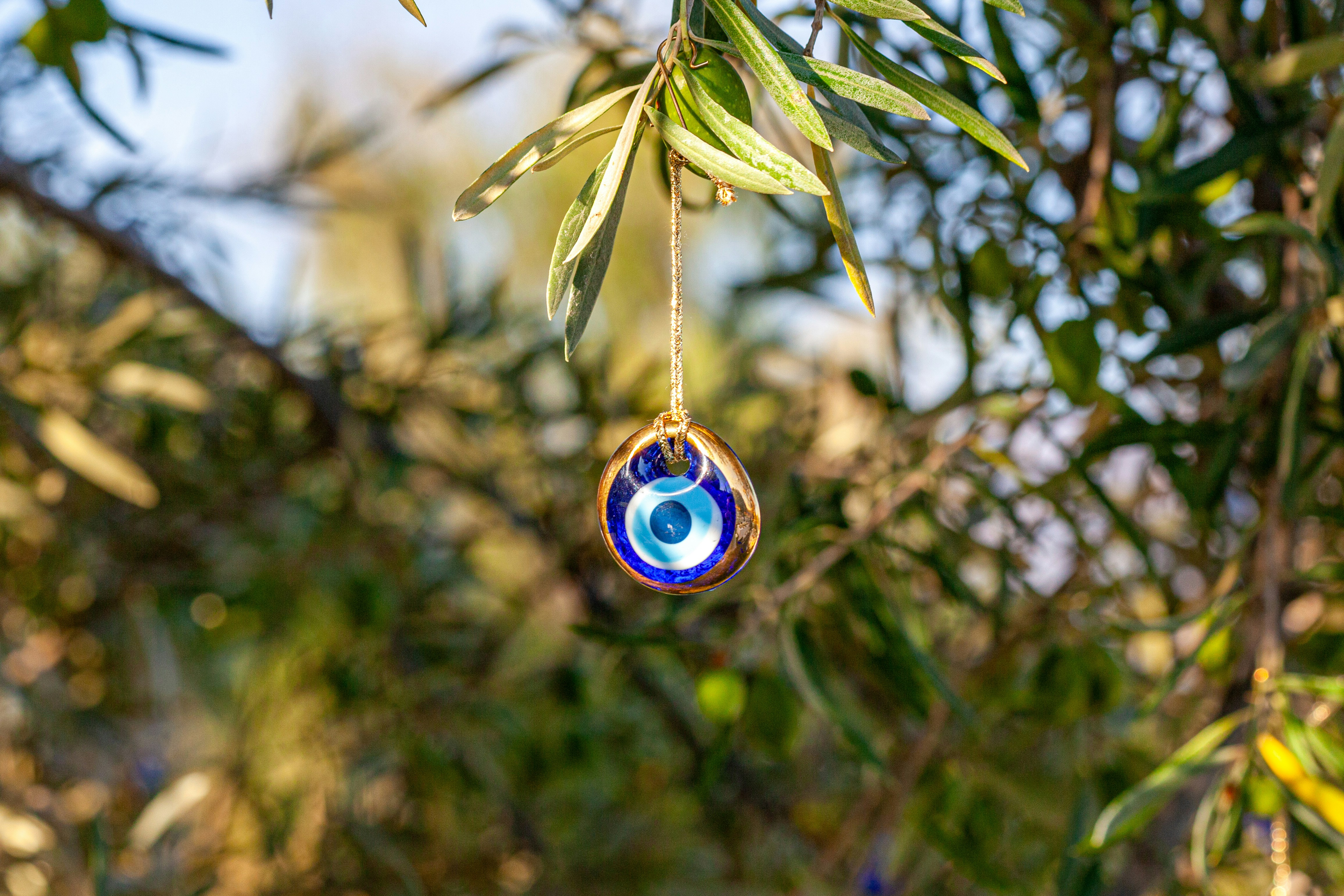
The Nazar, often recognized for its distinctive design and cultural significance, typically possesses a unique physical appearance that captivates the observer. The most prominent feature of the Nazar is its resemblance to an eye, which is believed to protect against the evil eye and bring good luck. The imagery of an eye serves to convey alertness and serves as a protective talisman across various cultures.
In terms of color, the Nazar is predominantly characterized by a vivid blue and white palette. The blue color, often in various hues, represents the sky and the divine, while white symbolizes purity and peace. These colors are essential in the Nazar’s effectiveness, as it is said that these attributes aid in deflecting negativity. In addition to blue and white, other variations may incorporate hints of yellow or green to enhance visual appeal or signify different meanings in various cultural contexts.
The materials from which the Nazar is crafted can vary widely, yet glass and ceramic are the most common. Glass Nazars are often produced through a fusion of artistic creativity and craftsmanship, giving them a glossy finish. Ceramic versions, on the other hand, may feature decorative elements painted by hand, showcasing the artisan’s unique style. The craftsmanship in producing these symbols can vary, with some being mass-produced for sale in tourist markets, while others are intricately crafted by skilled artisans, making them works of art in their own right.
Moreover, the design of the Nazar often differs based on regional interpretations. For example, in Turkey, the Nazar is commonly incorporated into jewelry and home decor, whereas in Greece, it frequently appears as a charm worn for protection. This variance in design not only enriches the Nazar’s aesthetic but also amplifies its significance within diverse cultural narratives.
The Nazar, known universally as a symbol for protection against the evil eye, holds deep cultural significance across various regions, particularly in Middle Eastern, Mediterranean, and South Asian cultures. This emblem not only serves as a decorative piece but also embodies the collective belief in safeguarding individuals from malevolent forces. In different societies, the Nazar is perceived as a potent talisman, fostering a sense of security in daily life.
In the Middle East, the Nazar is often integrated into jewelry, home decor, and architectural designs, symbolizing an armor against jealousy and ill wishes. Many people hang Nazar charms in their homes or wear them on their person, epitomizing a proactive approach to warding off negativity. This practice is deeply embedded in community traditions, where the symbolism of the Nazar is passed down through generations, ensuring cultural continuity and communal cohesion.
Similarly, Mediterranean cultures share a rich history with the Nazar, frequently incorporating it into spiritual practices and rituals, especially in the context of family and home protection. In Greece, for example, it is common to see the blue and white eye symbol both in artistic creations and household items, showcasing its relevance in everyday life. Here, the Nazar functions not merely as a protective token but also as a reminder of collective beliefs against misfortune.
South Asian communities also exhibit a strong affinity for the Nazar, often using it within religious contexts. Rituals invoking blessings and protection, especially for newborns and during significant life events, frequently feature the Nazar. This act of protection underscores the symbol’s role in forging social bonds and fostering communal support against adversity.
In essence, the Nazar transcends its aesthetic appeal, functioning as a vital cultural artifact that reinforces social ties and shared beliefs across various societies.
Craftsmanship of Nazar Creation
The production of Nazar, a traditional amulet that is believed to ward off the evil eye, involves meticulous craftsmanship that reflects the rich cultural heritage of its origin. Artisans employ a range of techniques to create these distinctive talismans, ensuring that each piece is unique while maintaining the standard of quality expected in Nazar craftsmanship.
One prevalent method used by skilled artisans is the technique of glass blowing, particularly employed in Turkey, a country renowned for its Nazar production. Artisans manipulate molten glass to form the iconic eye shape, incorporating vibrant colors—primarily blue and white—that symbolize protection and good fortune. This intricate process requires not only a deep understanding of material properties but also exceptional hand-eye coordination and artistic flair.
In addition to glass, other materials such as ceramics, plastic, or metal may also be utilized. Ceramic Nazars, for instance, are often hand-painted to create intricate designs, showcasing the cultural motifs and symbolism that enhance their protective qualities. The painting process is especially labor-intensive, requiring artists to concentrate on the fine details that elevate the piece from a mere ornament to a true talisman.
Regions like Gaziantep and the Aegean coast of Turkey are particularly celebrated for their Nazar craftsmanship. Local artisans often pass down their skills through generations, incorporating traditional methods while adapting to modern influences. This continuous exchange of techniques ensures the longevity of Nazar in both form and function, allowing it to remain relevant in contemporary society.
Thus, the creation of a Nazar talisman is not merely a craft but an art form where tradition meets skill. Each piece tells a story, serving both as a decorative item and a protective charm that resonates with cultural significance across various communities. The artisans who dedicate their lives to this craft contribute to a legacy that honors the past while inviting the future.
Placement and Usage of Nazar
The Nazar, often referred to as the evil eye talisman, is traditionally used to protect against malevolent forces and jealousy. Its placement and usage vary widely across cultures, reflecting the deep-rooted significance of this symbol. In many households, Nazars are prominently displayed, serving as a visual deterrent against negative energy. It is not uncommon to find these amulets hanging near doorways or in windows, where they can ward off any ill will directed towards the occupants of the home.
In addition to their presence in homes, Nazars are frequently incorporated into personal attire. Many people wear Nazar-themed jewelry, such as necklaces, bracelets, or earrings. This allows individuals to carry the protective properties of the Nazar with them throughout the day. The practical use of the talisman in clothing not only offers protection but also acts as a fashionable statement, bridging traditional beliefs with contemporary styles.
Furthermore, there are specific rituals associated with the Nazar that many communities uphold. For instance, when individuals move into a new home, it is customary in some cultures to hang a Nazar near the entrance as a protective measure against unwanted energies. During various ceremonies, participants may also use the Nazar to invoke blessings or to safeguard against negative influences, ensuring that the event proceeds without disruption or misfortune. The varied and symbolic usage of the Nazar, whether in personal belongings or as part of traditional practices, highlights its enduring relevance and importance in different contexts.
Modern Interpretations of Nazar
The Nazar, often depicted as a blue eye or an eye-shaped amulet, has adapted significantly in its meaning and appearance as it integrates into contemporary society. Initially rooted in ancient traditions aimed at warding off evil, the Nazar now occupies various spaces, including fashion, art, and digital media, allowing it to resonate with younger generations while maintaining its core symbolic significance.
In the realm of fashion, designers have increasingly embraced the Nazar motif, incorporating it into clothing, accessories, and jewelry. This resurgence is evident in the popularity of Nazar-themed earrings, pendants, and bracelets, which serve both aesthetic and protective purposes. Young consumers are drawn to these items not only for their visual appeal but also for their symbolic association with protection and good fortune. This bridging of traditional and modern elements underscores a broader trend of cultural reinterpretation that appeals to younger audiences.
Artistic representations of the Nazar have also transformed in contemporary contexts. Artists experiment with the Nazar design, using varied materials, colors, and styles to create pieces that resonate with their personal interpretations of its protective qualities. Through paintings, sculptures, and installations, the Nazar serves as a versatile symbol, embodying both a connection to heritage and a means of expressing individual identity. This artistic movement reflects a growing fascination with symbols that encapsulate deeper meanings while adapting to modern aesthetics.
Moreover, in the digital landscape, the Nazar has found new life through social media platforms and digital design. Influencers and content creators often showcase the Nazar as part of their personal branding, promoting it as a charm that provides spiritual protection. The shared imagery reinforces community ties among those who subscribe to various interpretations of its significance, blurring the lines between traditional and contemporary narratives.
Myths and Misconceptions about Nazar
The Nazar, often depicted as an eye-shaped amulet, is widely recognized in various cultures, particularly within Mediterranean and Middle Eastern societies. However, several myths and misconceptions surround this ancient symbol, often leading to misunderstandings about its significance and efficacy.
One prevalent myth is that the Nazar primarily functions as a talisman against evil spirits or bad luck. While many believe in its protective qualities, it is crucial to understand that the origins of the Nazar are deeply rooted in cultural practices rather than mystical beliefs. In essence, it symbolizes the idea of vigilance against negative forces, rather than being a magical solution to misfortune.
Another common misconception revolves around the symbol’s effectiveness. Many individuals assume that simply possessing or displaying a Nazar guarantees immunity from negativity or harm. It is vital to acknowledge that while the Nazar can act as a reminder of a person’s intention to ward off jealousy or malice, its power is largely contingent on individual belief and cultural context. The amulet itself is not an infallible protector, but rather a representation of cultural identity and communal values.
Cultural appropriation is also a significant concern linked to the Nazar. As it gains popularity beyond its cultural origins, the symbol is often utilized in decorations, fashion, and art without a full understanding of its significance. This can lead to the dilution of its meaning and a potential disregard for the traditions it represents. To appreciate and utilize the Nazar respectfully, one needs to engage with its cultural background, understanding the values and stories it conveys rather than treating it as a mere aesthetic accessory.
Incorporating Nazar into Daily Life
The Nazar, an ancient symbol believed to provide protection against negative energies, can be effectively integrated into various aspects of daily life. One of the most common methods is by wearing Nazar jewelry, such as bracelets, necklaces, or earrings. These pieces serve both as an aesthetic choice and as a talisman against “the evil eye.” When selecting Nazar jewelry, it is essential to choose authentic pieces made from quality materials, as this enhances their protective attributes.
In addition to personal accessories, incorporating Nazar into your home décor can enhance both the visual appeal and the energy of your living space. Many people place Nazar motifs in prominent areas, such as living rooms or entryways, to ward off negativity. Items such as wall hangings, decorative plates, or window charms featuring the Nazar symbol can be both stylish and functional. It is beneficial to source these items from reputable artisans or shops that specialize in authentic cultural products to ensure their integrity.
For those interested in the spiritual aspect of the Nazar, meditation practices can also be influenced by the symbol. By meditating on the Nazar, individuals may align themselves with its protective properties, fostering an inner sense of peace and security. Incorporating the symbol into meditation spaces through artwork or decorative elements further strengthens this connection.
When looking to purchase authentic Nazar pieces, be mindful of the sources. Traditional markets or direct from artisans are excellent options for ensuring the authenticity of the items. Additionally, online platforms that specialize in cultural products often provide detailed information about the origin and craftsmanship of the Nazar pieces they sell. By choosing carefully, individuals can incorporate the Nazar not only as an aesthetic choice but as a meaningful tool for protection in everyday life.
Conclusion: The Lasting Impact of Nazar
The Nazar, often referred to as the evil eye, serves not merely as a protective talisman but as a profound cultural symbol deeply rooted in various traditions worldwide. Its usage spans across different societies, each attributing its own unique interpretations and significance to this ancient emblem. At its core, the Nazar embodies a dual function: it is both a protector against envious gazes and a representation of beauty and art. This duality enhances its appeal, making it a popular motif in jewelry, home decor, and religious artifacts.
In contemporary society, the Nazar continues to captivate people, standing as a testament to the enduring power of symbolism in human culture. Its striking blue and white colors, coupled with a distinct design, captivate the eye while simultaneously offering a sense of reassurance to those who carry or display it. The Nazar’s design has evolved over time; however, its essence as a shield against negativity remains unchanged. Therefore, understanding its cultural roots provides a richer context for appreciating its role in modern life.
Moreover, the aesthetic appeal of the Nazar cannot be overlooked. Many artisans across the globe craft beautiful representations of the Nazar, intertwining traditional practices with modern artistry. This melding of old and new not only preserves its significance but also introduces the symbol to new audiences, ensuring its legacy endures. Consequently, it is imperative for individuals to appreciate and respect the deep heritage associated with the Nazar. Recognition of its history enriches our understanding of cultural symbols and the values we attach to them.
Leave a Reply