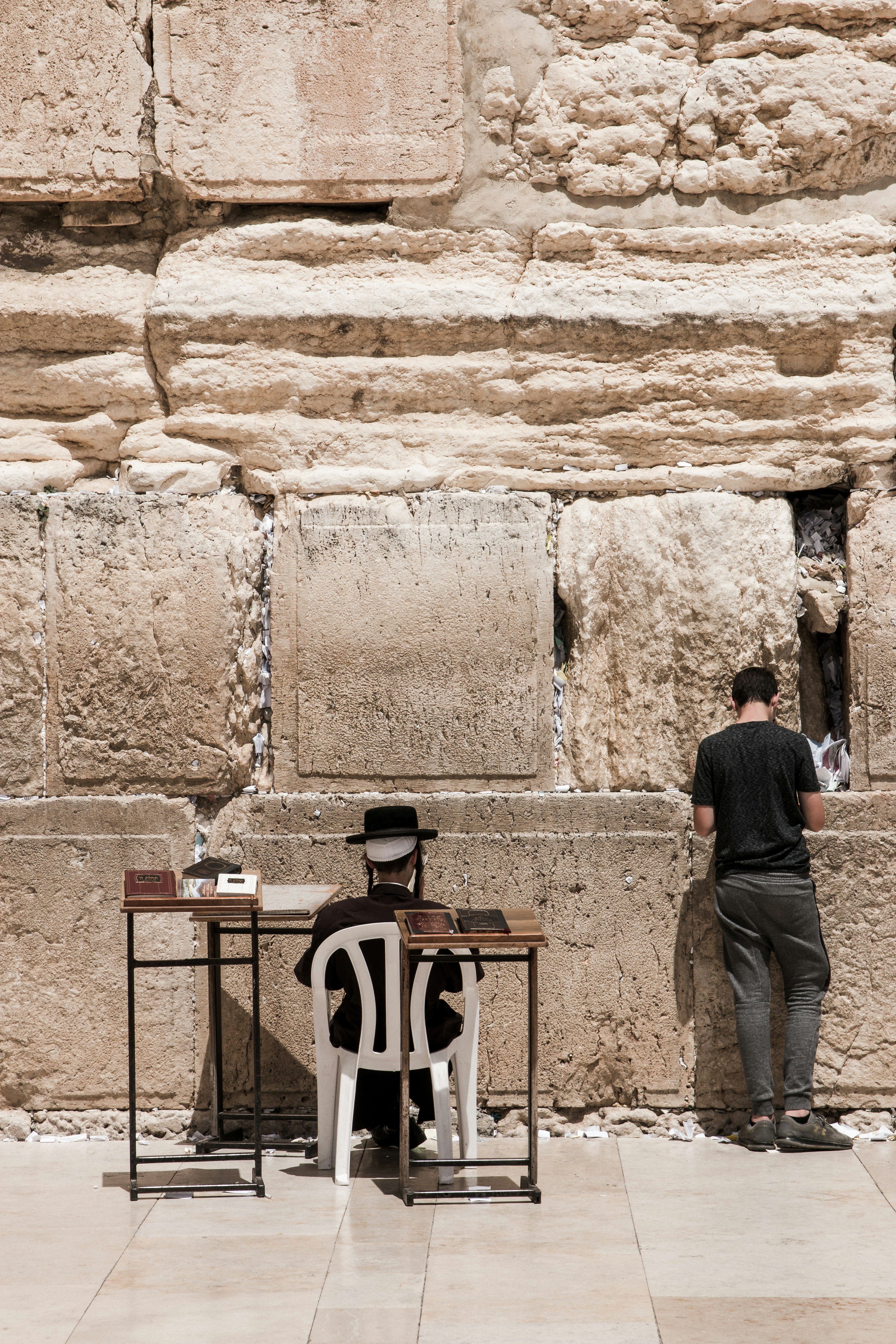
Introduction to Dua and Its Significance
Dua, or supplication, holds a profound significance within the Islamic faith, serving as a vital form of worship and communication with Allah. It embodies the essence of a believer’s relationship with their Creator, allowing them to express their innermost thoughts, hopes, fears, and desires. This intimate mode of communication transcends the formalities often associated with structured prayers, providing individuals with an opportunity to connect with Allah on a personal level.
In Islamic teachings, dua is regarded not only as a means of asking for assistance but also as a reflection of one’s faith and reliance on Allah. When believers turn to Allah in supplication, they acknowledge their dependence on Him and their recognition of His omnipotence. The act of making dua embodies humility and submission, as it requires the believer to sincerely seek help, guidance, or forgiveness. It is through this act that individuals are reminded of their own limitations and the infinite capability of Allah to grant what they seek.
Moreover, dua serves various functions, including seeking guidance in difficult times, expressing gratitude for blessings, and asking for relief from afflictions. It fosters a sense of hope and reassurance that, regardless of the circumstances, Allah is always accessible and willing to listen. The diversity of the contexts in which dua can be made further emphasizes its significance; whether in times of peril, joy, or sorrow, the act of supplicating is encouraged and valued.
Thus, dua is not merely an act of asking; it is a comprehensive practice that nurtures a believer’s spirituality and fortifies their connection with Allah. Understanding the essence and importance of dua enhances one’s faith and commitment, reinforcing the believer’s reliance on divine support throughout their life journey.
What Makes a Dua Powerful?
The efficacy of a dua, or supplication in Islam, is influenced by several qualitative factors that enhance its power and impact. Understanding these qualities is essential for anyone seeking a more profound connection with Allah through their prayers.
Firstly, sincerity is paramount. A sincere heart is fundamental when making a supplication. This means that the individual must genuinely desire what they are asking for, removing any doubt or insincerity. When one conveys their needs and desires with heartfelt authenticity, the dua becomes more potent, as it reflects true dependence on Allah.
Another critical factor is humility. An effective dua is often characterized by a humble approach, acknowledging one’s limitations and need for divine support. The act of supplication is a form of servitude, and presenting oneself in a state of humility ensures that the person grasps the essence of their requests. This modest demeanor fosters a closer connection to Allah, making the prayers resonate on a deeper level.
Additionally, faith plays a significant role. A strong belief in Allah’s ability to respond positively is crucial. The individual should approach their dua with unwavering faith, trusting that Allah is capable of fulfilling their requests. This conviction alone can magnify the strength of the supplication.
Intention also factors heavily into the composition of a powerful dua. The purpose behind the supplication should be clear and pure. Seeking not only personal benefits but also the well-being of others can enhance the overall effectiveness of the prayers.
Moreover, the timing and context of a dua contribute significantly to its strength. Certain moments hold more significance, such as during Ramadan, the last third of the night, or after obligatory prayers. Understanding when to make these supplications can amplify their potential, as certain times are believed to be more favorable for obtaining Allah’s attention and mercy.
Key Attributes of Powerful Duas
The significance of Dua (supplication) in Islam cannot be overstated, as it serves as a direct channel for communication between the believer and Allah. To enhance the efficacy of one’s prayers, certain key attributes of powerful duas should be observed. One of the primary characteristics is the invocation of Allah’s names, or Asma ul-Husna. The use of these divine names not only reflects reverence but also aligns the supplicant’s requests with Allah’s attributes, thereby reinforcing the sincerity and potency of the dua.
Furthermore, the authenticity of the source from which the dua is derived plays a crucial role in its strength. Duas rooted in the teachings of the Prophet Muhammad (peace be upon him) and found within authentic Hadith collections are often considered the most effective. This is partly due to the immense reliance on scholarly validation in Islam, where the integrity of sources can impact the acceptance and outcome of prayers.
Another important element involves seeking comprehensive blessings rather than limiting oneself to specific needs. A powerful dua often encompasses a holistic request for benefits that include health, wealth, guidance, and forgiveness, reflecting a deeper connection with Allah’s mercy. This approach not only demonstrates a believer’s understanding of their holistic existence but also underlines a deep-rooted trust in Allah’s wisdom regarding what is best for them.
Common themes found in significant duas often include gratitude, humility, and a plea for guidance. Such elements resonate throughout Islamic supplications, providing a profound reminder of the believer’s relationship with their Creator. By fostering these attributes in their dua, individuals can draw upon the wealth of spiritual power inherent within this act of worship.
Famous and Powerful Duas Mentioned in the Quran
The Quran, as the holy book of Islam, contains a multitude of duas that serve not only as supplications but also as reflections of the human condition and the relationship between mankind and the Divine. Each dua holds its unique significance and context, illustrating the power of prayer in various situations. Among the most renowned are the duas of Prophet Musa (Moses), relaying profound pleas that showcase trust in Allah’s mercy.
One notable example is found in Surah Al-A’raf (7:55), where Prophet Musa calls upon Allah saying, “My Lord, indeed I am in need of whatever good You would send down to me.” This dua exemplifies humility and reliance on Allah, acknowledging the perpetual need for divine assistance.
Another significant supplication is the dua of Prophet Yunus (Jonah) during his time in the belly of the whale, as highlighted in Surah As-Saffat (37:143-144). He utters, “There is no deity except You; exalted are You. Indeed, I have been of the wrongdoers.” This powerful invocation emphasizes repentance and the importance of recognizing one’s flaws while seeking divine help.
Additionally, Surah Al-Furqan (25:74) features a notable dua made by the servants of the Most Merciful, which states, “Our Lord, grant us from among our wives and offspring comfort to our eyes and make us an example for the righteous.” This supplication emphasizes the desire for a harmonious family life and serves as a model for those seeking both spiritual and worldly success.
These duas collectively encapsulate the essence of supplication in Islam – a means for individuals to express their innermost thoughts and desires while fostering a deeper connection with Allah. It is through these examples found in the Quran that believers can draw inspiration for their personal duas, illustrating the profound impact of supplication in daily life.
The Role of Prophetic Duas
The concept of dua, or supplication, holds a significant position in the Islamic faith. Among the various forms of dua, the supplications made by Prophet Muhammad (peace be upon him) are particularly revered and frequently referenced. These prophetic duas not only exemplify the profound spiritual connection between a believer and Allah but also serve as guidance for Muslims in various life scenarios. They encapsulate requests for mercy, protection, and guidance while reflecting the profound humility and reliance on divine assistance that characterizes a true believer.
Various hadith literature illustrates specific occasions when the Prophet (peace be upon him) recited duas, each with contextually rich meanings. For instance, one of the most notable supplications can be found in the hadith where he prayed for protection from distress and anxiety: “O Allah, I seek refuge in You from sadness and grief.” This dua resonates with many individuals facing personal challenges, reminding them of the importance of turning to Allah during difficult times.
Another significant dua is the one for seeking guidance and wisdom: “O Allah, grant me knowledge that benefits me, and help me act upon that knowledge.” This supplication emphasizes the importance of not just gaining knowledge but also incorporating it into daily life, highlighting the holistic nature of Islamic teachings. Moreover, many of these duas were recited in the context of communal prayers, reflecting the importance of collective supplications and the unity they foster among believers.
In exploring the multiplicity of dua from the Prophet Muhammad (peace be upon him), we see how these supplications encapsulate the essence of hope, faith, and emotional connection with the Almighty. They serve as timeless reminders for Muslims to engage in consistent supplication, regardless of circumstances, encouraging reliance on Allah’s mercy and wisdom in every aspect of life.
Dua for Specific Needs and Situations
The practice of making dua, or supplication, holds significant importance in the Islamic faith, exemplifying a direct link between the believer and Allah. Tailoring one’s dua based on individual needs and circumstances can enhance the connection and efficacy of these prayers. Here are some examples of powerful duas that cater to particular situations.
For issues concerning health, supplicants might turn to the dua for shifa, which seeks healing and recovery. A commonly recited supplication is: “Allahumma Rabban-nas, adhib baina al-ba’s, wa shfi anta al-shafi, la shifa’a illa shifa’uka, shifa’an la yughadiru saqama.” This translates to, “O Allah, Lord of mankind, remove the harm and heal; You are the Healer. There is no healing except Your healing; a healing that leaves no ailment behind.” Personalizing this dua with specific concerns or names can make it even more impactful.
In moments of stress or anxiety, invoking peace through dua is essential. One might recite: “Hasbunallahu wa ni’mal wakeel.” This means, “Allah is sufficient for us, and He is the best disposer of affairs.” Adding personal elements regarding the source of stress can help deepen the supplicant’s focus during prayer.
For seeking forgiveness, the dua known as astaghfirullah can be incredibly vital. A simple, yet profound supplication is: “Allahummaghfir li, warhamni, wa tub ‘alayya.” This translates to, “O Allah, forgive me, have mercy upon me, and accept my repentance.” Adapting this invocation to include specific transgressions illustrates sincerity and acknowledgment.
Lastly, when seeking guidance, the dua for wisdom is essential. One can recite: “Allahumma inni as’aluka al-huda, wa at-tuqa, wa al-‘afafa, wa al-ghina.” This means, “O Allah, I ask You for guidance, piety, chastity, and self-sufficiency.” By integrating one’s unique circumstances into these supplications, the experience becomes more personal and fulfilling.
Common Mistakes When Making Dua
Making dua, or supplication, is a profoundly significant aspect of the Islamic faith, serving as a means to connect with Allah and seek guidance, support, and blessings. However, many individuals often encounter misunderstandings and pitfalls when engaging in this spiritual practice. Recognizing these common mistakes is essential for improving the quality and depth of one’s supplications.
One prevalent error is inconsistency in making dua. Many people tend to only turn to Allah during times of distress or need, neglecting to engage in regular supplications. This sporadic approach may diminish the sincerity behind the dua. Therefore, it is crucial to cultivate a habit of making dua consistently, not only in hardship but also during moments of gratitude and joy. This practice fosters a more profound relationship with Allah.
Another mistake involves lacking focus and concentration during the supplication. Some individuals might find themselves mentally distracted, leading to insincerity in their requests. To mitigate this issue, it is advisable to choose a calm environment free from interruptions, allowing for deep reflection and sincerity in one’s words. Utilizing specific times and places known as auspicious for making dua can also enhance concentration.
The tone and approach in which dua is made are equally important. Some individuals express their requests in a manner that conveys a sense of entitlement. It is essential to approach dua with humility and respect, understanding that Allah knows what is best for each person. Framing supplications as requests rather than demands can significantly change one’s perspective and receptiveness.
Finally, one must avoid despair or impatience regarding the outcomes of their dua. Recognizing that Allah’s response may not always be immediate or in the way one expects can help maintain a positive mindset. Emphasizing that dua is not only about receiving but also about building faith can enhance the overall experience of prayer.
Encouragement to Incorporate Dua into Daily Life
Integrating dua into one’s daily routine can profoundly enhance spiritual well-being, fostering a closer connection with the divine. To establish a consistent practice of supplication, one must create a structured approach to dua that blends seamlessly with daily life. This can be achieved through simple but effective strategies.
First, selecting specific times for dua can help in forming a habit. Many individuals find it beneficial to engage in supplication after the obligatory prayers, as this is a natural pause in the daily schedule. Additionally, the time during the pre-dawn hours (Tahajjud) and between the adhan and iqamah are recommended moments when prayers are especially potent. By consciously dedicating these moments to dua, believers can strengthen their practice.
Moreover, establishing a dedicated space for making dua can also enhance focus and intimacy in the supplication process. This could be a quiet corner in one’s home or an outdoor setting where one feels serene. Creating an environment conducive to reflection, such as through the use of soothing elements like calming scents or low lighting, can significantly amplify the experience of making dua.
Another practical tip includes writing down specific supplications or duas. This not only serves as a reminder but allows individuals to articulate their thoughts and desires clearly. Keeping a dua journal can help track prayers, witness responses, and maintain motivation. This personal record can be revisited during moments of uncertainty or distress.
Finally, involving family members in the practice of dua fosters a collective spirit and unity. Making it a family routine, perhaps during evening gatherings or meal times, can enrich the experience and provide a shared sense of purpose. By consistently integrating dua into your life through these methods, the power of supplication can be fully realized and appreciated.
Conclusion: The Lifelong Journey of Making Dua
The practice of making dua holds profound significance in the life of a believer. Throughout this article, we have explored the different facets of dua, including its definitions, the various types of supplications, and its importance in strengthening one’s relationship with Allah. Each aspect emphasizes that dua is not merely a request for assistance; rather, it is a powerful tool for spiritual connection and personal growth.
Dua serves as a reminder of our dependence on Allah, fostering humility and gratitude in times of both adversity and ease. As believers, when we engage in making dua, we are inclined to reflect on our needs, desires, and the path we wish to take. This reflection encourages introspection and can lead one to a clearer understanding of their faith and purpose in life.
Moreover, making dua can be a source of comfort in difficult times, providing solace and reassurance that one’s prayers are being heard. The act of expressing one’s needs in words, whether in silence or aloud, empowers practitioners to confront challenges and nurture hope. Additionally, the communal aspect of dua—when individuals come together to pray—is a reminder of the unity and collective strength within the Muslim community.
As you embark on your own lifelong journey of making dua, remember to approach it with sincerity and dedication. Establish a consistent practice that resonates with your personal faith journey. Embrace the transformative power of dua, trusting that sincerity in supplication can guide you to paths of fulfillment, resilience, and spiritual enlightenment.
By integrating dua into your daily life, you cultivate a habit that not only elevates your spiritual practice but also reinforces your reliance on Allah’s infinite wisdom and mercy. Therefore, let us recognize the beauty in making dua and commit to nurturing this essential practice throughout our lives.
Leave a Reply