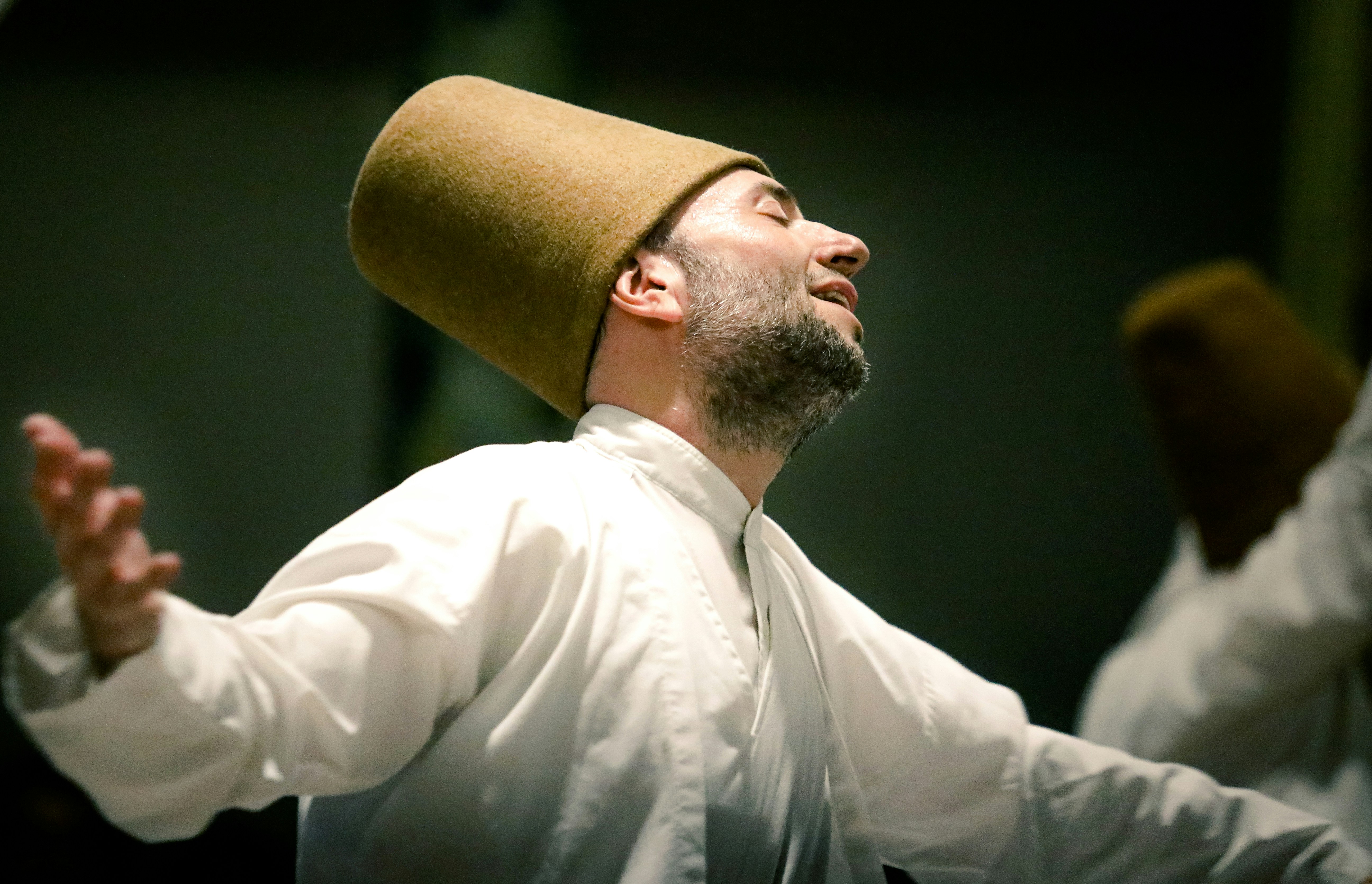
Understanding Spiritual Healing
Spiritual healing is a holistic approach aimed at addressing the emotional, mental, and spiritual well-being of an individual. Unlike traditional medical practices which primarily target physical ailments, spiritual healing focuses on the interconnectedness of the mind, body, and spirit. This practice posits that our physical health is influenced by our emotional and spiritual states, emphasizing the importance of achieving balance and harmony within oneself.
At the core of spiritual healing lies the concept of energy healing. Energy, in this context, is viewed as a universal force that surrounds and permeates all living beings. Healers work to channel this energy to facilitate healing, often through various techniques such as Reiki, chakra balancing, and more. These methods seek to remove blockages, restore energy flow, and encourage self-healing. The goal is to help individuals reconnect with their inner selves, thereby promoting a sense of peace, clarity, and emotional release.
Another significant component of spiritual healing is intuitive guidance. Intuitive healers utilize their heightened sensitivity to perceive information about a person’s emotional and spiritual state. This insight can lead to profound realizations and shifts in perspective, aiding in the healing process. The consultation may involve practices such as meditation, visualization, or the use of divination tools to explore deeper emotional issues. In many cases, spiritual healing includes elements of other healing modalities, such as psychotherapy or traditional medicine, allowing for a more comprehensive healing experience.
The significance of spiritual healing in the contemporary wellness landscape cannot be understated. As society increasingly recognizes the importance of mental and emotional health, spiritual healing offers valuable tools for individuals seeking self-discovery and personal growth. It provides a framework for understanding one’s purpose, fostering resilience, and enhancing overall quality of life.
Characteristics of a Spiritual Healer
Spiritual healers are distinguished by a unique set of characteristics that enable them to provide support and guidance in emotional and spiritual matters. Among these traits, empathy stands out as a fundamental quality. An empathetic individual possesses the ability to deeply understand and resonate with the feelings and experiences of others. This connection fosters an environment of trust and safety, allowing clients to engage fully in their healing journey.
Intuition is another pivotal attribute of spiritual healers. This innate sense often guides them in recognizing underlying issues that may not be immediately apparent. Through heightened intuition, a healer can sense energy fluctuations and emotional blockages, enabling effective interventions tailored to the client’s specific needs. This intuitive capacity also encourages deeper insights, leading to transformative experiences for those seeking healing.
Moreover, a strong code of ethics is essential for spiritual healers. They operate within a framework of integrity, ensuring that their practice is respectful, compassionate, and rooted in the well-being of their clients. This ethical grounding allows healers to maintain appropriate boundaries, protecting both themselves and those they serve. It is crucial for healers to be accountable and transparent in their methods, fostering a professional yet caring relationship.
These characteristics—empathy, intuition, and a robust ethical foundation—play a significant role in the effectiveness of spiritual healing. They not only enhance the healer’s capacity to facilitate change but also assure clients that they are in capable and caring hands. The manifestation of these traits varies across individuals, but their importance remains constant in the realm of spiritual healing, ultimately aiding in the process of personal transformation and growth.
Signs You May Be a Spiritual Healer
Identifying the characteristics of a spiritual healer can be both enlightening and transformative for individuals who possess these qualities. One prominent sign is a natural ability to assist others during challenging times. If you often find friends and family turning to you for guidance or comfort, it may indicate that you possess a healer’s intuition and empathy. This ability can manifest in various forms, such as providing emotional support or offering solutions to complex problems, highlighting your innate healing potential.
Another significant sign is deep compassion. As a potential spiritual healer, you may feel a profound sense of empathy for others, driving you to alleviate their pain and suffering. You might often find yourself emotionally affected by the struggles of those around you, coupled with a desire to help them heal. This level of compassion goes beyond mere sympathy, suggesting a connection to the energies and experiences of others, which is essential for spiritual healing.
Additionally, an interest in spiritual practices indicates a calling towards healing. You may be drawn to activities such as meditation, energy work, or alternative healing Modalities, seeking to deepen your understanding of spirituality and its impact on well-being. This fascination can serve as a breadcrumb trail, leading you to explore further how you can utilize these practices to assist others on their healing journeys.
Finally, engaging in self-reflection is crucial for recognizing these signs in yourself. Take the time to evaluate your emotions, experiences, and your interactions with others. Identifying these characteristics may empower you to embrace your potential as a spiritual healer, allowing you to cultivate your skills and positively impact the lives of those around you.
Your Connection to Energy and Intuition
Being in tune with your own energy and intuition is fundamental for anyone pursuing the path of spiritual healing. Spiritual healers are often seen as conduits of energy, and their effectiveness largely depends on their ability to recognize, interpret, and channel different energies, both within themselves and in others. Therefore, developing a keen self-awareness and sensitivity to these energies is essential.
One effective practice to enhance this connection is meditation. Regular meditation cultivates stillness in the mind, allowing individuals to tune into their inner landscape and discern the subtle variations in energy. This practice not only increases self-awareness but also enhances intuitive faculties. By dedicating a few moments each day to meditate, one can gain insights into personal energy levels and the emotional states that accompany them.
Another beneficial activity is mindful breathing, which helps to ground and center oneself. Mindful breathing exercises encourage individuals to connect with the present moment, heightening awareness of both physical sensations and emotional responses. By focusing on breath, individuals can develop a deeper understanding of how energy flows within and around them, which is crucial for effective spiritual healing.
Engaging in activities such as yoga or tai chi can also be instrumental in harmonizing one’s energy field. These practices promote physical awareness and create a bridge between the body and mind, allowing a more profound connection with one’s own spiritual energy. As individuals move through poses or sequences, they actively engage with their energy, fostering a clearer understanding of how it influences their intuition.
Finally, maintaining a journal to document experiences and feelings related to energy is an excellent way to enhance self-reflection. Writing can reveal patterns and insights that may not be immediately apparent, deepening your connection to intuition and energy. In summary, by implementing these practices, you can cultivate a greater awareness of your energetic state and strengthen your intuitive abilities, both essential qualities for a spiritual healer.
Developing Your Healing Abilities
Recognizing and developing one’s healing abilities is a pivotal journey for anyone interested in spiritual healing. To begin this path, engaging in regular meditation can significantly enhance your skills. Meditation fosters a deeper connection to your inner self and promotes a heightened state of awareness. By dedicating time each day to meditate, you cultivate mindfulness, which is essential for a spiritual healer. As you progress, you may find that your intuition becomes sharper, allowing you to better sense the energies around you.
Grounding exercises also play an integral role in developing healing abilities. These practices are designed to connect you with the Earth’s energies, thereby enhancing your stability and sensitivity as a healer. Simple techniques, such as walking barefoot on grass or visualizing roots extending from your feet into the ground, can help you establish this vital connection. Grounding not only revitalizes your own energy but also enables you to channel healing energies more effectively during sessions with others.
Furthermore, seeking mentorship or formal training in spiritual practices can greatly accelerate your development as a healer. Joining workshops or finding a mentor with experience in holistic healing can provide invaluable insights and techniques that are crucial for your journey. Connecting with a community of like-minded individuals fosters an environment where you can exchange knowledge and experiences, further enhancing your skills.
Ultimately, developing your healing abilities requires a blend of personal exploration, practice, and education. With commitment to these practical steps—meditation, grounding, and seeking mentorship—you can cultivate and refine your inherent spiritual gifts, paving the way for deeper healing work.
The Role of Experience in Spiritual Healing
Experience plays a pivotal role in the journey of a spiritual healer. The unique interplay between personal encounters, whether positive or negative, profoundly shapes an individual’s understanding and expertise in spiritual healing. Each experience offers critical lessons that contribute to the healer’s growth, allowing them to better serve others.
Positive experiences, such as successful healing sessions, often reinforce confidence and validate the healer’s abilities. For instance, a healer who assists a client in overcoming anxiety may witness firsthand the transformative power of spiritual practices. This not only solidifies their techniques but also instills a deeper sense of purpose. Such encounters encourage the healer to explore and refine their methods further, creating a cycle of continuous improvement.
Conversely, negative experiences can also be invaluable. A healer might encounter a case where their methods do not yield the expected results. While disappointing, this scenario provides an essential opportunity for reflection and learning. An example may include a healer who worked diligently with a client suffering from chronic pain but did not achieve the desired outcome. Rather than viewing this as a failure, it can become a springboard for the healer to explore new techniques, seek mentorship, or deepen their understanding of the physical and emotional aspects of healing.
Ultimately, both positive and negative experiences inform a spiritual healer’s journey. They foster resilience, empathy, and adaptability—qualities that are essential in the healing process. A healer who has navigated the complexities of their own experiences is often better equipped to guide others through their spiritual journeys, illustrating the profound impact of personal stories in the realm of spiritual healing.
The Ethics of Spiritual Healing
Engaging in spiritual healing involves a significant ethical responsibility, as practitioners hold a position of trust and influence over their clients. For spiritual healers, it is crucial to recognize and respect the inherent power dynamics that characterize the healer-client relationship. This relationship requires a commitment to ethical conduct, which encompasses clear responsibilities towards clients, including issues of consent and the maintenance of appropriate boundaries.
Informed consent stands as a foundational principle in spiritual healing ethics. Clients should be made fully aware of the nature of the healing process, the methods utilized, and any potential outcomes or risks involved. This transparency not only fosters trust but also empowers clients to make informed decisions regarding their healing journey. Healers must prioritize obtaining explicit consent before commencing any treatment, ensuring clients feel comfortable and respected throughout the process.
Maintaining clear professional boundaries is another ethical imperative for spiritual healers. This includes setting limits on the scope of the healing process and avoiding any actions that could be deemed manipulative, coercive, or exploitative. It is essential for practitioners to delineate their role and avoid overstepping these boundaries, which can lead to dependency and a breach of trust. A conscious effort to uphold integrity and professionalism in every situation is vital to sustaining a positive and effective healing environment.
Furthermore, spiritual healers must engage in ongoing self-reflection and professional development to ensure that their practices are aligned with ethical standards. This commitment not only enhances their effectiveness as healers but also safeguards the well-being of their clients. Ethical considerations in spiritual healing ultimately shape the experience for both the healer and the client, emphasizing the significance of maintaining a responsible, respectful, and trust-based relationship.
Community and Support for Spiritual Healers
As individuals embark on their journey as spiritual healers, the importance of community and support cannot be overstated. Connecting with like-minded individuals who share similar aspirations and experiences can significantly enhance a healer’s practice and personal development. Spiritual healing can often be a solitary path; therefore, establishing a sense of belonging through community involvement is vital. These connections can provide emotional nourishment and a platform for sharing invaluable knowledge and insights.
Networking with fellow spiritual healers allows for the exchange of experiences and techniques, leading to greater skill development. Support groups can serve as a safe space where healers can discuss challenges, triumphs, and practices that resonate with them. By collaborating with peers, spiritual healers can learn innovative approaches to healing and enrich their own methodologies. In such collaborative environments, one can find encouragement and constructive feedback, which helps in personal and professional growth.
Moreover, community support can also extend beyond the individual. Healers who work together can organize workshops, seminars, and online forums that benefit not only themselves but also their clients and the broader community. These collaborative efforts foster a culture of learning and sharing, empowering spiritual healers to continually refine their craft. In such environments, healers are reminded that they are not alone in their journey, but part of a collective mission to promote well-being and healing in the world.
In summary, the importance of community for spiritual healers lies in the shared exchange of experiences, networking opportunities, and a supportive environment that encourages growth and belonging. By engaging with fellow practitioners, healers can enhance their skills, deepen their knowledge, and reinforce their commitment to their healing practice.
Final Reflections: Embracing Your Role as a Healer
As you reflect on your journey and the insights gained through your experiences, it becomes evident that embracing the role of a spiritual healer is not merely a designation but a profound commitment to personal and communal growth. For those who resonate with the attributes associated with spiritual healing, it is essential to acknowledge the responsibility that accompanies this calling. You are likely to find that your ability to facilitate healing in others can also lead to significant personal transformations.
The path of a spiritual healer is marked by a continuous cycle of learning and self-improvement. Each interaction with clients not only provides them with support but also enriches your understanding of various healing modalities. Engaging in practices such as meditation, energy work, and intuitive counseling allows for a heightened sense of awareness, both of your own inner landscape and the energies of those around you. As you deepen your practice, you cultivate a greater sense of empathy and compassion, which are essential traits for any healer.
Moreover, the impact of your work should not be underestimated. Every time you assist someone on their healing journey, you contribute to the broader tapestry of collective wellness. Your role as a healer encourages others to embark on their self-discovery and healing processes, creating a ripple effect that extends far beyond individual sessions. This shared journey fosters a community that values emotional support, spiritual growth, and personal empowerment.
In conclusion, if you feel a strong alignment with the characteristics of a spiritual healer, embrace it wholeheartedly. Commit to your personal growth and recognize the transformative power that resides within you, not just for yourself but for all those whose lives you touch. Your role is significant, and the world needs more individuals dedicated to healing and nurturing the spirit.
Leave a Reply