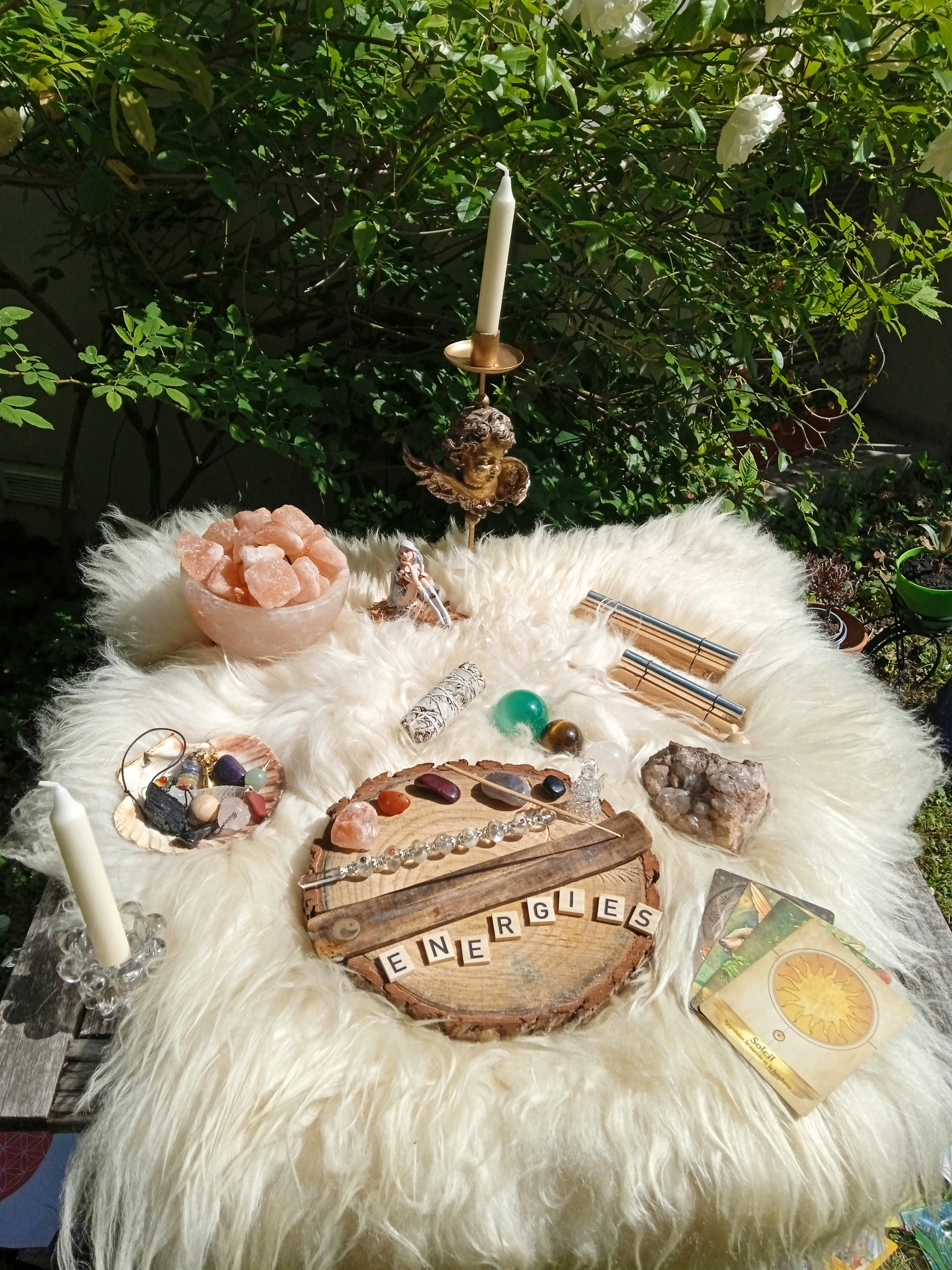
Understanding Spiritual Healing
Spiritual healing is an ancient practice that seeks to restore balance and harmony to an individual’s spiritual, emotional, and physical well-being. Unlike traditional medical practices that primarily focus on the physical body and its ailments, spiritual healing adopts a holistic approach, treating the individual as a whole. This method recognizes the intrinsic connection between the mind, body, and spirit, emphasizing the belief that disturbances in one area can lead to imbalances in others.
Cultures around the world have embraced spiritual healing as a means to promote overall health. In indigenous communities and traditional societies, healers often conduct rituals that invoke spiritual energies, seeking to clear blockages and restore vitality. For example, in many Native American cultures, healing ceremonies are deeply rooted in spiritual beliefs and communal participation, highlighting the importance of community in the healing process.
Many spiritual healing practices involve techniques such as energy healing, meditation, and guided visualization. These methods aim to access deeper layers of consciousness, facilitating profound transformations. Unlike conventional therapies that may focus solely on alleviating symptoms, spiritual healing digs deeper, aiming to uncover the root causes of distress and illness, whether they be emotional trauma, negative thought patterns, or spiritual disconnection.
The significance of spiritual healing is also reflected in various religious and spiritual belief systems, where it is often viewed as a divine gift or a natural ability possessed by certain individuals. For instance, many forms of Eastern spirituality, such as Hinduism and Buddhism, incorporate spiritual healing techniques to align oneself with higher energies and universal truths. In contrast, Western modalities, including New Age spirituality, borrow and adapt traditional practices to cater to contemporary needs.
In conclusion, spiritual healing serves as a vital complement to conventional medical practices, offering a nuanced understanding of health that integrates emotional and spiritual elements. This integrated approach can lead to deep healing and restoration, reinforcing the idea that true well-being encompasses more than just the absence of illness.
Different Types of Spiritual Healing Practices
Spiritual healing encompasses a variety of practices, each with its own unique methodology, benefits, and underlying philosophies. Among the most recognized forms of spiritual healing are Reiki, crystal healing, chakra balancing, shamanism, and energy healing.
Reiki is a Japanese technique that promotes healing through the transfer of energy from the practitioner to the patient. The fundamental belief behind Reiki is that a universal life force energy flows through all living beings. When this energy is blocked or depleted, it can lead to physical or emotional issues. Reiki practitioners utilize their hands to channel this energy, promoting relaxation, reducing stress, and facilitating emotional release.
Crystal healing, on the other hand, harnesses the vibrational qualities of crystals and gemstones. Each type of crystal is thought to possess specific healing properties that can influence the body’s energy fields. Practitioners place stones on or around the individual to help balance their energy and promote healing. The philosophy here is rooted in the belief that different frequencies of crystals can resonate with various parts of the body, encouraging natural healing processes.
Another essential practice, chakra balancing, focuses on the seven energy centers (chakras) in the body. It is believed that an imbalance in these centers can lead to emotional and physical ailments. Techniques used in chakra balancing may range from meditation and visualization to the application of sound or breathwork. By restoring equilibrium among the chakras, practitioners aim to enhance overall well-being and spiritual clarity.
Shamanism incorporates ancient practices that often include rituals, drumming, and journeying to alter states of consciousness. Shamanic practitioners aim to access spiritual dimensions to obtain guidance or healing for individuals, often acting as mediators between the physical and spiritual realms.
Lastly, energy healing encompasses a broad range of techniques that focus on channeling healing energy for relaxation and rejuvenation. Practices like Therapeutic Touch or Healing Touch are examples of energy healing that emphasize the body’s innate capacity to heal itself through balanced energy flow.
Developing Spiritual Awareness
To embark on the journey of becoming a spiritual healer, it is essential to cultivate a robust sense of spiritual awareness. This foundational awareness serves as a touchstone for understanding oneself and the energies of others. Spiritual awareness can be developed through various practices that encourage introspection, connection, and mindfulness.
One widely recognized method for enhancing spiritual awareness is meditation. It offers individuals the opportunity to quiet the mind, allowing for a deeper connection to one’s inner self. Regular meditation practice can lead to increased intuition and clarity, providing insights that may not be accessed during the hustle of everyday life. Beginners may start with guided meditations or mindfulness apps to establish a consistent routine, gradually progressing to longer, silent sessions as comfort with the practice grows.
In tandem with meditation, mindfulness practices are vital in fostering spiritual awareness. Mindfulness is the practice of being present in the moment, fully engaging with experiences rather than living on autopilot. This can be achieved through mindful breathing, eating, or even walking. By incorporating mindfulness into daily activities, individuals may find that they develop greater awareness not only of their own emotions but also of the subtle energies around them.
Self-reflection is another crucial element in nurturing spiritual awareness. Setting aside time for journaling can aid in uncovering thoughts and feelings that often go unexamined. This practice allows for a deeper inquiry into one’s beliefs, motivations, and emotional reactions, facilitating personal growth and a clearer alignment with one’s purpose as a future healer.
By engaging regularly in meditation, mindfulness, and self-reflection, aspiring spiritual healers can create a solid foundation of spiritual awareness that underpins their healing practice. Establishing this connection to oneself and the universe is a transformative step on their healing journey.
Education and Training in Spiritual Healing
Embarking on the path to becoming a spiritual healer necessitates a solid educational foundation and comprehensive training. Various programs exist to cater to aspiring healers, often encompassing diverse disciplines such as energy healing, intuitive development, and holistic practices. Individuals interested in this profession should seek out courses that align with their specific interests and philosophies.
When evaluating training programs, look for those that offer a well-rounded curriculum, integrating theoretical knowledge with practical experience. Essential subjects might include anatomy, psychology, spiritual ethics, meditation techniques, and healing methodologies. Practical, hands-on training can be particularly beneficial, as it allows participants to practice their skills and receive feedback from experienced instructors. Additionally, potential candidates should consider programs that emphasize self-development, as personal growth is a crucial aspect of effective spiritual healing.
Certifications in spiritual healing can enhance credibility and demonstrate a commitment to the profession. Various organizations offer recognized certification programs that validate a healer’s knowledge and skills. These certifications not only enhance a professional’s reputation but may also open doors for further opportunities within the holistic health community.
Finding a mentor is another important step in the education and training process. A reputable mentor can provide guidance, wisdom, and support as you navigate your journey. Many successful spiritual healers stress the importance of seeking out someone with extensive experience in the field. A positive mentorship can significantly enrich your learning experience, offering insights that textbooks may not cover.
Overall, a mix of formal education, practical training, and mentorship forms the cornerstone of a successful career in spiritual healing. By carefully selecting programs and resources, aspiring healers can cultivate the skills necessary to support others on their spiritual journeys.
Building Intuition and Empathy
Intuition and empathy are fundamental skills for any spiritual healer, acting as the bridge between the healer and those seeking guidance. Developing these abilities not only enhances the healing process but also fosters a deeper connection with clients, allowing for a more effective and holistic approach to care. Intuition, often referred to as an innate sense of knowing, can be honed through practice and mindfulness techniques.
To cultivate intuition, one effective exercise is to engage in daily meditation. Start with just a few minutes each day, focusing on your breath and clearing your mind. As you progress, incorporate visualizations that focus on tapping into your inner wisdom. Journaling can also assist in this endeavor, where you note down thoughts, feelings, and any intuitive insights gained during your meditation. Over time, this practice can sharpen your awareness and enhance your intuitive responses in various situations.
Empathy, on the other hand, involves understanding and sharing the feelings of others. To practice empathy, begin by actively listening to those around you without interrupting. This not only validates their feelings but also allows you to connect with their emotional state. You might also consider role-playing exercises with a partner, where you take turns expressing thoughts and feelings, aiming to respond empathetically. This helps build emotional intelligence and improves your ability to connect with clients on a profound level.
In addition, participating in group activities, such as community service or support groups, can offer real-world opportunities to practice both intuition and empathy. Engaging with diverse individuals enriches your understanding of different perspectives and emotional needs, essential for a successful spiritual healer. By integrating these exercises into your daily life, you can create a solid foundation of intuition and empathy, which are indispensable in the journey of spiritual healing.
Creating a Healing Space
In the journey of becoming a spiritual healer, one of the fundamental aspects involves creating a healing space conducive to both the healer’s and the client’s energies. The atmosphere of this space can significantly influence the effectiveness of spiritual practices. Firstly, selecting the right location is crucial. Ideally, this area should be private, quiet, and free from distractions. A peaceful environment allows for deep emotional connections and spiritual exploration, so one should aim for a space that feels safe and nurturing.
Once the location is chosen, setting the atmosphere becomes the next step. Light plays a vital role in establishing a tranquil ambiance. Soft, natural light is preferable, as it fosters warmth and relaxation. One can also integrate candles or dim lighting, which can create a more intimate setting. Similarly, the choice of sound contributes to the overall atmosphere. Soft music, nature sounds, or even silence can enhance the healing experience. Sound therapy can help facilitate a spiritual journey by grounding the client, making them more receptive to healing energies.
Cleanliness and personal energy are essential components of any healing space. A tidy environment reflects respect for the healing process and encourages clarity of mind. Regularly decluttering the space can help maintain its energy flow, while also promoting a sense of calm. Additionally, the healer’s personal energy must be aligned with the space. Practicing meditation or engaging in energy clearing techniques, such as smudging, before sessions can amplify the healing effect. The healer’s intent and emotional state influence the energy within the space, making personal preparation an essential step.
Marketing Yourself as a Spiritual Healer
Entering the field of spiritual healing presents both opportunities and challenges, particularly in terms of marketing your services. Developing a personal brand is essential; this brand should reflect your unique healing style and approach. To establish credibility in the spiritual community, consider creating a memorable name that encapsulates your mission and values. Once your brand is in place, it is vital to communicate it consistently across all platforms.
Networking plays a crucial role in promoting your healing practice. Connecting with other professionals in the holistic and wellness sectors can open doors for collaboration and referrals. Attend workshops, seminars, and spiritual gatherings to establish meaningful relationships within the community. Furthermore, consider partnering with local wellness centers or alternative medicine practitioners who can introduce your services to their clients.
In today’s digital age, social media serves as a powerful tool for reaching a wider audience. Platforms such as Instagram, Facebook, and TikTok can showcase your skills and expertise. Share insights, testimonials, and informative content related to spiritual healing to engage your audience. Regularly updating your accounts with relevant content will help maintain interest while attracting potential clients who resonate with your message.
In addition to social media presence, having a well-designed website or blog is fundamental. This platform allows you to provide detailed information about your services, share client testimonials, and upload articles that reflect your knowledge and experience in spiritual healing. A website acts as a digital business card, establishing legitimacy and offering a place for prospective clients to learn more about your practice.
Combining these strategies effectively—creating a personal brand, networking within the community, leveraging social media, and maintaining an informative website—will significantly enhance your ability to market yourself as a spiritual healer. Through consistent and authentic outreach, you can cultivate a dedicated clientele eager to engage with your healing practice.
Ethics and Responsibilities of a Spiritual Healer
Becoming a spiritual healer involves not only knowledge and skill but also adherence to a strong ethical framework. Ethical considerations are paramount in ensuring that the healing relationship is nurturing, respectful, and professionally conducted. One of the foundational elements of this framework is client confidentiality. Clients who seek the services of spiritual healers often come with personal stories, vulnerabilities, and sensitive information. Protecting this information establishes trust and creates a safe space for healing. Breaching confidentiality can not only damage the relationship but can harm the client and seriously undermine the healer’s credibility.
Establishing boundaries is another crucial responsibility for spiritual healers. It is essential to delineate the professional relationship from personal interactions. Clear boundaries help prevent any misunderstandings and ensure that the client feels secure within the healing environment. This aspect of the relationship also includes understanding the appropriate duration and context of sessions, which safeguards against dependency and promotes the client’s independence and self-discovery.
Furthermore, ongoing personal growth and accountability are vital for anyone in the role of a spiritual healer. This assumes a commitment to continuous learning and self-awareness, allowing healers to reflect on their practices and address any biases or issues that may arise. Regular self-assessment and seeking feedback from peers can enhance the healer’s effectiveness and ethical practices. Additionally, being part of a community of spiritual healers provides opportunities for support, supervision, and development, which are essential to enhance their healing capacity and maintain ethical standards.
Continuing Your Journey as a Healer
The journey of becoming a spiritual healer does not conclude with the attainment of certain skills or certifications. Rather, it is an ongoing process that necessitates commitment to lifelong learning and personal growth. Engaging in continuous education can significantly enhance your healing abilities and deepen your understanding of different modalities. Workshops, courses, and retreats focusing on various healing practices not only expand your knowledge but also renew your passion for the work you do.
Participation in community events can further enrich your journey as a healer. Connecting with fellow practitioners provides an opportunity to share experiences, gain insights, and foster collaboration. Joining groups or associations dedicated to holistic healing can also be beneficial, as they often offer valuable resources, networking possibilities, and platforms to showcase your work. Involvement in community service or volunteer programs is another way to give back and enhance your reputation as a committed healer.
Equally important is the practice of self-care. Healers are often exposed to the emotional and spiritual burdens of others, which can lead to burnout if not managed appropriately. Engaging in regular self-care practices—such as meditation, yoga, or simply taking time to recharge—ensures you maintain the energy and clarity necessary for effective healing. Establishing a routine that prioritizes mental and spiritual wellness is essential in sustaining your capacity to support others.
In conclusion, the path of a spiritual healer is a dynamic and evolving journey. By dedicating yourself to ongoing education, nurturing community connections, and prioritizing self-care, you cultivate a resilient and nourishing practice that enhances both your life and the lives of those you serve.
Leave a Reply