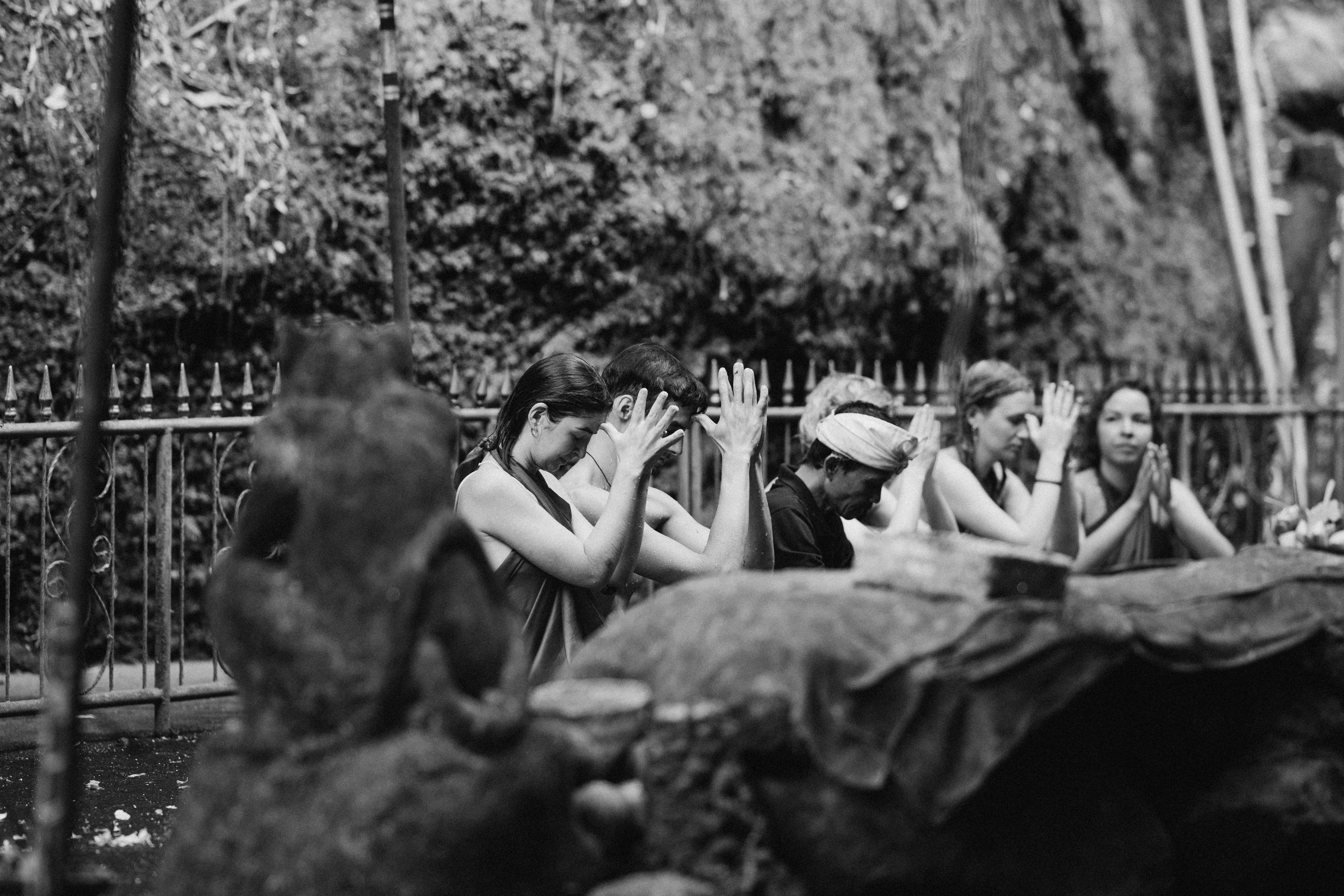
Introduction to the Spiritual Cure Team
The Spiritual Cure Team is an innovative approach to spiritual healing that emphasizes the power of collective effort and shared expertise. It emerged from the understanding that healing is not solely an individual journey, but rather one that can be profoundly enhanced through collaboration. By combining the strengths of various practitioners, the Spiritual Cure Team aims to create a supportive environment tailored to the holistic needs of individuals seeking spiritual wellness.
This concept finds its roots in various traditions and practices, recognizing that healing encompasses not just the physical realm but also emotional, mental, and spiritual dimensions. The origins of the Spiritual Cure Team can be traced back to ancient healing practices where community support played a pivotal role. Historical evidence suggests that when individuals gather with a shared purpose, the synergy created can lead to richer, more transformative healing experiences.
The primary purpose of the Spiritual Cure Team is to provide comprehensive spiritual healing that is multifaceted and inclusive. Instead of relying on a single practitioner’s perspective, clients benefit from a diverse range of insights, techniques, and modalities that consider their unique circumstances and needs. This collaborative approach ensures that healing is not only more effective but also addresses the complexities of individual experiences.
Contrasting this team approach with traditional individual practices reveals significant differences. While individual practices often focus on a practitioner-client relationship, the Spiritual Cure Team brings together multiple professionals, such as healers, counselors, and energy workers, each contributing their unique gifts. This not only enriches the healing process but also fosters a strong sense of community, accountability, and support for those on their healing journey.
The Role of Each Team Member
A Spiritual Cure Team typically comprises various professionals, each contributing their unique expertise to the overarching goal of healing. Understanding the specific roles within this team is essential for recognizing how they collaborate to facilitate spiritual well-being.
Firstly, spiritual leaders or guides are often at the forefront of a Spiritual Cure Team. These individuals possess a deep understanding of spiritual principles and practices, allowing them to provide direction and insight. Their role involves not only offering spiritual teachings but also helping clients connect with their inner selves, fostering a sense of purpose and peace. The spiritual leader acts as a beacon, guiding individuals through their healing journeys.
Next, healers play a crucial role within the team. Their methods may vary from traditional practices such as Reiki and acupuncture to more innovative approaches like energy healing. Healers focus on balancing the body’s energy and addressing emotional blockages that can hinder personal growth and healing. By employing various techniques, they contribute to the physical and emotional restoration of clients, ensuring a holistic approach to wellness.
Counselors or therapists represent another vital aspect of the Spiritual Cure Team. These professionals bring psychological expertise, offering a safe space for individuals to explore their thoughts and feelings. Their role is to help clients navigate the complexities of their experiences, guiding them toward understanding and acceptance. Counselors often work in tandem with spiritual leaders and healers, providing an integrated approach where both emotional and spiritual needs are addressed.
Ultimately, the collaborative efforts of spiritual leaders, healers, and counselors create a synergistic environment. Their combined expertise contributes to the comprehensive healing journey, emphasizing the importance of connection and support within the Spiritual Cure Team. Together, they help individuals find a path toward healing, growth, and enlightenment.
Methods and Practices Used by the Team
The Spiritual Cure Team employs a range of methods and practices designed to promote healing and foster deep connections among its members and clients. Central to their approach is energy healing, a technique that focuses on balancing the body’s energy systems. Practitioners utilize various modalities, such as Reiki and Qi Gong, which facilitate the flow of energy within the body. This process is thought to release blockages, thereby encouraging physical and emotional healing.
Meditation is another cornerstone practice embraced by the Spiritual Cure Team. By guiding clients through various meditation techniques, the team helps individuals achieve a state of deep relaxation and heightened awareness. This practice allows individuals to connect with their inner selves and promotes emotional clarity. Furthermore, the team offers group meditation sessions, which capitalize on collective energy to amplify the healing effects and create a supportive community atmosphere.
Group prayer is also integral to the Spiritual Cure Team’s methods, fostering a sense of unity and shared intention among participants. This practice transcends individual concerns, lifting collective hopes and aspirations towards a higher purpose. It is believed that the power of combined prayer can significantly enhance healing outcomes, instilling a sense of peace and purpose within each member.
Additionally, the Spiritual Cure Team emphasizes personalized spiritual guidance, recognizing that each individual’s journey is unique. Through one-on-one consultations, team members assess specific needs and tailor their guidance accordingly. By tailoring practices to the individual, the team ensures that every member feels supported in their healing journey.
These methods work together synergistically, underscoring the team’s holistic approach to healing. The blend of energy healing, meditation, group prayer, and individualized support creates a comprehensive framework designed to foster well-being, resilience, and personal growth.
Success Stories: Transformative Healing Experiences
Within the realm of holistic health, the power of collective spiritual healing is often underscored through personal narratives from individuals who have engaged with the Spiritual Cure Team. One profound example involves a woman named Sarah, who struggled for years with anxiety and depression. After participating in several group healing sessions facilitated by the team, Sarah reported a significant reduction in her symptoms. The supportive environment fostered by the team allowed her to release past traumas and embrace a new perspective on life. Her transformation has not only improved her emotional well-being but also her relationships with family and friends.
Similarly, a man named David shared his journey of battling chronic pain and fatigue. After being introduced to the Spiritual Cure Team, he began to experience profound shifts in his energy levels and pain management. Through guided meditations and healing circles, David learned to connect with his inner self, which he attributes to his ongoing recovery. He described the sessions as a “safe space where pain transformed into healing energy,” leading him towards a more balanced existence.
The narratives do not end there; many others have found solace and empowerment through this community. For instance, a group of individuals came together in a collective healing ceremony, addressing shared experiences of grief. The transformation in their personal healing journeys was evident as they recounted their experiences of release and rejuvenation. By sharing their stories, these individuals not only highlight the positive outcomes of joining forces in spiritual practice but also serve as a beacon of hope for others facing similar challenges.
Ultimately, these testimonials illustrate that the Spiritual Cure Team’s methodology of fostering connection plays an essential role in the transformative power of healing. The experiences shared reveal a common thread of empowerment, resilience, and community, further affirming the effectiveness of holistic healing approaches.
The Science Behind Spiritual Healing
Spiritual healing, often regarded with skepticism, is increasingly supported by scientific studies exploring the interactions between consciousness, health, and well-being. Various research initiatives have focused on how spiritual practices can influence physiological processes, revealing significant correlations between spirituality and health outcomes.
One of the more prominent areas of study is the effect of meditation and mindfulness on mental and physical health. Research published in journals such as Psychosomatic Medicine indicates that mindfulness practices can lead to a reduction in stress, anxiety, and depression, enhancing overall emotional resilience. These psychological improvements are tied to physiological changes, including lower cortisol levels and decreased heart rate, ultimately contributing to enhanced physical health.
Additionally, the concept of energy healing, a key component of many spiritual practices, has been examined through the lens of quantum physics. Studies regarding biofield therapies, such as Reiki, suggest that practitioners can influence energy fields around individuals, potentially promoting healing. Research conducted at reputable institutions highlights how patients receiving energy healing report pain relief and improved well-being, indicating a tangible impact of spiritual modalities on physical states.
Further, the placebo effect has demonstrated the power of belief in healing processes. This phenomenon underscores the significant role that mental states and spiritual beliefs can play in recovery. Clinical trials often reveal that individuals who engage in spiritual practices or hold strong spiritual beliefs frequently experience enhanced healing, reinforcing the connection between spirituality and scientific understanding of health.
Collectively, these insights suggest that spirituality and health are intertwined, supporting the notion that spiritual healing practices may not only be beneficial but are also worthy of further scientific exploration. The integration of spirituality into therapeutic settings may bridge the gap between conventional medicine and holistic approaches, providing a more comprehensive understanding of healing.
Building Your Own Spiritual Cure Team
Creating a Spiritual Cure Team is an essential step for individuals seeking holistic healing and a deeper connection to their inner selves. The first aspect to consider when building this team is the identification of potential members who resonate with your personal healing journey. Look for individuals who possess a genuine interest in spiritual growth and well-being, as they will contribute positively to your collective experience.
Key attributes to seek in team members include empathy, openness, and a willingness to share their experiences. These qualities foster a supportive atmosphere where members can engage in honest conversations and offer valuable insights. It is not solely about what skills each person brings; rather, the shared commitment to healing and growth is paramount. Spiritual practitioners such as healers, counselors, or meditation guides can add significant depth to your team, but personal connections and trust often provide the most profound benefits.
When assembling your group, consider how your combined values and goals align. For instance, discussing your individual healing intentions will help identify common aspirations. This synergy will strengthen your team dynamic and create a unified approach towards healing. Regular meetings or gatherings, whether they are in person or via online platforms, can help maintain this connection and ensure that every member remains engaged and motivated.
Lastly, as your team evolves, remain open to different perspectives and practices. Embracing diversity within your Spiritual Cure Team can enhance the healing experience by offering various tools and techniques. Encourage ongoing dialogue and reflection among members, allowing for continuous growth and adaptation to your collective spiritual journey. By intentionally building a Spiritual Cure Team grounded in shared values and aspirations, you are laying the foundation for an enriching and powerful healing experience.
Challenges and Considerations
Working within a Spiritual Cure Team can be a profoundly enriching experience, but it is not without its challenges. One of the primary issues that may arise is interpersonal conflict among team members. Given that spirituality often intersects with deeply held beliefs, diverse perspectives can lead to misunderstandings or disagreements. It is vital for team members to engage in open communication, actively listen to one another, and remain respectful of differing viewpoints. Establishing guidelines for discussion can help mitigate conflicts and foster a harmonious environment.
Another challenge may stem from the varying levels of commitment among team members. While some may be fully invested in the spiritual healing process, others might participate with a more casual attitude. This discrepancy can lead to frustration for those who are more dedicated. To address this, it can be beneficial to have regular check-ins to assess each member’s engagement and intentions, thus ensuring everyone is on the same page. By setting clear expectations from the outset, the team can encourage a collective sense of purpose.
Furthermore, differing beliefs can pose a significant hurdle in a Spiritual Cure Team. Members may come from various spiritual backgrounds, which can create tension if not managed properly. Establishing an inclusive atmosphere where all beliefs are honored can play a crucial role in overcoming this challenge. Facilitating interfaith dialogues or workshops may promote understanding and integration of diverse perspectives within the group.
In conclusion, while challenges such as interpersonal conflicts, varying levels of commitment, and differing beliefs are prevalent in a Spiritual Cure Team, they can be effectively managed through open communication, clear expectations, and fostering inclusivity. By proactively addressing these challenges, teams can thrive in their healing mission and foster a supportive community.
The Future of Spiritual Healing Teams
As we look to the future of spiritual healing teams, it becomes clear that emerging trends and technological advancements will play a significant role in shaping their development. One of the most notable changes is the integration of technology into spiritual practices. Innovations such as virtual reality, artificial intelligence, and teletherapy are poised to transform how spiritual teams engage with individuals seeking healing. Through these tools, practitioners can offer immersive experiences and personalized guidance, enhancing the connection between healer and recipient.
Moreover, the rising popularity of virtual teams represents a significant shift in the spiritual healing landscape. Guided by the necessity for accessibility and the outreach of services, practitioners are collaborating remotely, creating global networks of support. This digitization enables individuals from diverse geographical locations to access spiritual guidance and healing without the barriers of travel and time constraints. In essence, technology is facilitating a more inclusive approach to spiritual care, reaching underserved populations that may have previously lacked access.
In addition to technological advancements, spiritual practices themselves are evolving. There is a growing recognition of the importance of integrating various modalities such as meditation, mindfulness, and energy healing into comprehensive healing frameworks. This holistic approach acknowledges the interconnectedness of mind, body, and spirit, allowing spiritual teams to address the complexities of individual experiences more effectively.
Furthermore, as societal awareness of mental health continues to blossom, the collaboration between spiritual and psychological practices is likely to intensify. This fusion aims to create comprehensive support systems, highlighting the value of both spiritual and psychological well-being. The future of spiritual healing teams will therefore be shaped by an amalgamation of technology, accessibility, and innovative practices, resulting in a more profound and effective approach to healing in our increasingly interconnected world.
Conclusion: Embracing Collective Spiritual Healing
In concluding this discussion on the importance of community in spiritual healing, it becomes evident that the concept of a Spiritual Cure Team plays a pivotal role in personal growth. Throughout the blog, we explored various dimensions of collective healing, illustrating how working alongside others can enhance the overall experience of transformation and recovery.
The interconnectedness that arises within a Spiritual Cure Team fosters a supportive environment, where individuals can share insights, facilitate healing, and collectively confront challenges. This interaction nurtures a sense of belonging, affirming that healing is not solely an individual endeavor but a communal journey enriched by shared experiences and mutual support.
As we reflect on the key benefits of engaging within a Spiritual Cure Team, we recognize that collaboration can lead to deeper understanding and clarity. Each member contributes unique perspectives, encouraging one another to uncover hidden strengths and develop resilience. This shared purpose not only amplifies personal healing but also promotes a culture of compassion and solidarity.
Finally, embracing the idea of community in spiritual healing invites individuals to acknowledge their interconnectedness and the power of shared intentions. The support from those on similar paths can be transformative, enhancing one’s ability to navigate challenges and celebrate triumphs. Therefore, as you consider your own healing journey, contemplate the value of forming or joining a Spiritual Cure Team, ultimately enriching your process and fostering continual growth.