Introduction to Hijama and Sihr
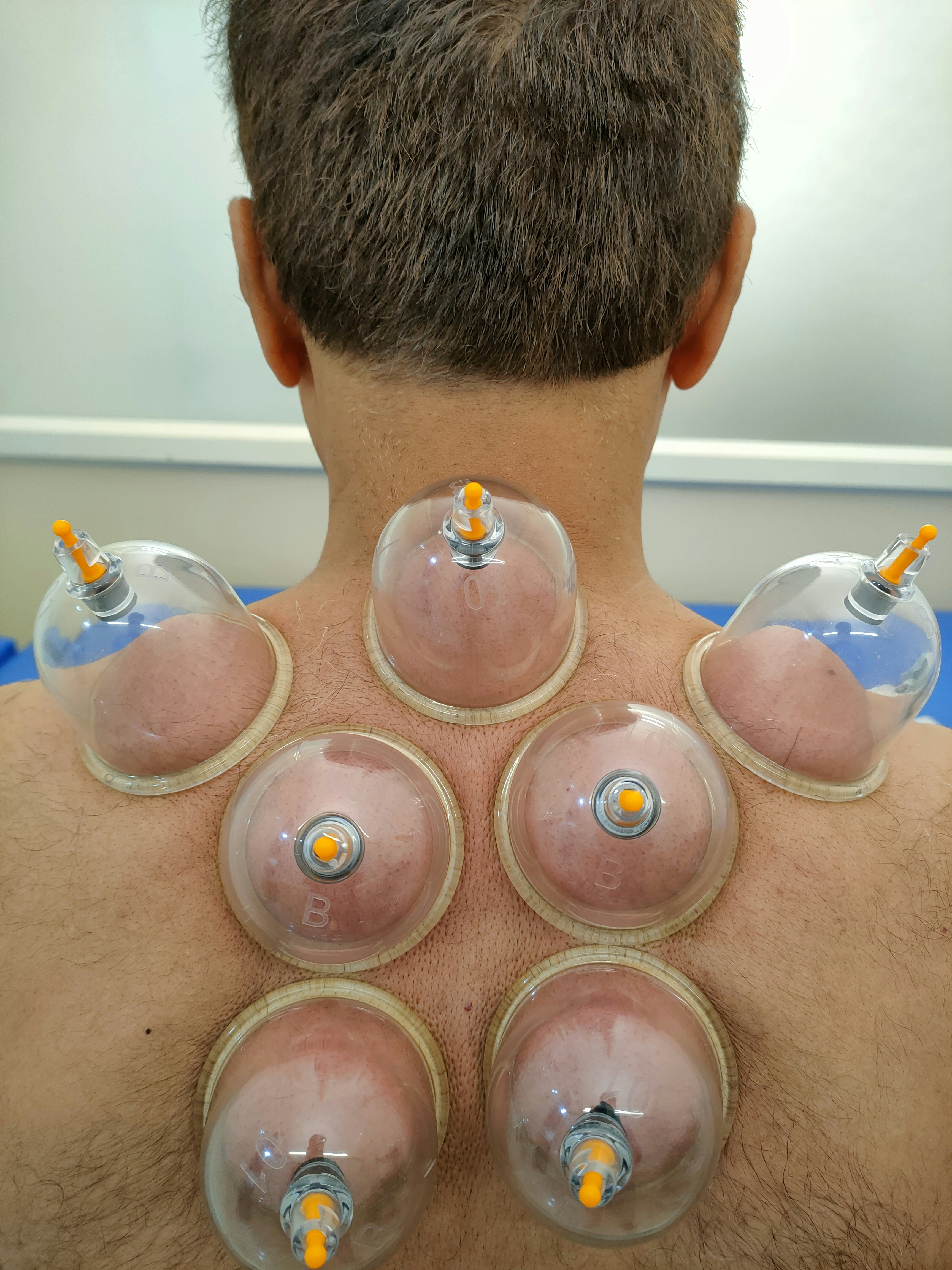
Hijama, commonly known as cupping therapy, is a traditional practice rooted in Islamic medicine with historical significance tracing back to various ancient cultures. This therapeutic method involves creating suction on the skin’s surface using cups that can be made from glass, bamboo, or silicone. It is believed that hijama can enhance physical and mental health by promoting blood flow, alleviating pain, and removing toxins from the body. The practice is often associated with significant benefits, such as improved circulation, relief from muscle tension, and the potential for emotional well-being. Proponents assert that hijama can serve as an effective complementary therapy for various ailments, including headaches, indigestion, and chronic pain.
Sihr, or black magic, represents a contrasting and somewhat ominous concept that has garnered attention in many cultures, particularly within the Muslim community. Sihr is often regarded as harmful and malevolent, wielded for purposes that can adversely affect an individual’s life, such as creating discord, filling hearts with despair, or invoking misfortune. Cultural perceptions of sihr vary widely, with many viewing it as a spiritual affliction that requires intervention, either spiritual or physical, to alleviate its effects. In Islamic tradition, sihr is specifically warned against, as it can lead individuals to stray from their faith and ethical beliefs. Its implications can cause fear and anxiety, making it a subject of great concern for many.
This intricate relationship between hijama and sihr brings forth questions regarding the convergence of traditional healing practices and spiritual concerns. Many individuals explore third spaces, where such practices intersect, seeking holistic well-being while addressing the distress associated with sihr. This examination sets the stage for considering the potential roles of hijama in mitigating the effects of sihr, fostering a dialogue between traditional healing methods and spiritual propriety.
The Practice and Principles of Hijama
Hijama, also known as wet cupping, is an ancient therapeutic practice rooted in traditional medicine that has gained significant traction in contemporary health discussions. This method involves creating suction on specific areas of the body using cups, which can either be made of glass, plastic, or bamboo. The process may incorporate small incisions in the skin, allowing for the release of stagnant blood and toxins, which proponents believe aids in detoxification and boosts overall health.
The techniques employed in hijama can vary; some practitioners focus on dry cupping, which simply involves suction without bloodletting, while others advocate for wet cupping, where blood is drawn to enhance the therapeutic effect. The choice of technique often depends on the individual’s health needs and the practitioner’s training.
People seek hijama for a plethora of reasons, including chronic pain relief, alleviation of migraines, and improved circulation. Many individuals turn to this practice in search of holistic healing methods that respect both the physical and spiritual aspects of well-being. Moreover, hijama is perceived as beneficial for individuals experiencing mental fatigue and emotional distress, with practitioners believing that the release of toxins can contribute to a greater sense of peace.
Traditionally, hijama is performed by trained practitioners, who often possess knowledge of both the physical and spiritual elements associated with this ancient methodology. This dual focus is one reason the practice is increasingly popular among individuals who view health as an integrated experience of body, mind, and spirit. As more people explore alternative approaches to health care, hijama has found its place not only within alternative medicine but also in some mainstream health discussions, emphasizing its potential role in comprehensive wellness.
Understanding Sihr and Its Effects
Sihr, commonly known as witchcraft or magic, is perceived in various cultures as an insidious force that can lead to profound psychological and spiritual disturbances. The consequences of sihr may manifest in individuals through a range of symptoms, including anxiety, depression, and chronic physical ailments that defy conventional medical explanations. These effects are deeply intertwined with the individual’s cultural and spiritual context, making the experience of sihr not merely an individual issue but a collective concern that can impact families and communities.
In many traditions, those who believe they are affected by sihr often report feelings of hopelessness, fear, and confusion, which can lead to significant mental health challenges. Anxiety may escalate into panic attacks or phobias, while prolonged exposure to these feelings can result in clinical depression. Physical symptoms may include unexplained fatigue, weakness, and various psychosomatic complaints, presenting a complex intersection of mind and body that requires careful examination.
Cultural beliefs regarding sihr vary widely, with some viewing it as a malign influence that disrupts the natural balance of life. This belief can compel individuals to seek various forms of assistance, from spiritual healers to traditional medical practitioners. The urgency to combat the perceived influence of sihr is often driven by fear, leading to the pursuit of specific remedies and protective measures that resonate with their cultural understanding.
Recognizing the psychological impact of sihr is crucial for those experiencing its alleged effects, as well as for their families and communities. Seeking help is not only a personal journey but also an essential step towards healing in a communal context. By addressing both the psychological and the spiritual dimensions of sihr, individuals may navigate their experiences with greater resilience and understanding.
The Synergy Between Hijama and Spiritual Healing
Hijama, commonly known as cupping therapy, has its roots in ancient medical practices and has gained recognition for its potential benefits in both physical health and emotional well-being. This traditional healing method often finds its place in the realm of spiritual healing, as it is believed to assist individuals experiencing emotional and spiritual distress. The practice involves the application of suction cups on the skin to promote blood circulation and remove toxins, and many practitioners attest to its benefits beyond the physical domain.
In certain cultural contexts, including Islamic traditions, hijama is regarded as a holistic approach to healing. It is often employed as a complementary treatment to alleviate emotional disturbances that may arise from spiritual ailments, including those perceived to be caused by sihr, or black magic. Many practitioners and patients have noted that hijama can induce a state of relaxation and emotional release, which can contribute to a sense of spiritual clarity. This connection between hijama and spiritual healing suggests that the practice may not only address the physical symptoms but also help individuals combat the emotional and psychological ramifications of negative spiritual influences.
Moreover, testimonials from individuals who have undergone hijama treatment often highlight improved emotional states and spiritual awareness post-therapy. These personal accounts suggest a perceived synergy between hijama and spiritual wellness, emphasizing the traditional belief that cleansing the body can lead to a purifying effect on the spirit. Furthermore, Islamic teachings advocate for seeking multiple avenues of healing, including both medical and spiritual methods, reinforcing the idea that hijama can play a significant role in addressing ailments attributed to sihr. This interplay between traditional healing practices and contemporary understandings of emotional well-being shapes discussions about the potential efficacy of hijama as a multifaceted approach to wellness.
Case Studies: Healing from Sihr through Hijama
In recent years, numerous individuals have turned to hijama, or cupping therapy, as a means of alleviating ailments they attribute to sihr, or black magic. This section presents case studies that exemplify the diverse experiences of those who have sought this traditional healing method for perceived spiritual afflictions.
One notable case is that of Amina, a 32-year-old woman who reported prolonged feelings of anxiety, sleep disturbances, and a general sense of malaise. Amina believed her symptoms were linked to sihr, as they developed shortly after a family dispute. After consulting a hijama practitioner, she underwent several sessions. Amina reported significant improvements in her mental clarity and overall emotional well-being. She described the experience as “liberating,” emphasizing the deep sense of relief she felt following each treatment. Her case highlights the potential benefits of hijama, which may offer not only physical but also emotional healing.
Conversely, the case of Hassan offers a more cautionary perspective. He sought hijama after experiencing intense emotional distress that he associated with sihr. After several treatments, Hassan reported little to no improvement in his condition, which led him to seek additional psychological support. His experience underscores the importance of approaching treatments with realistic expectations and seeking comprehensive care. While hijama may provide relief for some, it is essential to consider it as part of a broader strategy for healing.
These varied accounts underline the complex intersection of hijama and treatment of sihr. While some individuals find solace and healing through this traditional practice, others may experience limited efficacy, necessitating further exploration into the holistic approaches available for emotional and spiritual distress. Such insights remind practitioners and patients alike to weigh the potential benefits against the variance in individual outcomes.
Expert Opinions: Traditional Healers and Medical Professionals
In the realm of alternative medicine, hijama, or wet cupping, is often regarded as a method with deep historical roots, particularly within traditional healing practices. Practitioners of hijama firmly believe in its ability to facilitate physical, emotional, and spiritual healing. A notable traditional healer, who has been practicing hijama for over two decades, asserts that the therapy is particularly valuable for individuals seeking relief from spiritual ailments, including sihr. According to this healer, hijama helps in detoxifying the body and promoting energy flow, potentially alleviating spiritual blockages caused by negative influences.
On the other hand, medical professionals provide a more measured perspective. A prominent physician with extensive research into complementary therapies emphasizes the necessity of cautious application. This doctor acknowledges that while many patients report positive experiences following hijama, the evidence is mostly anecdotal. “While hijama may assist in easing certain stress-related symptoms,” the physician notes, “its effectiveness in addressing sihr or other spiritual issues remains largely unverified through clinical trials. There are psychological effects at play that can sometimes mimic the alleviation of spiritual disturbances.” Furthermore, the physician points out the importance of diagnosing and treating underlying medical conditions that hijama cannot address.
Moreover, both traditional healers and medical professionals agree on the necessity of patient discretion. The traditional healer emphasizes the importance of guidance and support in any healing journey, underscoring that not everyone may find hijama beneficial for their situation. Medical professionals likewise stress that patients exploring hijama should remain informed about potential risks and limitations, particularly in relation to treating spiritual issues such as sihr. As this conversation continues to evolve, both disciplines can contribute valuable insights into the ongoing understanding of hijama and its role within the context of spiritual well-being.
Cultural and Religious Perspectives on Healing from Sihr
The phenomenon of sihr, often referred to as black magic or sorcery, carries significant weight within many cultural and religious frameworks. Various traditions elaborate distinctive approaches to identify and counteract its perceived negative effects, showcasing a rich tapestry of healing practices and beliefs. This exploration spans diverse religious and cultural contexts, including Islam, Christianity, and indigenous belief systems.
In Islamic tradition, sihr is recognized as a threat to spiritual well-being, leading many Muslims to adhere to specific verses from the Quran for protection and healing. The recitation of Surah Al-Falaq and Surah An-Nas is often recommended as a means to seek refuge from harm, emphasizing the protective nature of divine words. Many also consult local scholars or healers, known as ‘Ruqah,’ who specialize in spiritual healing rooted in Islamic teachings. These practitioners often combine Quranic recitation with specific rituals aimed at purging negative influences from individuals.
Conversely, in Christianity, the concept of spiritual warfare emphasizes prayer and the invocation of Christ’s name to combat evil forces. Christians may engage in prayers, exorcisms, or anointing rituals as forms of spiritual cleansing. Similarly, indigenous beliefs frequently include shamanic practices, where shamans or spiritual leaders perform rituals to restore harmony and health, targeting spiritual disturbances attributed to sorcery.
Additionally, many cultures integrate holistic practices such as herbal medicine, meditation, or communal rituals in their healing methods. These diverse approaches illustrate a fundamental belief in the interconnectedness of the body, mind, and spirit, asserting that healing transcends mere physical remedies. By embracing the multifaceted nature of spiritual healing, communities can gain a broader understanding of resilience in the face of sihr and other malevolent influences.
Limitations and Considerations of Using Hijama for Sihr
Hijama, or cupping therapy, has been utilized for centuries in various cultures as a method to promote physical and spiritual wellbeing. However, its application in addressing sihr, or supernatural afflictions believed to result from malevolent forces, invites unique considerations and limitations. It is crucial for individuals seeking hijama to understand these factors to engage in a balanced approach to healing.
Firstly, one of the primary limitations is the necessity of consulting knowledgeable practitioners who are well-versed not only in hijama techniques but also in the ramifications of treating spiritual ailments. Ensuring that the practitioner possesses a deep understanding of both traditional healing and the nuances of spiritual wellbeing can significantly impact the effectiveness of the treatment.
Furthermore, hijama should not be regarded as a standalone solution for issues deemed to be spiritual in nature, such as sihr. It is essential to adopt a comprehensive healing approach that may include spiritual counseling, religious practices, and potentially medical interventions if necessary. This multifaceted strategy allows for a more thorough and effective treatment, addressing both the physical and spiritual dimensions of the affliction.
Additionally, there are risks associated with relying solely on hijama for healing from sihr. Physical side effects, such as bruising or infection at the site of the cupping, can occur, and in certain instances, the treatment may not provide the expected relief for spiritual issues. Such outcomes can lead to frustration and a sense of hopelessness if one believes that hijama alone should resolve all concerns related to sihr.
In summary, while hijama can be a valuable part of one’s healing journey, it is imperative to recognize its limitations, seek proper guidance, and consider a broader approach to dealing with sihr. This enlightened perspective enhances the potential for achieving holistic wellness, integrating both body and spirit in the healing process.
Conclusion and Personal Reflections
In exploring the intricate relationship between hijama and the concepts of sihr, it is vital to acknowledge the multifaceted nature of both traditional healing practices and spiritual wellbeing. Hijama, often referred to as cupping therapy, has been utilized for centuries within various cultures as a means to foster physical health and emotional balance. Meanwhile, sihr, or black magic, remains a topic that elicits strong emotions and various interpretations depending on cultural and religious contexts. Understanding the efficacy of hijama in relation to sihr requires an open mind along with a critical examination of both traditions.
This blog post has navigated the potential benefits of hijama as a complementary approach for individuals who feel affected by sihr, emphasizing the importance of integrating medical advice and spiritual care. Personal experiences shared in various communities suggest that many individuals find relief and restoration through hijama, asserting that such practices can promote mental clarity and emotional resilience. Nevertheless, it is crucial to underscore that hijama should not replace necessary medical treatments, nor should it be solely regarded as a remedy for issues associated with sihr.
For those interested in delving deeper into this subject, further reading on the cultural significance of hijama alongside an exploration of spiritual safety measures may prove helpful. Additionally, seeking guidance from qualified practitioners who honor both medical and spiritual dimensions may provide individuals with holistic support. Ultimately, maintaining a balanced perspective and being informed about the complexities surrounding healing practices can lead to enhanced personal wellness and clarity.
Leave a Reply