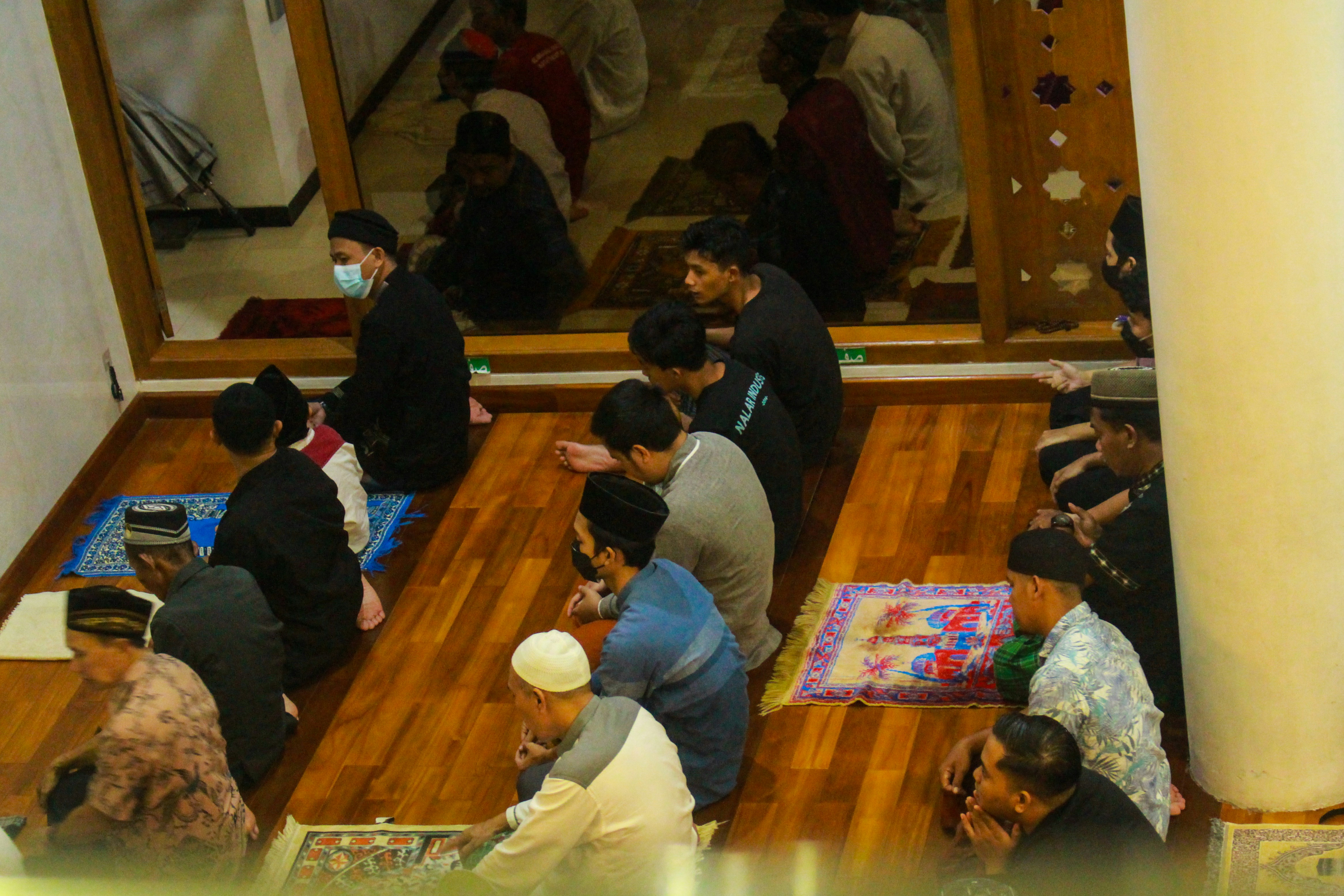
Introduction to Healing in Islam
Islamic teachings emphasize the importance of health and well-being, viewing them as gifts from Allah. The concept of healing in Islam encompasses both spiritual and physical dimensions, highlighting the interplay between faith and the natural world. Healing practices are deeply rooted in various Islamic texts and traditions, illustrating how Muslims approach illness and wellness. Historically, the Prophet Muhammad encouraged the seeking of cures while also promoting reliance on God’s wisdom and mercy.
Within the Muslim community, there exists a varied understanding of healing practices. On one hand, modern medicine is widely accepted and practiced, with advancements in healthcare offering effective treatments for physical ailments. On the other hand, traditional Islamic healing rituals continue to hold a significant place, often intertwined with the principles of faith. These practices may include the recitation of specific prayers (duas), the use of herbal remedies, and reliance on spiritual healers who are believed to possess unique knowledge of Islamic healing methods.
The distinction between religious healing practices and secular medical approaches is essential in understanding how Muslims navigate their health needs. While many turn to healthcare professionals for treatment, others may seek out spiritual healing as a complementary path. This duality reflects the Islamic belief that both faith and science can coexist, each offering different modalities for recovery and wellness. In this exploration of healers in Islam, it is important to recognize the diverse perspectives within the faith, as well as the respect for both traditional and contemporary approaches to healing.
Historical Context of Healers in Islamic Culture
The practice of healing within Islamic civilization has deep roots, intertwining with the religious, cultural, and scientific developments throughout history. Healers and scholars within the Islamic world have made significant contributions to the field of medicine, often drawing on the works of ancient civilizations such as the Greeks and Persians, while also introducing their own innovative practices. One of the most notable examples is Abū Bakr al-Rāzī, also known as Rhazes, who lived in the 9th century. His comprehensive medical texts laid the groundwork for the systematic study of medicine and emphasized the importance of observation and experimentation.
Another pivotal figure is Ibn Sīnā, commonly referred to as Avicenna in the West. His seminal work, “The Canon of Medicine,” was a cornerstone of medical education for centuries, not only within the Islamic Golden Age but also in Europe during the Middle Ages. This work integrated various healing practices, advocating for a holistic approach, which included the spiritual dimension of healing, a concept deeply rooted within Islam.
The evolution of healing practices in Islamic culture is also influenced by the diverse interactions among cultures and traditions. The contact with Indian Ayurvedic medicine, Chinese herbal practices, and indigenous healing systems enriched the Islamic understanding of health. Moreover, the contribution of Sufism, with its emphasis on the spiritual and mystical aspects of healing, further expanded the approaches toward health and illness.
Over the centuries, as globalization accelerated, Islamic healing practices experienced adaptations and transformations, such as the integration of modern medical techniques alongside traditional ones. Thus, healing, rooted in faith and culture, continues to evolve, reflecting ongoing dialogues between Islamic principles and contemporary health practices.
Islamic Perspectives on Health and Wellness
In the framework of Islamic teachings, health and wellness are viewed as fundamental attributes of a balanced life. The Quran and Hadith, the primary sources of guidance for Muslims, emphasize the significance of maintaining physical, mental, and spiritual well-being. This holistic approach is deeply rooted in the understanding that every aspect of one’s health is interrelated, contributing to a comprehensive sense of wellness.
Islam encourages followers to adopt healthy lifestyles, as reflected in numerous verses of the Quran. For instance, believers are urged to consume wholesome and lawful food, highlighting the importance of a nutritious diet in achieving physical health. The Quran states, “Eat and drink, but be not excessive. Indeed, He likes not those who commit excess” (Quran 7:31). This verse indicates that moderation is key, not only in dietary choices but also in various aspects of life, including physical activity and mental health.
Moreover, the Sunnah, or the teachings of Prophet Muhammad, further elaborates on the importance of health. The Prophet’s sayings and actions promote regular physical exercise, personal hygiene, and mental wellness. For instance, the Prophet emphasized the benefits of soaking up sunlight and maintaining cleanliness, both of which contribute significantly to one’s overall health. Additionally, spiritual health is addressed through practices such as prayer and meditation, which help foster inner peace and mental clarity.
In summary, Islamic teachings encapsulate a holistic view of health that transcends merely physical or mental wellness. Instead, it invites individuals to incorporate spiritual practices, nutrition, and physical fitness into their lives, emphasizing that true health is an integration of body, mind, and spirit. As such, many Muslims turn to spiritual healing practices as complementary strategies to maintain their wellness in accordance with their faith.
Types of Healers in the Muslim World
In the diverse landscape of Muslim-majority countries, various types of healers offer their services, drawing on a mix of traditional practices and spiritual beliefs. Understanding these healers is essential for grasping the rich tapestry of faith and healing within the Islamic community.
One of the primary types of healers found in the Muslim world is the traditional healer. These practitioners often use methods passed down through generations, focusing on holistic approaches that consider the body, mind, and spirit. Their techniques may include rituals, the use of natural remedies, and cultural practices aimed at restoring balance and health. Traditional healers are often respected figures in their communities, as they bridge the gap between modern medicine and cultural heritage.
Another significant group consists of herbalists, who are adept in the knowledge of plants and their medicinal properties. Herbalists utilize a wide range of herbs, roots, and other natural substances to concoct remedies that are believed to cure or alleviate various ailments. In many Muslim cultures, the use of herbal medicine is not only common but also deeply embedded in the belief that nature provides the tools for healing.
Furthermore, spiritual healers hold an important place within Muslim communities. These practitioners often employ prayer, recitation of Qur’anic verses, and other spiritual techniques to facilitate healing. This form of healing is predicated on the belief in divine intervention and the power of faith. Spiritual healers may be particularly sought after for issues that are perceived to have a spiritual or supernatural component.
In summary, the types of healers in the Muslim world represent a rich blend of traditional, herbal, and spiritual practices. Each of these categories reflects the community’s cultural values and collective beliefs regarding health and wellness. The variety of healing practices highlights the resilience and adaptability of these healing systems in the face of modern challenges.
Spiritual Healing: Role of Dua and Ruqyah
In Islamic tradition, spiritual healing is fundamentally intertwined with faith, emphasizing the believer’s connection to God and the power of prayer. Two key practices within this realm are Dua and Ruqyah, both of which serve as vital instruments for seeking healing and relief from various ailments, be they physical, psychological, or spiritual. These methods highlight the importance of relying on divine intervention in a Muslim’s healing journey.
Dua, or supplication, is a personal communication with Allah where an individual expresses their needs, desires, and grievances. It is believed that sincere Dua, offered with faith and conviction, can lead to healing from afflictions and are often more effective when accompanied by a pure heart and intention. Muslims view Dua as a means to connect spiritually, and it serves to reinforce one’s dependence on Allah. The emphasis on making Dua is prevalent in many Quranic verses and Hadith, which underscore its significance as a way to not only beseech for one’s own welfare but also to express gratitude and seek guidance.
On the other hand, Ruqyah refers to the recitation of specific verses from the Quran and prophetic sayings to expel harmful entities and bring about healing. This practice is often employed in cases believed to be influenced by negative forces or the ‘evil eye’. Ruqyah involves a structured approach wherein verses are recited with the intention of invoking divine protection and healing. It is typically performed by individuals who are knowledgeable in these Quranic verses, demonstrating a blend of faith and learned spiritual practice.
The effectiveness of both Dua and Ruqyah lies in the underlying belief that Allah possesses ultimate power over all matters, including health and well-being. Engaging in these practices can offer psychological comfort alongside spiritual relief, as individuals cultivate a sense of hope and connection through their faith.
In contemporary Islamic communities, there exists a diverse range of perspectives regarding healing practices, particularly as they relate to the dichotomy between traditional and modern medicine. Many Muslims acknowledge the significance of traditional healing methods, which often encompass practices such as herbal remedies, spiritual healing, and the recitation of Quranic verses. These practices have deep roots in Islamic history and cultural heritage, often viewed as complementary to medical treatments rather than as competing alternatives.
However, there is also a growing emphasis on the utilization of modern medical practices within many Muslim communities. The proliferation of Western medicine has led to increased acceptance of scientifically validated treatments, including pharmacological interventions and surgical procedures. Islamic teachings often encourage seeking knowledge, which extends to promoting the pursuit of effective medical care as a means of preserving health. This perspective fosters a pragmatic approach towards healing, where both traditional and modern methods can co-exist and be integrated into comprehensive healthcare strategies.
Debates surrounding the use of traditional healing methods versus modern medical practices are present in some circles, particularly regarding issues such as efficacy, safety, and spiritual implications. Critics of solely relying on traditional methods argue that they lack the scientific validation that modern medical practices provide. Conversely, proponents of traditional healing advocate for its importance in addressing not only physical ailments but also spiritual and psychological well-being. This divide often reflects broader societal changes and differing levels of access to modern healthcare resources.
In many instances, the contemporary Muslim approach to health and healing involves a holistic view that recognizes the benefits of both traditions. There are movements advocating for integrative healthcare, which combines the wisdom of traditional practices with the advancements of modern medicine, ultimately aiming for a more comprehensive understanding of health in the context of faith. This synthesis reflects the adaptability of Muslims to emerging healthcare paradigms while still maintaining cultural and religious identities.
Real-life Experiences and Testimonials
Throughout history, many individuals have turned to traditional healing practices to seek relief from physical ailments and emotional distress. For numerous Muslims, these practices often align with their faith, intertwining spirituality and healing. One such individual, Amina, shared her experience of utilizing a traditional healer when she faced prolonged fatigue and anxiety. Seeking both medical advice and spiritual guidance, Amina visited a healer who incorporated natural remedies and prayers into her treatment plan. After several sessions, she reported significant improvements in her energy levels and overall well-being, attributing her recovery not solely to the herbal treatments but also to the supportive environment created by the healer.
Another testimonial comes from Omar, who turned to a local healer following a debilitating injury that conventional medicine could not fully remedy. He explained that the healer employed a mix of massage therapy and spiritual recitation, emphasizing the importance of a holistic approach. Omar noted that, alongside the physical therapy, the healer’s calming presence and spiritual guidance fostered a deeper sense of mental clarity and peace. This merging of physical treatment with spiritual support provided him with a sense of hope that conventional medical avenues had not achieved.
Moreover, Fatima, an experienced healer in her community, shared her approach to healing. She emphasized the significance of creating a bond with her patients, understanding their spiritual needs along with their physical ailments. Fatima explained that her practice includes not only herbal remedies but also the recitation of specific verses from the Quran, tailored to individual circumstances. Many of her patients report feeling a profound sense of relief, witnessing improvements in both their physical and spiritual health.
These experiences showcase the profound influence of traditional healing practices within the Muslim community, highlighting the complex interplay between faith, healing, and individual well-being. They represent a growing acknowledgment of the importance of integrating holistic methods alongside conventional treatments.
Challenges and Criticisms of Healing Practices
The practice of healing within the Islamic faith, while integral to many believers, faces various challenges and criticisms that warrant examination. One significant concern is the potential risk of individuals relying excessively on non-medical treatments, which may lead to detrimental health consequences. Many healers, especially those engaged in spiritual or alternative healing practices, may advocate for treatments that lack scientific validation. This can deter individuals from seeking conventional medical care, particularly when delays in treatment could exacerbate health conditions. The reliance on healers for cures, especially for serious ailments, raises ethical questions about the adequacy of care that some individuals may receive.
Furthermore, there is a legitimate concern regarding the exploitation of vulnerable individuals within this context. Some individuals seeking healing may be in dire physical or emotional states, making them susceptible to manipulation by unscrupulous practitioners. Stories of charlatans who promise miraculous cures in exchange for financial gain are not uncommon, leading to increased skepticism and caution among the broader community. This complicates the perception of legitimate healers who may adhere to ethical practices and offer genuine assistance, as their efforts can be overshadowed by negative experiences of others.
Additionally, there is a broader societal discourse that frames alternative healing practices, including those within the Islamic faith, as being at odds with modern medicine. Critics argue that this mindset can undermine the credibility of trained medical professionals and dismiss the value of integrative approaches that some practitioners may offer when combined with conventional treatments. Engaging critically with these concerns is essential for fostering a balanced understanding of the role healers play in the lives of Muslims, as well as finding ways to integrate these practices safely and ethically within the healthcare framework for the benefit of all believers.
Conclusion: The Intersection of Faith, Healing, and Modernity
The exploration of healing practices within Islam reveals a complex tapestry woven from spiritual beliefs, cultural traditions, and modern medical practices. Throughout this discussion, it became evident that the belief in healers, whether through traditional means or alternative modalities, is deeply embedded in the Muslim faith. These practices often serve as a source of comfort and hope for many, highlighting the profound connection between spiritual health and physical well-being.
Muslim communities display a rich diversity in their approaches to healing, ranging from the use of prayer and supplication to herbal remedies and professional medical interventions. This intersection of faith and healing illustrates the dynamic nature of belief systems and their adaptability in the face of modernity. While conventional medicine continues to play an increasingly dominant role in healthcare, the practices of faith-based healing remain relevant to many Muslims, who find solace in their cultural heritage and religious teachings.
The coexistence of traditional healing practices with modern healthcare illustrates a broader trend observed in various cultures around the world. This fusion allows individuals to draw upon the strengths of both systems, merging the spiritual with the empirical in their pursuit of health. It suggests that faith and modern medicine need not exist in opposition but can rather complement one another, supporting a holistic view of health that encompasses body, mind, and spirit.
Looking towards the future, it will be interesting to observe how Muslim healing practices evolve in an increasingly globalized world. Factors such as ongoing advancements in medical technology, evolving public health policies, and heightened awareness of mental health will undoubtedly impact the ways in which faith and healing are perceived and practiced. Ultimately, the landscape of healing within Islam will likely continue to reflect the intricate interplay of tradition and innovation, offering insights into how communities navigate their identities in a rapidly changing environment.
Leave a Reply