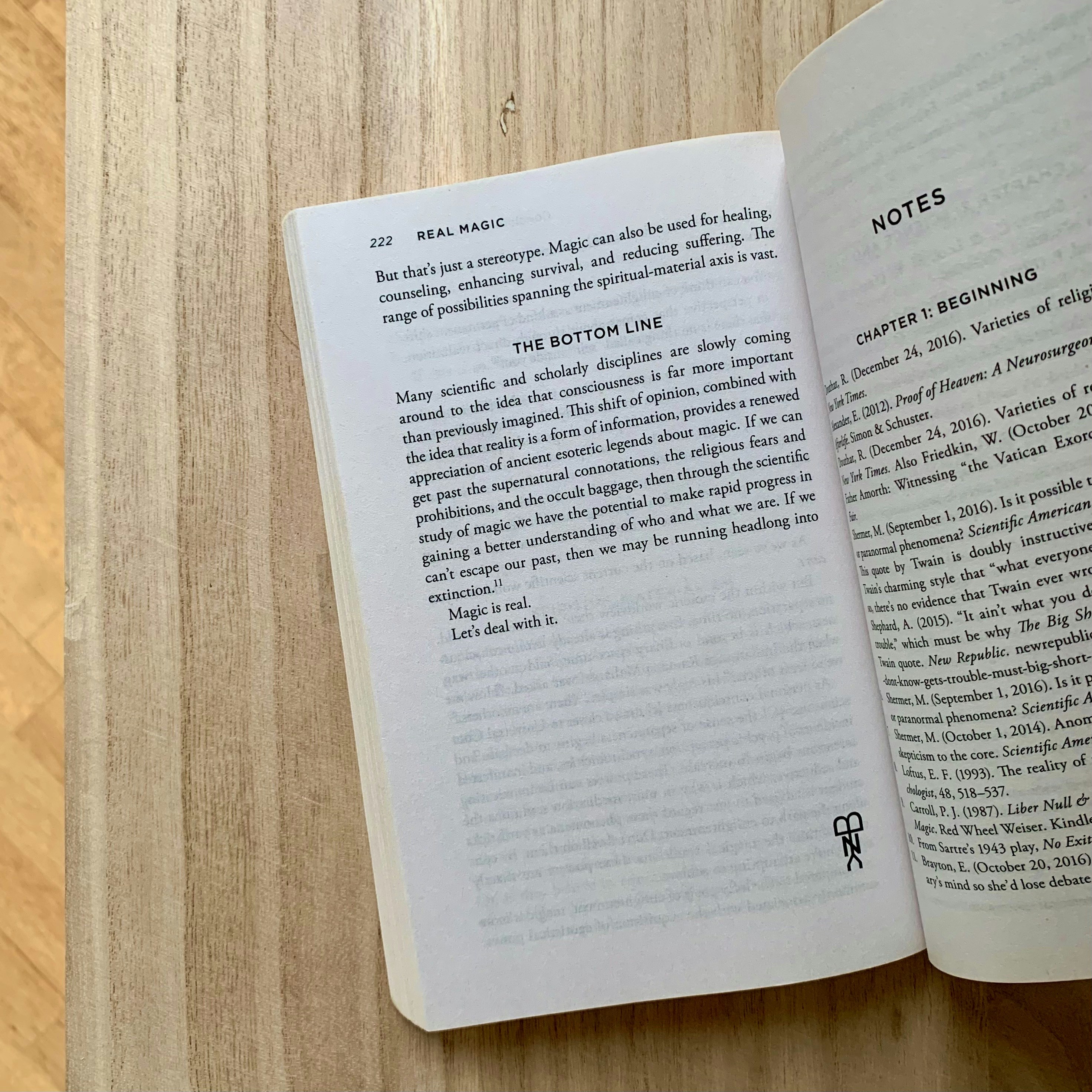
Introduction: Defining Magic and Religion
The relationship between magic and religion has been a subject of extensive debate and varying interpretations across cultures and time periods. Magic is often characterized as the use of supernatural powers to influence events and manifest changes in the world. It can take many forms, ranging from folk traditions, rituals, and spells to divination and necromancy. Depending on the cultural context, magic can be either revered or reviled.
In many cultures, magic is seen as a useful tool, employed in rituals to heal, protect, or invoke blessings. Indigenous practices often incorporate elements of magic, utilizing herbalism and shamanistic techniques to communicate with spirits or deities. In stark contrast, other traditions, particularly within certain monotheistic religions, categorize magic as forbidden or inherently evil, associating it with witchcraft or sorcery. This dichotomy exemplifies the broader spectrum of beliefs surrounding the practice and implications of magic.
Religion, on the other hand, is generally defined as a system of beliefs and practices centered around the understanding of spiritual existence and the divine. This often involves worship, moral codes, and community practices aimed at fostering a connection with a higher power. Notably, many religious traditions contain elements that can be construed as magical, such as prayer, sacraments, and miraculous events. This raises important questions regarding the definition of magic itself and its compatibility with the divine will.
As we delve into the discussion of whether God allows magic, it becomes essential to recognize the myriad interpretations of both concepts as reflected in diverse religious teachings and cultural beliefs. Ultimately, the distinctions between magic and religion are not always clear-cut, complicating the dialogue surrounding their intersection and influence in human society.
Historical Perspectives on Magic in Major Religions
The concept of magic has been a contentious subject across various major world religions, largely influenced by theological interpretations and historical contexts. In Christianity, magic is often associated with witchcraft and sorcery, which are regarded as forbidden practices. Early Christian texts, such as the Bible, contain numerous admonitions against engaging in magical practices. Miracles, however, are celebrated and viewed differently; they are perceived as divine acts performed by God through prophets and saints, showcasing the believers’ faith rather than human manipulation of supernatural forces.
Islam presents a nuanced view of magic. Within this religious framework, magic, or ‘sihr’, is categorically condemned as it is believed to be an act that opposes divine will. The Qur’an explicitly mentions the story of the two angels, Harut and Marut, who were sent to teach humans about magic but made it clear that such knowledge was a test of faith. Hence, practicing magic is seen as an act of disbelief in God. Nevertheless, Islamic tradition also acknowledges miraculous occurrences attributed to prophets, which are distinct from human-induced magical practices.
In Hinduism, on the other hand, the perception of magic can be quite complex. The religion recognizes various supernatural practices, often embedded within cultural traditions. While certain forms of magic are celebrated, like the use of mantras and rituals for positive outcomes, others may be viewed with skepticism or as taboo. In the context of Hindu scriptures, such as the Vedas, supernatural powers are seen as gifts from the divine, utilized by sages and deities to achieve particular aims.
Thus, within the historical overview of these major religions, there is a clear differentiation between acceptable supernatural practices, often linked to divine interventions, and those considered illicit, reflecting a broader narrative on faith and the supernatural.
Theological Views: Does God Condemn Magic?
The exploration of magic from a theological perspective unveils a complex interplay between faith and the supernatural. Various religious traditions address the concept of magic, often interpreting it through the lens of sacred texts and teachings. Many theologians resonate with the view that magic is condemned by God, primarily due to its associations with non-divine powers and potential idolatry. The Bible, for example, contains several passages that appear to denounce practices considered magical or sorcerous.
In the Old Testament, texts such as Deuteronomy 18:10-12 explicitly prohibit practices like divination, sorcery, and necromancy. These prohibitions suggest a clear theological stance that endorses reliance solely on God’s power rather than on human attempts to manipulate the supernatural. Similarly, in the New Testament, references to magic, especially in the context of witchcraft and sorcery, often align with warnings against turning away from faith in God. Acts 8:9-24, which recounts the story of Simon the Sorcerer, illustrates the early church’s view on the dangers associated with magic and its potential to mislead believers.
Nevertheless, interpretations of magic’s nature and its perceived threat to faith vary among theologians. Some argue that not all practices labeled as magic are intrinsically evil; they may view certain forms as cultural expressions or tools for healing when done with the right intentions. Moreover, the potential dichotomy between ‘white’ and ‘black’ magic further complicates theological stances. This leads to a nuanced debate on whether all forms of magic are inherently condemned or if some might align with divine purpose.
Ultimately, the question of whether God condemns magic depends on theological interpretation, contextual readings of scripture, and the broader implications of engaging with supernatural forces. Engaging with these theological views invites believers to reflect on their faith’s moral framework towards magic and the supernatural.
Magic as a Metaphor in Religious Narratives
Magic has long been a compelling element in religious narratives, often serving as a metaphor that conveys deeper truths about the nature of faith, morality, and the divine. In various religious texts, magical occurrences are not merely fantastical events but are laden with meaning that reflects the beliefs and values of the community. For instance, in many mythologies, the use of magic can symbolize the extraordinary connection between the divine and the mortal realms, illustrating how sacred forces intervene in human affairs.
One prominent example can be found in the stories of miracles attributed to divine figures. These acts can be viewed as ‘magical’ in nature because they defy the natural order; however, they simultaneously serve to reinforce theological concepts such as divine omnipotence and benevolence. In this context, magic becomes a narrative device that allows believers to explore themes of hope, redemption, and the nature of good versus evil. Through magical elements, narratives can effectively communicate complex moral lessons and the importance of faith in guiding human behavior.
Moreover, the intersection of magic and religion can raise intriguing questions about their relationship. While some may argue that magic conflicts with strict interpretations of divine power, others see it as a means of expressing human wonder and the quest for understanding. The symbolic use of magic in spiritual texts can evoke a sense of mystery and awe, prompting believers to reflect on the limitations of human knowledge in comprehending the divine. Consequently, the coexistence of magical metaphors within religious frameworks challenges adherents to reconcile their faith with the extraordinary.
Cultural Interpretations of Magic: Case Studies
Across the globe, various cultures have distinct interpretations and practices of magic, often entwining these traditions with religious beliefs. In some societies, magic is considered an integral part of their spiritual life, wielded by shamans or priests. For instance, in many Indigenous cultures in North America, shamans serve as mediators between the spiritual and physical worlds. These practitioners often utilize ritualistic magic for healing purposes or to ensure a successful hunt, which is seen as a form of reverence rather than blasphemy.
Conversely, in Western contexts, such as during the medieval period, magic was frequently viewed with suspicion. The Catholic Church condemned practices of witchcraft and sorcery, categorizing them as heretical. The infamous witch hunts exemplified a profound conflict between emerging scientific understanding and entrenched religious beliefs. This resulted in a societal perception that any supernatural practice, other than sanctioned religious rites, was blasphemous.
Moving to African traditional religions, one observes a different approach. Magic, or ‘witchcraft’ as it is often termed, is deeply woven into the belief systems of many African communities. It plays a dual role: a means of empowerment and a source of fear. Local beliefs often dictate that magical practices can either be benevolent or malevolent, shaping the relationship individuals have not just with one another but also with their deities. In these cases, magic interacts with faith, and practitioners can find themselves revered as spiritual leaders.
In cultures like those of the Caribbean, syncretism has created unique blends of African, indigenous, and Christian beliefs. Practices such as Vodou contain rich magical traditions that coexist with Christian elements, showcasing an intricate relationship where magic is not inherently seen as contrary to faith but intertwined with it. This highlights the complexity of cultural interpretations of magic and their intersection with religious beliefs.
Personal Experience: Faith and Practice of Magic
For many individuals, the practice of magic intertwines closely with their spiritual beliefs, creating a unique dynamic that influences their daily lives. A practitioner of Wicca, Sarah, shares that her faith and practice are profoundly linked; she believes that magic is a natural extension of her spirituality. “Magic,” she explains, “is a way to connect with the divine forces present in the universe. I see it as an enhanced form of prayer, one that actively involves invoking these energies to manifest change in the world around me.”
On the other hand, Michael, who identifies as a Christian, describes a different relationship with the concept of magic. While he does not engage in traditional magical practices, he finds value in the idea of miracles as manifestations of divine intervention. He states, “I believe in the power of faith to inspire change and hope in our lives, but I draw the line at what I consider to be magical practices. To me, true power lies in sincere prayer, not in spells or rituals.”
This contrast highlights how individuals navigate their beliefs amid differing perspectives on magic. For Jackie, who practices folk magic derived from her ancestral traditions while identifying as Catholic, maintaining both aspects of her faith creates a rich tapestry of belief. “I don’t see my magical practices as conflicting with my faith. They are deeply rooted in love for my heritage and my connection to God. I use herbs and rituals for healing, always with the intention of aligning with divine will.”
These personal experiences illustrate the nuanced relationships between faith and the practice of magic. Many find that their spiritual beliefs do not have to be at odds with their exploration of the supernatural. Instead, the integration of magic into their spiritual lives serves as a means to deepen their understanding of both their faith and the world around them, resulting in a more comprehensive outlook on their spiritual journeys.
Contemporary Views: The New Age Movement and Magic
The New Age movement represents a melting pot of spiritual practices that often incorporate elements of magic and mysticism. Emerging predominantly during the late 20th century, this movement seeks to transcend traditional religious boundaries, as practitioners might draw from various ancient traditions and modern spiritual philosophies. Within this context, magic is frequently explored not merely as an isolated concept, but as a valid means to access higher states of consciousness or divine guidance.
Central to the New Age approach is the belief that individuals can harness magical practices to transform their lives. This reflects a broader contemporary shift where magic is often viewed as a tool for personal empowerment, healing, and spiritual awakening. The rituals and practices adopted may include visualization techniques, intention-setting, or energy work, often framed within a psychological or metaphysical context. Consequently, traditional theological views are often reinterpreted through a New Age lens, raising questions about the nature of divine intervention in this new paradigm.
Moreover, the incorporation of magic into spiritual practices is not without controversy. Critics argue that such blending could dilute the core tenets of established religions. However, many adherents contend that their practices do not contradict their faith. Instead, they foster a more inclusive understanding of the divine that embraces the intersection of faith and the supernatural. This ongoing dialogue between traditional religious beliefs and contemporary spiritual practices demonstrates an evolving landscape of spirituality, particularly within the New Age movement.
The Psychological Aspect of Belief in Magic
Belief in magic often reflects deeper psychological needs and existential quests that individuals undertake in life. The allure of magic is sometimes rooted in the human desire for control over uncertain circumstances. In times of stress or distress, the prospect of magical solutions can offer a sense of empowerment and reassurance. People may engage in magical practices to gain a semblance of control over their environment, particularly when faced with challenges that seem insurmountable. This psychological comfort can be compelling, leading individuals to perceive magic as a source of agency in their lives.
Additionally, belief in magic can stem from the innate human search for meaning. In a world filled with complexities and ambiguities, magic provides explanations for the inexplicable and serves as a framework through which individuals can interpret their experiences. Rituals and magical practices often symbolize personal transformations or milestones, rendering them significant in the individual’s life journey. Such practices can infuse ordinary events with a sense of purpose and depth, allowing individuals to anchor their identity within a broader narrative that transcends the mundane.
Furthermore, community plays a critical role in shaping beliefs in magic. Social interactions within communities can reinforce magical practices, fostering a shared sense of identity among members. These communal beliefs often provide validation and emotional support, making individuals feel less isolated in their reliance on magic. The intertwined nature of personal belief systems with societal norms highlights the importance of cultural context in understanding the appeal of magic. Through communal activities and shared rituals, individuals often find solidarity and a collective identity, which further deepens their engagement with these supernatural practices.
Conclusion: Reconciling Faith and Magic
In contemplating the relationship between faith and the practice of magic, it becomes apparent that this intersection invites a multitude of perspectives. Various religious traditions and belief systems interpret the concept of magic differently, often leading to significant variability in how believers reconcile these two domains. For some, magic may represent a means of engaging with the divine, an act of empowerment, or an exploration of the natural world through spiritual lenses.
One of the primary considerations in this discussion is the underlying intention behind engaging in magical practices. If such practices are pursued with the aim of harm or manipulation, many faith traditions unequivocally view them as inconsistent with the principles of love, compassion, and respect that are central to the beliefs in a higher power. Conversely, when magic is approached as a harmonious extension of spiritual inquiry, it invites curious exploration, fostering a deeper understanding of oneself and the universe.
Moreover, cultural contexts play a pivotal role in shaping individual beliefs about magic and its compatibility with faith. Historical practices that were once deemed magical may evolve into accepted spiritual rituals, showcasing the dynamic nature of belief systems. This fluidity highlights the importance of dialogue within communities of faith, allowing for diverse interpretations while promoting mutual respect.
In light of these complexities, individuals are encouraged to engage with their own beliefs critically, striving to understand both their inherited traditions and their personal convictions regarding magic. By examining various viewpoints and acknowledging the diversity of thought that exists, one can navigate the intricate relationship between faith and magic, ultimately leading to a richer and more nuanced understanding of spirituality.
Leave a Reply