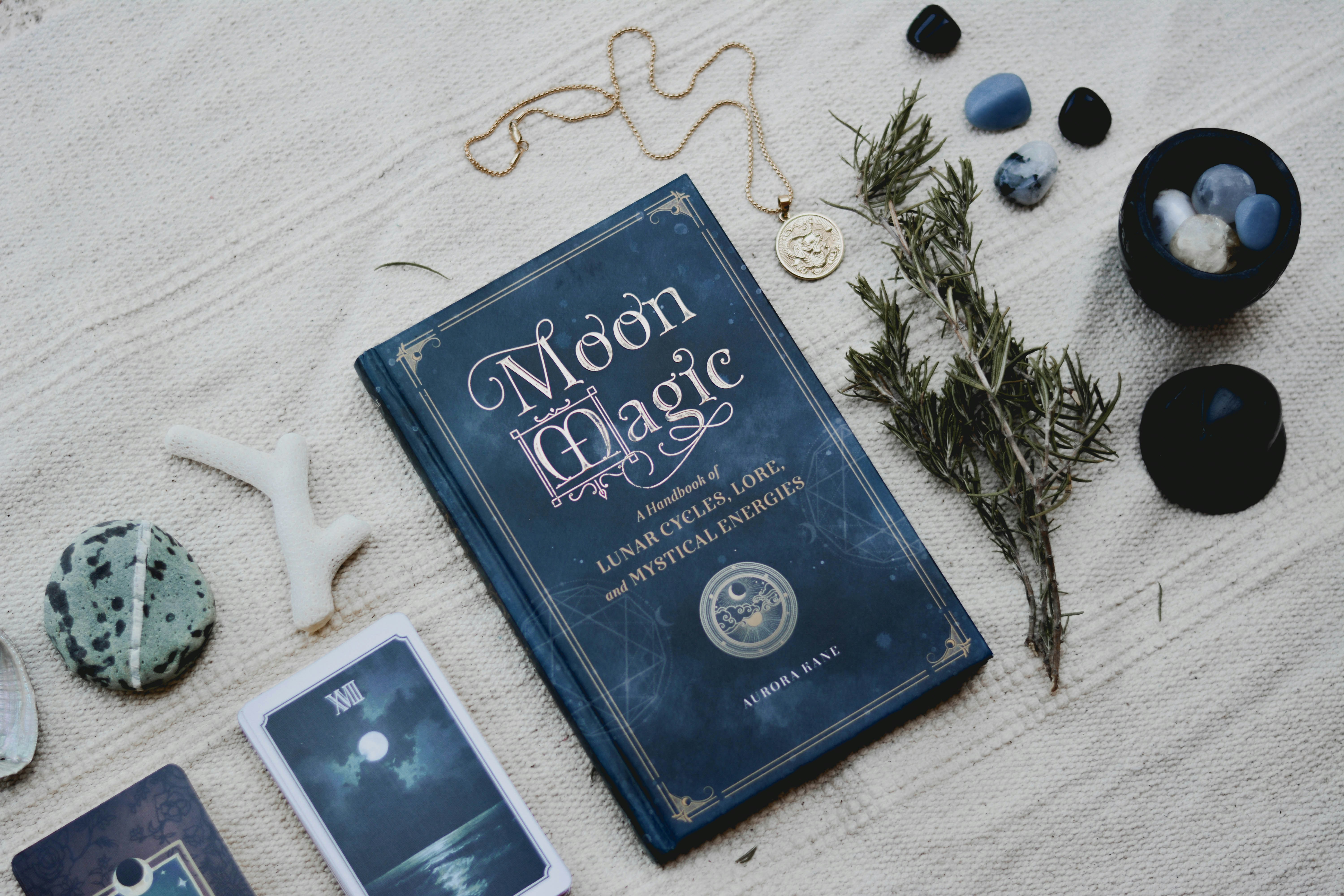
Introduction to Black Magic
Black magic is often understood as the use of supernatural powers or magic for evil and selfish purposes. Distinct from white magic, which focuses on healing and benevolence, black magic aims to manipulate individuals or circumstances through malevolent intent. This form of magic is frequently associated with the summoning of spirits, casting spells, and invoking curses, leading to its stark differentiation from other practices such as folk magic or ceremonial magic.
The historical context of black magic reveals its long-standing presence in various cultures, often linked with the darker aspects of human nature and societal fears. Its origins can be traced back to ancient civilizations, where rituals were conducted to harness supernatural forces for malevolent purposes. In many cultures, such practices were shrouded in secrecy and often fulfilled a social role, whether it was to offer protection against perceived threats or to exert control over enemies.
Over time, black magic has evolved, influenced by societal changes, religious beliefs, and cultural narratives. For instance, in the Middle Ages, the association of black magic with witchcraft led to widespread hysteria and persecution, particularly in Europe. This association created a stark divide in the public perception of magic, framing black magic as synonymous with evil practices and moral transgressions. Similarly, in modern interpretations, black magic is sometimes glamorized in various forms of media, leading to both fascination and fear in the collective psyche.
Understanding black magic requires recognition of its complex nature and its contextual evolution throughout history. As we explore further, we will delve into the various abilities attributed to black magic, examining how these practices are perceived and the implications they present in contemporary society.
Black magic, often characterized as the practice of using supernatural powers for malevolent purposes, has a rich and complex history that varies significantly across different cultures and time periods. In ancient civilizations, such as Mesopotamia and Egypt, practices considered to be black magic were often intertwined with religious rituals and personal empowerment, demonstrating the cultural significance attributed to these practices. For instance, the Egyptians had a profound belief in the power of spells and charms, which were thought to influence one’s fate or the favor of the gods.
In Europe, the perception of black magic began to shift dramatically during the Middle Ages and the Renaissance. The association of black magic with harm and witchcraft led to widespread paranoia, culminating in witch hunts and trials during the 16th and 17th centuries. Figures such as Heinrich Kramer, who co-authored the infamous “Malleus Maleficarum,” illustrated how black magic was perceived as a serious threat to society, prompting brutal crackdowns fueled by superstition and fear.
Different cultures have responded to black magic variously. For example, in West Africa, practices resembling what is termed black magic today are often rooted in ancestral worship and healing traditions. In these contexts, practitioners of such magic are often revered rather than vilified. Conversely, in Western societies, individuals associated with black magic, such as Aleister Crowley, faced significant backlash and controversy, broadening the discussion about its implications and moral standing within society.
This historical overview highlights how interpretations of black magic are deeply intertwined with cultural, religious, and social frameworks. As societies evolve, so too does the understanding and significance of black magic, indicating that its study reveals much about the human condition and societal values throughout history.
Defining Abilities of Black Magic
Black magic, often shrouded in mystery and intrigue, encompasses a variety of abilities attributed to its practitioners. These abilities are typically viewed as malevolent in nature and serve to manipulate forces beyond the natural realm for personal gain or to harm others. Understanding these abilities can provide insight into the complex nature of black magic and its practitioners.
One of the most commonly recognized abilities is the casting of curses. Curses are intended to bring misfortune or suffering to a specific individual or group. Practitioners may use specific rituals and incantations to invoke these curses, often ensuring that they target the desired recipient effectively. The impact of a curse can vary from mild annoyance to severe emotional or physical distress.
Another ability associated with black magic is the usage of hexes. Hexes are similar to curses but are typically less severe. They often serve as a form of retaliation or to create obstacles in someone else’s life. Hexing involves employing various symbols, herbs, and rituals to bind or impede another’s progress, creating a subtle yet impactful form of manipulation.
Additionally, summoning spirits is a prominent aspect of black magic. Practitioners believe they can communicate with and control spirits, both benevolent and malevolent. This practice often involves complex rituals to ensure proper communication and control over the summoned entities, with intentions that may range from seeking guidance to demanding assistance in enacting revenge.
Lastly, the manipulation of energy is a fundamental ability within black magic. This involves harnessing and directing energy for various purposes, whether it be to strengthen a spell, enhance a curse, or create an atmosphere conducive to magical work. Understanding how to manipulate energy allows practitioners to enhance their effectiveness and attain their desired outcomes.
Curses and Hexes: Tools of Black Magic
Curses and hexes represent some of the most distinct and feared tools within the realm of black magic. Practiced in various cultures and traditions around the globe, these malevolent spells are believed to bring harm, misfortune, or unrest to the targeted individual. At their core, both curses and hexes serve a similar purpose: inflicting negative consequences upon someone, often as a means of revenge, punishment, or even protection, depending on the beliefs of the practitioner.
The methodology behind casting these spells can vary widely. Typically, practitioners employ various rituals involving specific incantations, symbolic items, and sometimes even a connection to the lunar phases or other celestial bodies. In folklore, a curse may be enacted with the use of personal items belonging to the target, such as hair or clothing, to establish a deeper connection. This intimate association is believed to enhance the efficacy of the spell, making it more potent in achieving the intended outcome.
Personal anecdotes illustrate the impact of curses and hexes in vivid detail, sometimes recounting experiences where individuals perceived their lives altered dramatically. Reports from various cultures reveal accounts of families suffering from misfortune believed to stem from a powerful hex placed by a scorned adversary. Furthermore, numerous examples in folklore depict heroes overcoming such curses through bravery, wit, or divine intervention, often restoring balance to their communities. These narratives serve not only as cautionary tales but also as a testament to the belief in the tangible effects black magic can have on one’s life.
Though many modern practitioners view these spells with skepticism, the historical and cultural significance of curses and hexes in the domain of black magic remains profound, showcasing humanity’s long-standing fascination with the interplay between intention, energy, and the unseen forces that permeate our lives.
Manipulation of Energies
In the realm of black magic, the manipulation of energies is a crucial aspect that practitioners often harness to achieve their desired outcomes. This practice involves the ability to sense, control, and direct various forms of energy present in the environment or within individuals. Practitioners believe that all living beings emit energy, and by tapping into these energies, they can influence situations, health, emotions, and even thoughts.
The concept of energy work is rooted in several traditions and spiritual practices, where it is acknowledged that energies can be categorized into positive and negative forms. Black magic, often regarded as a more controversial practice, focuses on manipulating these energies for personal gain or to exert influence over others. The ability to direct energy can manifest in numerous ways, such as charms, incantations, or rituals specifically designed to amplify or contain particular energies. By utilizing visualization techniques, a practitioner may learn to visualize the flow of energy, thereby enhancing their control over it.
Understanding the significance of energy in black magic is essential to grasp how practitioners achieve their intents. The successful manipulation of energies often requires a deep understanding of one’s own emotional state and the energy dynamics at play in a given situation. This intricate interplay makes energy work both a science and an art, demanding intuition, focus, and practice. By fostering a connection with the energy surrounding them, practitioners of black magic can utilize these forces not only to influence their immediate environment but also to affect change over longer-term aspirations.
Summoning Spirits and Entities
In the realm of black magic, summoning spirits and entities is viewed as a powerful practice, often loaded with deeper significance and intent. Practitioners engage in rituals designed to invoke these supernatural beings, which can range from benign spirits to malevolent entities. This section explores the methods employed in these rituals, the different kinds of spirits that can be summoned, and the underlying intentions driving such practices.
The process of summoning typically begins with the preparation of a sacred space, often marked by specific symbols, charms, or altars. These setups are not arbitrary; they are meticulously designed to facilitate the interaction between the practitioner and the spiritual realm. Common methods of summoning include the use of incantations, offerings, and various forms of visualization techniques. Each ritual may differ based on the type of spirit desired, as well as the ultimate goal of the summoning.
Various categories of spirits can be summoned, such as ancestral spirits, elemental beings, and even demons, each with unique properties and purposes. Ancestral spirits can provide guidance and wisdom, while elemental beings are often invoked for their control over natural forces. On the other hand, demons may be summoned for darker intentions, reflecting the more controversial aspects of black magic. Understanding the nature and characteristics of these spirits is essential for practitioners, as it directly influences the effectiveness of the summoning ritual.
Intentions behind these practices are as diverse as the spirits themselves. Some individuals seek knowledge, protection, or the fulfillment of desires, while others may engage in these rituals for manipulation or harm. Ethical considerations often come into play as practitioners navigate the murky waters of black magic.
In conclusion, the summoning of spirits and entities in black magic encapsulates a complex interplay of ritualistic methods, diverse spirit types, and varying intentions. Such practices offer practitioners a pathway to engage with and potentially harness the unseen forces of the universe.
Divination and Black Magic
Divination, a practice that encompasses various techniques utilized to gain insights into the future or uncover hidden knowledge, plays a significant role in the realm of black magic. Practitioners often employ specific tools and methodologies to enhance their understanding of mystical forces and energetic influences. Among the most prevalent methods of divination in black magic are tarot cards, scrying mirrors, and rune casting, each providing unique channels for receiving guidance from the spiritual realm.
Tarot cards are perhaps the most recognized tool in the divination landscape. A typical tarot deck consists of 78 cards, divided into Major and Minor Arcana. Each card is imbued with symbolism that resonates with the practitioner’s intuition during readings. In black magic, tarot cards can be used not only for personal insights but also for predictive purposes, as different spreads reveal interconnected themes and potential outcomes. Practitioners interpret these cards, channeling energies that can provide clarity in decision-making or forewarning of forthcoming events.
Scrying, another popular divination technique, involves gazing into reflective surfaces such as mirrors, crystal balls, or even water to perceive images or visions. This technique allows practitioners of black magic to access their subconscious mind or receive messages from spiritual entities. The appeal of scrying lies in its subjective nature; each scryer may experience a different interpretation of the imagery presented during a session, making it a deeply personal tool for insight.
Furthermore, other techniques like rune casting, where ancient symbols inscribed on stones or wood are drawn, provide additional avenues for understanding hidden truths and foretelling events. Ultimately, these divination practices within black magic highlight the intricate relationship between intuition, symbolism, and the pursuit of knowledge beyond ordinary perception.
The Ethical Considerations of Black Magic
The practice of black magic has long been subjected to ethical scrutiny, primarily due to its association with manipulation and control over others. Ethical implications emerge from the intention behind the use of black magic, particularly when practiced for personal gain or to inflict harm. While practitioners may argue that black magic serves as a means of empowerment and healing, critics argue that it often disrupts the fundamental principles of consent and respect for free will.
Proponents of black magic might contend that utilizing its powers for personal advancement or to assist others can be morally permissible. They may believe that the ends justify the means, particularly in cases where individuals are seeking healing or resolution to challenging situations. For instance, some practitioners assert that the use of black magic in healing spells can facilitate recovery and emotional well-being, thus benefiting the individual and their community.
Conversely, critics emphasize the potential negative repercussions associated with black magic. They argue that manipulating others’ thoughts, emotions, or actions erodes the authenticity of human interactions and can have unforeseen consequences. This perspective raises a fundamental question: does the practice of black magic infringe upon the moral agency of individuals affected by its spells? The long-standing debate around good and evil further complicates this issue, as different cultures and belief systems offer varying definitions of what constitutes ethical behavior.
Ultimately, the ethical implications of black magic are complex and highly subjective, hinging on personal beliefs, cultural contexts, and individual experiences. As discussions surrounding morality in magic continue to evolve, practitioners and critics alike must navigate the intricate landscape of intentions, actions, and their inevitable consequences. No consensus exists, but understanding the moral considerations surrounding black magic allows for a richer dialogue on its place within society.
Conclusion: The Dual Nature of Black Magic
Throughout this exploration of black magic, we have delved into its multifaceted nature, unveiling its defining characteristics and implications. Black magic, often regarded with skepticism, combines powerful techniques that can deliver remarkable results, whether intended for healing, protection, or other personal gains. However, these abilities also raise important ethical questions. The duality of black magic makes it a controversial subject, as it can be employed for both benevolent and malevolent purposes.
As we examine the skills associated with black magic, it becomes clear that this ancient practice is not just a means to manipulate the unseen forces of the universe; it is also a reflection of the practitioner’s intent. The same tools that can be wielded to empower individuals in positive ways can also be twisted to inflict harm or foster chaos. This inherent conflict invites scrutiny and prompts an ethical debate about the responsibilities that accompany the use of such capabilities.
Moreover, black magic’s reputation often clouds its potential for good. Many practitioners advocate for a balanced perspective, emphasizing that it is not the magic itself but the intent behind it that ultimately shapes its effects on the world. This understanding encourages individuals to approach black magic with caution, respect, and a profound awareness of the possible consequences of their actions.
In reflecting on the insights gathered here, readers are invited to contemplate their views on black magic and its compelling strengths. Recognizing the complexities surrounding this practice can lead to a deeper appreciation of its potential while fostering an understanding of the moral implications involved. In a world where such abilities exist, it is essential to engage thoughtfully with the powers we choose to harness.
Leave a Reply