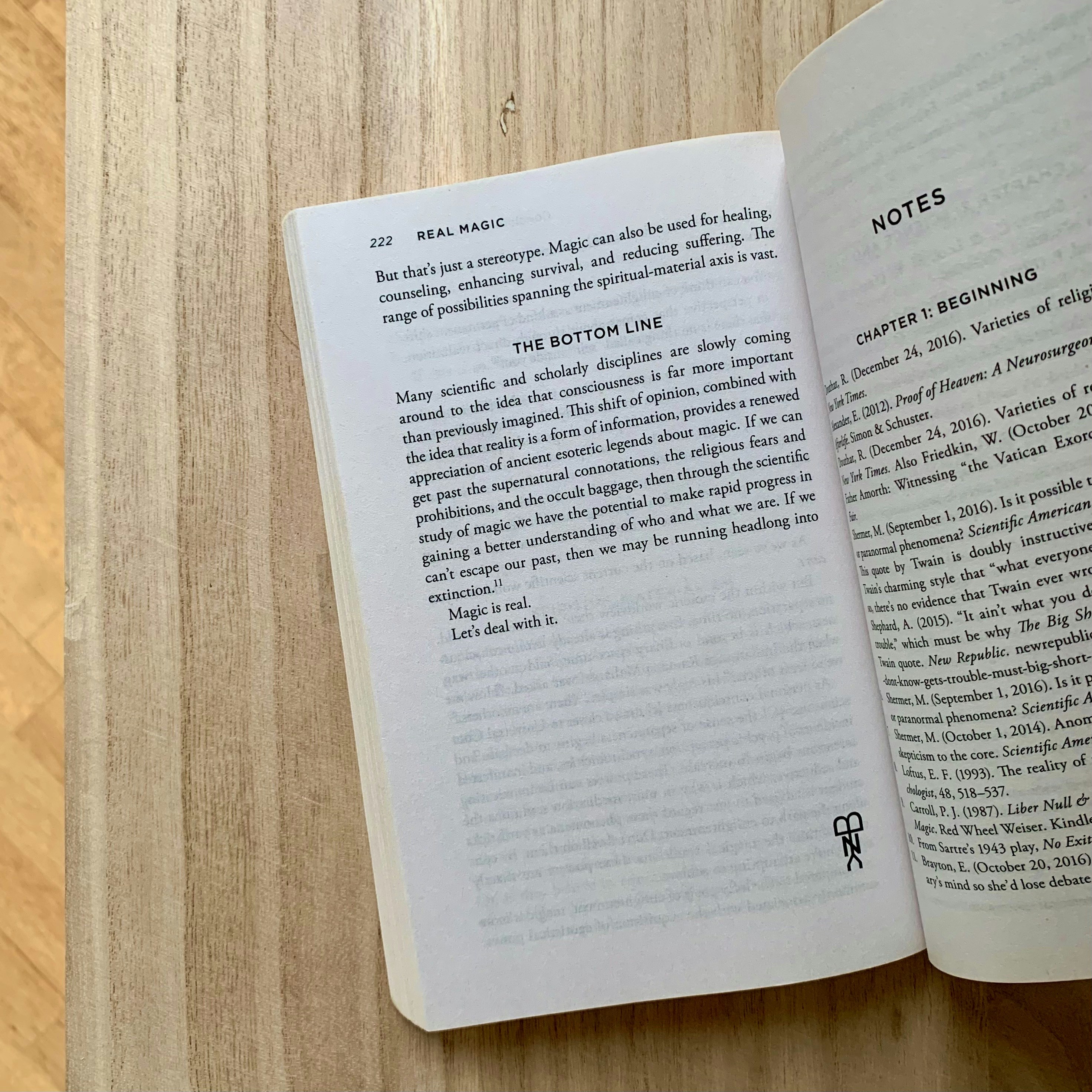
Introduction to the Concept of Magic
Magic, in its most elementary form, can be defined as the art of utilizing supernatural forces to bring about desired outcomes that often defy the laws of nature. Historically, magic has occupied a significant place in various cultures, serving as a bridge between the realm of the ordinary and the extraordinary. In many ancient societies, magic was intimately associated with the spiritual and religious practices of the community, where rituals and incantations were employed for healing, divination, or protection from malevolent entities.
The roots of magic can be traced back to the early civilizations, such as the Egyptians, Mesopotamians, and the indigenous peoples around the world. In these contexts, magic was not merely entertainment but was seen as an integral component of life, capable of influencing events and interacting with the divine. For instance, in ancient Egypt, magic was linked to the gods’ will, with rituals performed to invoke their favor or avert calamity. Similarly, Indigenous cultures often utilized magic in their shamanistic practices to connect with ancestral spirits or harness the energies of nature.
As societies evolved, so too did their interpretations of magic. The Renaissance period, for instance, witnessed a resurgence of interest in magic that mingled with scientific inquiry, leading to sophisticated magical theories. Furthermore, the Enlightenment brought about skepticism towards magic, framing it within the context of human psychology rather than as a tangible force. Today, while some still view magic through a mystical lens, others interpret it as a metaphor for personal transformation or psychological empowerment, reflecting contemporary values and beliefs.
Ultimately, magic profoundly impacts cultural storytelling, influencing the arts, literature, and entertainment. This ongoing fascination reveals humanity’s desire to connect with the unknown, providing a means to explore the unexplainable aspects of existence. Through various lenses, from historical to contemporary, the concept of magic continues to resonate, inviting ongoing inquiry into its profound significance.
The Role of Magic in Various Cultures
Magic has been an integral component of human culture throughout history, taking on various forms and meanings across different societies. Within indigenous rituals, magic is often seen as a bridge between the physical world and the spiritual realm. Tribes around the globe engage in practices that invoke ancestral spirits, allowing for healing and guidance. For instance, in many Native American cultures, shamans utilize rituals infused with magic to connect with nature and facilitate healing. These processes may encompass chanting, drumming, and herbal remedies, all intended to restore balance within the individual and their community.
Contemporary spiritual practices also showcase the pervasive presence of magic, albeit in more modern interpretations. For example, witchcraft has experienced a significant resurgence, with practitioners employing spells and rituals as forms of personal empowerment and healing. Many modern witches, drawing from historical practices, utilize potions and charms not only for self-betterment but also to foster communal bonds through collective rituals. This indicates that magic serves not just as a might for individual agency but also as a tool for community cohesion.
Moreover, in various Eastern traditions, magic is observed in the context of holistic healing. For instance, Traditional Chinese Medicine integrates concepts of Qi—often considered a life force—alongside acupuncture and herbal treatments to promote wellness. Here, magic is less about the supernatural and more about harmonizing energies within the body, emphasizing the thin line between healing practices and what some might classify as magic.
In conclusion, magic functions as a vital element in diverse cultural traditions, manifesting through rituals, healing practices, and community gatherings. By understanding how different societies interpret the concept of magic, we not only appreciate the depth of human belief systems but also how they contribute to social structures and individual well-being.
Historical Perspectives on Magical Cures
The intersection of magic and medicine has a long and intricate history, dating back to ancient civilizations. In many cultures, healing was often regarded as a spiritual or magical practice rather than a scientific endeavor. Ancient Egyptians, for example, attributed diseases to malevolent spirits and employed a range of magical spells and incantations in their healing processes. The Egyptian Book of the Dead contains numerous references to spells intended to banish illnesses and promote health.
Moving to the classical world, figures such as Hippocrates, often considered the father of modern medicine, recognized the limitations of magical explanations and sought to establish a more empirical approach. However, even in his time, the intertwining of magic and medicine persisted, as many healing practices still included ritualistic elements. His works acknowledge that while natural remedies could be effective, belief in the supernatural was pervasive among the populace.
In the Middle Ages, the role of magic in health and healing was notably complex, as it often existed in tension with the emerging sciences. The writings of scholars like Paracelsus exemplified the synthesis of alchemy, astrology, and medicine, where magical aspects were thought to influence the healing process. Paracelsus viewed illness through the lens of elemental imbalances, suggesting that magical cures could restore harmony.
This historical context illustrates how magical cures were deeply embedded in societal structures and cultural beliefs about health. Texts such as witchcraft manuals also reveal how the perception of magic shifted over time, particularly during periods of the witch hunts, where magic was often erroneously linked with malevolence rather than healing. Understanding these historical perspectives provides insight into the evolution of medical practices and the gradual distancing from magical interpretations towards more evidence-based methodologies.
The Psychology of Belief in Magic
The belief in magic, whether it pertains to magical cures or rituals, has long captivated the human imagination. This phenomenon can be understood through the lens of psychological principles, including cognitive biases and the power of suggestion. At its core, belief in magic often stems from the human propensity to seek patterns and meanings in life’s uncertainties. This is particularly evident in situations that are beyond our control, where individuals may turn to magical thinking as a coping mechanism.
One significant psychological aspect related to belief in magic is the placebo effect. This effect illustrates how expectation can elicit physiological responses. For instance, if an individual believes that a magical cure is effective, their psychological state may trigger real changes in their body. The brain’s powerful role in health and healing cannot be understated, as emotional well-being often influences physical conditions. Thus, in instances where people engage in magical rituals or practices, even if these actions are devoid of empirical support, the ensuing belief can lead to genuine improvements in mental or physical health.
Moreover, cultural influences play a crucial role in shaping these beliefs. Different societies have unique traditions and rituals that cater to the desire for health and well-being. The collective belief in these practices amplifies their psychological impact, potentially creating a positive feedback loop. Critics of magical practices argue that reliance on such beliefs can detract from scientifically proven medical treatments, leading to debates within the psychology community regarding their efficacy. However, it may also be viewed as a complementary approach to wellness, wherein individuals find solace and empowerment through adherence to their traditions.
In examining the interplay of belief and psychology regarding magic, we arrive at a nuanced understanding of its role in human health. The intersection of myth and reality emphasizes the importance of psychological factors that contribute to the belief in magic and the consequent effects on individuals’ lives.
Scientific Analysis of Magical Healing Practices
Throughout history, various cultures have embraced magical healing practices, often intertwining them with traditional medicine. Engaging in a scientific analysis of these practices reveals a tapestry of beliefs, outcomes, and methodologies that both challenge and enrich our understanding of healing. The intersection of magic and medicine opens a critical dialogue into how we perceive health, wellness, and the efficacy of non-conventional healing methods.
One notable case study is that of a traditional healer from a remote village who utilizes herbal remedies and ritualistic practices to treat a variety of ailments. The success of such healing has been observed in chronic pain management, where patients have reported significant relief following sessions. Scientific inquiry into these cases often employs qualitative methods, gathering patient testimonies alongside clinical assessments. This dual approach allows researchers to evaluate the psychological impact of belief and the physiological effects of the remedies used.
Conversely, not all magical healing practices yield positive results. One study examined the outcomes of individuals who relied solely on faith healing in place of conventional treatment for serious conditions, such as cancer. The findings indicated that, while some individuals experienced a perceived improvement in their symptoms due to psychological upliftment, there were significant negative consequences, including delayed diagnosis and treatment, leading to worsened health outcomes.
As we scrutinize these case studies, it is evident that magical healing practices can lead to varied outcomes, influenced largely by the patients’ beliefs and the cultural significance attributed to the healing process. While traditional medicine relies heavily on empirical evidence and standardized procedures, the subjective nature of magical practices invites a unique examination. This investigation not only elevates our understanding of health narratives but also emphasizes the importance of integrating cultural competence in our approach to medical care.
Personal Anecdotes and Modern Practices of Magic
Throughout history, countless individuals have reported personal experiences in which they have found relief from ailments through various forms of magical healing. These anecdotes vary widely, encompassing everything from herbal remedies and rituals to energy healing techniques. For instance, a woman named Sarah shared her story of how she battled severe anxiety and found solace in a guided meditation that incorporated visualization of healing light. This modern practice, which combines elements of mindfulness with magical thinking, profoundly altered her approach to mental wellness.
Similarly, another individual, Mark, recounts his experience utilizing crystal healing as a complementary therapy for chronic pain management. He found that specific stones, when placed on various energy points of his body, not only provided him with a sense of inner peace but also seemed to alleviate some of his physical discomfort. The current trend toward integrating crystals in wellness routines reflects a larger movement where individuals seek alternative healing methods to enhance their overall well-being.
In recent years, the blending of traditional magical practices with contemporary wellness trends has gained significant traction. Practices such as reiki, tarot card readings, and ritual baths are becoming popular among those exploring holistic approaches to health. Workshops that teach the art of spell casting for personal empowerment are also emerging, indicating a shift in public perception towards more inclusive definitions of healing. Participants often report feeling a connection to something larger than themselves when engaging in these spiritual activities, emphasizing the psychological benefits alongside any physical remedies they may seek.
The increasing popularity of these magical practices can be attributed to a growing desire for alternatives to conventional medicine, as well as the search for community and belonging among practitioners. Ultimately, personal anecdotes and modern practices converge to illustrate a vibrant landscape where magic and healing intertwine, offering individuals a myriad of pathways to achieve wellness.
The Ethical Implications of Magical Cures
The promotion and utilization of magical cures raise significant ethical concerns that deserve careful examination. Firstly, there exists the potential for exploitation, particularly among vulnerable individuals seeking relief from ailments that conventional medicine may not have resolved. This exploitation can manifest in numerous forms, from charging exorbitant fees for unproven treatments to providing false hope, which may lead to further emotional and financial distress.
Moreover, misconceptions surrounding magical cures can further complicate the landscape of healing. This may involve the belief that such cures can replace medical interventions, leading individuals to disregard necessary medical treatments. Such decisions can result in severe health consequences, particularly for those with serious conditions. The overlap between traditional healing practices and magical remedies often creates confusion, making it essential for practitioners to communicate clearly about the limitations and risks involved in their offerings.
In addressing these ethical implications, both magical practitioners and medical professionals hold a shared responsibility to uphold transparency and integrity. Practitioners in the field of magic must strive to present their services honestly, ensuring that individuals can make informed choices about their health. This includes providing evidence-based information, acknowledging the lack of scientific backing for many magical practices, and encouraging individuals to seek medical advice when necessary.
Ultimately, a collaborative approach is vital, where the mystical and medical fields can coexist harmoniously, fostering a greater understanding of each discipline’s strengths while safeguarding the welfare of individuals seeking care. By engaging in open dialogues about these ethical ramifications, both practitioners and their charges can contribute to a more responsible landscape around magical cures.
The Future of Magic in Healing
As society progresses and technology evolves, the perception and integration of magic in the realm of healing may undergo significant transformations. In recent years, there has been an increasing interest in alternative medicine and holistic approaches, often viewed through the lens of ancient wisdom and practices that echo magical traditions. This growing curiosity poses questions about the potential synergy between modern scientific medicine and magical methodologies.
With advances in technology, particularly in fields such as virtual reality and artificial intelligence, there is a possibility for innovative practices that incorporate elements of magic. For instance, immersive virtual environments could simulate healing rituals, allowing individuals to experience a sense of connection and empowerment that is often integral to magical healing practices. Such experiences could foster a deeper psychological state conducive to healing. Researchers might explore the psychological impact of these practices, expanding our understanding of how belief and intention can contribute to physical health.
Moreover, societal beliefs play a crucial role in the convergence of magic and healing. As individuals increasingly prioritize mental health and emotional well-being, there may be a broader acceptance of practices deemed as “magical,” including mindfulness, meditation, and energy healing. This shift could pave the way for a more inclusive perspective that sees magic not as an adversary of science, but as a complementary practice.
In conclusion, the future of magic in healing appears promising, as both technological innovation and shifting societal paradigms create an environment ripe for exploration. As we continue to dismantle the barriers between mystical and scientific realms, the potential for healing methodologies to evolve into more holistic practices may redefine our understanding of health and wellness in profound ways.
Conclusion: The Enduring Allure of Magic
The exploration of magic as both a concept steeped in myth and a potential avenue for healing unveils a rich tapestry of human experience. Throughout history, various cultures have embraced forms of magic, whether viewed as a spiritual practice, a metaphorical tool for understanding the human condition, or a legitimate method of healing. This enduring allure stems from humanity’s innate desire to seek the extraordinary within the ordinary and to find hope in the often-unexplainable.
As we traversed the overlapping realms of mythology, folklore, and contemporary healing practices, it became evident that the perception of magic remains multifaceted. The symbolic power attributed to magical practices offers not only an escape from reality but also the possibility of transformative experiences that can foster well-being. This dual function serves to bridge the gap between mystical traditions and modern psychological healing modalities, highlighting a significant intersection where belief and reality converge.
Cultivating a personal understanding of magic encourages an open-minded approach to its role in our lives. While some may regard magical practices with skepticism, others find comfort and inspiration in them. This divergence reflects broader human sentiments towards the mystical; certain philosophical beliefs propose that what one perceives as magic may simply reflect yet-to-be-explained truths about our existence. As we continue to navigate our realities, pondering the relationship between magic and our beliefs can lead to a deeper understanding of what it means to be human.
In conclusion, the enchanting allure of magic resonates deeply within us all, inspiring curiosity about both the mystical and the tangible. The journey into the intersection of myth and reality prompts us to contemplate the nature of healing and the capacity of belief to shape our experiences. As we reflect on these notions, we are invited to consider not only the magic that exists in our world but also the potential it holds for personal transformation.
Leave a Reply