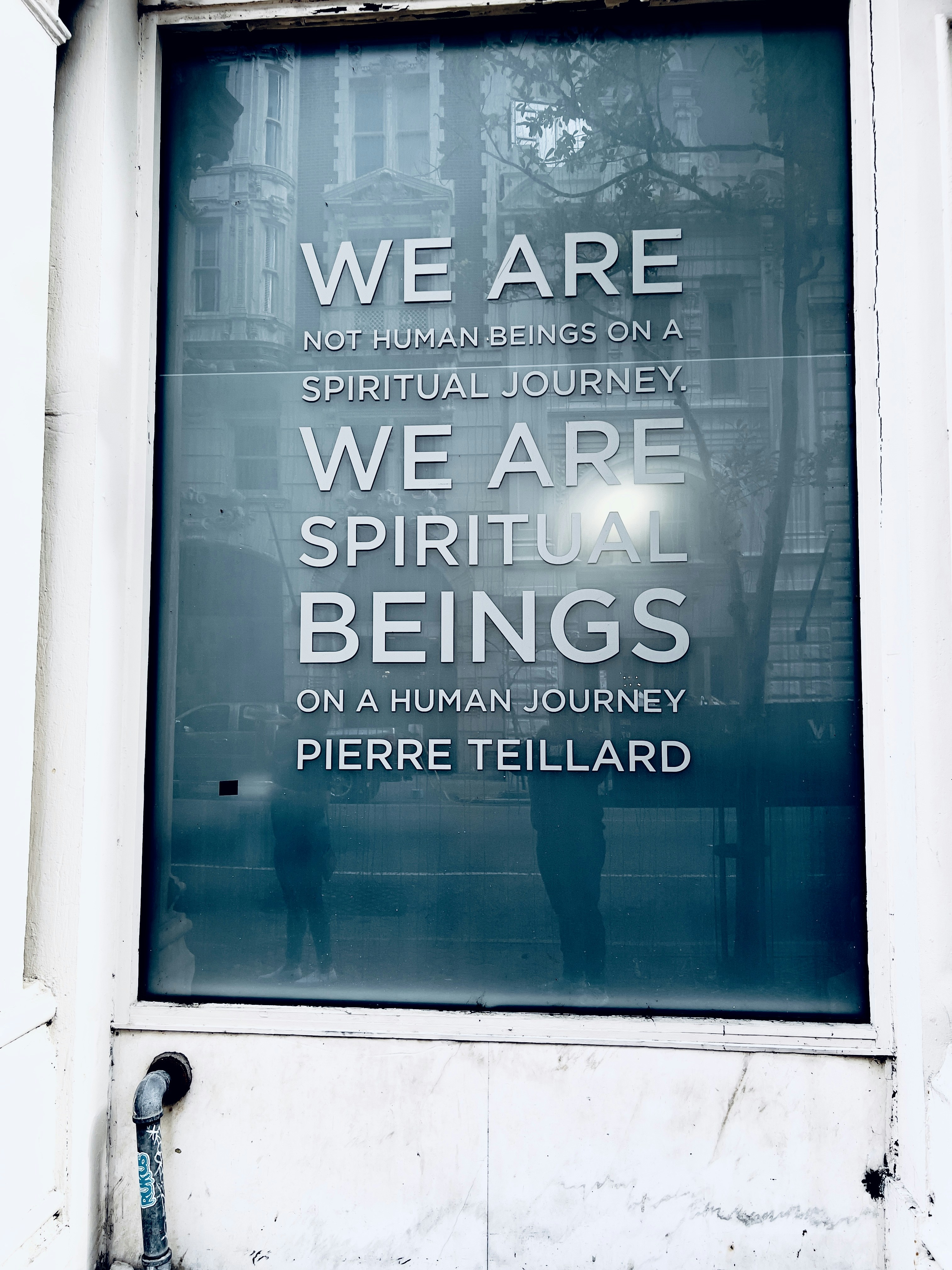
Introduction to Spiritualism
Spiritualism is a religious movement that emerged in the 19th century, significantly shaped by the advent of new philosophical ideas and scientific advancements of the time. Originating in the United States during the 1840s, it is grounded in the belief that the spirits of the deceased can communicate with the living. This communication is primarily facilitated through a medium, or a person sensitive to spiritual energies. The foundations of Spiritualism lie in the conviction that there is an afterlife and that individuals have the potential to connect with departed souls.
The core beliefs of Spiritualism provide a framework for adherents, centering around the notion of continuous life. Spiritualists assert that the soul never fully perishes; instead, it transitions to different states of existence. This perpetual existence is further validated by the Spiritualist Church, which emphasizes the moral and ethical principles guiding individuals on their spiritual journey. Importantly, the teachings within this tradition highlight the power of personal experience and the value of spiritual inquiry.
Integral to Spiritualist practice are the seven principles, which not only delineate the beliefs of the movement but also serve as guidelines for personal conduct and spiritual development. These principles encompass the pursuit of truth, the quest for personal enlightenment, and the promotion of compassion and understanding among practitioners. Understanding these principles is crucial as they inform how Spiritualists interact with both the material world and the spiritual realms. In this context, the seven principles offer a structured pathway to enhance spiritual awareness, shaping the beliefs and practices that characterize the Spiritualist community.
The First Principle: The Fatherhood of God
The first principle of spiritualism is the belief in the Fatherhood of God. This fundamental concept emphasizes the idea that a divine entity serves as the source of life and love for all beings. Recognizing God as a father figure creates a nurturing and protective image, fostering a sense of belonging among individuals and communities. This principle asserts that God is not only transcendent and mighty but also immanently involved in our lives, guiding and supporting us on our spiritual journeys.
Understanding God’s fatherly role invites individuals to reflect on their relationships, serving as a catalyst for personal transformation and spiritual growth. It encourages a more profound connection to the divine, prompting believers to seek guidance and wisdom through prayer, meditation, and other spiritual practices. The notion of God as a father highlights the dynamic aspects of love, encouragement, and guidance essential for emotional and spiritual well-being.
Moreover, this principle serves to cultivate a sense of community among believers. When individuals recognize that they are all children of the same divine source, it fosters unity and promotes empathy across diverse cultures and beliefs. It transcends superficial differences, establishing a foundation for cooperation and mutual understanding in various societal contexts. In this light, acknowledging the Fatherhood of God becomes a powerful means to bridge gaps between individuals and groups, emphasizing shared humanity and spiritual kinship.
In conclusion, the Fatherhood of God plays a vital role in spiritualism as it shapes individual beliefs, relationships, and community dynamics. By recognizing this divine connection, individuals can nurture their spiritual lives while contributing positively to the lives of others within their communities.
The Brotherhood of Man
The second principle of spiritualism emphasizes the profound concept of the Brotherhood of Man, underscoring the interconnectedness and equality that binds all humanity. This principle asserts that every individual, regardless of their background, race, or beliefs, is part of a larger spiritual family. The idea that we are all connected is not merely philosophical; it is a call to action, inviting us to recognize our moral responsibilities towards one another.
Compassion and empathy are at the core of this principle. By acknowledging that we share a common spirit, we are encouraged to approach each other with kindness and understanding. This outlook fosters an environment where individuals can thrive, as it cultivates mutual support and collective growth. When one person suffers, the impact is felt throughout the entire human family. Therefore, it is imperative to nurture a spirit of generosity, offering assistance and comfort to those in need.
The Brotherhood of Man also highlights the importance of equality. Spiritualism teaches that no one is inherently superior or inferior to another, reinforcing the idea that each person deserves respect and dignity. This egalitarian perspective prompts us to challenge societal structures that perpetuate division and injustice, urging us instead to work collaboratively towards a just and equitable world.
Moreover, this principle extends beyond interpersonal relationships, encouraging a sense of global solidarity. In an interconnected world, our actions significantly impact others, whether locally or globally. Cultivating a sense of brotherhood enables us to address pressing issues such as poverty, conflict, and environmental degradation. Ultimately, by embracing the Brotherhood of Man, we can foster a more peaceful and harmonious existence, recognizing that we are all threads in the intricate tapestry of life.
The Third Principle: The Communion of Spirits and the Ministry of Angels
The Third Principle of Spiritualism posits the belief in the communion between the living and the spirit world. This principle asserts that individuals can communicate with spirits of those who have passed on, fostering an ongoing relationship that transcends the physical realm. Spiritualists believe that this connection is not merely theoretical but can be experienced through various practices, such as mediumship, where trained individuals act as intermediaries between the two realms.
Mediumship plays a crucial role in the exploration of this principle, allowing for the dissemination of messages from spirits to their living loved ones. Mediums are often regarded as sensitive individuals who can tune into the vibration of the spiritual world, providing insights, comfort, and guidance from departed souls. This practice emphasizes the belief that spirits are eager to communicate, imparting wisdom and reassurance regarding life after death. As a result, the phenomena surrounding mediumship contribute significantly to spiritual practices and rituals within the community.
Additionally, the belief in the ministry of angels complements this communion, as spiritual guides and angels are thought to assist individuals on their earthly journeys. Many spiritualists assert that angels and spirit guides offer protection, support, and encouragement in times of difficulty. This divine guidance provides a sense of comfort and belonging, reinforcing the notion that individuals are never truly alone, even in their earthly lives. Furthermore, the acknowledgment of these celestial beings encourages practitioners to cultivate their spiritual connection and deepen their understanding of the unseen world.
In essence, the Communion of Spirits and the Ministry of Angels serve as fundamental tenets of Spiritualism, guiding adherents in their exploration of life beyond the physical. This principle not only enriches personal spiritual practices but also fosters a community centered on shared experiences and the collective pursuit of enlightenment.
The Fourth Principle: Continuous Existence
The concept of Continuous Existence forms a fundamental pillar within the philosophy of Spiritualism, encapsulating the belief in life after death. According to this principle, the soul is eternal, embarking on a continuous journey through varying planes of existence post the physical death of the body. This notion diverges from traditional views of mortality by asserting that life does not conclude at death but instead transforms into a new form of existence.
Spiritualists posit that the journey of the soul traverses multiple realms. These realms, often referred to as different planes of existence, are characterized by varying degrees of development, understanding, and vibrational frequency. Each plane serves as a learning ground for the soul, providing opportunities for growth and evolution. As the soul progresses, it learns from experiences, sheds past attachments, and gradually ascends through these planes. The understanding of this hierarchy emphasizes the importance of personal development and morality in one’s current life, as these qualities significantly influence the soul’s next steps in its afterlife journey.
Understanding the principle of Continuous Existence is vital for spiritual growth. It encourages individuals to reflect on their life choices and actions, promoting a mindset that prioritizes compassion, love, and understanding toward others. By recognizing the ongoing journey of the soul, individuals are inspired to live more ethically and purposefully, knowing that their actions have repercussions beyond the physical realm. Therefore, this principle emphasizes that the ethical and spiritual development of the individual is crucial for achieving higher states of existence, ultimately fostering a deeper connection with the universe and the divine.
The Fifth Principle: Personal Responsibility
The principle of personal responsibility within spiritualism asserts that individuals must recognize their autonomy and the impact of their choices. This concept is deeply intertwined with the belief in free will, positing that every action taken is a direct result of one’s decisions. As such, spiritualism teaches that individuals are not merely subject to fate or external forces but are accountable for carving their own paths.
Fundamentally, the idea of karma plays a pivotal role in personal responsibility. Karma, often understood as the law of cause and effect, suggests that the intentions and actions of an individual will influence their future experiences. Thus, actions motivated by kindness and integrity lead to positive outcomes, while negative behaviors invite consequences that may be adverse. By acknowledging this cycle, individuals are encouraged to act in accordance with their spiritual values, fostering a life of compassion, integrity, and purposeful living.
Moreover, embracing personal responsibility requires an examination of one’s own beliefs and life choices. Spiritualists are urged to engage in self-reflection, as understanding oneself is crucial in recognizing how one’s actions affect both their own lives and those of others. This pursuit serves not only personal growth but also enhances one’s connection to the collective consciousness that spiritualism espouses.
Ultimately, the alignment of actions with spiritual values empowers individuals to take ownership of their life stories. This deep-seated sense of responsibility promotes a healthier, more fulfilling existence, consistently reminding individuals that they are architects of their destinies. By recognizing the gravity of their actions and the importance of living within the framework of personal responsibility, individuals can transcend challenges and lead lives that embody the core tenets of spiritualism.
The Sixth Principle: Compensation and Retribution Hereafter
The principle of compensation and retribution hereafter forms a crucial part of Spiritualism, positing that each action undertaken in this life has corresponding consequences in the afterlife. This perspective emphasizes a moral framework wherein individuals are held accountable for their deeds, not merely in a social context, but on a spiritual level as well. The underlying assertion is that justice transcends earthly existence and continues beyond the physical demise of an individual.
This principle suggests that a divine system of justice is at play, ensuring that the ethical dimensions of one’s actions are duly recognized. For those who adhere to this belief, understanding that their choices carry weight provides a semblance of responsibility that transcends time and space. It serves as a guiding light to encourage morally upright behavior, emphasizing the idea that integrity and kindness will be rewarded, while harmful actions may lead to retributive experiences in the hereafter.
From the perspective of Spiritualism, this belief in posthumous justice not only reinforces ethical conduct but also serves as a source of comfort for many. It reassures individuals that injustices observed in the mortal realm are addressed in the spiritual one, thereby encouraging a life lived with intentionality and compassion. Furthermore, it fosters a mindset of reflection, pushing individuals to evaluate their life choices consistently and engage in self-improvement driven by the potential spiritual outcomes associated with their actions.
The Seventh Principle: The Progression of the Soul
The theory of soul progression is a core tenet of spiritualism, emphasizing the belief that each soul undergoes a transformation through multiple lifetimes. This transformative journey is shaped by a multitude of experiences, where each life presents unique challenges and opportunities for growth. According to spiritualist teachings, the soul learns valuable lessons in each incarnation, thereby contributing to its evolution.
In the context of this progression, personal and spiritual development is paramount. As individuals navigate their lives, they accrue experiences that contribute to their wisdom and understanding. These encounters serve as catalysts for the soul’s growth, enabling individuals to gain insight into fundamental life lessons such as compassion, forgiveness, and love. Each experience, whether positive or negative, is viewed as a stepping stone toward higher consciousness.
This ongoing evolution is not merely a linear progression but rather a complex, intricate process. Souls may encounter recurring themes and challenges across lifetimes, facilitating deeper exploration and resolution of particular issues. In spiritualist thought, this cyclical nature of existence allows for the refining of character and enhancement of spiritual awareness, leading to a more enlightened state in future existences.
Understanding the progression of the soul encourages individuals to examine their life choices and motivations. This introspective practice can inspire profound personal transformation, fostering an environment where spiritual growth thrives. As individuals align themselves with their higher purpose, they participate actively in their own spiritual journey, ultimately contributing to the collective evolution of humanity.
The concept of soul progression invites adherents of spiritualism to embrace their life experiences as integral to their spiritual path. By recognizing that each moment serves a significant purpose in the overarching tapestry of existence, individuals are empowered to pursue continual growth and enlightenment.
Conclusion: Integrating the Principles into Daily Life
As we delve into the essence of Spiritualism, it becomes evident that the seven principles serve as guiding lights for personal growth, understanding, and community interaction. These principles not only underpin Spiritualist beliefs but also offer a practical framework for enhancing daily life. By integrating these principles, individuals can cultivate a deeper sense of purpose and connection in their everyday experiences.
The first step in applying the seven principles is to develop an awareness of how they resonate with personal beliefs and values. This self-reflection can be facilitated through journaling or meditation, allowing for a greater understanding of how these spiritual ideas manifest in one’s life. Taking the time to consciously evaluate daily choices in light of the principles can lead to significant insights and transformative changes.
Furthermore, incorporating practices such as kindness, compassion, and community service into daily routines can embody the principles of Spiritualism. Whether it is through volunteering, being present for others, or simply extending a helping hand, these acts foster connection and community—all central tenets of Spiritualist thought.
Moreover, creating spaces for spiritual development, such as attending spiritual gatherings, connecting with like-minded individuals, or participating in study groups, can enrich one’s understanding and application of the principles. These interactions facilitate the sharing of experiences and ideas, further embedding the principles into everyday life.
Ultimately, the journey towards integrating the seven principles into daily life is deeply personal and ongoing. It invites individuals to continuously reflect upon their beliefs and actions. By making a conscious effort to embrace these principles, one can lead a more fulfilling, connected, and spiritually enriched life, thereby nurturing both personal well-being and the collective spirit of the community.
Leave a Reply