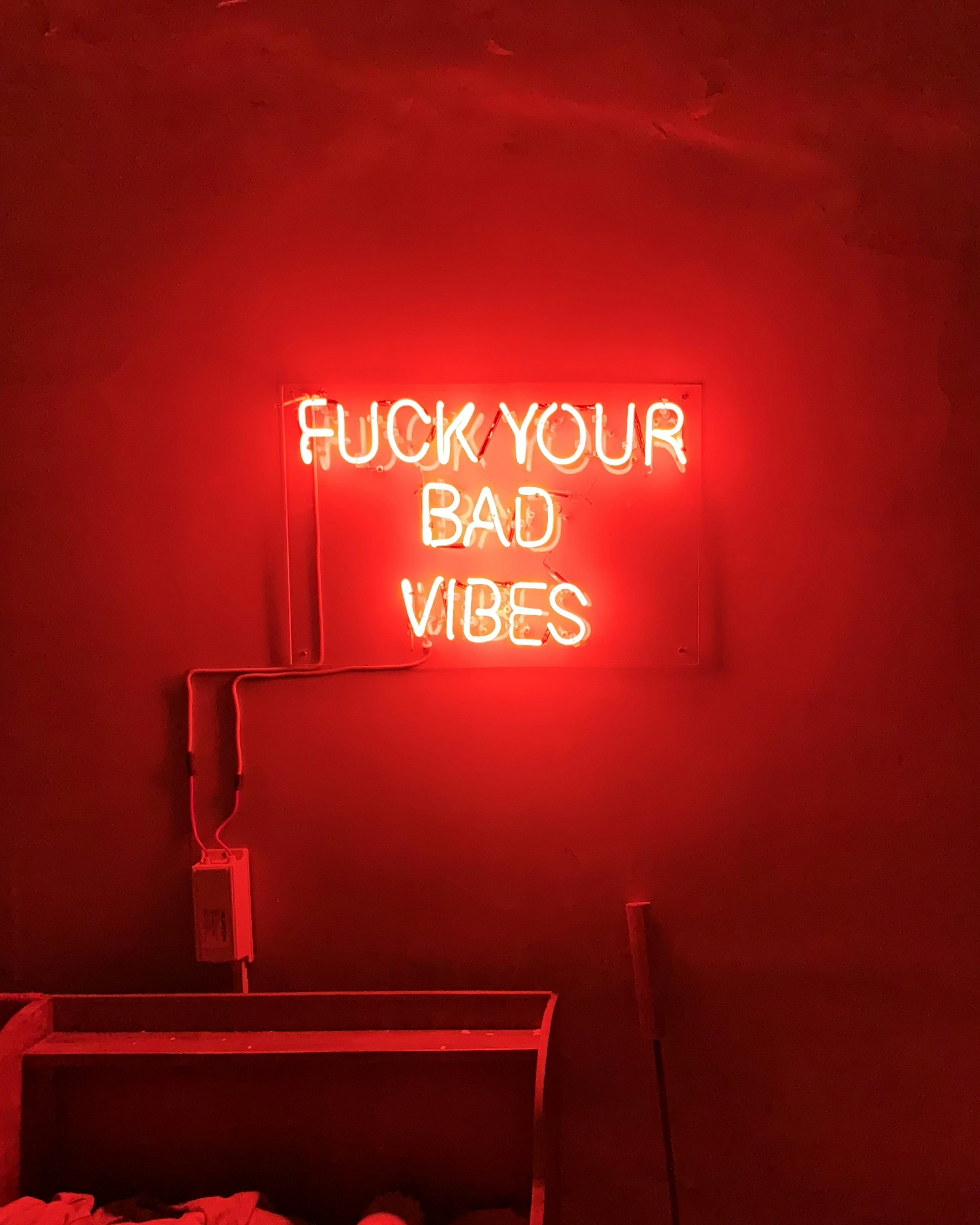
Understanding Energy and Its Impact on Our Lives
Energy is an intrinsic aspect of human existence that is often overlooked in our daily interactions. It manifests in various forms, both tangible and intangible, influencing our emotions, thoughts, and behaviors. The concept of energy can be broken down into two primary categories: positive and negative energy. Positive energy is characterized by feelings of joy, love, and peace, while negative energy encompasses emotions such as anger, resentment, and anxiety. Understanding these forms of energy is crucial for recognizing how they affect our relationships and overall well-being.
Individuals inherently emit energy that can significantly influence those around them. For example, being in the presence of someone radiating positive energy can uplift spirits and foster a sense of comfort and safety. Conversely, exposure to negative energy may lead to feelings of unease, tension, or discomfort. This interaction occurs because each person’s energy interacts with the environment, creating a dynamic that impacts emotional states and mental clarity. Thus, it is paramount to become aware of the energy we project into the world.
The interactions we have throughout our lives are heavily influenced by the energy exchanged during these encounters. From casual chats with colleagues to deeper relationships with friends and family, the energy transferred can either enhance or detract from our experiences. For instance, a friend who consistently supports and encourages us generates positive energy that can foster resilience and optimism. In contrast, someone who often expresses negativity can drain our emotional reserves, leading to fatigue and heightened stress levels.
In essence, understanding the nuances of energy allows individuals to navigate their social environments more effectively. By identifying sources of positive and negative energy, one can take proactive steps to enhance their own well-being and mitigate the impact of adverse influences. Through self-awareness and intentional interactions, it is possible to cultivate an atmosphere rich in positive energy, ultimately leading to more fulfilling relationships and a balanced state of mind.
Signs of Bad Energy in Interactions
Identifying whether someone is sending you bad energy can often be discerned through their behavior and communication patterns. Various key signs can signal negativity, and paying attention to these cues can help you navigate interactions more effectively.
One prominent indicator of bad energy is body language. Individuals projecting negativity may exhibit closed-off postures, such as crossed arms or avoiding eye contact. They may also display aggressive gestures, such as pointing or abrupt movements, which can create an atmosphere of unease. For example, in a workplace setting, a colleague who consistently leans away during conversations or maintains a tense posture may be radiating discomfort or ill intentions.
In addition to physical gestures, the tone of voice is another critical factor. A flat, dismissive, or overly critical tone can hint at underlying negativity. When someone speaks in a sarcastic or condescending manner, it can indicate a lack of respect or discontent. In a social context, if a friend frequently responds with a sharp or derisive tone, it might be a sign that their energy is low or harmful.
Moreover, specific phrases can also reflect bad energy. Frequent expressions of negativity, such as complaints or derogatory remarks about others, can be a clear indicator. For instance, during conversations, if a person often criticizes others while neglecting to acknowledge positive aspects, this behavior can suggest they are projecting their negative feelings onto those around them.
Recognizing these signs — body language, tone of voice, and specific phrases — can help individuals discern if others are sending bad energy. By being attuned to these indicators, one can take appropriate steps to either address the negativity or distance themselves from detrimental interactions.
The Role of Intuition in Detecting Bad Energy
Intuition, often referred to as a “gut feeling,” plays a significant role in our ability to recognize negative energy from others. It is an innate sense that helps us navigate social interactions, informing us of underlying emotions and intentions that may not be overtly expressed. This internal signal often stems from our subconscious ability to interpret non-verbal cues, tone of voice, and even body language—elements that can indicate when someone is projecting bad energy.
Our subconscious mind processes vast amounts of information on a daily basis, much of which occurs without our conscious awareness. When we encounter an individual exuding negative energy, our intuition can pick up subtle signals that suggest a lack of sincerity, hostility, or even manipulation. These instincts might manifest as physical sensations, such as a tightness in the chest, unease in the stomach, or a general sense of discomfort in that person’s presence. Trusting these feelings is crucial, as they can serve as a protective mechanism against potential harm.
However, it is important to differentiate genuine intuition from mere anxiety or preconceived biases. Intuition thrives in a state of openness and mindfulness; thus cultivating self-awareness allows us to discern when our gut feelings are signaling genuine negative energy. Engaging in practices such as meditation can heighten our sensitivity to these internal cues, enabling us to recognize patterns in our reactions to various individuals.
In recognizing these signs, individuals empower themselves to make conscious decisions about their social environments. Enhancing our ability to identify bad energy through intuition not only fosters personal growth but also promotes healthier relationships. Trusting this innate ability can ultimately lead to a more balanced and positive social life.
How to Interpret Physical Reactions to Bad Energy
The phenomenon of bad energy affects not only our mental well-being but also manifests physically through various symptoms. Recognizing how our bodies react to negative energy can provide a deeper understanding of our emotional states and allow us to protect ourselves from harmful influences. Common physical responses to bad energy include fatigue, tension, and discomfort.
Fatigue is a prevalent symptom that can arise from prolonged exposure to negative energy. When we engage with individuals who emit such energy, we may feel drained, possibly due to the emotional labor of countering their negativity. This exhaustion can impede daily functioning and affect our overall sense of well-being. Paying attention to persistent feelings of tiredness when around specific people can be vital in recognizing bad energy likely directed towards us.
Tension, particularly in the shoulders, neck, and jaw, can also signal the presence of negative energy. Often, these physical manifestations arise as our bodies instinctively react to discomfort, signaling unrest in our emotional landscape. It is crucial to be aware of these signs, as they can indicate unresolved feelings and stress created by external factors.
Furthermore, it is essential to understand the mind-body connection. Our emotional states can significantly impact our physical health, accentuating symptoms such as headaches or digestive issues when surrounded by negativity. This connection highlights the importance of emotional awareness—when we experience discomfort, it may stem from negative energy rather than physiological causes alone.
By tuning into these physical reactions, we can discern when individuals around us may be projecting bad energy, allowing us to take proactive measures to shield ourselves from potential harm. Understanding how negative energy affects our bodies ultimately leads to healthier interpersonal relationships and improved emotional resilience.
Impact of Bad Energy on Mental Health
Encountering bad energy from others can significantly impact mental health, leading to a range of psychological issues. This negative energy often manifests through interactions that are filled with criticism, hostility, or emotional withdrawal, creating an environment laden with stress. Over time, individuals exposed to this form of interpersonal negativity may experience heightened levels of stress. Stress, in turn, is a known contributor to mental health disorders such as anxiety and depression.
Consistently being subjected to negative energy can lead to feelings of helplessness, which may exacerbate anxiety. People may begin to feel as if they are under constant scrutiny or emotional attack, leading to a recurring pattern of worry and fear. This anxiety can hinder various aspects of daily life, impairing concentration and decision-making, thereby creating a cycle that is difficult to escape.
Moreover, the toll of bad energy can extend to depression. Prolonged exposure to negativity fosters a sense of isolation, making individuals feel disconnected not only from the source of the bad energy but also from their support systems. This disconnection can spiral into feelings of unworthiness and despair, as individuals grapple with the emotional weight imposed by their interactions.
The consequences of this emotional burden are further amplified when individuals internalize the bad energy they encounter. They may begin to mirror the negativity in their own thoughts and behavior, leading to a self-perpetuating cycle that drains their mental resilience. Reducing the impact of bad energy on mental health is crucial for fostering emotional well-being. Recognizing these negative influences can be the first step in cultivating healthier interactions and safeguarding one’s mental state.
Setting Boundaries to Protect Yourself from Bad Energy
In today’s fast-paced world, it is essential to establish boundaries that safeguard our emotional and mental well-being. Bad energy can easily seep into our lives through interactions with others, manifesting as negativity, criticism, or hostility. To mitigate these effects, it is crucial to recognize personal limits and communicate them effectively.
One effective strategy for setting boundaries is practicing assertiveness. It entails expressing your needs clearly and firmly, without being aggressive or apologetic. For instance, if someone frequently overwhelms you with complaints or negativity, it may be necessary to state that you need to limit your conversations about these topics. By doing so, you signal your unwillingness to absorb their bad energy while maintaining the relationship on healthier terms.
Moreover, creating physical space can also play a vital role in protecting oneself from negative influences. This might involve avoiding specific social gatherings where negative energy tends to prevail or spending less time in environments that drain your spirit. If a friend consistently leaves you feeling depleted, consider reducing the frequency of those meetups or suggesting activities that encourage positive interactions.
Emotional boundaries are equally essential. It can be beneficial to practice self-care techniques that help you recharge—such as meditation, journaling, or engaging in hobbies. These practices not only enhance your resilience but also limit the impact of bad energy from others. Remember, prioritizing your emotional health is not selfish; it is a necessary step towards fostering a positive environment both for yourself and those around you.
In conclusion, setting healthy boundaries is an effective strategy for protecting against bad energy. By communicating your needs and creating both physical and emotional spaces, you empower yourself to navigate relationships with greater confidence and clarity.
Channeling Positive Energy in Challenging Situations
In today’s fast-paced world, many individuals encounter negative energy, either from external sources or internal struggles. To counteract this bad energy and create a more positive environment, several techniques can be employed. Mindfulness practices, meditation, and the use of positive affirmations are effective methods that help transform challenging situations into uplifting experiences.
Mindfulness involves being present and fully engaged in the moment, which can effectively diminish negative energy’s impact. By concentrating on your breath and acknowledging your thoughts without judgment, you can create a safe mental space, allowing you to detach from negativity. Engaging in activities such as mindful walking or mindful eating fosters an appreciation for the present, making it less likely for external bad energy to influence your mood.
Meditation serves as a powerful tool for channeling positive energy. Regular meditation sessions encourage deep relaxation and mental clarity, allowing individuals to release any accumulated stress or negative feelings. By visualizing positive energy flowing into your body and pushing out negative energy with each breath, you train your mind to prioritize positivity. This consistent practice not only helps in managing adverse feelings but also builds resilience in the face of negative encounters.
The use of positive affirmations can reprogram our minds, shifting our focus away from bad energy. Simple yet impactful phrases, such as “I am surrounded by positive energy” or “I attract positivity,” can be repeated daily to foster a more positive mindset. Integrating these affirmations into your daily routine can help cultivate an optimistic perspective, assisting in the mitigation of negativity from external sources.
Ultimately, by incorporating mindfulness, meditation, and positive affirmations into daily life, individuals can effectively transform negative energy into a source of strength and positivity, creating a more balanced and harmonious existence.
Seeking Support: When to Reach Out for Help
Recognizing and managing bad energy can be a challenging experience. There are times when individuals may feel overwhelmed by the negative influences around them, which can lead to emotional distress or mental health concerns. In such instances, it is essential to understand when and how to seek support from external sources. Talking openly about one’s feelings can be beneficial in alleviating the burden of bad energy, helping to gain clarity and perspective.
One of the most effective ways to address feelings of overwhelm is by reaching out to friends or family. Sharing experiences with trusted individuals can cultivate a sense of community and support. These conversations can provide a safe space to express thoughts and feelings related to the negative energy experienced. By doing so, individuals can formulate coping strategies, gain insights, and feel less isolated in their struggles.
If the situation does not improve or continues to escalate, seeking professional support might be necessary. Mental health professionals, such as therapists or counselors, are skilled at helping individuals navigate difficult emotions and energy. They offer a structured environment to delve deeper into issues related to bad energy and provide tailored strategies to combat it. Professional guidance can serve as a pivotal step towards emotional healing and empowerment.
It is also essential to listen to one’s own emotional cues. If feelings of anxiety, stress, or sadness become persistent or intensify over time, this is a clear indicator that seeking support is important. The process of tackling bad energy need not be faced alone, and utilizing available resources can make a significant difference in one’s well-being.
Conclusion: Cultivating Awareness and Positivity
Understanding the dynamics of energy exchange in our interactions is vital for maintaining emotional well-being. Being aware of the energy we receive from others can significantly impact our mental state, relationships, and overall health. When one is conscious of the energies they encounter, they can differentiate between uplifting support and negative influences. This awareness fosters healthier relationships, as it allows individuals to navigate their interactions more effectively, protecting themselves from unwanted negativity.
Cultivating positive energy within oneself can create a protective barrier against detrimental vibes encountered in daily life. Individuals can promote a positive atmosphere by engaging in activities that foster joy and mindfulness, such as meditation, exercise, or creative expression. Surrounding oneself with supportive and encouraging individuals further reinforces this positive energy, creating a ripple effect that can transform one’s environment.
Moreover, it’s essential to recognize that positive energy is not merely about avoiding negativity; it is also about actively contributing to a harmonious environment. This involves being mindful of one’s expressions, intentions, and the energy one brings into interactions. By embracing positivity and letting go of negative emotions, individuals can elevate the energy dynamics around them.
In conclusion, cultivating awareness of the energies we encounter and fostering our positive energy is crucial for enhancing our interactions and overall quality of life. By prioritizing this awareness and seeking positivity, individuals can create healthier relationships and environments, contributing to their well-being and that of others. By doing so, we not only protect ourselves from bad energy but also become agents of positivity, inspiring those around us to embrace a more uplifting experience.
Leave a Reply