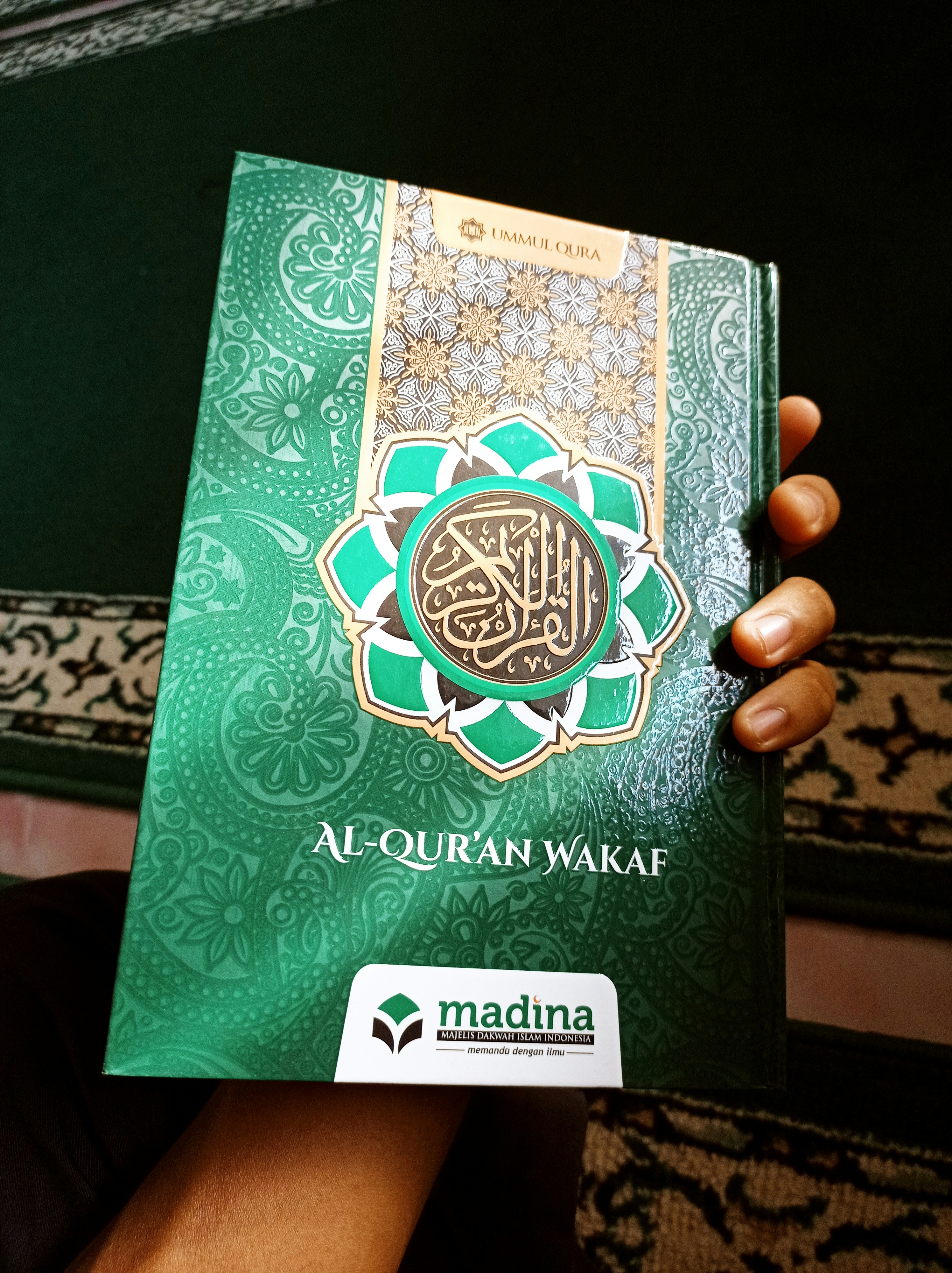
Understanding Ruqyah
Ruqyah is an ancient practice rooted deeply in Islamic tradition, encompassing a variety of prayers, supplications, and verses from the Quran, all intended to attain healing and protection from negative spiritual influences. Often referred to as spiritual healing, Ruqyah is recognized as an intervention for ailments attributed to spiritual causes such as possession, witchcraft, or the evil eye.
The origins of Ruqyah can be traced back to the practices of the Prophet Muhammad, who demonstrated the power of Quranic verses for protection and healing. This practice has been preserved throughout centuries and is widely accepted among Muslims as an effective method for remedying various afflictions, particularly those not easily treated through conventional medical means. It emphasizes faith in the divine will and the belief that true healing stems from Allah.
Unlike other healing practices that may rely on herbs, rituals, or theoretical frameworks, Ruqyah is unique in its exclusivity to the Quran. It is predicated on the notion that the sacred words of the Quran possess intrinsic power to heal and purify individuals from harm. Practitioners of Ruqyah utilize verses from the Quran, known as Ayat al-Shifa (Verses of Healing), alongside supplications known as Dua, to invoke divine assistance. This approach fosters a direct relationship between the believer and Allah, underscoring the importance of faith and spirituality in the healing process.
Moreover, unlike alternative therapies that may lack a spiritual component, Ruqyah distinctly integrates belief and worship into its practice. This not only offers psychological comfort to those seeking relief but also aligns the healing process with the principles of Tawheed, or monotheism, which is central to Islamic belief.
Signs and Symptoms Indicating the Need for Ruqyah
Ruqyah is a spiritual healing practice, predominantly found in Islamic tradition, serving to counteract negative influences believed to affect an individual’s well-being. Identifying whether one may require Ruqyah can often be derived from observing various signs and symptoms that manifest physically, emotionally, or spiritually.
One common indicator is the presence of unexplained illnesses. If an individual consistently faces health issues that resist medical explanation, these ailments might be cataloged as symptoms that warrant the consideration of Ruqyah. Such conditions might involve chronic fatigue, persistent headaches, or other bodily pains that remain undiagnosed, indicating underlying spiritual disturbances.
Emotional symptoms can also signal the necessity for Ruqyah. Feelings of persistent negativity, anxiety, or depression are noteworthy signs. Additionally, an overwhelming sense of despair or heightened reaction to minor stressors can suggest an external emotional influence. Individuals might find themselves entrapped in a cycle of negative thoughts that feel uncharacteristic of their usual mindset.
Furthermore, behavioral changes can suggest a need for Ruqyah. For instance, sudden alterations in temperament, increased irritability, or feelings of being perpetually overwhelmed in routine situations could indicate an external force at play. Clients experiencing extreme lethargy or a lack of motivation in pursuing daily tasks should also consider consulting for Ruqyah.
Finally, spiritual symptoms such as frequent nightmares, feelings of being watched, or disturbances during prayer may also hint at the necessity of Ruqyah. These experiences can undermine spiritual coherence, leading to a cycle of distress that disrupts an individual’s peace. Exploring these signs in a thoughtful, reflective manner can affirm whether the need for Ruqyah is pressing.
Common Misconceptions about Ruqyah
Ruqyah, an Islamic practice aimed at healing individuals through the recitation of Quranic verses and supplications, is often surrounded by numerous misconceptions that can lead to misunderstandings. One prevalent myth suggests that Ruqyah is solely intended for individuals possessed by jinn or experiencing extreme mental disturbances. While Ruqyah can effectively address such cases, it is also utilized for a range of ailments, including stress, anxiety, and general well-being. This broader application underscores the nuanced role Ruqyah can play in various health contexts.
Another common misconception pertains to the qualifications of those who administer Ruqyah. Many believe that only highly trained scholars can perform these healing rituals; however, the reality is that any devout Muslim with proper knowledge of the Quran and a sincere intention can engage in Ruqyah. It is crucial to ensure that practitioners adhere to Islamic guidelines, are well-versed in the Quran, and possess a genuine desire to seek healing for others. This democratization of Ruqyah often leads to confusion regarding who can legitimately practice it.
In cultural contexts, Ruqyah may be viewed through a lens steeped in superstition, which can detract from its spiritual significance. Some individuals might associate Ruqyah solely with folklore or traditional remedies, thus downplaying its scriptural foundations. It is essential to recognize that Ruqyah is deeply rooted in Islamic teachings, and it emphasizes the importance of faith and reliance on Allah’s power in the healing process. By addressing these misconceptions, individuals can begin to appreciate the true essence and potential of Ruqyah for spiritual and emotional relief.
Exploring the Psychological Aspect
The intersection of psychological health and spiritual disturbances, such as those addressed through Ruqyah, is a significant area of concern for many individuals. Often, people may find themselves experiencing symptoms that seem to defy rational explanation, prompting questions about the root causes of their distress. Spiritual disturbances can manifest in various ways, affecting one’s mental health by inducing feelings of anxiety, depression, or confusion. Individuals may feel overwhelmed by these sensations, leading to a breakdown in mental resilience. Understanding this relationship is crucial as it emphasizes the necessity of addressing personal well-being holistically.
Research has increasingly highlighted the mind-body connection. It suggests that unresolved spiritual issues can exacerbate psychological struggles. Consequently, individuals might seek out Ruqyah as a means to confront and alleviate these discomforts. Engaging in Ruqyah is not merely a path to spiritual healing but can also help individuals achieve mental clarity and emotional balance. By addressing spiritual ailments, one can foster a healthier psychological state, suggesting that mental and spiritual health interrelate significantly. This connection indicates that psychological resilience can be nurtured through spiritual practices.
It is also imperative to recognize that while seeking Ruqyah, one’s mental health needs must not be overlooked. The pursuit should be twofold—combining the spiritual aspect of Ruqyah with appropriate psychological support, such as counseling or therapy, is vital for holistic recovery. This integration ensures that any underlying mental health issues are addressed alongside spiritual practices, catering to the entirety of an individual’s well-being. Such an approach renders both psychological and spiritual support essential for those feeling the impacts of spiritual disturbances.
The Role of Intent and Faith in Ruqyah
Ruqyah, an Islamic healing practice, is deeply rooted in faith and intention (niyyah). The effectiveness of Ruqyah is significantly influenced by the mindset of the believer performing or receiving the treatment. In Islamic tradition, intention plays a crucial role, as it frames the purpose and sincerity behind one’s actions. When engaging in Ruqyah, the presence of a clear and sincere intention can enhance the overall experience, allowing the individual to connect more profoundly with the spiritual healing process.
Faith is another integral factor in the power of Ruqyah. A believer who approaches this practice with unwavering faith in Allah’s mercy and healing capabilities often experiences greater benefits. This belief acts as a catalyst, fostering a positive mental state that can facilitate healing. Many individuals report that their convictions and trust in the process fortify their resilience against distressing circumstances, which may include physical ailments or psychological challenges.
Moreover, the environment in which Ruqyah is practiced can reflect the practitioner’s or receiver’s faith. A tranquil and spiritual setting can bolster concentration and affirm the intention to seek healing. It creates an atmosphere conducive to spiritual connection, where distractions are minimized, and focus is prioritized. Consequently, the role of intention and faith cannot be understated when considering the effectiveness of Ruqyah.
In summary, when examining the intricacies of Ruqyah, one must recognize that intention and faith serve as powerful components that influence healing outcomes. Ensuring sincerity in one’s objectives and fostering a belief in divine support can pave the way for deeper spiritual fulfillment and healing through this practice.
When to Seek Professional Help
When considering the practice of Ruqyah, it is essential to recognize that certain situations may necessitate the involvement of professional medical or psychological support. Ruqyah is often associated with spiritual healing and is commonly utilized by individuals dealing with various disturbances, both physical and psychological. However, the complexities of certain ailments may require a different approach.
If an individual is experiencing persistent physical symptoms—such as unexplained pain, severe headaches, or unusual fatigue—it is crucial to consult a healthcare professional for a proper diagnosis. Medical conditions can be misinterpreted as spiritual disturbances; hence, a thorough medical evaluation should always be the first step in addressing health issues. Conditions like infections, hormonal imbalances, or chronic diseases often require immediate medical intervention that Ruqyah alone cannot provide.
Additionally, if someone is facing significant psychological distress, such as depression, anxiety, or trauma, professional help from a licensed therapist or psychologist may be necessary. Mental health conditions often manifest in ways that can be mistaken for spiritual afflictions, but they require evidence-based treatment strategies that can be effectively administered by mental health practitioners. Ruqyah can act as a complementary practice, but it should not replace conventional psychological treatments.
In some cases, it may be prudent to approach Ruqyah and professional help concurrently, especially for individuals seeking holistic healing solutions. An integrated approach of spiritual and medical treatment can cater to both physical and spiritual needs, enhancing overall well-being. Thus, discernment in knowing when to seek professional assistance alongside the practice of Ruqyah is critical for achieving optimal health outcomes.
Personal Experiences and Testimonials
Personal narratives surrounding the practice of Ruqyah can profoundly illuminate its significance and effectiveness on individual lives. Many individuals recount their journey into seeking Ruqyah as a last attempt to reclaim their health and peace of mind after enduring exhaustive medical treatments without substantial relief. For instance, one individual shared how relentless anxiety and sleepless nights plagued her for years. She felt a void that nothing in her environment could fill. Upon engaging in Ruqyah sessions, she described an overwhelming sense of tranquility enveloping her, which she had not experienced in years. This transformation served as a turning point, allowing her to resume her normal daily activities and reconnect with her family.
Another compelling story comes from a young man who faced severe emotional distress following a period rife with adversities. Initially skeptical of Ruqyah, he later reported that after a series of sessions, he noticed subtle yet significant changes in his emotional well-being. He cited that the recitations invoked in the sessions resonated with him on a spiritual level, fostering a sense of interconnectedness and restoration. This led him to believe that Ruqyah played a pivotal role in his gradual healing process.
Moreover, shared experiences from mothers seeking Ruqyah for their children often indicate the protective and healing properties they have witnessed. One mother recounted how her son, who had been struggling with frequent illnesses, exhibited remarkable improvement after receiving Ruqyah treatment. She expressed gratitude, stating that the sessions not only alleviated his physical ailments but also had a positive effect on his mood and overall temperament. These personal stories reflect the deep impact that Ruqyah can have on individuals and families, reinforcing the belief that such spiritual interventions can indeed facilitate profound healing and positive change in one’s life.
Preparing for a Ruqyah Session
Preparing adequately for a Ruqyah session is essential to ensure its effectiveness and your overall comfort. A clean environment can create a serene and conducive atmosphere, fostering a positive mindset necessary for the healing journey. Begin by decluttering the area where the session will take place. Clear away any distractions, such as phone devices or noise-making objects. This allows for a focused environment where spiritual healing can occur. Additionally, consider using incense or essential oils to purify the space, as this can help calm the mind and spirit.
Next, setting clear intentions is a vital part of the preparation process. Reflect on your reasons for seeking Ruqyah; be it for physical ailments, emotional distress, or spiritual concerns. Documenting your intentions can be beneficial, serving as a tangible reminder of your purpose. When you enter the session with well-defined goals, you channel your energy towards specific areas that require attention and healing. It can also be helpful to engage in a short practice of prayer or meditation to ground yourself before the session. This allows for a tranquil mindset, which is conducive to receiving the healing.
Adopting a positive mindset is crucial as well. Approach the Ruqyah session with an open heart and willingness to embrace the process. Fear or skepticism can hinder the healing, so let go of any negative thoughts that may arise. Engaging with a supportive community, discussing experiences, or seeking guidance from knowledgeable individuals in the field may also equip you with a stronger mental outlook. Ultimately, the more prepared you feel, both mentally and physically, the more beneficial your Ruqyah experience will be.
Conclusion and Moving Forward
As we conclude our exploration of whether you need Ruqyah, it is important to recap the key points discussed. Ruqyah, an Islamic practice of spiritual healing, is sought by individuals experiencing distress or discomfort believed to be caused by spiritual ailments. Recognizing the signs that may indicate a need for Ruqyah is essential. These signs can range from feelings of persistent sadness and anxiety to physical ailments that cannot be explained by medical conditions.
Throughout this blog post, we emphasized the significance of self-reflection. Understanding your emotional and spiritual state is pivotal. If you find yourself facing challenges that seem intractable or if you feel overwhelmed by negative influences, considering Ruqyah might be a valuable step forward. It’s crucial to remember that Ruqyah is not a standalone solution; rather, it should be pursued alongside practical measures such as consulting healthcare professionals and seeking community support.
Moreover, the process of healing through Ruqyah involves pushing forward with both spiritual and practical solutions. Balancing these elements will aid in addressing your concerns more holistically. It encourages you to not only seek divine assistance through Ruqyah but also allows for active engagement with physical and mental health resources.
Ultimately, the decision to pursue Ruqyah should come from a place of informed understanding and personal necessity. Take the time to evaluate your life, your experiences, and your feelings, and weigh whether Ruqyah is the path you wish to explore. By doing so, you position yourself for a more comprehensive approach to dealing with the challenges you encounter. The journey towards healing is both spiritual and pragmatic; thus, seek guidance wisely and nurture your well-being comprehensively.
Leave a Reply