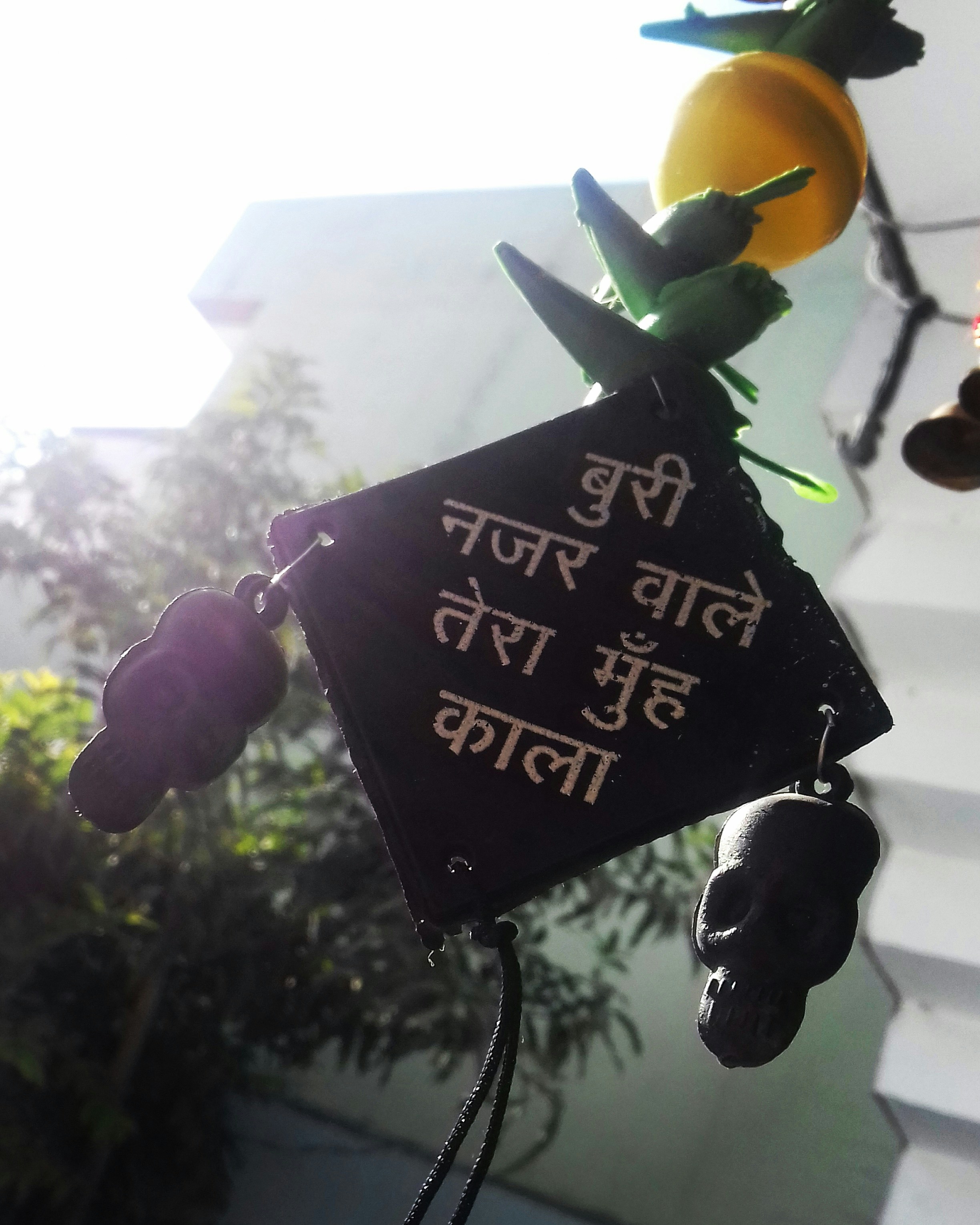
Understanding Sihr: Definition and Types
Sihr, commonly understood as sorcery, represents a complex concept that varies significantly across cultural and religious landscapes. At its core, Sihr encompasses the practice of using supernatural means to influence individuals, often leading to detrimental effects on their physical health and mental well-being. Traditionally, it is believed that Sihr involves invoking jinn or utilizing dark forces to manipulate someone without their consent, leading to a range of manifestations that can be distressing for the afflicted.
There are several distinct types of Sihr, each categorized based on the methods employed and the intentions behind them. One of the most recognized forms is Sihr al-Mahabbah, or love magic, designed to create feelings of attraction and obsession in another person. This type often targets relationships and can lead to emotional turmoil. Another significant classification is Sihr al-Sab, which aims to cause separation between individuals, often manifesting in conflicts, misunderstandings, or complete estrangement. Such manifestations can severely damage personal relationships and lead to profound psychological distress.
Other varieties include Sihr al-Jani, which involves summoning spirits to possess a person or inflict harm. The psychological implications of this type can be quite severe, leading individuals to experience hallucinations or a sense of loss of control over their own actions. Sihr can also manifest physically, with symptoms possibly resembling chronic illnesses or sudden unexplained ailments.
In various cultures, Sihr is often perceived with significant fear due to its perceived potency and the potential inability to combat its effects. Understanding the different types of Sihr is crucial for recognizing its attributes and implications, allowing individuals or practitioners to develop appropriate interventions to address its influence.
Signs and Symptoms of Sihr
Sihr, often referred to as black magic, can manifest in various ways, presenting a range of signs and symptoms that may be indicative of its presence in an individual’s life. It is critical for individuals to be aware of these signs to recognize if they or someone close to them might be affected by such negative influences.
Physical symptoms can vary widely but often include unexplained ailments, persistent fatigue, sudden changes in health, or the emergence of chronic conditions that lack a clear medical explanation. Individuals might experience a decline in their physical well-being without identifiable causes, prompting concern about external influences such as Sihr.
Psychological symptoms serve as another key indicator of potential Sihr involvement. These may involve pronounced mood swings, intense feelings of anxiety or fear, or sudden bouts of depression that were not previously exhibited. Victims may also experience confusion, a lack of concentration, and a pervasive sense of hopelessness. These psychological manifestations can create substantial challenges in daily life, often leading individuals to seek professional help.
Furthermore, emotional symptoms can be quite revealing. Affected individuals might feel isolated, harbor feelings of resentment, or engage in irrational behavior that contrasts sharply with their typical personality. Interpersonal relationships may suffer as a result, leading to misunderstandings and conflicts with family and friends. Additionally, individuals may notice feelings of envy or excessive jealousy, or have an overwhelming sensation of being watched or pursued. These emotional disturbances are significant indicators that one might be under the influence of Sihr.
By understanding these signs and symptoms—physical, psychological, and emotional—individuals can be better equipped to investigate their circumstances or assist others who may be experiencing the adverse effects of Sihr.
Cultural and Religious Perspectives on Sihr Removal
The removal of Sihr, commonly referred to as witchcraft or black magic, is a concern in many cultures and religions around the world. Different traditions provide a diverse array of methods and beliefs regarding how to effectively tackle the challenges posed by Sihr. Notably, Islamic practices play a central role in the understanding and treatment of Sihr among Muslim communities. Islamic exorcism, known as “Ruqyah”, involves the recitation of specific verses from the Qur’an, prayers, and supplications to seek protection and healing from such afflictions. The belief is that the powerful words of the Qur’an possess the essence necessary to counteract the negative energies and influences associated with Sihr.
In addition to Islam, various cultures adopt their own unique rituals and beliefs when confronting Sihr. For instance, in African traditions, the use of herbal remedies combined with ancestral rituals is commonplace. These often involve invoking spirits or ancestors who are believed to have the knowledge to counteract the effects of witchcraft. Similarly, in some Indigenous cultures, a shaman or healer may conduct cleansing ceremonies, utilizing rituals that are handed down through generations. The community’s involvement in these rites is crucial, emphasizing the collective nature of facing such adversities.
Beyond these examples, the perception of Sihr also varies substantially in Eastern traditions such as Hinduism and Buddhism. These religions may incorporate meditative practices and mantras aimed at dispelling unwanted energies. Additionally, the psychological aspects of believing in Sihr may lead individuals to seek support through community gatherings or counseling, irrespective of the religious framework. Such cultural and religious differences illustrate that the approach to Sihr removal is deeply rooted in the values, beliefs, and social structures of each respective society, reflecting a rich tapestry of human understanding regarding this complex phenomenon.
Spiritual Healing Techniques
Spiritual healing techniques play a significant role in the removal of Sihr, as they align the mind and spirit in the quest for relief. Central to these practices are prayers and supplications, which are often seen as a means of connecting with the divine for assistance and protection.
One of the most commonly utilized methods is the recitation of specific verses from sacred texts, such as the Qur’an. These verses are believed to hold powerful spiritual significance and can act as a safeguard against harmful energies. For instance, Surah Al-Falaq and Surah An-Nas are often recited as protective measures against external harm, including instances of Sihr. The act of repeating these verses with focus and intent is essential; it is not merely the words that hold power, but the conviction with which they are spoken.
Intention is a crucial component in the practice of spiritual healing. When engaging in prayer or recitation, one must approach these activities earnestly and with a heartfelt desire for relief. This genuine connection can amplify the effectiveness of the spiritual remedies employed. Practitioners often recommend setting aside dedicated time for these activities, free from distractions, to foster an environment conducive to spiritual healing.
Additionally, many individuals incorporate other spiritual rituals, such as the use of aromatic oils, incense, or the lighting of candles, to create a peaceful atmosphere during their practices. These elements can enhance the overall experience, aiding in focus and immersion during the healing process. In combining these various techniques, individuals may find a comprehensive approach that works best for their specific needs and beliefs.
Consulting an Expert: When and Where to Seek Help
When dealing with Sihr, or enchantment, it is essential to recognize the signs that may necessitate seeking professional assistance. These signs could be physical, emotional, or spiritual disturbances that an individual cannot manage alone. Symptoms might include unexplained health issues, prolonged emotional distress, or feelings of being overwhelmed by negative energies. If you find yourself experiencing these challenges consistently, consulting an expert is a prudent step.
Professional help can come in various forms, including religious scholars, spiritual healers, or therapists who specialize in psychological concerns related to Sihr. Each of these professionals brings unique insights and skills to help individuals address their issues. For instance, religious scholars can provide guidance in understanding spiritual aspects and may offer remedies rooted in traditional practices. In contrast, therapists can assist individuals in processing their experiences and developing coping strategies.
When searching for a reputable practitioner, consider starting with a community recommendation. Often, local religious centers or spiritual communities can offer trustworthy referrals. Additionally, it is advisable to check the credentials and experience of the practitioner. Reading reviews or testimonials can also help gauge their effectiveness in dealing with Sihr-related issues.
A face-to-face consultation may allow you to assess the practitioner’s approach and ensure it aligns with your beliefs and comfort levels. Be open to asking questions regarding their methods, and don’t hesitate to explore multiple options if you do not feel a connection or comfort with the first individual you consult.
Self-Help Strategies for Addressing Sihr
When confronting the challenges posed by sihr, individuals can engage in a variety of self-help strategies aimed at fostering resilience and spiritual well-being. These strategies include invoking personal prayers, establishing a positive mindset, and surrounding oneself with supportive influences.
One fundamental approach is to adopt regular prayer practices that resonate personally. Engaging in these rituals serves not only as a means of seeking divine protection but also as a source of comfort and strength. For those who identify with specific spiritual traditions, prayers can be directed towards seeking relief from the negative influences of sihr. It is essential to approach these prayers with a sincere heart, as the intent behind them can amplify their effectiveness.
In addition to prayer, cultivating a positive mindset is crucial when addressing sihr. This may involve engaging in positive affirmations, visualization techniques, or guided meditations that focus on healing and empowerment. By focusing on positive thoughts, individuals can create a mental space that counters the negativity associated with sihr. Maintaining a gratitude journal is another beneficial practice; acknowledging the good aspects of life can significantly shift one’s perspective and foster resilience.
Equally important is the choice of social influences. Surrounding oneself with supportive friends and family can enhance an individual’s emotional strength. Engaging in conversations with those who foster positivity can provide encouragement and a sense of belonging. It is advisable to limit exposure to negative individuals who may contribute to one’s struggles with sihr, as their influence can impede personal growth and healing.
In sum, practical self-help strategies such as personal prayer, positive mindset practices, and nurturing supportive relationships play a vital role in dealing with sihr. By incorporating these elements into daily life, individuals can create a fortified environment conducive to healing and resilience.
Community Support: The Role of Family and Friends
When an individual is suspected of being afflicted by Sihr, the role of community support, particularly from family and friends, becomes paramount. Emotional support from loved ones can significantly aid in alleviating the distress experienced by the afflicted individual. Loved ones can provide a sense of belonging and comfort, which is essential during such challenging times.
Firstly, it is vital for family members and friends to become educated about Sihr and its implications. Understanding the symptoms and effects of this condition helps in approaching the afflicted person with empathy rather than fear or skepticism. This knowledge empowers loved ones to provide appropriate emotional and psychological support, fostering an environment of understanding and compassion.
Moreover, the act of regularly checking in on the individual can create a stable support system. Simple gestures, such as sharing meals, engaging in conversations, or participating in activities that the afflicted person enjoys, can help reduce feelings of isolation and anxiety. These interactions allow for open dialogues about their feelings and experiences, which can be therapeutic.
In addition to emotional support, family and friends can engage in collective spiritual practices, such as prayer or seeking guidance from a qualified professional who understands how to effectively remove Sihr. This collaboration can help counteract any negative influences that may surround the individual. Encouraging positive affirmations and mindfulness practices enables the person to focus on their well-being and fosters resilience against the harmful effects of Sihr.
Ultimately, the collective support of family and friends plays a crucial role in the healing process for someone believed to be affected by Sihr. By providing love, understanding, and a sense of community, loved ones can significantly contribute to overcoming the challenges posed by this affliction.
Long-Term Prevention: Ways to Protect Yourself from Sihr
Preventing Sihr, a form of malevolent influence, requires a proactive approach that prioritizes spiritual wellbeing and self-awareness. One effective method to safeguard oneself is by maintaining good spiritual hygiene. This involves regular practices such as prayer, recitation of protective verses, and engaging in mindful meditation. By regularly invoking divine protection, individuals can fortify their spiritual defenses against negative energies.
In addition to spiritual practices, engaging in continuous self-improvement is a crucial aspect of prevention. Striving to enhance one’s character and moral standing not only elevates personal integrity but also creates a positive energy field. Activities like learning new skills, fostering emotional intelligence, and participating in community service can build resilience against negativity and attract constructive energies into one’s life. Surrounding oneself with positivity, including supportive friends and uplifting environments, can significantly diminish susceptibility to Sihr.
Moreover, incorporating daily affirmations and gratitude exercises into one’s routine can reinforce a positive mindset. Acknowledging and appreciating life’s blessings fosters a state of joy and contentment, thereby reducing exposure to harmful influences. Keeping a check on the media consumed and the company kept can also play a pivotal role in sustaining mental purity. It is essential to periodically evaluate relationships and environments to ensure they contribute positively to one’s spiritual health.
Finally, being vigilant about personal habits is vital. Avoiding excessive negativity, gossip, and harmful substances creates a barrier against ill influences. Adopting a holistic lifestyle that combines physical health, emotional wellbeing, and spiritual practices can profoundly diminish the risks associated with Sihr. By implementing these preventive measures, individuals can establish a robust defense, leading to a happier and more spiritually sound life.
Conclusion: Embracing Healing and Wholeness
In conclusion, the journey of removing Sihr, or black magic, from an individual is a complex process that requires a multifaceted approach. As discussed throughout this blog post, it is essential to prioritize both spiritual and emotional well-being. Engaging in prayer, seeking guidance from knowledgeable practitioners, and utilizing natural remedies can serve as foundational steps in reclaiming one’s life from the grips of Sihr.
Moreover, fostering a supportive environment is crucial. Friends and family play an integral role in this healing journey. Their encouragement and understanding can significantly ease feelings of isolation that often accompany such experiences. An open dialogue about the struggles faced can also contribute to a stronger support network, which is vital for emotional recovery.
It is important to remember that empowerment comes from within. Individuals affected by Sihr should be encouraged to explore their own beliefs, seek out resources that resonate with them, and engage in practices that promote mindfulness and mental clarity. Activities such as meditation, journaling, or seeking professional counseling can enhance one’s overall sense of well-being and facilitate healing.
Ultimately, embracing a holistic approach to recovery not only focuses on the removal of Sihr itself but also emphasizes the importance of personal growth and wholeness. By viewing this journey as an opportunity for self-discovery and transformation, individuals can emerge stronger and more resilient. The path to healing is not merely about eliminating negative influences but also about nurturing one’s spirit and restoring balance in life.
Leave a Reply