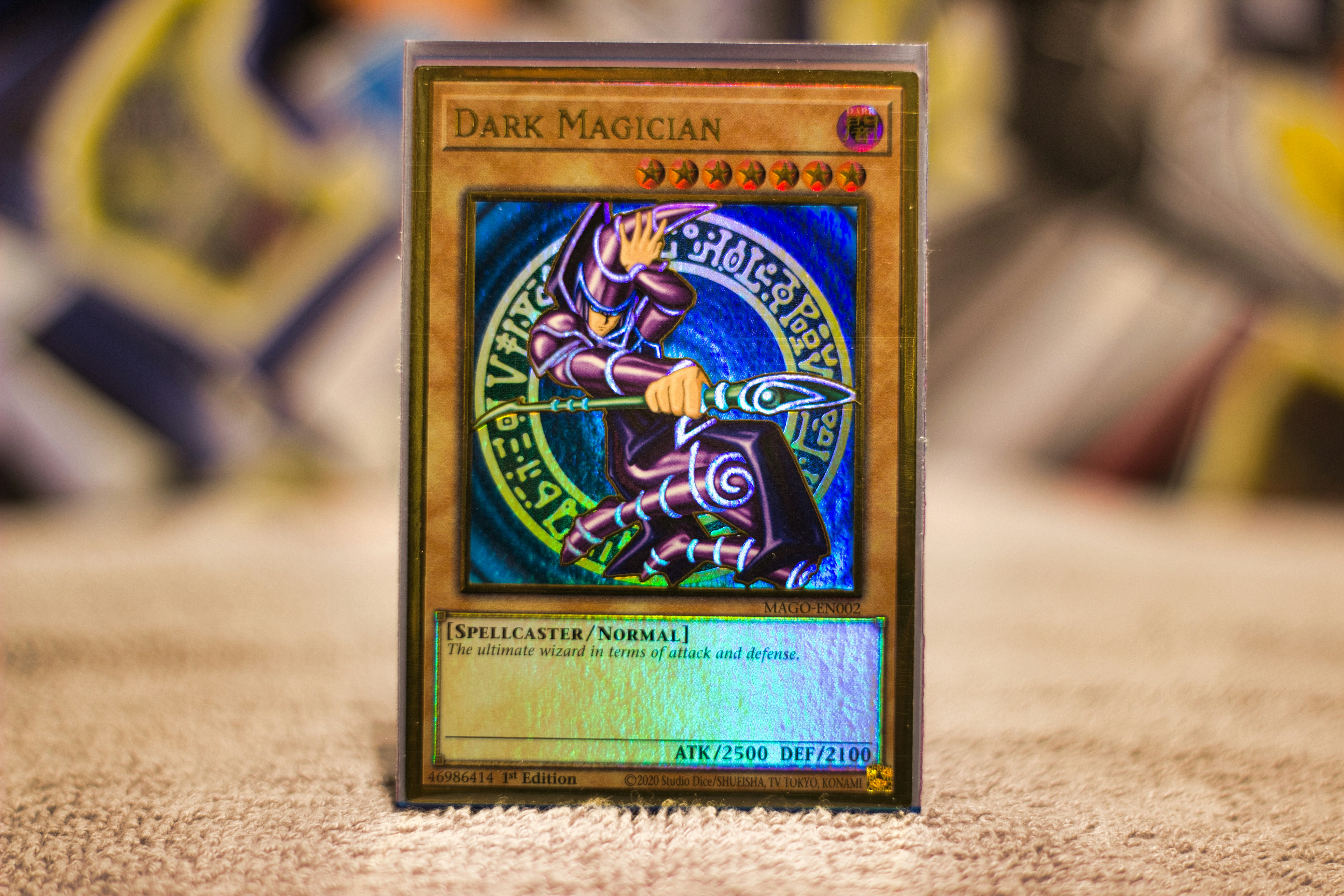
Introduction to Black Magic
Black magic, often perceived as the darker counterpart to white magic, encompasses a range of practices historically associated with the manipulation of supernatural forces for malevolent purposes. This type of magic has fascinated and terrified societies for centuries, manifesting through various cultural interpretations and belief systems. It is essential to understand that black magic is not simply a singular practice; rather, it is an umbrella term that includes various rituals, spells, and incantations aimed at achieving specific, often harmful, effects.
Historically, black magic has roots in ancient cultures around the globe. In Medieval Europe, for instance, individuals accused of practicing witchcraft often faced severe consequences, as society conflated black magic with malevolence and deceit. Folklore perpetuated these ideas, leading to the vilification of practitioners who were viewed as agents of evil. In many cultures, black magic is intertwined with concepts of spirituality and morality, raising intriguing questions about the ethics surrounding its practice.
Contrastingly, black magic is distinct from white magic, which is generally viewed as a positive and benevolent force rooted in healing and protection. While practitioners of white magic aim to harness energies for good and benefit others, black magic often seeks to dominate or harm individuals for personal gain. This fundamental difference illustrates how various societies delineate between the intentions behind supernatural practices. Common perceptions of black magic often revolve around fear, misunderstanding, and cultural stigma, influencing legal and social attitudes.
As we delve deeper into the complexities of black magic, it is crucial to recognize both its historical significance and the ongoing ethical debates surrounding its practice. The distinctions between black magic and other forms of spirituality invite a broader discussion about societal norms, legality, and the implications of engaging with these occult practices.
The Legal Landscape of Magic Practices
The legal framework regarding magic practices, particularly black magic, varies significantly across countries and jurisdictions. In numerous regions, black magic is not expressly defined in law, which poses challenges in legislating and regulating its practice. Generally, black magic incorporates various occult practices aimed at invoking supernatural forces for malevolent purposes. However, the lack of precise legal definitions can complicate the enforcement of laws pertaining to such activities.
In many countries, particularly those with secular legal systems, practices associated with black magic are not deemed illegal unless they intersect with other offenses, such as fraud or violence. For instance, if a practitioner were to claim they possess the ability to injure someone through magical means, they could be charged if they enact physical harm or deception under such claims. Some countries, especially those where traditional belief systems prevail, address the practice of black magic through cultural norms rather than codified law.
Conversely, other nations may actively prohibit practices associated with black magic. For instance, in certain Islamic countries, the practice of sorcery is formally banned and can lead to severe penalties, including imprisonment or harsher forms of punishment. This legal prohibitation stems from the belief systems upheld in these regions, reflecting a deeply rooted cultural aversion to the dark arts.
In the United States, laws related to black magic often come into play in the context of fraud cases or when unlawful activities are disguised as magical practices. While freedom of religion and expression protects many spiritual practices, the rights of practitioners can be called into question when their activities result in harm to others or are perceived as exploitation. This creates a dynamic and complex legal landscape that continues to evolve with societal attitudes toward magic and the occult.
Cultural Perspectives on Black Magic
The perception of black magic varies significantly across different cultures, reflecting a diverse landscape of beliefs, traditions, and societal norms. In many indigenous cultures, practices that might be branded as black magic in Western contexts are often integral to spiritual life and community well-being. For instance, some tribal communities incorporate rituals that involve ancestral spirits for guidance and protection, blurring the lines between what is classified as helpful or harmful.
Religious interpretations also play a pivotal role in how black magic is perceived. In certain religions, such as Christianity and Islam, black magic is often condemned and strictly equated with malevolence and sin. These faiths attribute supernatural abilities and malevolent intent to practitioners of black magic, leading to ethical debates about the practice. Conversely, some belief systems may accept the use of certain magical practices, placing a greater emphasis on the intentions behind the act rather than the act itself.
Societal attitudes towards black magic can further complicate its perception. In regions where superstitions and folklore are deeply rooted, black magic is often feared, leading to legal repercussions for alleged practitioners. In contrast, more secular societies may recognize black magic as part of cultural expression or heritage, prompting legal frameworks that protect such expressions under freedom of belief or cultural rights. Thus, the interplay between culture, religion, and societal norms significantly influences the legality and acceptability of black magic, establishing a complex narrative that varies from one location to another.
Case Studies: Legal Cases Involving Black Magic
The intersection of black magic and law has given rise to various legal cases that have captured public attention and stirred debate around the ethical implications of such practices. One notable case occurred in India in 2017, where several individuals were accused of committing acts of black magic leading to the death of a local farmer. The allegations stemmed from the accusations that the accused had used sorcery to exert control over the victim’s will, resulting in actions that culminated tragically. The court proceedings revealed widespread societal fear surrounding black magic, prompting authorities to uphold a strict legal stance against such practices.
In another instance, the United States witnessed a case in the early 2000s in which a woman was charged with harassment and stalking due to her alleged belief in black magic. The plaintiff claimed that the accused had utilized spells to attempt to manipulate circumstances in her life, leading to distress. The outcome, while not resulting in formal charges of practicing black magic, showcased how the legal system grapples with the intangible nature of belief and the ramifications of accusing someone of such practices.
These cases illustrate the complexities involved in legal discussions about black magic. Often, they highlight the cultural perspectives that influence judicial outcomes and public perception. While some jurisdictions have laws explicitly prohibiting practices associated with black magic, others rely on broader laws regarding harassment and harm. Consequently, these legal battles not only shape the judicial landscape surrounding black magic but also influence community attitudes towards its practice.
Overall, as society evolves in understanding these complex topics, the legal landscape around black magic continues to be a point of contention, evolving with the perceptions of morality and ethics in different cultural contexts.
Human Rights and Black Magic Accusations
The implications of human rights concerning black magic accusations are profound and multifaceted. When individuals or communities are accused of engaging in black magic, the consequences can be deeply damaging, often leading to discrimination, violence, and social ostracization. Accusations can arise from cultural fears, misinformation, or simply as tactics to manipulate power dynamics within a community, reflecting the underlying societal issues rather than any actual wrongdoing.
In many regions where belief in black magic persists, individuals—especially from marginalized groups—find themselves disproportionately targeted. This creates an environment where wrongful accusations proliferate, undermining the very principles of justice and fairness that are central to human rights. Accused individuals often face public shaming, physical harm, or even unlawful imprisonment, illustrating a clear violation of their rights to safety and dignity.
Moreover, the societal backlash against those accused of black magic can lead to a broader community impact, breeding fear and mistrust among neighbors. Families might be ostracized, economic prospects diminished, and social networks disrupted, causing lasting harm beyond the individual. In many instances, these accusations are rooted in superstition rather than evidence, raising ethical concerns regarding the justice systems that allow such claims to escalate without due process.
Addressing these issues requires a two-fold approach: firstly, fostering community education and awareness to dispel myths surrounding black magic, and secondly, ensuring that legal frameworks uphold the rights of individuals against baseless accusations. Protecting human rights means recognizing the dignity of the accused and providing them with adequate legal representation, allowing for a fair trial. In the pursuit of justice, it is essential to differentiate between culturally sensitive practices and infringements on human rights, creating a balance that respects individual liberties while addressing community concerns.
Ethical Considerations Surrounding Black Magic
The practice of black magic often brings forth significant ethical dilemmas that lead to complex moral considerations. Central to these concerns is the intention behind the use of black magic. Practitioners may invoke dark arts for various reasons, ranging from seeking revenge to advancing personal desires. The motivations can define whether such practices are seen as malevolent or benign. Ethically, one must examine whether the intent to harm another individual, directly or indirectly, can ever be justified.
Furthermore, there is a potential for significant harm involved in the practice of black magic. Not only can individuals targeted by such spells experience emotional or psychological distress, but they can also encounter tangible negative repercussions in their lives, impacting their well-being, relationships, and livelihoods. Therefore, ethical practitioners of black magic must carefully consider the consequences of their actions, understanding that manipulating energies or elements can have unpredictable outcomes that extend beyond the intended targets.
Additionally, moral constraints play a critical role in shaping the decisions of black magic practitioners. Beliefs and cultural backgrounds heavily influence how individuals perceive the morality of using black magic. Some may feel that invoking such practices is a violation of sacred ethical codes, while others may argue for personal autonomy and the right to make choices without judgment. This clash of beliefs often leads to a deeper introspection about the broader implications of practicing black magic, indicating that a one-size-fits-all approach to ethics in this domain may not be feasible.
Legal Consequences of Practicing Black Magic
The practice of black magic, often associated with malevolent intents and harmful outcomes, can occasionally lead individuals into murky legal waters. While many countries do not specifically outlaw occult practices, various actions undertaken in the name of black magic can breach the law, resulting in significant legal repercussions. Key areas where black magic intersects with legality include fraud, assault, and potential psychological harm to others.
Fraud, particularly financial deceit, may arise if individuals claim to possess the power to influence outcomes through black magical practices to exploit vulnerable persons, leading to criminal charges. Similarly, the act of coercively deceiving someone into giving money for supposed supernatural interventions may also qualify as fraud under the law. Courts take a dim view of such exploitation, and offenders can face fines or imprisonment.
Assault is another legal area relevant to black magic practitioners, especially where harm is inflicted upon another individual as a part of a ritual or spell. If an individual uses black magic as a pretext to intimidate or cause physical harm, they can be charged with assault. Legal definitions vary by jurisdiction, yet the use of fear or manipulation to induce harm is universally frowned upon.
Lastly, there is the aspect of psychological harm, where practitioners may face legal action if their actions lead to severe emotional distress or trauma for another person. In these cases, the perpetrator could be liable for civil damages resulting from the mental anguish caused by black magical practices.
In summary, while the mere practice of black magic is not universally illegal, associated actions may lead to legal consequences. It is crucial for individuals involved in such practices to be aware of the boundaries of legality and the risks their actions may entail.
Alternatives to Black Magic and Their Legality
While black magic refers to practices aimed at invoking malevolent supernatural forces, many alternative spiritual practices are more widely accepted and regarded as legal. One such alternative is white magic, which is often characterized by its focus on benevolence and the intention to bring about positive results for individuals or communities. Practitioners of white magic typically engage in rituals that are intended for healing, protection, or divination, steering clear of any harmful intentions towards others.
Another alternative is healing arts, which encompass a range of practices, including acupuncture, reiki, and herbal medicine. These methods are generally recognized within many legal frameworks around the world as they focus on enhancing well-being and treating ailments without the intention of causing harm. The legality of these practices often stems from their grounding in established therapeutic traditions or scientific principles, making them acceptable alternatives to black magic.
In addition, spiritual counseling and meditation practices are gaining popularity as holistic approaches that emphasize mental and emotional wellness. These methods do not involve invoking supernatural forces but rather emphasize self-awareness and personal growth. Their acceptance and legality can often be attributed to their therapeutic benefits and the growing recognition of mental health’s importance in modern society.
Ultimately, the acceptance of these alternatives often hinges on societal norms, cultural values, and legal regulations. While black magic may carry stigma and legal repercussions, practices such as white magic and healing arts are regarded more favorably. The distinction lies in the intent behind these practices, with those focused on positive outcomes and community healing being perceived as more acceptable and legally sanctioned.
Conclusion
In examining the legality and ethical implications surrounding black magic, it becomes evident that the perception of such practices is deeply intertwined with cultural, social, and legal frameworks. Historically, black magic has faced scrutiny and condemnation, stemming from fears of harm and the unknown. However, attitudes toward this practice are beginning to shift as societies evolve and become more accepting of diverse spiritual beliefs.
The exploration of black magic laws highlights significant regional variations and the impact of cultural contexts. In some jurisdictions, black magic is viewed through a lens of superstition, while in others, it is considered a legitimate spiritual practice. This duality illustrates the complexity surrounding the practice and its legal ramifications. Current laws often reflect societal values and fears, which can either criminalize or permit such practices based on public opinion and moral considerations.
As society progressively embraces individual rights and self-expression, it is plausible to foresee changes in the legal landscape governing black magic. The rise of secularism and a more profound acknowledgment of personal belief systems may lead to a legislative environment that is less restrictive. Additionally, as discussions around ethical practices in various fields continue to gain traction, a re-evaluation of black magic within the broader context of spiritual freedoms may occur.
In conclusion, while black magic remains a divisive subject, its future in a legal context will likely be shaped by ongoing societal changes. The evolving perception of spirituality and individual rights will play a crucial role in determining how black magic is treated under the law. Continued dialogue about ethics and legality will be essential in navigating this enigmatic practice’s intricate landscape.
Leave a Reply