Understanding the Evil Eye Concept
The concept of the evil eye has ancient origins, deeply rooted in various cultures around the world. It is often defined as a malevolent glare or look believed to cause harm to an individual or their possessions. The belief in the evil eye spans centuries and continents, with its traces found in regions such as the Mediterranean, the Middle East, South Asia, and even in parts of Latin America. Historically, societies have viewed the evil eye as a form of envy or jealousy projected towards others. This malevolent energy is thought to invoke misfortune, illness, or even demise.
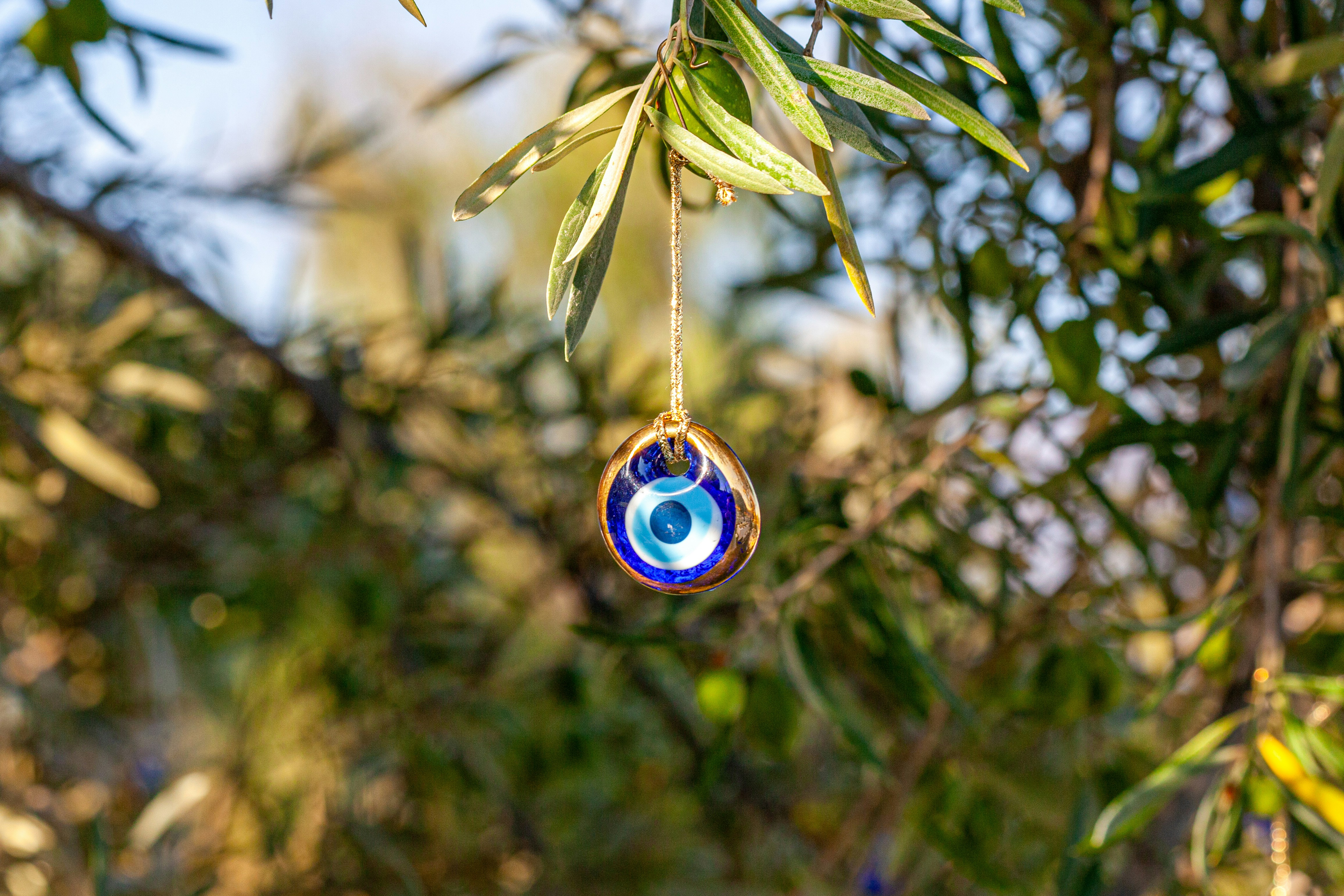
As cultures evolved, so did the interpretations of the evil eye. In many traditions, the evil eye is countered through protective amulets or talismans, often crafted with specific colors and materials believed to deflect negative energies. The most recognizable symbol is the blue eye-shaped talisman, known as the Nazar or the evil eye bead, which is commonly associated with cultures such as Turkish and Mediterranean. This particular charm represents a safeguard against the harmful effects of the evil eye.
The symbolism behind colors plays a significant role in the potency of these protective items. Each color is believed to carry distinct energies and meanings. For instance, blue is commonly associated with tranquility and protection, while red signifies strength and vitality. In various cultures, colors are imbued with differing attributes, further enhancing the significance of the evil eye talismans. Understanding these associations helps to appreciate not only the cultural richness of the evil eye concept but also the importance of color in providing protection. This multifaceted approach highlights that seeking protection from malevolent forces can involve both cultural beliefs and the symbolism intertwined with various colors.
The Symbolism of Colors in the Evil Eye
The evil eye, a concept prevalent in various cultures, serves as a protective talisman against malevolent forces. Understanding the symbolism of colors associated with the evil eye is crucial for recognizing the different energies and intentions they embody. Each color not only represents unique characteristics but also interacts with the protective qualities of the evil eye, providing specific defenses against negativity.
Blue, commonly recognized as the primary color of the evil eye, symbolizes tranquility, protection, and harmony. This color is believed to ward off negative energies and malevolent glares, empowering the wearer with a sense of peace and safety. In contrast, the color red is associated with vitality, strength, and protection from evil intentions. It is said to invigorate the spirit and bolster one’s inner courage against external threats.
Moreover, green represents growth, renewal, and prosperity, aligning the energies of the evil eye with concepts of fertility and success. This color encourages positive intentions and manifests a protective barrier against jealousy and ill-will. While yellow is often linked to optimism and enlightenment, it also helps to counteract feelings of envy and hostility, thereby providing an additional layer of defense.
White, another significant color in the realm of the evil eye, embodies purity and innocence. It serves to reflect negativity back to its source, offering a robust shield against malicious energies. Lastly, the color black is often associated with absorption of negative energy, acting as a protective shield that absorbs threats before they can manifest harm.
In conclusion, the diverse colors of the evil eye each hold distinct meanings and protective qualities. By understanding these associations, one can better select the most powerful evil eye color for their personal protective needs, helping to amplify their defense against adverse energies.
Contrasting Popular Evil Eye Colors
The evil eye, a symbol believed to offer protection against negative energies, manifests in various colors, each representing distinct meanings and cultural backgrounds. Among the most recognized colors are blue, green, black, and red, each imbued with unique protective qualities.
Blue is perhaps the most widely recognized color associated with the evil eye, particularly in Mediterranean cultures. It is often believed to reflect negative energies away and promote tranquility. The deep blue hue symbolizes healing and protection, serving as a reminder of serenity in the face of adversity. Many cultures hang blue amulets or charms at homes and businesses to ward off misfortune.
Green represents renewal and growth and is considered a symbol of fertility and abundance in various traditions. In some communities, green evil eye talismans are believed to offer protection from harm and enhance personal well-being. The color is closely associated with prosperity and is often used in home decor to invite positive energy while keeping negativity at bay.
Black, while sometimes perceived as ominous, holds significant meaning in many cultures. It is often viewed as a powerful shield against negative forces and malevolent intentions. Black evil eye symbols are utilized in various regions to absorb and nullify harmful energy, providing a strong shield of protection against adversity.
Red, symbolic of strength and courage, is favored in many traditions as a color that offers protection against jealousy and envy. Beyond its association with passion, red is thought to increase vitality and resilience. Amulets featuring the red evil eye are often gifted during significant life events, such as weddings, to bestow protection and good fortune.
In conclusion, the diverse colors of the evil eye reflect a rich tapestry of cultural beliefs and practices. Understanding the specific use and protective qualities of each color allows individuals to choose the representation that aligns best with their intentions and needs.
The Meaning of the Blue Evil Eye
The blue evil eye stands out as one of the most recognized symbols across various cultures, particularly in Mediterranean and Middle Eastern regions. Historically, the color blue has been associated with protection, truth, and divine favor. These attributes have significantly contributed to the blue evil eye’s reputation as a potent talisman against malevolent forces and envious energies.
The significance of the color blue transcends mere aesthetic appeal; it draws on celestial elements, invoking the expansive sky and the depths of the ocean. In many traditions, blue is believed to represent a connection to the divine, creating a spiritual barrier that shields individuals from harm. As a result, the blue evil eye is not merely a decorative item but a protective symbol that instills a sense of safety and peace in the wearer or possessor.
The Psychological Impact of Evil Eye Colors
The phenomenon of the evil eye has transcended cultural boundaries, revealing a deeply rooted belief in its psychological implications. Each color associated with the evil eye symbolizes distinct energies, influencing individuals’ perceptions and emotional responses. These colors, traditionally revered in various cultures, serve not only as physical talismans but also as psychological shields against negativity and ill-wishing.
The use of blue, for example, is widely recognized as a protective symbol against malevolent glares. For many, wearing or displaying blue evil eye charms fosters a sense of reassurance and empowerment, significantly boosting self-confidence. This psychological uplift can be attributed to the belief that the color blue possesses calming properties, which alleviate anxiety associated with potential harm. In cultures where blue is prevalent, individuals often report a heightened sense of security, which reinforces their resolve to face daily challenges.
Similarly, the color red is often associated with strength and vitality. Individuals who resonate with red evil eye symbols often feel invigorated, as this color is linked to the acquisition of passion and courage. The notion that red provides protection enables individuals to cultivate a mindset that readily embraces possibilities rather than fears, which can ultimately lead to more positive life experiences. Moreover, the vibrant energy associated with red can foster communal ties, encouraging shared beliefs and practices that bolster social support.
On the other hand, green, often linked to harmony and growth, invites individuals to foster personal development and connection with nature. The psychological effect of these colors demonstrates that belief alone can empower individuals, creating a robust sense of collective identity and security. By embracing the protective colors of the evil eye, individuals not only shield themselves from negativity but also promote psychological resilience and communal bonding.
Case Studies: Personal Experiences with Evil Eye Colors
The use of evil eye colors as protective talismans has been a fundamental aspect of various cultures for centuries. Many individuals across different backgrounds have their own compelling experiences that highlight the efficacy of these colors in warding off negativity. For instance, a woman named Sarah, originally from Turkey, shared her journey with the blue evil eye, or “Nazar Boncuğu.” She started wearing a blue glass eye pendant after experiencing a series of misfortunes, believing that the color’s traditional properties would help protect her from malevolent energies. According to her account, since donning the talisman, she has experienced a sense of calm and a notable reduction in the number of negative events in her life.
Another personal case comes from a man named Amir, who hails from Egypt. Amir spoke about the red evil eye and its association with protection against jealousy and envy. He recounted a time when he faced considerable envy from his peers due to a recent promotion at work. Feeling overwhelmed, he decided to wear a red evil eye bracelet. Amir reported feeling an immediate shift in his awareness and emotional landscape; he claimed to have experienced fewer instances of gossip or hostility from those around him after incorporating the talisman into his daily routine.
These narratives highlight how individuals perceive and engage with evil eye colors, emphasizing the belief in their ability to shield against malevolent forces. Whether through jewelry or decorative items, the colors associated with the evil eye serve not just as cultural symbols but as personal sources of empowerment. The effectiveness of these talismans, as illustrated by Sarah and Amir, enhances the understanding that the power of belief and personal experience plays a significant role in their perceived protective qualities.
Scientific Perspective on Color and Superstition
The psychological impact of color has been widely studied across various disciplines, particularly in psychology, marketing, and art. Colors can evoke specific emotions and influence human behavior, which may extend to cultural beliefs and superstitions. In the context of the evil eye, the color blue is often regarded as the most powerful due to its association with protection. Numerous studies indicate that certain colors can affect our mood and perceptions, suggesting that our response to colors is both a learned behavior and a biological reaction to visual stimuli.
Research conducted by psychologists has shown that colors like red can evoke feelings of excitement or aggression, while blue is often found to promote calmness and tranquility. This dichotomy underscores the complexity of color perception. As individuals encounter the color blue associated with the evil eye, it can trigger a subconscious feeling of safety and reassurance. Therefore, the belief in the protective quality of blue can be interpreted through both psychological and cultural lenses.
Furthermore, a study published in the journal “Color Research and Application” indicated that cultural contexts could significantly alter the emotional associations linked to specific colors. In many Mediterranean cultures, blue objects, such as amulets or talismans designed to ward off the evil eye, are commonplace. Thus, the empirical evidence suggests that there is indeed a psychological basis for these associations, as individuals are conditioned to link particular colors with supernatural protection.
Ultimately, while superstition may play a role in the belief in the evil eye, the scientific analysis of color psychology offers insights into why these beliefs persist. Understanding the mechanisms behind color perception enhances our comprehension of the complex relationship between color, emotion, and cultural beliefs surrounding protection.
Choosing the Right Evil Eye Color for You
The concept of the evil eye is deeply rooted in various cultures, symbolizing protection against malevolent forces. Selecting the appropriate evil eye color is essential to harness its protective energy, aligning it with personal needs and situations. Each color carries its own significance and potential benefits; therefore, understanding these can help individuals make an informed choice.
For those seeking calmness and serenity, the color blue, which is traditionally associated with the evil eye, is often recommended. This hue represents peace and tranquility and serves to dispel negative energies effectively. Incorporating blue accessories, such as jewelry or home decor, can amplify the protective benefits experienced in daily life.
If you require protection from emotional distress or want to enhance your inner strength, the color red may be particularly beneficial. It symbolizes power, passion, and courage, promoting resilience against negativity. Wearing a red evil eye talisman or keeping red accents nearby can enhance your emotional fortitude.
For individuals drawn to spiritual growth and wisdom, indigo or purple colors can serve as effective choices. These shades are often linked with higher spiritual awareness and intuitive abilities, promoting clarity and insight. Integrating indigo or purple objects into your living space might provide the spiritual protection you are seeking.
Ultimately, the right evil eye color for you is one that resonates personally. Explore through trial and error by integrating different colors into your life and observing the effects they have on your well-being. By paying attention to your reactions and experiences, you can align yourself with the evil eye color that best matches your protective needs.
Conclusion: Embracing Protection Through Color
Throughout this exploration of the colors of protection, we have unveiled the significance of the evil eye as more than just a cultural symbol; it emerges as a powerful guardian against negative energies. Each color associated with the evil eye, from the deep blue hues that offer tranquility to the vibrant reds that symbolize strength and passion, plays a unique role in fostering a protective aura. This reinforces the belief that colors carry intrinsic meanings that resonate within our personal and collective experiences.
The role of color in the realm of protection cannot be underestimated. It serves to remind us of the diverse ways in which different cultures interpret and utilize color as a shield against harm. Whether through talismans, jewelry, or art, the use of colored symbols, particularly the evil eye, acts as a psychological and spiritual defense mechanism. This invites us to reflect on our own beliefs about protection and the meanings we attach to colors in our daily lives.
As we conclude this discussion, we encourage readers to consider their personal connections with these powerful symbols. How do the colors of protection influence your life? What experiences have shaped your perception of these colors? By embracing the protective qualities of color, you may find a renewed sense of security and empowerment. Ultimately, these colors offer not only protection from external negativity but also serve as a reminder of our inner strength. This journey into the world of color reflects not just a tradition but an opportunity to personalize and enrich our lives with significance and safety.
Leave a Reply