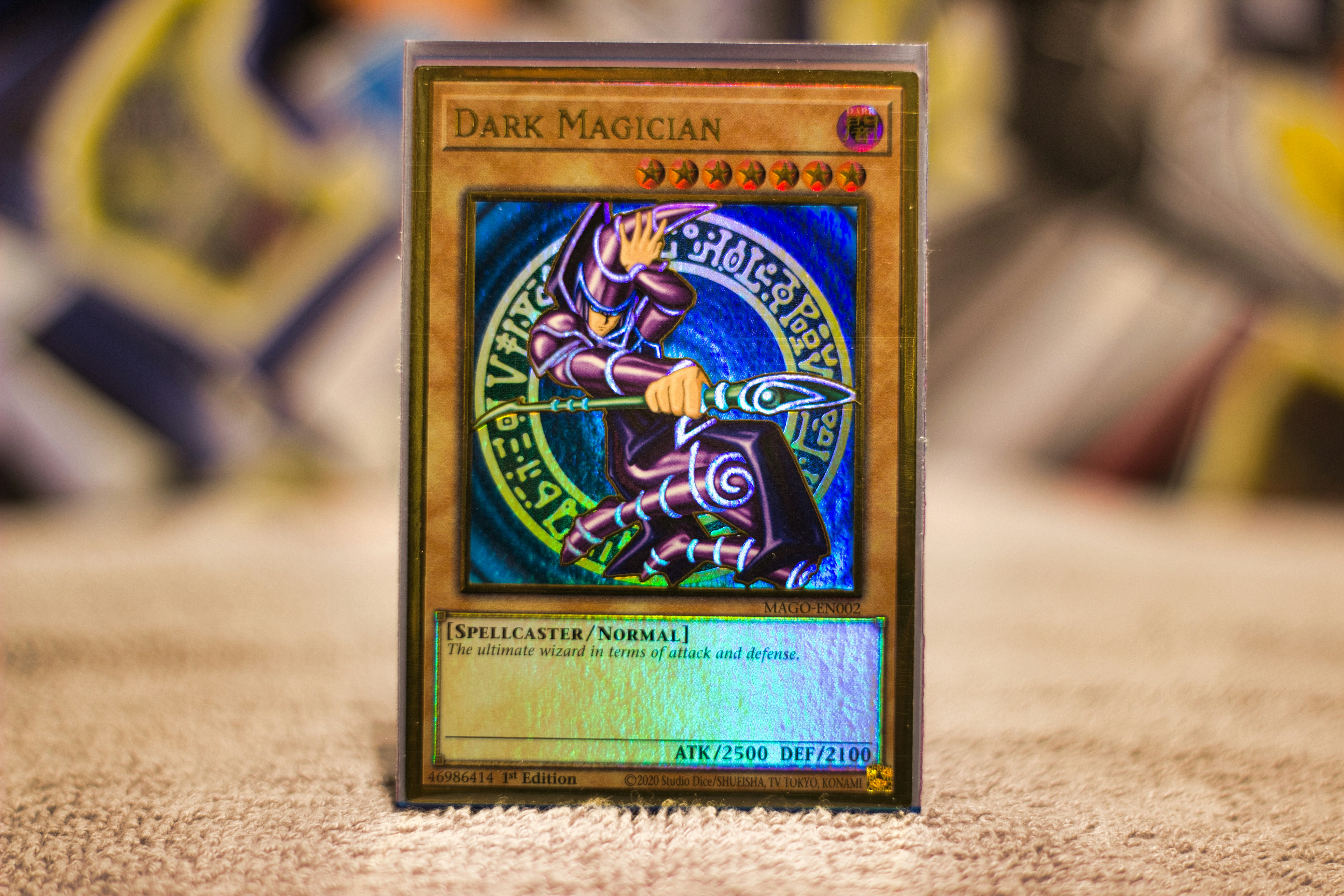
Introduction to Dark Magic
Dark magic, often defined as the practice of supernatural powers or dark energies to manipulate and control the forces of nature, has been a subject of fascination and fear throughout history. Its roots can be traced back to ancient civilizations, where various cultures sought knowledge and power through rituals, incantations, and the invocation of spirits. Historical accounts indicate that dark magic was utilized not only for malevolent purposes but also in attempts to heal and protect, leading to a complex legacy that intertwines moral implications with cultural practices.
In numerous cultures, dark magic is portrayed as an opposing force to white magic, characterized by its nefarious intents. In Western traditions, it is often associated with witchcraft, curses, and the manipulation of fate. Conversely, certain Eastern philosophies may interpret it as a means to achieve balance or spiritual transcendence, showcasing the diverse representations of dark magic across various belief systems. This dichotomy fuels much of the intrigue and misinterpretations surrounding the subject.
People are often drawn to dark magic due to its allure of power and the promise of understanding unknown forces. The desire to gain control over one’s circumstances or to exact revenge can tempt individuals towards these practices. However, misconceptions abound; many assume that dark magic is solely about malevolence or harmful intentions. In truth, it encompasses a broader spectrum of beliefs and practices that can vary widely in their goal and ethical considerations. Acknowledging these nuances helps dispel the myths surrounding dark magic, paving the way for a more informed perspective about its historical and cultural significance.
Understanding the Nature of Dark Magic
Dark magic, often defined as the practice of supernatural arts that draw upon negative energies, represents a spectrum of beliefs and rituals deemed malevolent. It primarily stands in contrast to light or white magic, which focuses on healing, protection, and positive intentions. The core differences between these two forms of magic lie not only in the intended outcomes but also in the philosophies guiding their practitioners. While light magic is typically concerned with benevolence, dark magic often hinges on manipulation, control, and sometimes revenge.
Dark magic encompasses various practices, including curses, hexes, and necromancy, where practitioners aim to harness and direct forces for personal gain or to inflict harm. These rituals may involve invoking spirits, utilizing talismans, or performing elaborate ceremonies that seek to channel darker energies. In many cultures, dark magic is seen as a taboo, and its practitioners may face societal backlash or ostracism, often viewed through a lens of fear and misunderstanding.
Additionally, the purpose behind the practice of dark magic can vary significantly. Some may employ it as a means of seeking power, wealth, or vengeance, while others might delve into these practices out of a genuine belief in the dark aspects of the spiritual realm. This complexity is essential to understand, as it reveals the nuances involved in the motivations and outcomes associated with dark magic. Grasping these differentiations prepares individuals for a deeper exploration of its impact on practitioners, victims, and the broader societal perceptions regarding the consequences of engaging in such practices.
Psychological Effects of Dark Magic
Engaging in dark magic can have profound psychological effects on individuals, often challenging their mental stability and emotional well-being. The practice of dark magic, which typically involves manipulating forces or energies perceived as malevolent or harmful, can lead to various adverse mental states. One notable psychological consequence is the development of paranoia. Individuals who dabble in dark magic may begin to feel as though they are constantly under threat from unseen forces, leading to heightened anxiety and distress.
This paranoia can manifest in numerous ways, including an overwhelming fear of retribution from the energies they have invoked or the people they believe may oppose them. This fear can escalate, creating a cycle of anxiety that severely impacts their day-to-day life. Not only does this state of mind lead individuals to feel unsafe, but it may also hinder their ability to form trusting relationships, both with others and with themselves.
In addition to paranoia, individuals involved in dark magic might experience heightened levels of anxiety. This anxiety can be triggered by the ethical dilemmas often associated with dark magical practices, such as the implications of causing harm to others. Conflicted emotions about their actions can lead to feelings of guilt and shame, further exacerbating mental health issues. Over time, these feelings can evolve into more severe psychiatric conditions, including depression or even dissociative disorders, which disrupt an individual’s grasp of reality.
Furthermore, the psychological toll of dark magic is not limited to the practitioner alone. Those who come into contact with such energies may also experience disturbances in mental health, illustrating the interconnectedness of human emotion and belief systems. Therefore, it is crucial for individuals engaging in dark magic to remain aware of the potential psychological ramifications and seek assistance if they experience significant emotional distress.
Physical Manifestations of Dark Magic
The engagement in dark magic, often shrouded in mystery and fear, has been known to exert profound physical tolls on individuals who practice or otherwise come into contact with it. Reports have indicated a series of physical symptoms that practitioners may experience, stemming from the intense energies and rituals associated with dark sorcery. These may include chronic fatigue, inexplicable pains, and weight loss, which often lead to concerns about the overall well-being of those involved.
One notable symptom associated with dark magic is the phenomenon of severe insomnia or alterations in sleep patterns. Those engaged in such practices may find it increasingly difficult to achieve restorative sleep, leading to cognitive impairment and emotional volatility. This disruption in health can contribute to a vicious cycle in which the physical symptoms exacerbate the inclination to continue seeking power through dark means.
The influence of dark magic can also manifest in sudden changes to one’s appearance. Individuals may experience unusual fluctuations in skin tone, accelerated aging, or the emergence of unexplained blemishes. The psychological strain associated with these practices often reveals itself through physical health as well, highlighting a direct correlation between emotional turmoil and bodily changes.
Moreover, prolonged engagement with dark magic has been linked to more serious health issues, including weakened immune functions or exacerbation of existing medical conditions. Such consequences may emerge as the body struggles to cope with the stressors and negative energies absorbed during dark rituals. The intangible connection between mental health and physical well-being is underscored in these cases, emphasizing the necessity of cultivating a healthy environment, free from dark influences.
Spiritual Consequences of Dark Magic
The practice of dark magic can profoundly impact a person’s spiritual well-being, often leading to severe repercussions that extend beyond the physical realm. Individuals who engage in dark arts may experience spiritual backlash, a phenomenon where the energies they attempt to manipulate return to them with adverse effects. This can manifest as feelings of confusion, guilt, or a sense of being spiritually unmoored. The confusion often arises from the inherent conflict between natural spiritual laws and the manipulative nature of dark magic.
A common consequence of engaging in dark magic is a heightened sense of disconnection from one’s spiritual self and the broader universe. Practitioners may find themselves feeling alienated, not only from their own moral compass but also from loved ones and community. This disconnection can lead to a marked decrease in spiritual awareness, resulting in a loss of inner peace and a fragmented sense of identity.
The pursuit of dark magic typically entails a focus on self-serving desires, which can create a rift between the individual and the spiritual path that emphasizes compassion and interconnectedness. As practitioners stray further from these values, they may inadvertently invite negative energies into their lives, further compounding feelings of anxiety and despair. Over time, this emotional turmoil can weigh heavily on the spirit, detracting from the overall quality of life.
In conclusion, the spiritual consequences of dark magic are significant, affecting not only an individual’s connection to their inner self but also to the world around them. Whether through spiritual backlash or feelings of disconnection, the practice can lead to diminished inner peace, ultimately prompting individuals to reconsider their engagement with such powerful and often unpredictable forces.
Social Ramifications of Engaging in Dark Magic
The practice of dark magic often carries with it significant social ramifications that can deeply affect an individual’s relationships and social standing. Engaging in such esoteric practices can lead to increased suspicion and stigma from the broader community. Many societies hold strong beliefs regarding the moral implications of dark magic, regarding it as dangerous or unethical. As a result, individuals who partake in these practices may find themselves ostracized or subject to harsh judgment.
Isolation can become a prevalent outcome for those who delve into dark magic. Friends and family members may distance themselves due to fear, misunderstanding, or disapproval. This social isolation can exacerbate feelings of loneliness and alienation, which may lead practitioners to seek out others within the same circles, intensifying their involvement in dark magic while reinforcing their separation from mainstream society.
Furthermore, engaging in dark magic can also create conflicts within existing relationships. Partners, friends, or colleagues may feel betrayed or uncomfortable with the individual’s choices, leading to conflicts that can be difficult to resolve. Trust can erode rapidly when one party perceives the other as engaging in morally questionable activities, creating rifts that may never heal. In extreme cases, the practice of dark magic can spiral into negative interactions, leading to confrontations or even hostile behaviors from individuals who strongly oppose such actions.
The implications of engaging in dark magic extend beyond personal disapproval; they can influence a person’s entire social network. It is not uncommon for individuals involved in such practices to experience damaged reputations, making it challenging to establish or maintain new connections. The social repercussions of dark magic serve as a critical reminder of the potential consequences of exploring darker paths and the importance of understanding its wider societal impacts.
Case Studies: Personal Experiences with Dark Magic
Throughout history, numerous individuals have reported their encounters with dark magic, sharing unsettling experiences that have left lasting impacts on their lives. One prominent account comes from a woman named Sarah, who sought help from a practitioner she believed could enhance her luck in career advancements. Instead of prosperity, she experienced a string of unfortunate events; her relationships became strained, and professional opportunities inexplicably vanished. Sarah attributed these setbacks to the dark magic she had unwittingly invited into her life, which she later described as a source of profound negativity that overshadowed her existence.
Another compelling case is that of Jason, a skeptical individual who dismissed the notion of dark magic until a series of bizarre incidents disrupted his otherwise stable life. Following an encounter with a person claiming to have the ability to curse enemies, Jason found himself plagued by accidents, exacerbated familial issues, and unexplained health problems. These experiences led him to reconsider his perspective on the implications of dark magic, ultimately prompting him to seek guidance from spiritual leaders to cleanse his environment of negative influences.
Additionally, an anonymous testimony from an online forum highlighted the distressing consequences of engaging with dark rituals. The individual described a period of deep sorrow and paranoia that followed an ill-advised participation in a séance intended to communicate with spirits. They claimed that the dark energy summoned during the ritual manifested through chilling dreams and heightened anxiety that altered their daily life significantly. This case reflects the potential psychological effects of engaging with dark magic, underscoring how deeply personal experiences can be when intertwined with supernatural elements.
Overcoming the Negative Effects of Dark Magic
Individuals affected by dark magic often find themselves in dire situations, marked by emotional turmoil, physical suffering, and a pervasive sense of despair. However, it is crucial to emphasize that recovery is possible through various strategies aimed at breaking free from these malign influences. First and foremost, seeking professional help from a therapist or counselor who specializes in spiritual trauma can provide a safe space for healing. These professionals can assist in addressing the psychological impacts of dark magic and offer coping mechanisms tailored to individual needs.
Additionally, engaging in holistic healing practices can significantly aid in countering the adverse effects. Techniques such as meditation, energy healing (like Reiki), and yoga create a pathway for individuals to restore their emotional balance and reconnect with their inner selves. Such practices not only promote relaxation but also empower individuals by fostering resilience against negative energies.
Building a robust support system is another essential aspect of overcoming the influence of dark magic. Surrounding oneself with positive, understanding, and caring individuals can create an environment conducive to recovery. This support can come from friends, family, or support groups focused on spiritual healing. Sharing experiences and challenges with others can help alleviate feelings of isolation and foster a sense of community.
Moreover, personal empowerment is key to breaking free from dark magic’s hold. Engaging in activities that reinforce self-esteem, such as pursuing hobbies or learning new skills, can enhance one’s sense of agency. Practicing affirmations and visualizations focused on personal strength and resilience can also help individuals reclaim their power.
Through these combined efforts—professional guidance, holistic practices, supportive relationships, and self-empowerment—individuals can effectively overcome the negative effects of dark magic. The journey may be arduous, but it is achievable with consistent effort and dedication to personal healing.
Conclusion: Awareness and Responsibility in Magical Practices
Engaging in magical practices, especially those classified as dark magic, necessitates a profound understanding of the consequences that can arise from these actions. Individuals drawn to explore the depths of dark magic often romanticize its allure without fully comprehending the potential ramifications on their personal lives, psychological well-being, and the lives of those around them. It is imperative for practitioners and aspiring magicians alike to approach these practices with a critical mindset and a sense of responsibility.
The implications of dark magic can extend beyond personal experiences, influencing the broader community in unforeseen ways. Harmful energies and intentions can manifest, affecting relationships, mental health, and even physical health. As such, individuals should weigh their choices regarding magical engagement carefully, acknowledging that every spell cast or ritual performed carries a weight of ethical consideration. Understanding the profound impact that one’s intentions can have is crucial in navigating the nuanced world of magic.
Moreover, it is beneficial to foster an attitude of respect towards the forces that practitioners may seek to manipulate. Recognizing the histories, cultures, and energies associated with various magical practices can lead to more informed and respectful engagements. Practitioners must also consider seeking mentorship or guidance from experienced sources, enhancing their understanding and approach to the subject. Therefore, remaining aware of the responsibilities that accompany magical practices can help mitigate the adverse effects of dark magic.
Ultimately, awareness and a deep sense of responsibility in magical practices may lead to a healthier, more ethical approach to engaging with the mystical arts. By prioritizing these principles, individuals can protect themselves and others from the potentially detrimental effects of dark magic.
Leave a Reply