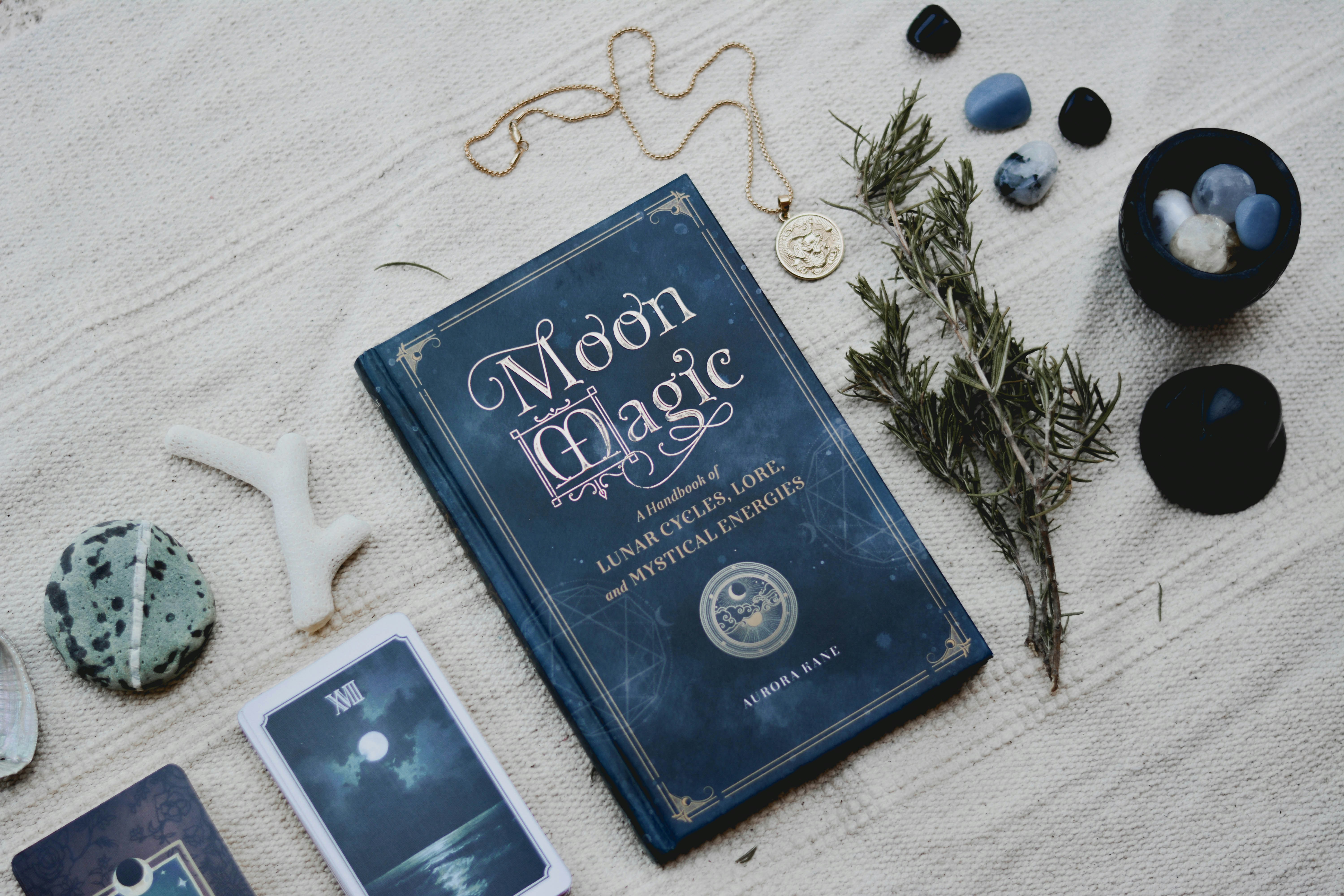
Introduction to Black Magic
Black magic, often perceived as the more sinister counterpart to its benevolent sibling, white magic, delves into practices that are typically associated with ill intentions. While white magic aims to harness spiritual energy for good, such as healing or protection, black magic is frequently linked to manipulation, harm, and the pursuit of power at the expense of others. This duality has sparked intense debates and fascination throughout history, as individuals and cultures grapple with the ethical implications of such practices.
The roots of black magic can be traced back to ancient civilizations, where it was often entwined with religious beliefs and rituals. It served as a tool for the disenfranchised, enabling them to exert influence over their environments or seek vengeance against oppressors. Over centuries, perceptions of black magic have fluctuated; during the medieval period, it was associated with witchcraft and demonology, leading to widespread persecutions and the infamous witch hunts. Conversely, in modern times, such practices often find themselves romanticized in popular culture.
As we navigate through this intricate landscape of dark arts, we will explore the various interpretations of black magic across different cultures, examining its historical evolution and the societal reactions it has elicited. Furthermore, the moral ambiguities surrounding black magic will be discussed to provide a comprehensive understanding of its complex legacy. This exploration will not only shed light on what black magic signifies to practitioners and skeptics alike, but will also highlight its enduring presence in contemporary society.
Origins of Black Magic
The origins of black magic can be traced back to ancient civilizations, where the boundaries of the supernatural were often intertwined with the everyday lives of people. In Mesopotamia, one of the earliest known cultures, practitioners of magic sought to commune with deities, often seeking assistance in both mundane and spiritual matters. Ancient texts reveal that rituals designed to harness malevolent energies were not uncommon. These practices served as a means to influence fate, control agricultural outcomes, or even manipulate interpersonal relationships.
In Egypt, black magic held a complex place within society, interspersed within the fabric of their religious beliefs. The Egyptians believed that the soul engaged in an eternal struggle for balance between good and evil forces. Within this context, practitioners—often referred to as magicians or sorcerers—utilized spells and curses to achieve desired results. Amulets and incantations were commonplace instruments used to ward off malevolent spirits, suggesting that an understanding of supernatural forces was critical in daily life. The influence of ancient Egyptian magic extends into modern spiritual practices, highlighting the enduring legacy of their understanding of black arts.
The Greeks contributed significantly to the development of black magic, particularly through their philosophical and mystical schools of thought. Figures such as Hermes Trismegistus synthesized Egyptian and Greek religious and magical principles, emphasizing the interaction between the material and spiritual worlds. Greek magical papyri, which date back to the 2nd century BCE onwards, illustrate various spells that invoke powers from the underworld or call upon deities to inflict harm, showcasing the diverse applications of black magic. In essence, black magic has roots that delve deep into the annals of ancient cultures, where it was simultaneously revered and feared, shaping beliefs that would prevail through the centuries.
Black Magic in Medieval Europe
The concept of black magic in Medieval Europe was deeply entwined with the socio-political and religious landscapes of the time. The Middle Ages, spanning from the 5th to the late 15th centuries, were marked by a complex interplay of fear, superstition, and the burgeoning power of the Church. Black magic, often associated with heretical practices, became a focal point for societal anxieties, resulting in widespread persecution of those believed to practice these dark arts.
During this period, the Church held significant sway over societal norms and beliefs, actively portraying black magic as synonymous with evil and heresy. This association was not merely an abstract concept; it manifested in the witch trials that swept through Europe, culminating in infamous events such as the Malleus Maleficarum in 1487, which served as a manual for witch-hunters. The fear of witchcraft was fueled by existing prejudices, as women—particularly those who were marginalized or possessed knowledge of herbal remedies—were often accused of engaging in black magic. This scapegoating led to trials, torture, and executions, creating a vicious cycle of fear that repulsed communities against supposed practitioners of dark arts.
Moreover, societal fears were further intensified by the turbulent political climate of the time. Wars, plagues, and natural disasters often prompted the populace to seek explanations for their suffering. In this context, the blame was frequently directed toward those alleged to be practicing black magic. The Church exploited these fears, emphasizing the notion that black magic was a threat to both spiritual and societal order. The result was a pervasive culture of suspicion that enabled the persecution of countless individuals, perpetuating the stigma surrounding black magic for centuries. Overall, the evolution of black magic during the Medieval era reveals not only a complex understanding of the occult but also the profound impact of societal fears and institutional power on the perception and treatment of those associated with these enigmatic practices.
Black Magic Across Cultures
Black magic, often shrouded in mystery, varies significantly across different cultures, each exhibiting unique interpretations, practices, and beliefs related to dark arts. In Africa, various traditional communities hold beliefs in witchcraft that intertwine with daily life. For instance, the Akan people of Ghana consider black magic a tool for both harm and healing. Rituals may involve invoking ancestral spirits to either curse or bless individuals, reflecting the duality of intentions behind the use of black magic. The colonial experience significantly influenced African expressions of these practices, leading to adaptations as communities navigated their identities amidst external pressures.
In the Caribbean, the fusion of African traditions with Indigenous and European elements has given rise to distinctive practices such as Obeah and Vodou. Here, black magic often serves as a means of empowerment for marginalized communities, allowing them to reclaim agency in a post-colonial context. Rituals might encompass the use of herbs, chants, and dance, emphasizing communal participation. This blend of beliefs manifests in the understanding of black magic as a form of resistance against oppression, illustrating its adaptability and resilience across generations.
Asian cultures, too, provide varied representations of black magic. In India, practices like Tantra are sometimes viewed through a lens of black magic, focusing on the harnessing of energy and cosmic forces for personal gain, which can include both positive and negative outcomes. Similarly, in Southeast Asia, shadow play and occult practices often invoke spirits for guidance, protection, or malefaction, reflecting a complex relationship with the supernatural realm. The historical influences of trade routes and colonial expansion have further shaped these practices, leading to a rich tapestry of beliefs surrounding black magic.
Famous Historical Practitioners of Black Magic
Throughout history, numerous individuals have been associated with the practice of black magic, leaving lasting impressions on the cultural landscape. One such figure is the renowned witch, Alice Kyteler, who lived in 14th century Ireland. Accused of sorcery and having allegedly caused the death of her four husbands, she became a symbol of witchcraft in medieval Europe. Kyteler’s trial, which involved accusations of invoking demons and using magical potions, illustrates the often perilous intersection of gender and power during this tumultuous period.
Another notable practitioner is Heinrich Cornelius Agrippa, a German polymath active during the Renaissance. Agrippa’s work, particularly “De Occulta Philosophia,” was pivotal in popularizing the study of occult sciences. He advocated for the integration of magic with philosophy and religion, challenging the societal norms of his time. His writings on the celestial influences and the nature of spirits have intrigued countless followers of black magic and occult traditions.
Eliphas Lévi is yet another significant figure, credited with introducing the concept of black magic into the modern esoteric narrative during the 19th century. His book, “Dogme et Rituel de la Haute Magie,” emphasized the duality of magic—both light and dark. Lévi’s interpretations of symbolism and his advocacy for understanding the inner workings of the universe have made him a pivotal character among modern practitioners of occult arts.
These figures, along with many others, often faced societal backlash as they challenged the existing religious and cultural paradigms. Their willingness to delve into the unknown has contributed to the mystique surrounding black magic, encapsulating the ongoing intrigue and fear it evokes in contemporary society. Each practitioner’s unique approach to black magic reflects the complexities of their beliefs and the historical contexts in which they operated.
Modern Interpretation and Practice of Black Magic
The practice of black magic has undergone significant transformation in contemporary society, reflecting a broader resurgence of interest in the occult and esoteric traditions. In recent decades, black magic has not only maintained its place in folklore and popular culture but has also found a niche within new age movements. Many modern practitioners have reinterpreted historical concepts of black magic, incorporating elements that resonate with current spiritual and psychological frameworks.
Today, modern witchcraft often blurs the boundaries between black magic and other forms of paganism, where intentions can vary widely—from benign practices seeking personal empowerment to darker rituals aimed at influencing others. This eclectic approach allows practitioners to adopt historical elements of black magic while adapting them to their personal beliefs and ethical stances. Importantly, contemporary interpretations reflect a shift away from the purely malevolent connotations historically associated with black magic, encouraging a more nuanced understanding of its potential applications.
The internet has played a pivotal role in this resurgence, facilitating the sharing of knowledge and practices among diverse groups. Online forums and social media platforms have allowed practitioners to connect, share experiences, and exchange information on how to engage with black magic safely and responsibly. As a result, there is now a sense of community surrounding these practices that did not exist in earlier times, fostering a culture of openness and inquiry.
Moreover, the intersection of black magic with psychology is increasingly prominent, as practitioners explore the therapeutic aspects of these rituals. This merger of magical practice with psychological techniques emphasizes intention-setting and visualization, drawing on the symbolic nature of black magic as a means to achieve personal transformation. As societal norms continue to evolve, the definition of black magic is likely to expand further, cultivating a vibrant tapestry of beliefs and practices rooted in centuries of tradition.
The Ethics and Morality of Black Magic
The exploration of black magic invokes profound ethical and moral questions that have been debated for centuries within various magical communities. Central to these discussions is the intention behind the practice. Unlike white magic, which is often associated with healing and benevolent purposes, black magic is frequently linked to harm and negative outcomes. This dichotomy raises the question: can the same practice hold ethical significance depending on the practitioner’s intention?
Many practitioners of black magic contend that the moral implications are not inherently tied to the practice itself but to the intentions and consequences of its use. Ethical discourse in this realm often revolves around the principle that all magic is a tool, and like any tool, the ethics hinge on its usage. For instance, some argue that intervening in another’s free will for personal gain transmutes what could be seen as a benign intention into an act of moral turpitude. Such perspectives emphasize the significant role of responsibility and consciousness in utilizing darker forms of magic.
Moreover, the distinction between black and white magic is vital in moral discussions. Advocates of black magic frequently argue that this form of magic is mischaracterized by mainstream society. To them, black magic is not merely malicious but can serve as a means of empowerment in reclaiming control over one’s circumstances or seeking justice in situations where traditional societal systems have failed. This viewpoint highlights the moral gray areas that exist between the two practices and suggests that the definitions of black and white magic may be more modular than absolute.
Ultimately, the ethics of black magic provoke complex conversations about harm, intention, and moral responsibility. Each practitioner must thus engage critically with the ramifications of their actions and decisions, navigating the intricate landscape of ethics within the realm of dark arts.
Cultural Representations of Black Magic
The portrayal of black magic in literature, film, and media has played a significant role in shaping societal perceptions and understanding of this often-misunderstood practice. From classic literature to contemporary cinema, black magic serves as a motif that typically evokes feelings of fear and fascination. In novels such as Shakespeare’s “Macbeth,” themes of witchcraft and supernatural manipulation illustrate the inherent dangers attributed to dark arts, casting practitioners often as malevolent figures.
Furthermore, films like “The Craft” and “Hereditary” have cemented stereotypes surrounding black magic, often depicting its practitioners as complex yet dangerous characters. These portrayals perpetuate a narrative where black magic is equated with evil intentions, leading to a misunderstanding of the nuances of various magical practices. The idea that black magic is synonymous with malevolence has been reinforced through countless media representations, which frequently lack historical or cultural context.
Moreover, television series, such as “American Horror Story,” leverage black magic as a central theme, showcasing its allure while simultaneously framing it within a moral dichotomy of good versus evil. Such dramatizations contribute to a mainstream perception that disregards the historical significance and diversity found within the practices classified as black magic. This reductionist view overlooks the varied cultural expressions and meanings associated with black magic across different societies.
As media continues to evolve, the representations of black magic may shift, but the impact of these portrayals on public perception remains significant. The images and narratives created by literature and film not only reflect existing beliefs about black magic but also shape and reinforce societal attitudes towards those who practice it. Consequently, it becomes essential to critically evaluate these cultural representations to foster a more informed understanding of the complexities surrounding black magic.
Conclusion: The Legacy of Black Magic
Black magic, with its extensive history and multifaceted dimensions, represents a fascinating yet contentious aspect of human culture. Through the ages, it has been associated with fear, superstition, and power struggles, serving as a powerful tool for both manipulation and protection. The various contexts in which black magic has been invoked provide insight into the socio-political climates of different eras, illustrating how the practice has evolved and adapted over time.
In ancient civilizations, black magic was often intertwined with religious beliefs, serving the dual purpose of invoking supernatural forces for both benign and malevolent intentions. Historical accounts reveal how fears surrounding witchcraft often led to societal upheaval, manifesting in witch hunts and brutal persecution. These events laid a foundation for the cultural stigma that persists around black magic, shaping perceptions and narratives into the modern age.
In contemporary society, black magic has not lost its allure; it continues to invoke curiosity and skepticism alike. As people grapple with the unknown, many are drawn to the enigmatic and esoteric aspects of dark arts. Additionally, the resurgence of interest in pagan traditions and alternative spiritual practices reflects a growing acceptance of diverse beliefs, including those linked to black magic.
The legacy of black magic is, therefore, complex and multifaceted. It challenges individuals and societies to critically examine historical narratives, confront longstanding fears, and expand their understanding of human experience and agency. As we reflect on the impact of black magic throughout history, it invites us to consider our perspectives and beliefs about the darker aspects of human spirituality, enriching our discourse around magic and the supernatural.
Leave a Reply