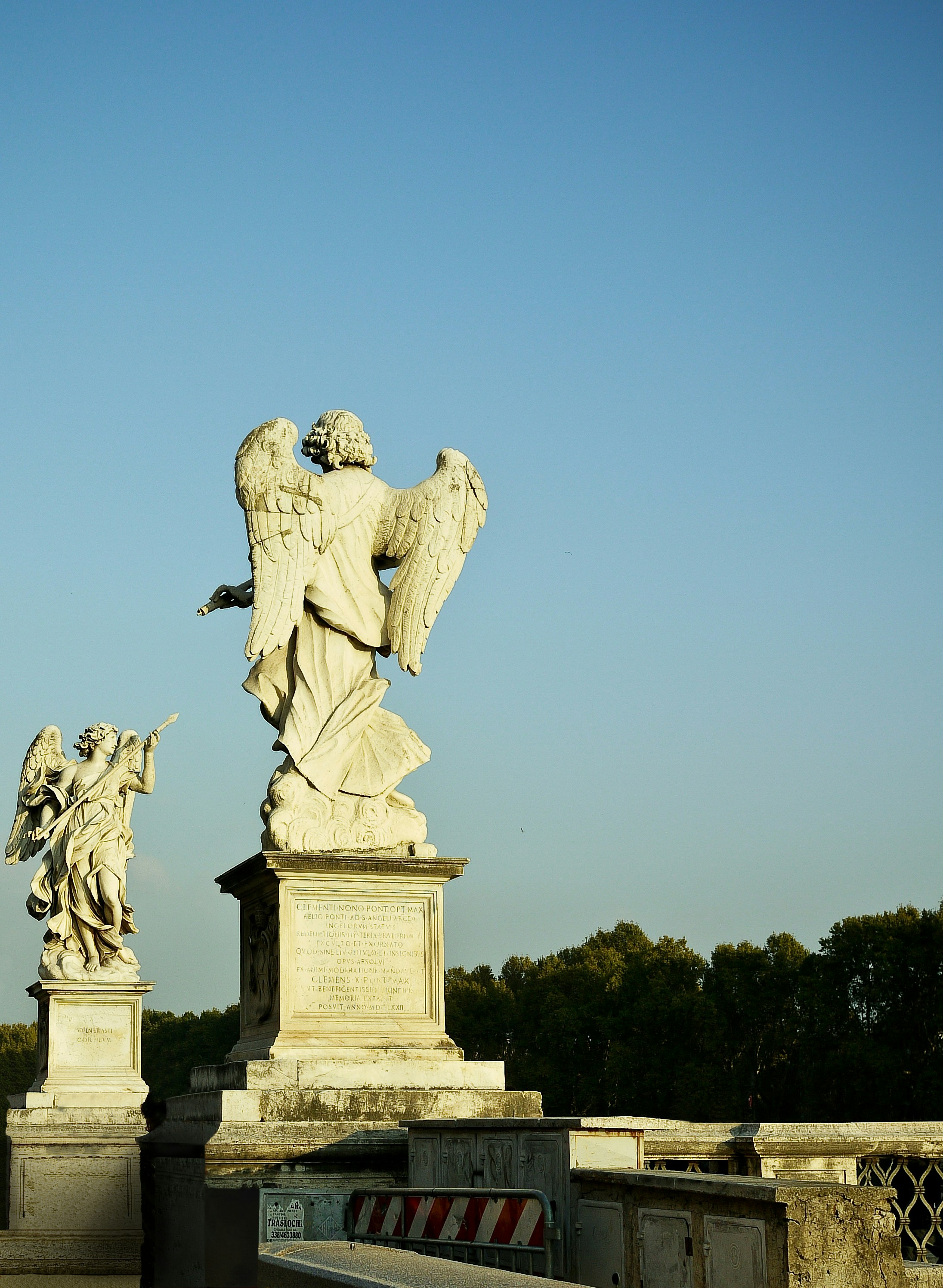
Introduction to Twin Angels
Twin angels have captivated the human imagination across various cultures and religions, serving as powerful symbols of duality and the ethereal realm. These celestial beings encapsulate the idea of interconnectedness and balance, often representing complementary forces that coexist harmoniously. In Islamic tradition, angels are revered messengers of God, fulfilling divine commands, while in Christianity, they are seen as protectors and guides for humanity. The concept of twin angels, embodying both male and female or light and dark, provides a profound exploration of the balance inherent in the universe.
The significance of twin angels extends beyond religious frameworks; they permeate mythology and folklore as well. In countless stories, twin angels are depicted as guardians of the soul, symbolizing the coexistence of opposites — hope and despair, love and hate — which reflects the complexity of human experience. The dual nature of these angels resonates with the eternal struggle between good and evil, making them a compelling subject in art and literature.
Artistically, twin angels are often portrayed in a myriad of forms, from delicate sculptures capturing their grace to vibrant paintings that express their divine essence. Their ethereal beauty serves as a reminder of the transcendent qualities of love, peace, and protection that these celestial beings represent. The representation of twin angels invites viewers to contemplate themes of unity and divergence, encouraging reflection on how these concepts play out in both our spiritual and physical worlds.
Intrigued by their symbolic nature, many artists have sought to capture the essence of twin angels in their work. Their mystical qualities not only inspire creativity but also foster a deeper understanding of the human condition and our inherent connection to the divine. This exploration of twin angels unravels layers of meaning that invite further inquiry into the artistic interpretations and cultural significance they embody.
Physical Attributes of Twin Angels
Twin angels are often depicted in art and literature as ethereal beings, embodying a perfect harmony of beauty and grace. Their physical attributes typically highlight a sense of symmetry, which serves to enhance their divine appeal. Artists often portray twin angels with matching features, fostering an aesthetic that captivates the observer. This harmony is most evident in their facial structures—characterized by delicate, chiseled lines and serene expressions that evoke a sense of calm and tranquility.
The wings of twin angels are a significant element of their depiction. Often, they are illustrated with large, elegantly arched wings that radiate grace and sophistication. These wings may feature soft feathers in shades of white and pastel colors, conveying a sense of purity and innocence. The symmetrical nature of their wings further emphasizes their duality, creating a visual representation of balance and unity. This dual-winged aspect is often used to symbolize their roles as protectors and guides.
Additionally, the halo constitutes another striking feature of twin angels. Frequently depicted as a glowing circle of light above their heads, the halo signifies their celestial nature. Often, these halos mirror each other in design and size, enhancing the sense of symmetry that is foundational to their identity. Likewise, the attire of twin angels is designed to reflect their heavenly status. Flowing garments, often in shades of white or soft gold, cascade elegantly from their forms, contributing to the overall ethereal quality of their appearance.
The interplay of light and shadow across their attire, coupled with the captivating symmetry of their forms, solidifies twin angels as quintessential representations of divine beauty. Such artistic choices not only emphasize their physical characteristics but also serve to evoke the enchanting aura that surrounds them, underlining their role as perpetual symbols of hope and protection.
Symbolism Behind Twin Angels
Twin angels are often depicted in various artistic representations, embodying profound symbolism that enhances their ethereal allure. At the core of their depiction lies the theme of balance. This balance can be interpreted as the duality instinctively present in life, where opposing forces such as good and evil, light and dark coalesce to create a harmonious existence. The dual nature of existence is prominent in numerous cultural and spiritual narratives, and twin angels encapsulate this intertwined relationship through their physical representation, often mirroring each other in grace and poise.
Moreover, twin angels are commonly seen as guardians, symbolizing protection and guidance. In numerous traditions, it is believed that each individual has a guardian angel, and the idea of twin angels reinforces the concept that one is never truly alone. This companionship aspect presents a comforting thought that within any struggle, one has support, whether spiritual or emotional. Furthermore, the idea of protection intertwines with partnership; twin angels signify the importance of relationships in overcoming adversities, as they work together to shield one another and those they care for.
In the realm of harmony, twin angels illustrate the beautiful orchestration of cooperation and unity. They encourage the understanding that strength lies in togetherness and that partnerships can lead to greater achievements. The imagery of twin angels thus serves as a reminder of the significance of companionship and collaboration in human experiences, urging individuals to seek and cherish connections that promote growth and understanding.
Ultimately, the rich symbolism behind twin angels extends beyond their aesthetic beauty, tapping into fundamental themes that resonate with many aspects of life—including balance, protection, and harmony—making them an enduring subject of contemplation and artistic expression.
Twin Angels in Religious Texts
Angels occupy a profound place in religious texts across various belief systems, providing insight into divine messages and the spiritual realm. Within these scriptures, the concept of twin angels emerges as a captivating and intricate theme. In Christianity, angels are often depicted as messengers of God, and the Book of Revelation presents a striking vision of angelic beings. While the text specifies different types of angels, the idea of cherubim and seraphim—a pair of celestial organizations—often evokes the image of twin angels working harmoniously in the heavenly choir.
In Islamic texts, angels are also integral, performing tasks assigned by Allah. The Quran describes several named angels, such as Gabriel and Michael, who fulfill specific roles. There is an interpretation within some Islamic traditions that highlights the duality of certain angels, suggesting that they may exist in pairs or as protectors assigned to individuals. This conceptualization supports the notion of twin angels, symbolizing divine protection and guidance.
Moreover, in various other religious belief systems, such as Hinduism and Buddhism, references to celestial beings with twin characteristics can be found. For instance, some depictions of divine figures in Hindu scriptures align with twin concepts, embodying duality in their powers and representations, while in Buddhist traditions, guardian deities sometimes appear as paired protectors of the Dharma.
Ultimately, the representation of twin angels across these religious texts does not merely illustrate the beauty of angelic existence but also serves as a reminder of the balance between masculine and feminine energies, light and shadow, reinforcing the idea that these beings work together within the spiritual ecosystem. Through their association in numerous faiths, twin angels signify both unity and strength in divine orchestration, enriching the understanding of angelology in contemporary spiritual discourse.
Cultural Representations of Twin Angels
Twin angels, often depicted in various forms of art and folklore, represent complex spiritual and cultural ideas. Across diverse cultures, these celestial beings are visualized uniquely, reflecting myriad interpretations shaped by local beliefs, traditions, and historical contexts. For instance, in Christian iconography, twin angels are frequently portrayed as guardians, embodying protection and divine guidance. These depictions often emphasize their ethereal beauty through delicate features and tranquil expressions, illuminating the divine aspect of their nature.
In contrast, some Eastern traditions offer a different perspective on twin angels. In Hinduism, the concept of deities like the twin Avatars of Vishnu manifests the idea of duality and complementarity, where the twin figures symbolize harmony and balance in the universe. Artistic representations feature intricate designs, rich colors, and dynamic poses, reflecting the vibrancy of the beliefs surrounding these divine entities.
Folklore from various cultures also adds depth to the understanding of twin angels. Native American traditions often depict spiritual twins as embodiments of opposites—such as light and dark or creation and destruction—akin to the duality seen in Yin and Yang. This portrayal reiterates the notion that twin figures may symbolize balance in the natural order. Through this lens, the artistry involved in illustrating these twin angels becomes a powerful medium for conveying fundamental life philosophies.
In contemporary art, twin angels continue to inspire artists who reinterpret these beings through modern aesthetics, integrating elements from their respective cultures, thus offering a fresh perspective on age-old themes. Overall, examining these diverse representations enriches our understanding of how cultural backgrounds influence the design and portrayal of twin angels, creating a tapestry of interpretations that celebrates both unity and diversity.
Twin Angels in Art and Literature
Twin angels have captivated the imagination of artists and writers throughout history, serving as powerful symbols of duality, harmony, and celestial grace. Their ethereal beauty can be traced back to various artistic movements, each interpreting these celestial beings through distinctive styles and narratives. Notably, artists like Giovanni Battista Tiepolo and Gustave Moreau have famously illustrated twin angels, using their unique techniques to highlight their divine attributes.
Tiepolo’s work often showcases a playful yet opulent use of color and light, creating a sense of weightlessness that perfectly encapsulates the otherworldly nature of twin angels. In his ceiling paintings, such as the renowned ‘Assumption of the Virgin,’ Tiepolo employs dramatic perspective and vibrant hues to embody the celestial realm, wherein twin angels serve as messengers and guardians of the divine. Conversely, Gustave Moreau’s Symbolist approach presents twin angels in a more mystical context; his intricate details and romantic undertones evoke an allure that speaks to the spiritual connection that these figures represent.
Literature, too, reflects the fascination with twin angels, often exploring themes of duality and human connection. In works like John Milton’s ‘Paradise Lost,’ angels are depicted not only as divine beings but also as reflections of human struggles and virtues. The interplay between light and darkness in Milton’s narrative aligns with the quintessential characteristics of twin angels, portraying them as embodiments of hope and redemption.
Furthermore, contemporary authors draw inspiration from these celestial beings, incorporating twin angels into their narratives as symbols of protection or as catalysts for transformation. This ongoing fascination highlights the versatility and significance of twin angels across artistic and literary landscapes, cementing their place as enduring motifs in the exploration of spirituality and human experience.
Modern Interpretations of Twin Angels
The concept of twin angels has undergone significant transformations in contemporary artistic expressions. Unlike traditional depictions that often lean towards the ethereal and the divine, modern interpretations embrace a broader thematic range that speaks to individuality, duality, and even the dual nature of humanity. This shift is significantly influenced by the diverse array of perspectives artists bring, shaped largely by cultural dialogues and personal experiences.
Social media platforms, notably Instagram and Pinterest, are pivotal in shaping how twin angels are represented today. Many artists and content creators utilize digital media to present their unique visions of these celestial entities. For example, the use of vibrant colors and abstract forms allows artists to infuse their work with personal narratives, making the interpretation of twin angels relatable to a modern audience. Furthermore, hashtags like #TwinAngels significantly bolster reach and foster a community where enthusiasts share their renditions, broadening the appeal of this motif.
In fashion, twin angels inspire a variety of stylized collections that draw on angelic symbolism. High fashion designers have begun to explore the idea of duality in their collections, often integrating motifs that symbolize protection, enlightenment, or rebirth, thereby aligning with the angelic theme. This incorporation transcends mere aesthetics, as it emphasizes the psychological and emotional resonance of angelic representations, appealing to consumers on deeper levels.
Additionally, popular culture’s fascination with angels is evident in films and literature, where twin angels often symbolize harmony or conflict. These narratives explore the complexities of relationships, identity, and existence, engaging audiences in philosophical inquiries rooted in the duality of human experience.
Creating Your Own Twin Angel Representation
The process of creating a representation of twin angels can be both a fulfilling and enlightening artistic endeavor. To start, consider what twin angels symbolize for you personally; the interplay of duality, balance, or companionship can shape the direction of your work. Begin by sketching out concepts that resonate with these themes, as they will serve as a foundation for your artistic exploration.
Choosing the right color palette is crucial in conveying the ethereal nature of twin angels. Soft pastels or vibrant dual colors can help depict the contrasting personalities or harmonies of the angels. When selecting colors, consider using a color wheel to create complementary shades that enhance the visual impact of your piece. Shades of blue and pink, for instance, may represent tranquility and vitality, respectively, while golds and silvers can add a touch of celestial elegance.
Next, think about incorporating symbolic elements that enrich the narrative of your twin angels. These could be items such as feathers, halos, or specific flora that carry personal significance. For example, adding flowers like lilies or roses could symbolize purity and love, providing deeper layers to your work. These details will not only embellish your artwork but also invite viewers to engage with the story behind your creation.
Finally, as you move into the actual creation phase, consider your medium—whether it’s painting, drawing, or digital art. Each medium offers different possibilities for texture and expression. Experiment with techniques like layering colors or incorporating mixed media to create depth and intrigue. Allow your intuition to guide you, and don’t shy away from making changes along the way. The goal is to create a representation of twin angels that is uniquely yours, embodying your artistic voice and the themes you cherish.
Conclusion: The Enduring Allure of Twin Angels
The concept of twin angels has captivated artists and audiences alike throughout history. As embodiments of duality, they not only symbolize harmony and balance but also evoke a sense of protection and guidance. In various cultures, twin angels hold significant meanings, representing hope, love, and the mystical connection between the earthly and the divine. This multifaceted representation has rendered them timeless symbols in art, spirituality, and popular culture.
From the Renaissance masterpieces to contemporary interpretations, twin angels continue to inspire and enchant viewers with their ethereal beauty. Their depiction often transcends mere aesthetics; it invites exploration of deeper questions regarding existence, duality, and the nature of the soul. The allure of twin angels lies in their ability to connect with personal beliefs and experiences, resonating with individuals on an emotional level.
Furthermore, the enduring presence of twin angels in various art forms, including paintings, sculptures, and literature, demonstrates their relevance in contemporary dialogues about faith, spirituality, and the human condition. Artists, through their creative expressions, have continuously reinterpreted the imagery of twin angels, adapting their representation to reflect current societal themes while retaining their innate beauty.
As one reflects on the significance of twin angels, it becomes evident that they serve as more than mere symbols of divine messengers. They encapsulate the complexities of human emotions and relationships, making them universally relatable. Ultimately, appreciating the beauty and meanings associated with twin angels encourages a deeper understanding of ourselves and the intricate connections we share with each other and the world around us.
Leave a Reply