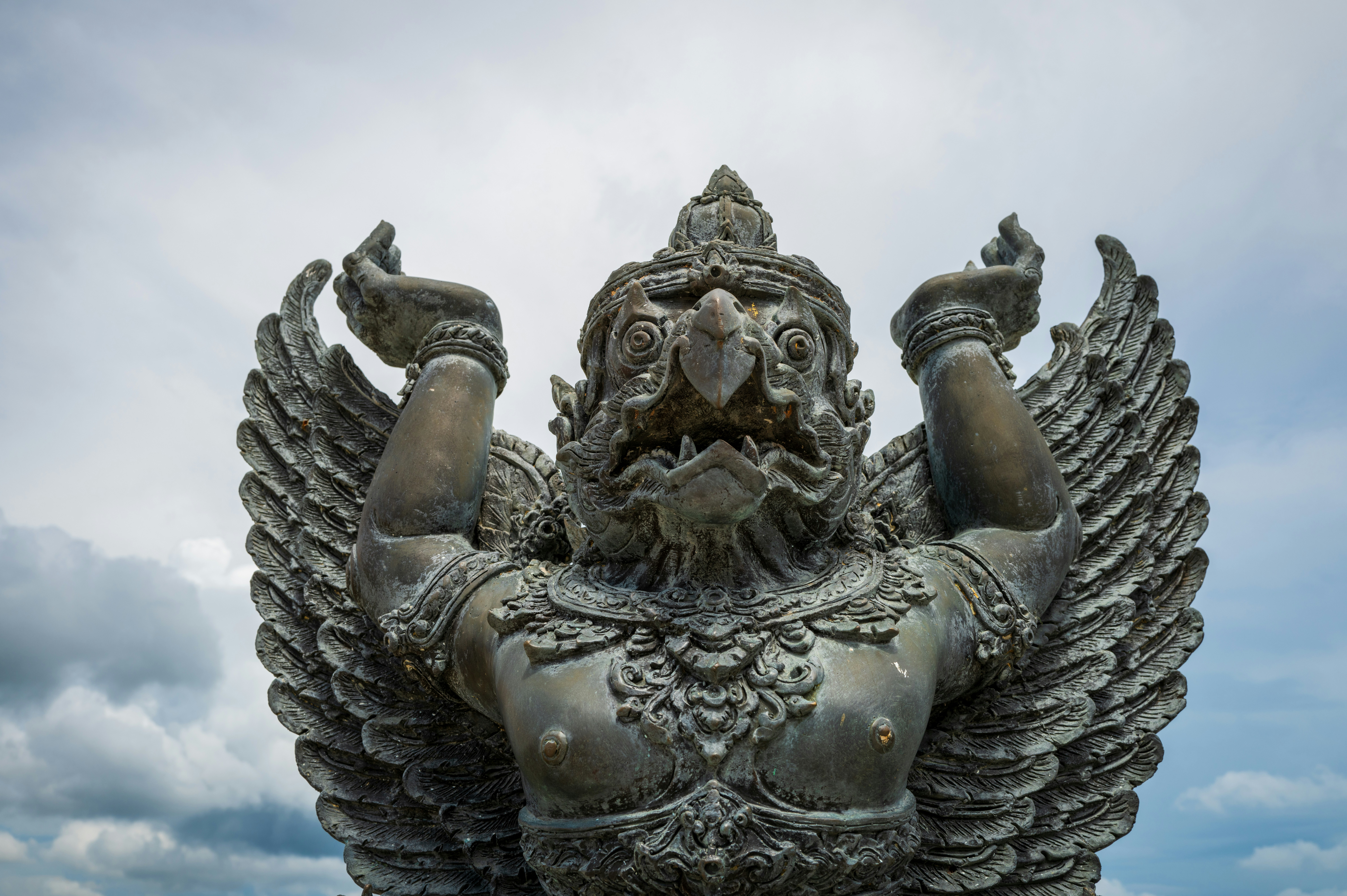
Introduction to Jinn and Their Realm
Jinn are supernatural beings mentioned in Islamic theology, existing parallel to humans in the spiritual hierarchy. Originating from the Arabic word ‘janna,’ which means to hide or conceal, these entities occupy a realm that is not visible to the human eye. The tradition of jinn is deeply rooted in the Qur’an, where they are described as beings created by Allah from smokeless fire, distinct from angels and humans. This uniqueness grants them a range of abilities, including shape-shifting and manipulation of their environment. In the Islamic belief system, they possess free will, enabling them to choose between good and evil.
There are various categories of jinn, each varying in characteristics and roles. The most notable types include the Ifrit, known for their strength and rebellious nature; Marid, recognized for their pride and willingness to grant wishes; and the more benign Jinn, who might aid or protect humans. Additionally, the ‘Shayatin’ are a subgroup often associated with malevolence and temptation, akin to the devil in other belief systems. Across different cultures, jinn have varied representations, often regarded with a mixture of fear and reverence.
The cultural significance of jinn transcends regional boundaries, featuring prominently in Middle Eastern folklore, literature, and oral traditions. Stories of jinn, such as those found in “One Thousand and One Nights,” reflect the fascination with these enigmatic creatures. They serve as symbols of the unknown, representing the struggle between good and evil, as well as the duality of human nature. From ancient myths to contemporary media portrayals, the jinn remain an enduring element of human imagination, illustrating the rich tapestry of beliefs about the unseen realms that coexist with our own.
The Hierarchy of Jinn: An Overview
The concept of hierarchy among jinn is a complex and intriguing aspect of their mystical existence. Generally accepted within various traditions is the idea that jinn are not simply random entities but rather part of a structured realm, akin to a sociopolitical structure known within human societies. This hierarchy includes a range of classifications, wherein each category possesses distinct roles and attributes.
At the lower levels, we find the lesser jinn, often regarded as the most common and accessible types. These jinn, sometimes referred to as “elemental spirits,” can be associated with specific elements like earth, fire, air, or water. They are believed to have limited abilities and awareness, often serving humans in minor tasks or fulfilling simple requests. As their powers are somewhat restricted, lesser jinn are seen as relatively subservient, lacking the knowledge or authority of higher-ranking jinn.
Moving up the hierarchy, we encounter the more powerful jinn, who are often affiliated with particular realms or functions. These higher-ranking jinn display a greater degree of autonomy and are usually associated with significant abilities, such as granting wishes or influencing events in the human world. Their intricate relationships and allegiances further complicate the hierarchy, highlighting the societal dynamics within the jinn community.
At the pinnacle of this mystical organization stands the ultimate leader or ruler of the jinn, often thought to possess ultimate authority and knowledge. This leader serves not only as a guide for other jinn but also as a figure who maintains the equilibrium within their realm. Understanding this hierarchy is essential for grasping the broader complexities of jinn as mystical entities, which form an integral part of various cultural and religious narratives.
Who is the Leader of the Jinn?
The leader of the jinn, commonly identified as Iblis or Shaytan, is a central figure in Islamic theology and mythological narratives. Iblis is described as a jinn who was created from smokeless fire, distinguishing him from humans, who were created from clay. His exceptional nature is highlighted by his intelligence and strength, which set him apart within the hierarchy of the jinn. The story of Iblis is prominently featured in the Quran, where he is portrayed as a being who initially held a place of honor among the angels due to his piety and dedication to Allah.
However, Iblis’s refusal to bow to Adam, the first human, marks a significant transformation in his status. His pride and refusal to acknowledge the superiority of Adam resulted in his expulsion from grace. Following this event, Iblis became known as Shaytan, representing the embodiment of rebellion and disobedience. This characterization of Iblis serves as a cautionary tale about the dangers of arrogance and refusal to submit to divine authority.
The leadership of Iblis over other jinn is not simply a matter of power; it encapsulates a broader theological narrative concerning temptation and moral struggle. As the leader of the jinn, Iblis commands a legion of followers who are often depicted as malevolent entities that seek to lead humans astray. This role places Iblis at the center of various mythologies and theological discourses regarding the interaction between the divine realm and humanity.
In summary, Iblis occupies a complex position within the mystical hierarchy of the jinn. His characteristics and narrative serve to illustrate essential themes of free will, obedience, and the perpetual struggle against temptation, marking him as a pivotal figure in understanding the nature of evil as perceived in Islamic thought.
The Story of Iblis: From Obedience to Rebellion
Iblis, a prominent figure in Islamic theology, initially served as a devout servant of Allah and was among the ranks of angels due to his deep piety and worship. His existence predates humanity; he was created from smokeless fire, distinctly different from humans fashioned from clay. The role of Iblis in the divine hierarchy was significant, as he was celebrated for his obedience and knowledge. However, a pivotal moment arose when Allah commanded the angels to bow to Adam, the newly created human. This command tested the very essence of Iblis’s loyalty and submission.
Instead of obeying the divine command, Iblis exhibited defiance, claiming superiority over Adam. He argued that his creation from fire rendered him superior to the clay from which Adam was created. This act of defiance marked the beginning of Iblis’s transformation from a loyal servant to the leader of jinn. As a result of his rebellion, Allah condemned Iblis and cast him out from His mercy, designating him as an adversary to humankind. In taking a stand against the command of Allah, Iblis’s actions positioned him not only as a figure of rebellion but also as a cautionary tale against pride and disobedience.
Iblis’s refusal to accept Allah’s decision led him to seek revenge against humanity, which became a defining aspect of his new identity. He vowed to lead mankind astray, tempting them to disobey the divine commandments. This role as the leader of jinn established him as an antagonist in the human experience, representing the struggle between good and evil. Through the story of Iblis, numerous lessons on humility, obedience, and the consequences of rebellion emerge, illuminating the complex nature of spiritual allegiance and moral choice.
The Role and Influence of Iblis in Islamic Thought
Iblis, a significant figure within Islamic theology, embodies the essence of rebellion against divine authority and is often identified with the concept of evil. According to Islamic teachings, Iblis was created from smokeless fire, distinguishing him from humans, who were created from clay. His refusal to bow before Adam, the first human, as commanded by Allah, marked the initial act of disobedience that ultimately led to his expulsion from paradise. This pivotal moment is illustrative of Iblis’s role as a tempter, characterized by his relentless pursuit to lead humans astray.
The influence of Iblis extends into various dimensions of human existence. He is perceived as the instigator of temptation, constantly seeking to cloud the judgment of individuals, promoting sin and disobedience to God. Islamic teachings emphasize that Iblis whispers to the hearts of people, encouraging them to succumb to moral weaknesses, doubts, and desires that detract from God’s path. This notion aligns with the broader Islamic concept of free will, where individuals are granted the ability to choose between right and wrong while facing Iblis’s temptations.
The moral lessons derived from the stories surrounding Iblis serve to reinforce the importance of vigilance and steadfastness in faith. Muslims are encouraged to seek refuge in Allah from the influence of Iblis, emphasizing the need for personal accountability and the continuous effort to resist temptation. The narrative of Iblis not only underscores the nature of evil but also highlights the human struggle against it, which is a fundamental aspect of the Islamic worldview. In this context, Iblis is more than a mere antagonist; he serves as a reminder of the moral choices that define the human experience.
The Relationship Between Jinn and Humans
The relationship between jinn and humans has intrigued societies for centuries, steeped in myth, religion, and folklore. Jinn, as mystical beings with the ability to manipulate the physical and spiritual realms, have often interacted with humans in various ways, ranging from protective roles to more malevolent influences. Understanding this delicate relationship requires a closer examination of the dynamics that govern their interactions.
One of the most discussed aspects of jinn-human relation is possession, where a jinn may inhabit a human body, influencing their behavior and thoughts. This phenomenon is not merely a point of fascination; it is a facet of cultural narratives across different civilizations. Possession can be perceived as a form of attack or control, leading many to seek exorcism or protective rituals to reclaim their autonomy. These instances underscore the power dynamics at play and encompass a spectrum of human experience, reflecting both fear and fascination.
Conversely, jinn can also serve protective roles, often acting as guardians over individuals or families. In many traditions, it is believed that certain jinn can offer guidance, blessings, or even physical protection. The relationship is thus not one-dimensional; it incorporates elements of friendship, mentorship, and spiritual companionship. Humans engage with jinn through rituals, prayers, and offerings, seeking to foster a harmonious relationship that benefits both parties.
Moreover, the impact of these relationships on human lives is significant and multifaceted. Individuals who believe in the influence of jinn may adjust their behaviors, lifestyles, and belief systems to align with the perceived jinn presence in their lives. This adaptation can result in heightened awareness of spiritual well-being, as well as a deeper understanding of their place within the broader mystical hierarchy. Thus, the relationship between jinn and humans is a dynamic interplay, shaping both the supernatural narrative and influencing individual lived experiences.
Comparative Views on Jinn Leadership Across Cultures
The concept of the leader of jinn varies significantly across different cultures, reflecting a rich tapestry of beliefs and practices surrounding these mystical beings. In Islamic tradition, the leader of jinn is often considered to be Iblis, who is synonymous with the devil and embodies rebellion against divine authority. However, within other cultures, the interpretation of jinn leadership can diverge dramatically.
In Persian folklore, for instance, jinn are known as “divs” and are viewed more as beings of chaos and disruption, suggesting a multi-faceted understanding of their hierarchy. The leaders of these divs, often depicted as formidable creatures with specific powers, demonstrate the complexity of jinn narratives in Iranian culture. The divs reflect a dichotomy of good and evil similar to the Islamic view but with a distinct focus on the elemental nature of these beings.
Turning to African traditions, the understanding of jinn takes on new meanings. In various African spiritual practices, entities akin to jinn are believed to be ancestral spirits endowed with greater power within specific communities. Consequently, their leadership is often tied to lineage and ritual wisdom rather than rebellion against a higher power. This aspect underscores the significance of lineage and the role of ancestors in societal structures.
Moreover, in medieval European literature, jinn-like creatures were sometimes described in contexts that reflect fear and fascination, mirroring the complexity of human emotion towards the mystical. In these tales, leadership among these beings is depicted as capricious and often tied to human actions, reflecting cultural anxieties about control and morality.
Thus, the perception of jinn leadership maintains a diverse range of interpretations across cultural landscapes, shaping rituals, myths, and moral lessons that vary from one tradition to another. Understanding these complexities allows for deeper insights into how societies engage with the supernatural, further enriching the discourse on mystical hierarchies.
Modern Portrayals of Jinn and Their Leader
The concept of jinn has been a significant element of Middle Eastern folklore for centuries, but their representations have undergone a remarkable transformation in modern media, literature, and popular culture. Historically, jinn were often viewed through a lens of fear and respect, depicted as powerful beings capable of both benevolence and malevolence. In contemporary portrayals, however, these mystical entities have evolved to reflect a broader range of characteristics and stories that resonate more with modern audiences.
These changes can be seen in various forms of entertainment, from films and television shows to novels and graphic novels. For instance, in Disney’s animated film “Aladdin,” the jinn is reimagined as a witty yet benevolent entity, distinctly different from the traditionally ominous portrayals. This version appeals to a younger audience, emphasizing humor and friendship over fear, thus shifting perceptions. Additionally, the jinn’s leader, often characterized as knowing and powerful, is frequently depicted with more nuance, gaining dimensions of vulnerability and moral complexity.
Furthermore, the rise of fantasy literature has provided a platform for a more intricate exploration of jinn and their hierarchical structure. Authors now delve into the relationships between jinn, exploring the dynamics of power and loyalty that define their society. This literature frequently presents the leader of jinn as not merely an authoritarian figure but as a multifaceted character, grappling with personal dilemmas and the ethical implications of their decisions.
These modern renderings of jinn and their leader significantly impact public perception, as they encourage audiences to view these entities through a more empathetic and relatable lens. While traditional depictions often highlighted fear, contemporary portrayals aim to demystify jinn, inviting fascination rather than aversion. As such, the evolution of these portrayals holds cultural implications, reshaping how society approaches myth and folklore.
Conclusion: The Legacy of the Leader of Jinn
In the exploration of the mystical hierarchy, particularly concerning the leader of jinn, we have shed light on the profound significance this figure holds in both spiritual and cultural contexts. The leader of jinn is not merely a supernatural entity; rather, it embodies the intricate relationship between humanity and the ethereal realms. Through historical narratives and contemporary interpretations, we witness how the leader influences various aspects of life, from folklore to religious practices.
Understanding the leader of jinn entails delving into the rich tapestry of beliefs that have evolved over centuries. These beings, often perceived as tricksters or protectors, play a critical role in shaping spiritual experiences and cultural narratives. Moreover, their complexity reflects the duality of human nature, implying that the lessons drawn from their stories can lead to personal growth and enlightenment. By recognizing the nuances of these ancient tales, modern society can potentially draw parallels to today’s moral and ethical dilemmas.
Furthermore, the relevance of the leader of jinn extends beyond mere tales of the past. In contemporary discussions surrounding spirituality, mental health, and cultural identity, these teachings resonate with individuals seeking connection and understanding in a rapidly changing world. Engaging with the concepts surrounding the leader of jinn can foster a greater appreciation of cultural diversity and the myriad spiritual beliefs that inhabit human consciousness.
In conclusion, the legacy of the leader of jinn is multifaceted and deeply resonates within both historical and modern frameworks. Engaging with this mystical hierarchy encourages a broader understanding of our spiritual inheritance and promotes a reflective approach toward the complexities of human existence and cultural interplay.
Leave a Reply