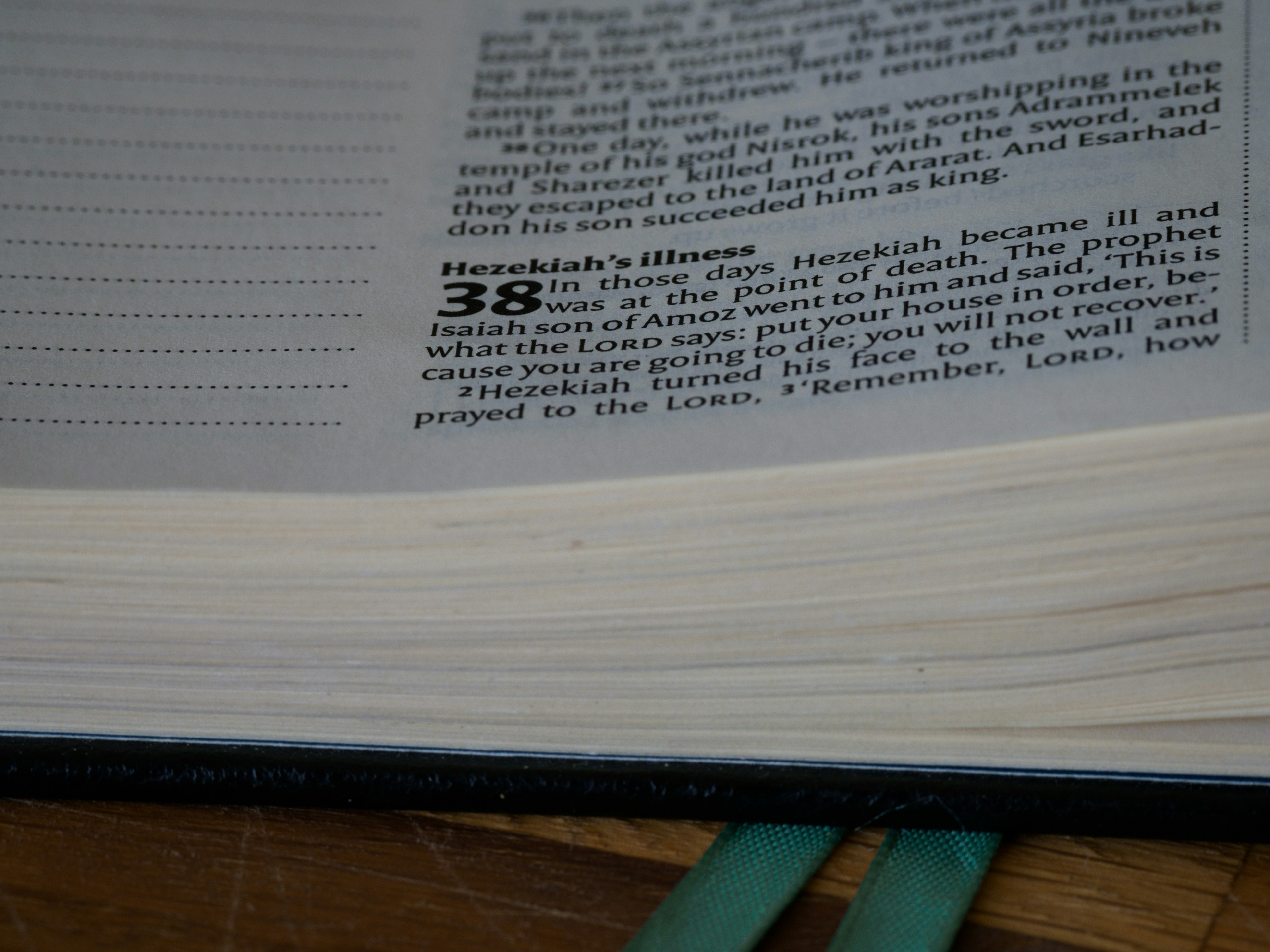
Introduction to the Concept of Healing in Islam
In examining the concept of healing within Islam, it is essential to recognize the profound connection between spirituality and physical health. Islamic teachings emphasize that healing is not only a physical matter but also involves the soul and spirit. The belief in divine healing is deeply entrenched in the faith, highlighting the importance of turning to Allah for both physical ailments and spiritual wellness.
The Quran is regarded as a guiding text that contains profound wisdom, including instructions on health and healing. Within its verses lie teachings believed to possess unique healing properties. Many Muslims hold the view that the recitation of certain surahs can facilitate recovery from illnesses and promote inner peace. This belief is supported by historical accounts and the experiences of individuals who have turned to these sacred texts for solace and healing.
In Islam, the act of seeking healing through prayer and supplication is encouraged. It reflects a reliance on divine power, underscoring that ultimate healing comes from Allah. This relationship between the believer and the divine is foundational, as it fosters hope and resilience in the face of life’s challenges, including health issues.
The intertwining of spirituality and physical health is evidenced in various Hadiths that advocate for a holistic approach to wellness. This approach considers the well-being of the body, mind, and spirit, encouraging practices that foster balance and harmony within an individual. Therefore, the journey toward healing in Islam is not merely about addressing physical maladies but also nurturing the spirit, leading to comprehensive health—both seen and unseen.
The Importance of the Quran in Healing
The Quran, regarded as the holy scripture of Islam, holds a pivotal role in the healing process both physically and spiritually. It consists of verses that serve not only as guidance but also as a source of refuge and comfort for the believers. The teachings found within the Quran emphasize the significance of placing complete reliance on Allah for healing and protection from ailments. This reliance fosters a deep sense of spirituality, which is fundamental to overall wellness.
Numerous verses within the Quran highlight the connection between faith and health. For instance, seeking help from Allah during times of difficulty is encouraged, as it symbolizes trust in His wisdom and power. Verses such as “And when I am ill, it is He who cures me” (Quran 26:80) succinctly encapsulate this relationship between divine support and physical healing. The act of turning to the Quran during illness or distress can facilitate spiritual healing, which is equally important as addressing physical health concerns.
Moreover, Islamic teachings frequently discuss the concept of spiritual health, emphasizing that true wellness is multifaceted. The Quran promotes the cultivation of a sound mind and heart, which is crucial for overcoming life’s challenges. Engaging with the Quran through recitation and reflection serves to fortify one’s faith, potentially leading to mental clarity and emotional tranquility. Consequently, believers often perceive the Quran not just as a text, but as a holistic remedy that addresses both physical maladies and spiritual disarray.
In this manner, the Quran fosters a profound connection between spirituality and healing, making it an integral part of the Islamic approach to health and well-being. By incorporating faith into one’s journey toward recovery, individuals may find solace and resilience in the face of adversity, encapsulating the Quran’s ultimate role as a source of healing and guidance.
Introduction to Surah Al-Isra (The Night Journey)
Surah Al-Isra, also known as The Night Journey, is the seventeenth chapter of the Holy Quran. This significant surah consists of 111 verses and is located within the Meccan period of the Quran’s revelation. Its name stems from the profound narrative of the Prophet Muhammad’s miraculous night journey from Mecca to Jerusalem, and subsequently his ascension to the heavens, known as the Isra and Mi’raj. This event not only serves as the backdrop of the surah but also embodies a pivotal moment in Islamic history, symbolizing the spiritual elevation of the Prophet.
The themes encapsulated within Surah Al-Isra are diverse, covering aspects of faith, guidance, and the essence of divine revelation. The surah emphasizes the importance of prayer, moral responsibility, and the continuous struggle against adversities faced by believers. Furthermore, it addresses the concept of spiritual and moral accountability, urging individuals to maintain their connection with God through acts of worship and ethical conduct. Given the depth of its messages, Surah Al-Isra is often regarded as an inspirational source for spiritual healing.
In the context of healing, Islamic tradition holds Surah Al-Isra in high esteem due to its association with the night journey, which signifies both spiritual and physical restoration. The healing attributes of this surah are believed to stem from its powerful verses, which reinforce the notion of seeking solace and comfort through faith. Reciting Surah Al-Isra is thought to provide relief from various afflictions, reflecting the belief that divine words carry the power to heal both the heart and the body. The unique attributes of this chapter position it as a significant source of spirituality and well-being in the lives of believers.
The Healing Properties of Surah Al-Isra
Surah Al-Isra, also known as Surah Bani Isra’il, is the seventeenth chapter of the Quran and comprises 111 verses. This Surah holds profound spiritual significance in the Islamic tradition, and many scholars attribute exceptional healing properties to specific verses within it. The belief in the power of these verses to alleviate physical ailments and mental distress is rooted in the broader Islamic understanding of the relationship between faith and well-being.
One verse that is often referenced for its healing qualities is verse 82, which states, “And We send down in the Quran that which is a healing and a mercy for the believers.” This verse is interpreted by Islamic scholars to indicate that the recitation of the Quran, particularly Surah Al-Isra, provides spiritual healing. The term “healing” in this context encompasses not just physical ailments but also psychological and emotional challenges.
Additionally, the language and rhythm of the verses in Surah Al-Isra are believed to have a calming effect on the reader or reciter. Scholars suggest that the meditative recitation of these verses can bring tranquility and solace during times of distress. Many believers report experiencing a sense of peace and improved mental clarity after engaging with these sacred texts.
Furthermore, the concept of “Barakah,” or blessings, associated with the recitation of Quranic verses is significant in this discussion. Islamic teachings emphasize that reciting Surah Al-Isra regularly can invite divine blessings and protection against various forms of affliction. The belief is that consistent engagement with this Surah fosters a holistic healing process, where both the body and soul benefit from the spiritual nourishment it provides.
Thus, the healing properties of Surah Al-Isra extend beyond mere physical ailments, embracing a comprehensive approach to health that intertwines spiritual, emotional, and psychological dimensions. Engaging with this Surah not only assists in alleviating suffering but also fosters a deeper connection to one’s faith and spirituality.
Historical Context and Anecdotal Evidence
Surah Al-Isra, often recognized for its profound significance within the Islamic tradition, has a rich historical context that extends beyond its theological implications. Numerous accounts from the time of the Prophet Muhammad (PBUH) illustrate the use of this surah for spiritual and physical healing. Historical narrations suggest that the Prophet advised his companions to recite specific verses for protection against ailments, promoting the belief in the divine healing power embedded within the Quran.
In particular, there are several anecdotes from the early days of Islam wherein individuals claimed to have experienced significant recovery from illnesses after reciting Surah Al-Isra. One notable account involves a companion of the Prophet who, suffering from an ailment, was encouraged to recite this surah consistently. The companion attributed his recovery to the spiritual efficacy and faith instilled through the recitation. Such stories have contributed to a continuous thread of belief among Muslims that Surah Al-Isra possesses unique healing properties.
In more recent times, various individuals have shared personal testimonies that further underscore the surah’s perceived medicinal qualities. Many contemporary practitioners of spirituality and healing maintain that reciting Surah Al-Isra during times of illness fosters a sense of peace and encourages a positive mindset, which can play a vital role in recovery. Stories abound of people overcoming dire health challenges—such as chronic diseases and psychological disorders—by integrating the recitation of this powerful surah into their healing rituals.
The narrative surrounding Surah Al-Isra serves both as a reminder of the spiritual dimensions of healing and as an encouragement for individuals seeking solace through faith. As these anecdotes circulate within the community, they reinforce the long-standing belief in the connection between spiritual practice and health, demonstrating the enduring relevance of this surah in the realm of healing.
The Practice of Reciting Surah Al-Isra for Healing
Surah Al-Isra, known for its profound spiritual insights and healing properties, plays a pivotal role in various Islamic traditions centered on health and wellness. To harness its potent benefits effectively, certain practices can be observed while reciting this Surah.
One of the recommended practices is to recite Surah Al-Isra after completing the obligatory prayers. This day-to-day engagement enhances the effect of the healing verses within the Surah, allowing recipients to internalize its messages better. While reciting, it is crucial to approach the text with a pure heart and a clear intention focused on healing. This intention serves as a medium to invite divine blessings and mercy.
Timings also play an essential role in the recitation of Surah Al-Isra for healing. Many practitioners prefer to recite it at night, specifically after the Isha prayer, when the environment is tranquil and conducive for introspection. Others may choose the quiet moments of dawn, just before Fajr, believing that such times are particularly favored for spiritual endeavors.
To maximize the efficacy of the recitation, it is encouraged to maintain a mindful atmosphere free of distractions. You may want to create a ritualistic setting—this could include lighting fragrant candles, using essential oils, or simply ensuring a clean and serene space. Engaging in such practices fosters an environment where the mind and spirit are wholly concentrated on the words being recited.
Furthermore, it is beneficial to repeat specific verses that resonate with one’s personal ailments or emotional struggles, as doing so aligns the healing energy of the Surah with individual needs. As you recite, consider invoking reflections and prayers for yourself and others, thereby extending the healing process beyond personal boundaries.
Complementary Healing Practices in Islam
In the framework of Islamic beliefs, healing extends beyond the mere recitation of scriptures. While Surah Al-Isra is esteemed for its spiritual benefits, it serves as an integral part of a broader, holistic approach to health and well-being. Within Islam, complementary healing practices such as prayer, charity, and mental well-being are emphasized as contributing factors to overall health.
Prayer (dua) holds a prominent position in seeking solace and healing. It is not merely a ritualistic act but a profound means of connecting with the Divine. Muslims believe that heartfelt supplication can facilitate spiritual and emotional relief, ultimately leading to physical well-being. The act of praying allows individuals to express their concerns, seek guidance, and cultivate a sense of peace, thereby reinforcing the body’s natural healing mechanisms.
Equally vital is the practice of charity (sadaqah), which fosters a community spirit and encourages individuals to support those in need. Engaging in charitable acts is not just beneficial for the recipients; it provides the giver with a sense of purpose and satisfaction, significantly contributing to mental health. This cycle of giving and receiving creates an environment where harmony and support exist, further enhancing collective well-being.
It is also imperative to address mental health as a complementary practice within the Islamic framework. A balanced approach that includes mindfulness, meditation, and self-reflection can nurture one’s psychological state. Understanding that mental health is as critical as physical health aligns with the teachings of Islam, prompting individuals to pursue methods that ensure both aspects are attended to.
In essence, while Surah Al-Isra offers profound spiritual insights and healing, its effectiveness is augmented when combined with these complementary practices. By embracing this holistic approach, individuals can experience comprehensive well-being that nurtures both the spirit and the body.
Scientific Perspectives on Spiritual Healing
The intersection of spirituality and health has become an increasingly prominent area of research in modern medicine. Scientific studies suggest that engaging in spiritual practices, such as reciting the Surah Al-Isra, can have beneficial effects on mental and physical health. This phenomenon is often observed in patients who report reductions in stress, anxiety, and depression as a result of spiritual engagement.
Research has demonstrated that individuals who participate in spiritual practices often experience enhanced coping mechanisms, increased feelings of hope, and overall better quality of life. This is particularly significant when considering chronic illnesses, where patients frequently suffer from psychological distress. Medical professionals have acknowledged that addressing spiritual well-being can facilitate healing processes, acting as a complementary approach to traditional medical treatments.
Various studies have explored the biochemical and physiological mechanisms through which spirituality may influence health outcomes. For instance, practices like prayer or meditation have been shown to lower cortisol levels, which is a hormone associated with stress. A calmer state of mind can foster a better healing environment, allowing one’s body to regain balance and health more effectively.
Moreover, qualitative research indicates that many patients find comfort and hope in spirituality during medical crises. This spiritual comfort often translates into a more favorable outlook on their health journey, which can lead to improved adherence to treatment and better engagement with healthcare providers.
While traditional medicine focuses on tangible treatments and therapies, recognizing the potential of spiritual methods can enhance holistic healing practices. By bridging the gap between spiritual modalities and scientific findings, practitioners can pursue comprehensive care that nourishes both the body and the soul. Through this multidisciplinary approach, it becomes evident that spirituality—like reciting Surah Al-Isra—could indeed play a crucial role in the realm of healing and well-being.
Conclusion and Call to Action
In reflecting upon the valuable teachings found within Surah Al-Isra, it becomes evident that this sacred text offers profound insights into the connection between spirituality and health. The interplay of faith and healing is well illustrated by the message imbued in the Surah, which not only provides a spiritual roadmap but also serves as a therapeutic guide for those seeking solace and restoration. The verses articulate themes of resilience, comfort, and divine support, which can be instrumental in fostering a positive mindset and emotional well-being.
Furthermore, integrating the principles derived from Surah Al-Isra into one’s lifestyle can lead to meaningful change. Whether through regular recitation, reflection on its meaning, or prayer, these spiritual practices may help in addressing various aspects of health. The holistic approach advocated in this Surah emphasizes that spiritual nourishment is as vital as physical care. This harmony between body and spirit fosters a more comprehensive understanding of wellness.
We encourage readers to delve deeper into their faith, examining how it can serve as a source of healing and strength. Exploring the teachings within Surah Al-Isra could open doors to not only improved health but also enhanced spiritual fulfillment. Share your personal experiences and insights about how spiritual practices have influenced your health journey. By fostering a community dialogue, we can all learn from one another and support each other in this vital quest for wellness.
Let us remain committed to exploring and embracing the healing potential of our spirituality, taking proactive steps towards better health and deeper faith.
Leave a Reply