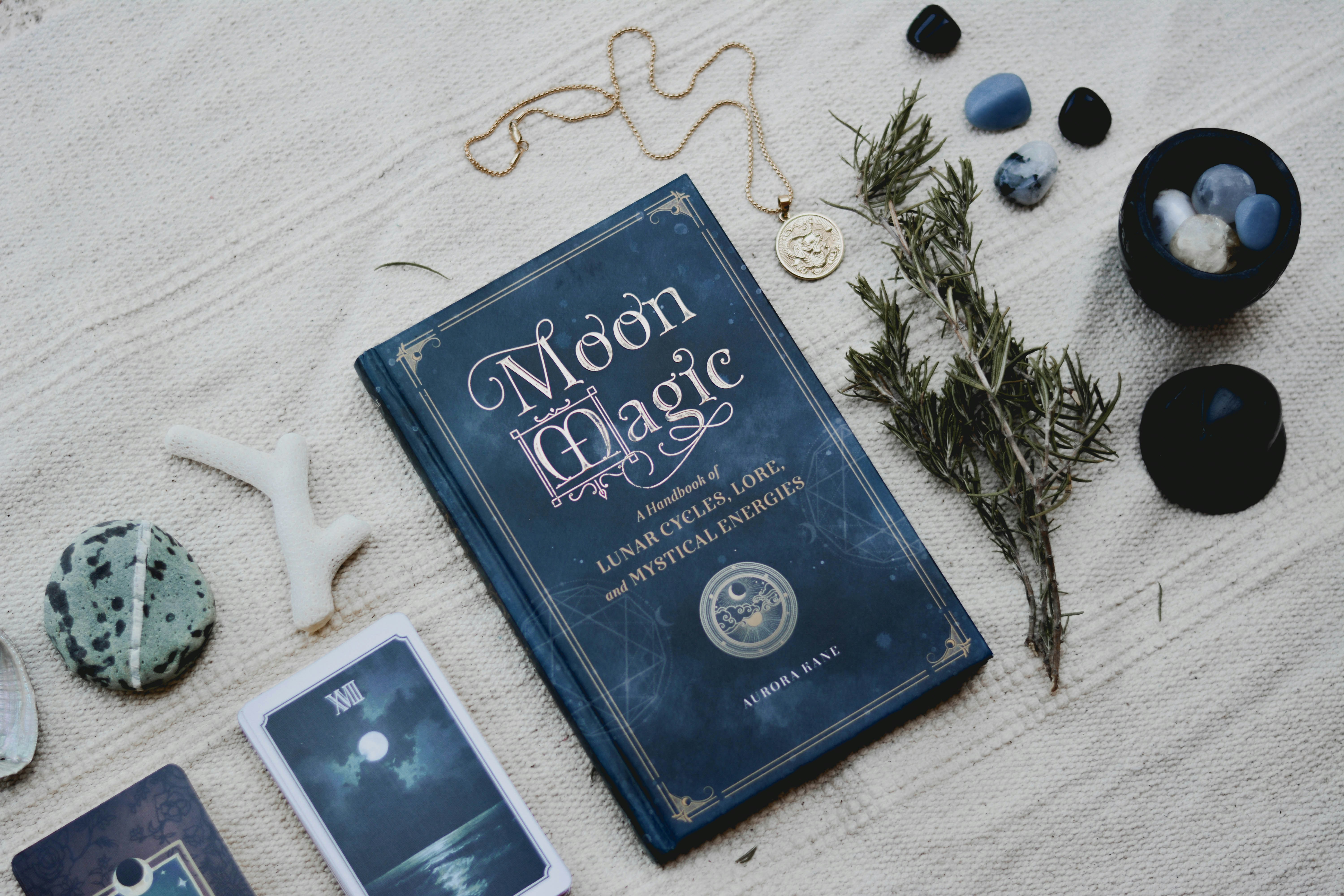
Introduction to Black Magic
Black magic, often juxtaposed with its counterpart, white magic, is a practice historically associated with malevolent intentions, wherein individuals seek to harness supernatural forces to achieve desired outcomes, often at the expense of others. Unlike white magic, which is purportedly aimed at promoting good and healing, black magic is frequently perceived as a means to manipulate or control. This distinction forms a crucial aspect of the understanding of black magic within various cultural frameworks.
The origins of black magic can be traced back to ancient civilizations, where it was often intertwined with the spiritual beliefs and practices of the time. For instance, in certain African and Caribbean traditions, rituals designed to invoke spirits or manipulate energies are considered integral to their cultural heritage. Similarly, in European folklore, black magic has been associated with witches and sorcery, often resulting in societal stigma and persecution, especially during the infamous witch hunts of the Middle Ages.
Culturally, black magic holds a significant yet controversial position across different societies. In some cultures, it is regarded as a form of power that can protect individuals from harm or facilitate personal gain. Conversely, in other contexts, black magic is strictly demonized, seen as a threat to social order and moral fabric. This duality reflects the complexities of human beliefs about the supernatural and the ethical implications surrounding the use of such practices.
The belief in black magic transcends boundaries and has been documented in multiple cultures worldwide. From voodoo practices in Haiti to hexes and curses in European traditions, the manifestations of black magic can vary widely yet share common threads of intent and cultural significance. Understanding black magic requires an appreciation of the multifaceted beliefs underpinning its practice, highlighting the intricate relationship between society, magic, and morality.
Historical Context of Black Magic
Black magic, often defined as the use of supernatural powers for malevolent purposes, has roots that stretch deep into the ancient civilizations of human history. This practice, alongside other forms of magic, has been an intricate part of various cultures, woven into their mythology, religious beliefs, and social norms. The historical context of black magic allows us to understand its evolution and the role it has played in the lives of people across different epochs.
In ancient Mesopotamia, for example, practitioners believed in harnessing the supernatural to influence events in their favor. This included spells, incantations, and the invocation of deities to do harm or good. Similarly, the Egyptians had their own interpretations of magic, manifesting in their religious rituals, where certain spells were used for protection or to summon curses. These early instances of magical practices laid the groundwork for what would develop into more defined practices of black magic, often viewed with suspicion and fear.
Throughout history, black magic has often intersected with religion. In the Middle Ages, the rise of Christianity led to a stark division between accepted religious practices and those deemed as malevolent, often labeled witchcraft or sorcery. The infamous witch hunts of this period exemplify how societal fears could lead to extreme actions against individuals suspected of engaging in black magic. These events significantly shaped the public perception of black magic, leading to its association with evil and darkness.
Folklore across cultures has also played a vital role in perpetuating beliefs in black magic. Stories of malevolent witches, cursed objects, and the influence of spirits resonate deeply within cultural narratives, reflecting societal fears and moral lessons. As we observe the evolution of these beliefs, it is evident that black magic has not only survived through the ages, but has adapted uniquely within various cultural contexts, often revealing more about societal values than the act itself.
Types of Black Magic Practices
Black magic encompasses a variety of malevolent practices aimed at causing harm, misfortune, or manipulation of others. Among these, curses and hexes are the most commonly recognized forms. A curse is a spiritual invocation intended to bring about a detrimental effect on an individual, often performed through specific rituals that may involve the use of symbols, chants, or personal items belonging to the victim. For instance, a common practice might include writing the victim’s name on a piece of paper and then destroying it while invoking harm upon them. This type of black magic is believed to harness negative energies directed towards a target, ultimately resulting in physical or emotional distress.
Hexes, similar in nature to curses, are typically less severe but still carry malintent. They often involve simpler methods, such as casting a spell with the intention of bringing misfortune or ill health. An example of a hex might involve the use of herbs or oils, which are applied to an object that the practitioner associates with the intended target. The goal is to create a continuous influence on the victim’s life, sneaking pestilence into their daily activities without their awareness.
Another black magic practice is the creation of talismans infused with harmful energy. Practitioners may craft these objects by inscribing negative intentions into them, often using materials that symbolize fear or pain. These talismans are then placed secretly within a home or on a personal item belonging to the target, thereby unleashing discord in their life. The symbolic representation in these practices enhances their effect, as they rely on a junction between belief and intention.
In addition, blood magic represents another profound aspect of black magic, involving rituals where blood is used—either animal or human—within a ceremonial context to invoke darker powers or seal a pact with malevolent entities. Such practices are often shrouded in secrecy and horror as they delve deeper into the more sinister side of black magic.
Notable Examples of Black Magic
Black magic, or the use of supernatural powers for harmful purposes, has been a subject of intrigue and fear throughout history. One of the most notorious historical examples is the case of the infamous witch trials in Europe and America during the 16th to 18th centuries. Many individuals, particularly women, were accused of practicing black magic, leading to significant social upheaval and tragic outcomes, including public executions. These events were characterized by mass hysteria and paranoia, fueled by societal fears of the unknown.
In literature, one can find numerous portrayals of black magic that have left a lasting impact. Shakespeare’s play “Macbeth” famously features the three witches, who use their dark powers to manipulate the fate of the titular character. This portrayal serves to both entertain and to offer a cautionary message about the dangerous allure of black magic, which resonates in contemporary interpretations of the supernatural.
Modern-day occurrences of black magic are reported in various cultures around the world. For instance, in parts of Africa and the Caribbean, reports of ritualistic practices involving voodoo and sorcery are not uncommon. These practices are often shrouded in secrecy and create fear among local communities. One notable case involved the alleged use of a ‘zombie’ powder in Haiti, where it is said that individuals can be turned into mindless followers through a form of black magic. These real-life stories illustrate the enduring belief in black magic and its implications for those who practice or are subjected to it.
Therefore, the examples of black magic, whether drawn from history, literature, or modern-day life, illustrate its complex relationships with fear, power, and societal norms. The implications extend beyond mere superstition, influencing cultural beliefs and practices that persist to this day.
Cultural Perceptions of Black Magic
Black magic, often perceived through a cultural lens, evokes a plethora of interpretations and beliefs across various societies. In many cultures, black magic is viewed as a malevolent force, harnessing negative energies and intent to inflict harm or misfortune. This perception stems from deep-rooted traditions and folklore that characterize black magic practitioners as sinister figures who violate community norms and ethical boundaries. For instance, in some African and Afro-Caribbean societies, practitioners of black magic are often seen as witches or sorcerers capable of manipulating the spiritual realm to influence the material world.
Conversely, there are cultures where the lines between black magic and other forms of magical practice, such as healing or protection, are blurred. In certain indigenous cultures, the use of rituals that may be labeled as ‘black magic’ by outsiders can serve protective purposes and are culturally significant. This duality highlights the complexity of cultural perceptions; what is deemed black magic in one culture may hold relevance as spiritual aid or tradition in another.
One of the societal implications of engaging in or being accused of practicing black magic can result in stigma, ostracism, and even violence. In some communities, accusations of black magic can lead to witch hunts, where individuals—often vulnerable members of society—face dire consequences. This phenomenon is reflective of broader themes associated with power dynamics, fear, and the need to scapegoat individuals during times of uncertainty or crisis.
Moreover, the global interconnectedness of today’s society has resulted in an exchange of beliefs and practices surrounding black magic. For instance, Western interpretations often draw upon African, Caribbean, and even Asian practices, framing them through a colonial lens that can perpetuate misunderstandings and reinforce stereotypes. This evolving landscape demands a nuanced understanding that transcends simplistic labels, recognizing the rich cultural tapestries that underlie the practice and perception of black magic across different societies.
The Psychological Impact of Black Magic
The belief in black magic can create profound psychological effects on individuals and entire communities. Those who perceive themselves as victims of black magic often experience heightened anxiety and fear, leading to significant emotional distress. Such fear can stem from a variety of sources, including cultural beliefs, social conditioning, and personal experiences that lend credence to the idea of malevolent forces at work. This perception can encourage a victim mentality, where individuals feel powerless against an unseen enemy, exacerbating feelings of vulnerability.
The psychological implications extend beyond individual distress; entire communities may become engulfed in collective anxiety. When black magic is believed to be prevalent, social tensions can arise, as individuals may turn against each other, fearing that their own neighbors are practicing malevolent rituals. This can lead to a breakdown in trust within a community, leading to social isolation and further emotional suffering for those affected. The social ramifications can also include accusations, scapegoating, and acts of violence against those presumed to wield black magic.
Moreover, the mental health implications for individuals who believe they are targets of black magic can be severe. Chronic stress associated with fear and anxiety can manifest into physical ailments, while psychological conditions such as depression and paranoia could develop over time. It is crucial to recognize that the beliefs surrounding black magic operate in a cultural context that shapes personal and collective understanding, often blurring the lines between superstition and psychological reality. As such, interventions aimed at addressing the fears related to black magic should consider both psychological support and cultural sensitivity. Overall, tackling the psychological impact of black magic involves a nuanced understanding of the interplay between belief systems, mental health, and social dynamics.
Contemporary Views on Black Magic
In contemporary society, black magic has become a subject of intrigue and skepticism, often portrayed in various media forms, including television shows, movies, and literature. These representations frequently draw on traditional folklore, depicting black magic as both malevolent and mystical. This has led to a polarized perception among the public, with some viewing it as a serious practice rooted in historical traditions and others dismissing it as mere superstition.
Modern spirituality often intersects with the concept of black magic, particularly within neo-pagan and Wiccan communities. Here, the term “black magic” can refer to the darker aspects of magical practices, contrasting with “white magic,” which aims to promote healing and positivity. Practitioners in these spiritual movements may approach black magic with a nuanced understanding, emphasizing intention and ethical considerations rather than an outright condemnation of its use.
Public attitudes towards black magic are influenced heavily by cultural narratives and personal experiences. Some individuals report feeling drawn to the mysteries of black magic as a means of empowerment or self-exploration, while others harbor deeply ingrained fears stemming from historical witch hunts and societal taboos. The skepticism predominant in contemporary thought can also be attributed to scientific advancements, which encourage a rational approach to understanding phenomena that were once explained through magical or supernatural frameworks.
Despite lingering skepticism, there remains a significant portion of the population that seeks to explore the esoteric aspects of black magic, often guided by a sense of curiosity rather than malice. As our society continues to grapple with the tension between belief and rationality, black magic serves as a lens through which we can examine broader themes of fear, power, and the quest for meaning in an increasingly complex world.
Legal and Ethical Considerations
The practice of black magic, often associated with supernatural arts aimed at causing harm or invoking malevolent powers, raises significant legal and ethical questions across various jurisdictions. In many countries, laws exist that explicitly address practices considered to be associated with black magic, witchcraft, or similar activities. For instance, nations like Uganda and Ghana have enacted legislation that penalizes witchcraft, often influenced by social and cultural factors alongside modern legal frameworks. These laws can encompass a range of actions, from the practice itself to the intent behind it, particularly when such practices are believed to cause harm to individuals or communities.
In a broader context, ethical considerations surrounding black magic delve into the implications of using such practices against others. The concept of informed consent is particularly relevant; individuals targeted by black magic may not always be aware of the impending threats or harm posed to them. This highlights moral dilemmas concerning autonomy and the rights of individuals who could potentially be victimized by such practices. Furthermore, the societal implications can be grave, where accusations of witchcraft may lead to violence, stigmatization, or even death without due process, challenging the very fabric of justice and human rights.
Additionally, the prosperity of black magic in various cultures often reflects deeper societal issues, including fear, misunderstanding, and societal tensions. Ethically, the responsibility lies with individuals and communities to address these cultural fears without resorting to harmful practices or vigilantism. As societies continue to grapple with the intersection of traditional beliefs and modern legal principles, it is vital to approach the conversation around black magic with sensitivity, recognizing both the cultural significance it may hold and the potential for abuse or injustice that arises from its practice.
Conclusion and Final Thoughts
In exploring the complex and multifaceted nature of black magic, we find that it continues to hold a significant place in various cultures and societies around the world. Historically regarded as a practice deeply intertwined with superstition and folklore, black magic has evolved over the centuries, influencing and shaping social, religious, and cultural beliefs. This examination highlights not only the captivating examples of black magic but also its implications, often revealing underlying societal fears, conflicts, and a desire for control over circumstances beyond one’s grasp.
The manifestations of black magic can vary widely, including but not limited to curses, hexes, and rituals aimed at invoking supernatural forces. Such practices may stem from deep-rooted beliefs and a collective consciousness that seeks to explain and manage life’s uncertainties. Thus, understanding black magic is not merely about the acts themselves but also about recognizing the psychological and sociological factors that propel individuals towards these practices.
As we navigate the modern world, the relevance of black magic remains pertinent. Many people still find themselves drawn to mystical and esoteric practices, whether for empowerment, protection, or the pursuit of knowledge. This duality embodies a tension between rationality and belief, where individuals must grapple with their perceptions of black magic. Therefore, it is essential for readers to reflect on their understanding of this mystical topic. Engaging thoughtfully with the lore and stories surrounding black magic allows for a deeper appreciation of the various dimensions of human experience. Ultimately, the presence of black magic serves as a reminder of the innate human curiosity about life, death, and the forces that lie beyond our comprehension.
Leave a Reply