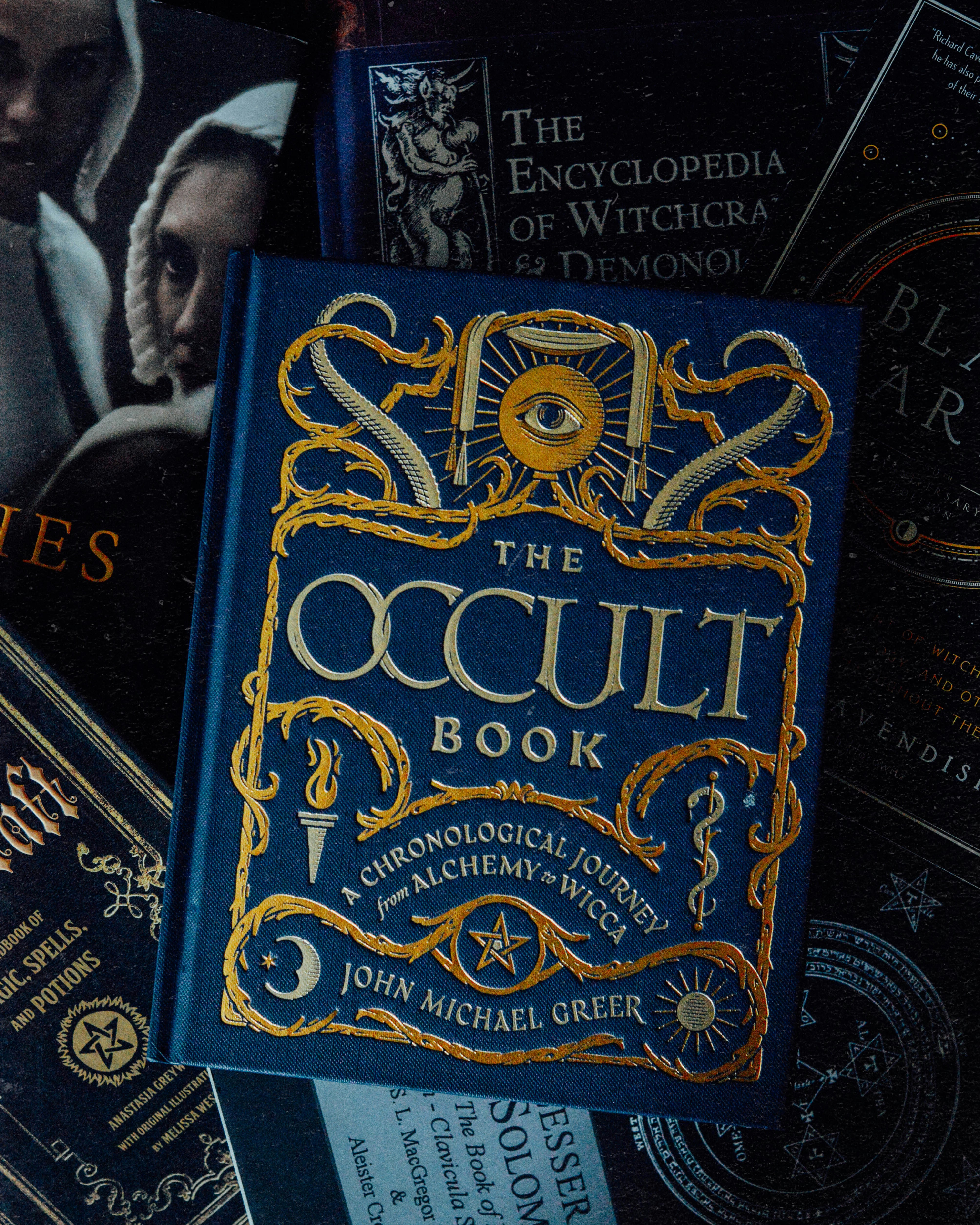
Introduction to Black Magic
Black magic, traditionally understood as the use of supernatural powers or magic for selfish, malevolent purposes, stands in stark contrast to its counterpart, white magic, which is often associated with benevolent intentions and healing. The term black magic is frequently linked with rituals or practices aimed at harming others, manipulating situations, or invoking forces that may not be beneficial to the individual or society. Black magic is steeped in a rich historical tapestry, with roots that can be traced across various cultures and belief systems throughout the ages.
Many societies have developed distinct perspectives of black magic, often viewing it through the lens of fear, superstition, and cultural significance. In some instances, black magic is characterized by its use of curses, hexes, and spells intended to bring about misfortune or disaster. In folklore, practitioners of black magic—sometimes referred to as sorcerers or witches—are often depicted as harbingers of doom, wielding their powers with malicious intent to control, torment, or deceive others.
While the definitions and interpretations of black magic may vary significantly from one culture to another, the common theme remains: it is often associated with undesirable outcomes and negative energies. In contrast, white magic is utilized for protective, healing, or altruistic purposes, showcasing a clear moral differentiation between these two practices. Understanding the nuances of black magic not only provides insights into its definition but also invites deeper considerations about its consequences and the societal fears that accompany it.
As we delve further into the world of black magic, it becomes essential to explore its implications, practices, and the cultural narratives that contribute to its enduring presence in human beliefs and practices.
Historical Context of Black Magic
Black magic, often described as the use of supernatural powers for evil or selfish purposes, has a rich and complex historical context that extends across various cultures and epochs. The origins of black magic can be traced back to ancient civilizations, where magic was deeply intertwined with religion and spirituality. In early societies, the manipulation of natural forces was considered a means to influence the gods, heal the sick, or even curse enemies. Such practices were not strictly labeled as ‘black’ or ‘white’ but rather viewed through the lens of their intended outcomes.
One of the most significant periods in the history of black magic occurred during the Middle Ages, particularly from the 15th to the 17th centuries, when a heightened fear of witchcraft and sorcery swept through Europe. Initiatives like the infamous witch hunts led to the execution of thousands, many of whom were falsely accused of black magic. The Malleus Maleficarum, a 15th-century witch-hunting manual, played a crucial role in codifying the association of women with witchcraft and black magic, revealing deeply ingrained societal fears.
The Enlightenment era marked a divergence from these superstitious beliefs, as scientific reasoning began to challenge the validity of magic. However, folkloric traditions continued to preserve stories of black magic, often depicting it as a tool wielded by malevolent figures or outcasts. In many cultures, tales of curses, hexes, and spells have persisted, evolving into modern interpretations found in literature and popular media.
Throughout history, black magic has served as both a societal scapegoat and a reflection of humanity’s darker nature. Understanding its evolution provides insight into not only cultural fears but also the complex interplay between belief and reality in human societies.
Cultural Perspectives on Black Magic
Black magic, often misunderstood and shrouded in superstition, is perceived differently across various cultures around the globe. These cultural perspectives shape how communities understand the practice, its practitioners, and the rituals involved. In many African societies, for example, black magic may not be viewed solely as malevolent; rather, it is often intertwined with traditional healing practices and communal rituals. Practitioners, sometimes referred to as healers or witches, use these arts as a means to restore balance or address community issues, although negative connotations may persist.
In contrast, Western cultures tend to associate black magic primarily with malicious intent, drawing heavily on folkloric traditions that cast practitioners as nefarious figures. The image of the witch, replete with sinister imagery, is a potent reminder of the societal fears surrounding black magic. Rituals in this context often involve elaborate ceremonies, spells, and the invocation of supernatural entities. Influences from literature and cinema have further entrenched these beliefs, often presenting black magic as an act of defiance or rebellion against the natural order.
East Asian cultures provide yet another angle, where black magic may coexist with practices rooted in ancestor worship and martial arts—an aspect seen prominently in Chinese culture. Some practitioners utilize black magical rites to seek revenge or awaken spirits, blurring the lines between spirituality and malign intent. Such complexity fosters a discourse on moral implications, distinguishing between harmful practices and those regarded as protective or empowering.
In Latin America, the blend of indigenous beliefs and colonial influences creates a distinct narrative around black magic. Here, brujería (witchcraft) blends healing and hexing, demonstrating a dual nature that challenges demonization. In this region, the cultural legacy reflects a rich tapestry wherein black magic is integrated into everyday life, often regarded with curiosity and respect rather than fear.
Common Practices and Rituals of Black Magic
Black magic encompasses a range of practices and rituals that vary across cultures and traditions. At its core, black magic is often defined by the intent to manipulate supernatural forces for personal gain or to influence others negatively. Common rituals may include spellcasting, invocation of spirits, and the use of ritualistic tools.
One prevalent method in black magic is spellcasting. Practitioners may utilize specific incantations, symbols, and items to cast spells aimed at achieving particular outcomes. For example, spells for love, revenge, or financial prosperity often revolve around crafting a narrative that resonates with the practitioner’s desires. These spells can employ various natural elements, such as candles, herbs, or crystals, each chosen for their purported energetic properties and correspondences.
The significance of symbols in black magic cannot be overstated. Symbols serve as visual representations of the intentions behind a ritual, acting as conduits between the physical realm and the spiritual. Common symbols include pentagrams, sigils, and various deity or spirit representations. These symbols are not only central to the ritualistic practice but also reinforce the practitioner’s focus and intention when performing the magic.
In addition to incantations and symbols, offerings play a crucial role in black magic rituals. Practitioners may present offerings to spirits or deities, seeking their favor and assistance in the intended workings. These offerings can range from food and drink to personal artifacts, with the belief that such gifts will appease spiritual entities and yield positive results.
Ultimately, the practices and rituals of black magic are deeply rooted in historical and cultural contexts, with each tradition providing a unique perspective on the use of supernatural forces. Understanding these elements sheds light on the complexities surrounding the topic and helps demystify the often-misunderstood realm of black magic.
The Psychology Behind Belief in Black Magic
The belief in black magic is a phenomenon rooted deeply in psychological processes. Individuals who subscribe to the idea that supernatural forces can influence their lives often find themselves navigating a complex interplay of fear, cultural conditioning, and psychological needs. Historical contexts, such as ancestral traditions or societal norms, play a significant role in shaping these beliefs.
For many, fear is a primary driver of belief in black magic. The notion that unseen forces can cause harm or manipulate reality creates a sense of vulnerability. This fear can compel individuals to seek protection from perceived threats, ultimately leading them to practitioners of black magic or to adopt belief systems that incorporate such concepts. Additionally, the stigma surrounding those accused of practicing black magic can perpetuate cycles of fear, reinforcing a community’s collective belief in its efficacy.
The placebo effect is another pertinent psychological aspect that cannot be overlooked. When individuals believe they are under the influence of black magic, they may experience real psychological and physiological effects due to their expectations. This phenomenon highlights the power of belief and suggestibility; individuals may manifest symptoms or emotional states directly correlated with their conviction in black magic, regardless of any actual magical intervention.
Moreover, the societal implications of belief in black magic extend to social cohesion and identity. In some cultures, such beliefs can fortify community ties, as shared fears and beliefs create common ground. However, they can also foster division and paranoia, leading to scapegoating or social ostracism against individuals suspected of practicing black magic. This complex interplay showcases how belief in black magic is not merely an individual psychological response but a significant factor affecting societal dynamics.
Legal and Ethical Implications of Black Magic
The phenomenon of black magic has historically provoked significant legal responses across various cultures. Accusations of practicing black magic have led to severe legal consequences, including the notorious witch hunts of the 16th and 17th centuries. During these periods, individuals—primarily women—were often prosecuted based on dubious evidence, resulting in executions and various forms of persecution. Countries adopted laws specifically targeting witchcraft, cementing the stigma associated with the practice.
In modern legislative frameworks, the legal implications of black magic vary widely. Some jurisdictions maintain laws that explicitly prohibit witchcraft or similar practices, while others prioritize individual freedom, allowing such beliefs as long as they do not infringe on the rights of others. The enforcement of witchcraft laws presents significant ethical dilemmas. For instance, it raises questions about the balance between protecting citizens from perceived harm and upholding freedom of belief and expression.
Ethically, practitioners of black magic are confronted with complex moral considerations. The intentional act of manipulating energies or forces for personal gain can lead to unintended negative consequences for others, thereby raising questions about consent and coercion. Additionally, the societal perception of black magic often casts its practitioners in a negative light, complicating their acceptance within communities. This stigma can discourage open discussions and create an environment of fear surrounding such practices.
For those who engage in black magic, recognizing the potential implications—both legal and ethical—becomes critical. Respect for personal agency, the considerations of harm versus benefit, and the broader societal impact of their actions should all factor into the decision-making process surrounding the practice of black magic. Practitioners are advised to approach their craft with a mindful awareness of these complexities, fostering a responsible and ethical engagement with the metaphysical.
Consequences of Black Magic
Black magic, often regarded as a manipulation of supernatural forces, carries a range of potential consequences for those who practice it and for its victims. Individuals engaged in black magic may experience significant repercussions, both physically and emotionally. One common theme among testimonials is the physical manifestations that often accompany the practice, such as unexplained illnesses, distressing accidents, or unexplained ailments. Practitioners may find themselves caught in a cycle of negative energy that can adversely affect their health and well-being.
Emotionally, the impact of engaging in or being subjected to black magic can be equally severe. Many victims report feelings of despair, anxiety, and loneliness. The emotional toll can lead to isolation as victims might perceive themselves as being cursed or afflicted, resulting in a withdrawal from social interactions and support systems. There is anecdotal evidence suggesting that the fear of black magic can instill a deep psychological trauma that can last long after the experience has ended.
Social repercussions are another critical aspect to consider. Individuals believed to be involved with or targeted by black magic often face stigma and ostracization within their communities. They may become subjects of suspicion, leading to strained relationships with friends and family. In some cultures, accusations of black magic can result in serious social consequences, including violence against the accused or the victim. In extreme cases, individuals may be shunned, resulting in a profound sense of despair.
Overall, the consequences of black magic are multifaceted and can extend beyond the individuals directly involved, affecting their surroundings and community at large. The weight of these repercussions underscores the need for awareness and understanding of the serious implications tied to black magic practices.
Debunking Myths Around Black Magic
Black magic often evokes a sense of fear and intrigue, leading to numerous myths and misconceptions surrounding its practices and implications. One of the most prevalent myths is the idea that engaging in black magic guarantees immediate and powerful results. However, this notion is simplistic and overlooks the complexity and variability of individual experiences with mystical practices. Many practitioners suggest that the outcomes depend significantly on the skills of the practitioner and the intentions behind their actions, making it less of an instant fix and more of a nuanced endeavor.
Another common misconception is that black magic is solely about causing harm. While some individuals may use it for negative purposes, such actions do not represent the entire landscape of black magical practices. Historically, various cultures have utilized forms of black magic for protective measures or to bring about positive changes in their lives. This duality illustrates that black magic can be employed with both malicious and benevolent intents, thereby broadening our understanding of its real application.
Additionally, many believe that those who practice black magic possess supernatural powers that set them apart from others. In reality, the belief in such powers is often rooted in personal conviction and cultural narratives, rather than empirical evidence. Many practitioners rely on rituals, symbols, and community support rather than innate abilities, emphasizing the social and psychological dimensions of these practices. This understanding helps dismantle the idea that participation in black magic requires an extraordinary capability.
By addressing these misconceptions, we foster a more informed dialogue about black magic, acknowledging its multifaceted nature while eliminating unfounded fears. A balanced perspective enables individuals to approach black magic with critical thinking and a deeper appreciation for its complexities.
Conclusion: The Relevance of Black Magic Today
In examining the subject of black magic, we have traversed a complex landscape filled with misconceptions, rituals, and moral implications. Our exploration illuminated how black magic, often conflated with malevolent intentions, serves as a cultural artifact that reflects the fears and desires of various societies. From ancient times to contemporary practices, the beliefs associated with black magic continue to shape individual and collective experiences.
Today, black magic remains a topic of intrigue within popular culture, often depicted in movies, literature, and media. This portrayal not only fuels fascination but also provides a platform for discourse about the ethical dimensions surrounding such practices. Modern interpretations often blur the lines between folklore and reality, calling into question the efficacy of rituals and the impact of belief systems on everyday life. Despite its negative connotations, black magic can also symbolize personal empowerment or liberation when viewed through various cultural lenses.
The ongoing relevance of black magic is underscored by its ability to adapt and persist in today’s society. Individuals may turn to black magic in times of distress or vulnerability, seeking solace or control in an unpredictable world. This phenomenon reflects a broader human need to explore the unknown and grapple with existential dilemmas. As technology and science offer new explanations for phenomena once attributed to the supernatural, the enduring curiosity surrounding black magic serves as a reminder of the limits of current understanding and the depth of human belief.
Ultimately, the fascination with black magic encourages critical examination of one’s own beliefs and motivations. In reflecting upon the implications of such practices, individuals may discover deeper insights into their own lives, ethics, and worldviews. The exploration of black magic, therefore, is not merely an inquiry into the mystical but also an opportunity for personal reflection and societal examination.
Leave a Reply