Introduction to Spiritual Healing
Spiritual healing is a holistic practice that aims to restore balance and harmony to an individual’s body, mind, and spirit. This approach is often rooted in the belief that spiritual well-being is vital for overall health. The practice encompasses a variety of techniques and methodologies, tailored to address the unique needs of each person. In numerous cultures around the world, spiritual healing has been a cornerstone of health and wellness for centuries, reflecting the deep-seated belief that inner peace and emotional stability can directly contribute to physical health.
Various traditions around the globe recognize the significance of spiritual healing. For example, Indigenous communities may employ ceremonies and rituals that connect individuals to their ancestors and the natural world. Meanwhile, Eastern philosophies often emphasize meditation and energy work, such as Reiki or Qi Gong, to facilitate healing. Each tradition offers its distinct perspective on the healing process, but all share the common goal of fostering a connection to something greater than oneself.
The importance of spiritual healing is increasingly recognized in contemporary society, as more individuals seek alternative methods to complement conventional healthcare. In a fast-paced world where mental health issues and stress are prevalent, spiritual healing provides a necessary respite, enabling individuals to reconnect with their intrinsic values and perceptions. By delving into various spiritual healing traditions, one can gain a deeper understanding of the diverse practices and names attributed to spiritual healers across cultures. This exploration sets the foundation for appreciating the significant role these practitioners play in guiding individuals on their personal healing journeys.
Different Types of Spiritual Healers
Spiritual healing encompasses various practices and traditions that aim to restore balance and harmony to an individual’s life. Different types of spiritual healers utilize unique methodologies, each grounded in distinct cultural beliefs and practices. Among the prominent categories are shamans, energy healers, and Reiki practitioners.
Shamans are perhaps the most widely recognized spiritual healers, often associated with Indigenous cultures worldwide. Their practices typically involve journeying into altered states of consciousness to connect with spiritual realms. Shamans act as intermediaries between the physical and spiritual worlds, utilizing rituals and ceremonies to heal physical, emotional, or spiritual ailments. Their methods may include drumming, chanting, and the use of sacred plants to facilitate healing.
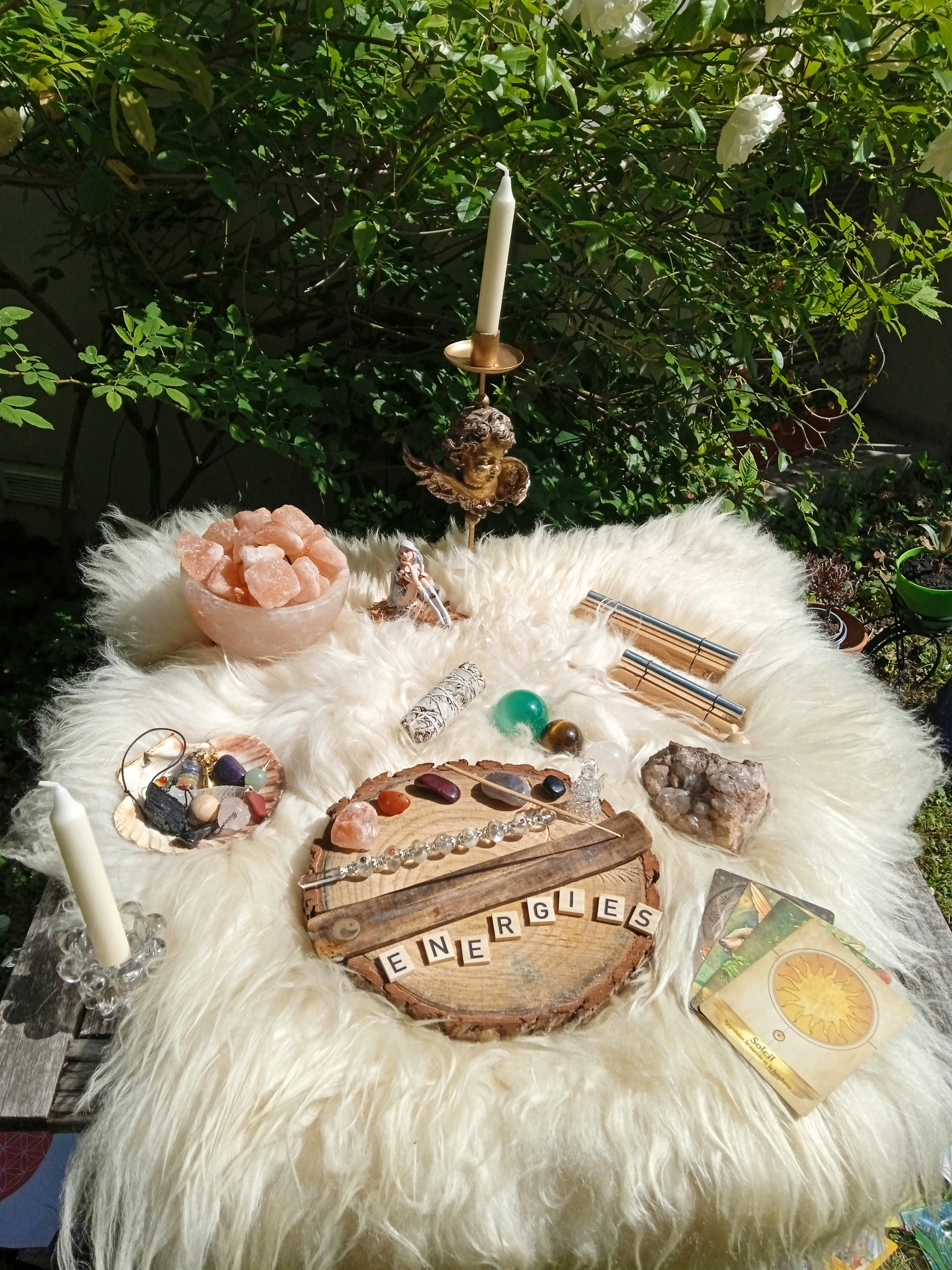
Energy healers focus on the invisible life force that flows through the body. They believe that blockages, imbalances, or disruptions in this energy can lead to disease and emotional turmoil. Practitioners often employ techniques such as chakra balancing, crystal healing, and aura cleansing. These methods aim to realign energy flow, promoting physical healing and emotional well-being. Energy healers often tailor their methods to individual needs, adapting their approaches based on specific client concerns or intuitive insights.
Reiki practitioners specialize in a form of energy healing that originated in Japan. In Reiki sessions, practitioners channel universal life force energy through their hands to promote deep relaxation and healing. Clients remain fully clothed, lying down while the practitioner gently places their hands on or above specific areas of the body. This method is believed to stimulate the body’s natural healing processes, alleviate stress, and restore overall balance. Reiki can be incorporated into various therapeutic practices, serving as a complement to traditional medical treatments.
Overall, understanding the different types of spiritual healers allows individuals to effectively explore and engage with various healing traditions. Each type brings a unique perspective and set of skills, enhancing the rich tapestry of spiritual healing available to those seeking assistance.
Terms Used for Spiritual Healers
Throughout different cultures and traditions, spiritual healers hold various titles that reflect their unique roles and responsibilities within their communities. The term shaman is often associated with indigenous tribes, particularly in regions such as North America and Siberia. Shamans are recognized for their abilities to communicate with the spirit world, often entering altered states of consciousness to heal individuals through ceremonies and rituals.
Another commonly recognized title is medium. Mediums are individuals who serve as intermediaries between the physical world and the spirit realm. They often conduct séances, providing messages from spirits to the living, and are particularly prevalent in Spiritualist movements. This role emphasizes the connection between the two worlds and the potential for healing through understanding and communication.
The term healer encompasses a broad spectrum of practices and beliefs. Healers can vary from those utilizing traditional medicine, such as herbalists, to those practicing energy healing and alternative therapies. Their techniques might involve the channeling of energy, manipulation of physical elements, or the use of spiritual insight to promote physical, emotional, and spiritual well-being.
In addition to these, other titles exist that reflect the specific cultural context, such as curandero in Mexican tradition, which denotes a folk healer who employs a combination of spiritual and herbal remedies. Similarly, the anga in certain African cultures refers to an individual who connects the community with ancestral spirits for healing purposes. Each of these terms not only identifies the healer but also signifies their unique cultural heritage and the methods through which they serve their communities.
Cultural Perspectives on Spiritual Healing
Spiritual healing practices vary widely across cultures, each offering unique insights into the roles and responsibilities of spiritual healers. In many Indigenous communities, such as Native American tribes, healers are often seen as pivotal figures who maintain the spiritual health of their communities. They employ rituals, ceremonies, and traditional medicines to address physical, emotional, and spiritual ailments. The healer’s role often goes beyond individual care, extending into community well-being, emphasizing the interconnection between individuals and the natural world.
African cultures also present a rich tapestry of spiritual healing traditions. Here, healers, often referred to as shamans or traditional medicine practitioners, utilize their deep knowledge of local herbs, divination, and ancestral spirits to provide guidance and healing. The community often places immense trust in these healers, who are thought to hold the keys to ancestral wisdom and cultural identity. Their practices can blend spiritual and physical healing, creating a holistic approach to health that is grounded in cultural beliefs.
In contrast, many Asian cultures, such as those influenced by traditional Chinese medicine and Ayurveda in India, emphasize balance and harmony within the body. Spiritual healers in these contexts may integrate practices like acupuncture, yoga, and meditation into their healing regimens. The healer’s role is often to restore equilibrium within the individual, fostering both mental and physical wellness. These practices reflect broader philosophies regarding the interconnectedness of mind, body, and spirit.
Western perspectives on spiritual healing have evolved significantly in recent years, often drawing from diverse global traditions. Alternative therapies, such as Reiki and holistic health practices, have gained popularity, focusing on energy healing and the belief in a universal life force. Here, spiritual healers are viewed not only within the context of religious or esoteric beliefs but also as integral parts of a holistic health approach that recognizes the importance of spiritual well-being in overall health.
How Spiritual Healers Work
Spiritual healers employ a variety of techniques and methodologies to promote healing, personal growth, and emotional well-being. These methods are often rooted in ancient traditions and can encompass a broad spectrum of practices, including energy work, psychic readings, and rituals. Each technique is designed to address different aspects of an individual’s well-being, fostering both physical and spiritual healing.
One of the primary methods utilized by spiritual healers is energy work. This approach often involves the manipulation and balancing of the body’s energy fields, also known as the aura or chakra system. Practitioners regularly use techniques such as Reiki, a Japanese method that channels healing energy to the recipient, facilitating stress reduction and promoting overall wellness. By enhancing the flow of life energy within the individual, spiritual healers believe they can alleviate various physical and emotional ailments.
In addition to energy work, many spiritual healers offer psychic readings. These sessions are designed to provide insight into an individual’s life by tapping into their intuitive abilities. Using tools such as tarot cards, crystal balls, or pendulums, practitioners interpret information from the spiritual realm, guiding clients to greater self-awareness and understanding of their life’s direction. This guidance is often perceived as a catalyst for personal development, allowing individuals to confront challenges and navigate their life paths more effectively.
Rituals also play a significant role in how spiritual healers operate. These structured practices may include ceremonies, meditations, or prayers that aim to invoke spiritual forces and intentions. Such rituals can serve to mark significant life transitions, such as weddings or births, and are believed to attract positive energies while dispelling negativity. Through these collective practices, healers support their clients in achieving a deeper connection to themselves and the universe, enhancing both their spiritual and emotional journey.
The Importance of Spiritual Healers in Modern Society
In contemporary society, the relevance of spiritual healers has gained considerable traction, reflecting a growing interest in alternative therapies. As individuals increasingly seek holistic approaches to well-being, the role of spiritual healers becomes paramount. These practitioners navigate emotional, physical, and spiritual dimensions, offering a unique complementary option alongside conventional medicine.
Spiritual healing, encompassing various traditions such as Reiki, shamanism, and energy healing, provides therapeutic benefits that resonate with many individuals’ needs today. Patients frequently report that integrating spiritual guidance into their healthcare journey enhances their overall experience, allowing for deeper healing on multiple levels. This holistic perspective aligns well with an increasing awareness of mental health and the interconnectedness of mind, body, and spirit.
Moreover, the shift towards more comprehensive health solutions positions spiritual healers as vital contributors to wellness. While conventional medicine focuses on diagnosing and treating physical ailments, spiritual healers often address underlying emotional and psychological factors, facilitating a more profound transformation. Their practices can alleviate stress, promote relaxation, and support mental clarity, thereby enriching the healing process.
Furthermore, the accessibility of information and the rise of digital platforms have fueled the curiosity about spiritual practices. Online resources, workshops, and community support networks have increased individuals’ exposure to spiritual healing. This growing knowledge fosters an atmosphere where alternative therapies can coexist with traditional medical approaches, allowing patients to choose treatments that resonate with their personal beliefs and values.
In essence, the importance of spiritual healers in modern society cannot be understated. As individuals become more discerning in their healthcare choices, the integration of spiritual healing alongside conventional medicine exemplifies a progressive shift towards a holistic understanding of health and well-being.
Finding the Right Spiritual Healer
Choosing the right spiritual healer can be a profound and personal journey. It is essential to approach this process with careful consideration and an open mind. Start by identifying specific areas in your life where you seek guidance or healing. This clarity will help you select a healer whose expertise aligns with your needs.
One of the first steps in locating a suitable spiritual healer is to assess their qualifications. Many practitioners have formal training or certifications in spiritual healing modalities. Research their background and experience, which may include additional studies in psychology, energy healing, or alternative medicine. When evaluating a healer, inquire about their approach and philosophy to determine if it resonates with your beliefs and expectations.
Personal referrals and online reviews can also provide valuable insights when searching for a spiritual healer. Seek recommendations from trusted friends, family members, or mental health professionals who may have experience with specific practitioners. Online platforms and social media can also offer reviews and testimonials from clients, which can guide you in your decision-making process.
While engaging with potential healers, pay attention to any red flags. A reputable spiritual healer will prioritize your wellbeing and lead with empathy and integrity. If a healer appears overly aggressive in promoting their services, makes unrealistic promises, or pressures you into making hasty decisions, consider this a warning sign. Trust your intuition throughout the process; if something feels off, it may be best to continue your search.
Building a trustworthy relationship with a spiritual healer is crucial for effective healing. Take your time and approach this journey holistically, ensuring that the healer you choose aligns with your personal values and healing objectives.
Common Misconceptions About Spiritual Healing
Spiritual healing is often shrouded in myths and misconceptions that can distort its true nature and practices. One prominent misconception is the belief that spiritual healing operates solely as a placebo effect. While the concept of placebo can indeed play a role in healing processes, it simplifies and undermines the multifaceted dimensions of spiritual healing. Many practitioners emphasize that the benefits derived from spiritual practices are not solely psychological but can also involve tangible transformations in emotional and physical well-being.
Another misconception is that all spiritual healers lack legitimacy and may be considered fraudulent. This belief stems from a few dubious individuals who exploit vulnerable individuals seeking healing. However, it is essential to recognize that many spiritual healers possess extensive training and knowledge in their respective traditions. These professionals often undergo rigorous studies and are guided by cultural practices or spiritual frameworks passed down through generations.
Furthermore, the notion that spiritual healing is incompatible with conventional medicine persists. In reality, many people find value in combining spiritual practices with medical treatments. This integrative approach acknowledges that healing can manifest on various levels—physical, emotional, and spiritual—suggesting that spiritual healing can complement traditional healthcare.
Lastly, some may assume that spiritual healing is exclusive to specific cultures or religions. While it is true that various forms of spiritual healers exist across different cultures, the principles of spiritual healing can be universally applicable. Techniques and beliefs may vary, but the core intention—to promote healing and well-being—remains consistent across practices.
Conclusion: The Ongoing Journey of Spiritual Healing
Spiritual healing remains a profound and evolving field, reflecting humanity’s intrinsic quest for wellness and balance. As individuals seek deeper connections within themselves and the universe, spiritual healers play a vital role in guiding them through their journeys. These practitioners, drawn from various traditions and backgrounds, incorporate diverse methods, including energy healing, meditation, and intuitive guidance, to facilitate transformative experiences for their clients. Each healer contributes unique perspectives and skills, underscoring the rich tapestry that constitutes the spiritual healing landscape.
In recent years, there has been a noticeable increase in interest surrounding spiritual healing practices. Factors such as the growing awareness of mental health issues, the pursuit of holistic wellness, and the search for purpose in a rapidly changing world have all contributed to this trend. As more people embrace spiritual healing, the roles of these healers continue to expand, responding to the diverse needs of society. They often serve not only as facilitators of healing but also as educators, helping individuals understand the significance of spiritual health in the broader context of well-being.
Looking ahead, the future of spiritual healing is poised for further development, with advancements in technology and an increased focus on integrative approaches. The fusion of traditional practices with modern therapies is expected to pave the way for innovative healing modalities. Furthermore, the acceptance of spiritual healing within conventional healthcare settings may foster collaborations that enhance treatment efficacy.
Ultimately, the path of spiritual healing is ongoing, with countless individuals embarking on their journeys towards self-discovery, personal empowerment, and healing. As this field evolves, it will undoubtedly continue to inspire and assist those seeking solace, guidance, and a deeper understanding of their connection to the universe.
Leave a Reply