Introduction to Nazar and the Evil Eye
The concept of Nazar, often referred to as the evil eye, has deep roots in various cultures around the world. It embodies the belief that certain individuals possess the ability to cast a malevolent gaze that can inadvertently cause harm or misfortune to others. The significance of the evil eye transcends mere superstition; rather, it reflects a collective cultural understanding of the ambiguities surrounding perception and intention.
Nazar is primarily associated with the idea that jealousy or envy can lead to unfavorable outcomes for those who are envied. Historical texts and folklore from geographical regions such as the Mediterranean, the Middle East, and South Asia illustrate that this belief has been firmly established for centuries. In many cultures, individuals believe that a mere glance can invoke misfortune, leading to damage or illness if not sufficiently counteracted. This notion fosters a strong social awareness regarding how one’s words and actions can influence the state of affairs for both themselves and others.
Understanding the signs of Nazar and the evil eye is essential in navigating social interactions and maintaining harmony within communities. Recognizing the impact of envy and intention can lead to a greater awareness of one’s surroundings, ultimately fostering a more supportive environment.
Common Signs Indicating Nazar
A variety of signs can indicate that an individual may be suffering from Nazar, commonly referred to as the evil eye. Understanding these signs is crucial for recognizing the potential presence of this malevolent influence. One significant indicator is a series of sudden misfortunes that befall a person without an apparent cause. This may manifest as unexpected financial burdens, job loss, or relationship problems that seem to arise inexplicably. Such developments can lead to heightened concerns about an unseen force affecting one’s life.
Physical symptoms may also provide clues to the presence of Nazar. A frequent manifestation includes unexplained illnesses that do not respond to conventional treatments. Individuals might experience persistent fatigue, headaches, or digestive issues that remain unresolved. Additionally, sudden changes in appearance, such as skin problems or signs of premature aging, can serve as a warning sign that someone is under the influence of the evil eye.
Emotional and behavioral changes form another critical aspect of recognizing Nazar. Affected individuals may display irrational mood swings, where moments of joy are abruptly followed by feelings of sadness or anxiety. This emotional turmoil can lead to heightened irritability and social withdrawal, impacting overall well-being and relationships with others. Moreover, decreased motivation or a sense of hopelessness can also accompany this condition. People who once pursued hobbies or social gatherings may suddenly lose interest, seeking isolation instead.
Recognizing these signs of Nazar is essential for implementing protective measures. By being aware of the common symptoms associated with the evil eye, individuals can take proactive steps to safeguard themselves and their loved ones from its potentially harmful effects.
Cultural Variations: Nazar Signs Around the World
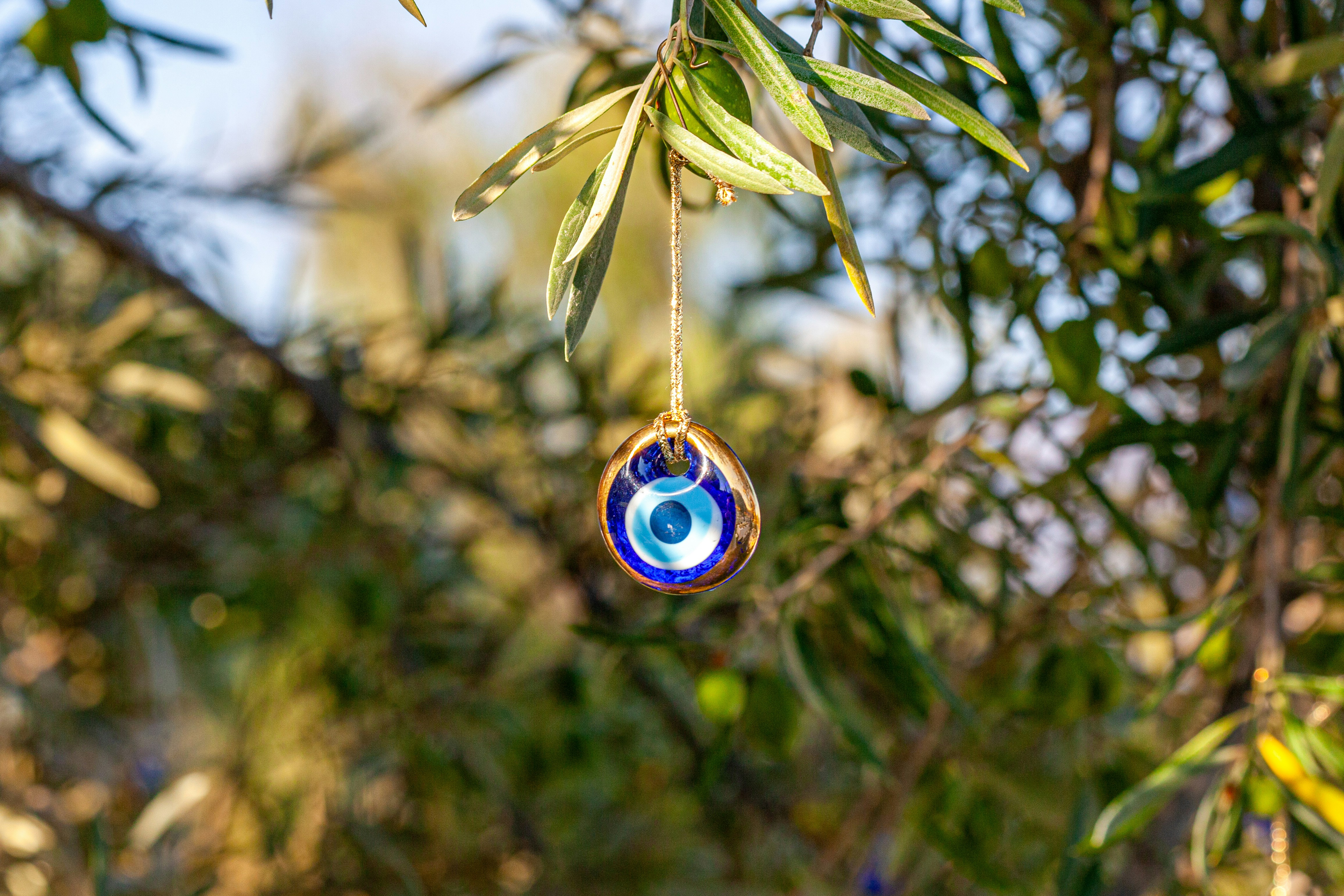
The concept of Nazar, also known as the evil eye, transcends cultures, becoming a significant part of various societies’ folklore and belief systems. While the underlying fear of malevolent envy is universal, the signs and symbols associated with the evil eye vary significantly across different regions. In the Middle East, for instance, blue and green talismans, often in the form of beads or intricate designs, are commonly used to ward off the malevolent glances of envious individuals. Known as ‘nazar boncuğu’ in Turkey, these eye-shaped artifacts are believed to reflect negative energy back to the source.
Similarly, in Mediterranean cultures, particularly in Greece and Italy, the fascination with the evil eye has resulted in numerous protective practices. In Greece, the ‘mati’ is a piece of jewelry depicting an eye that protects the wearer from malevolence. The tradition is deeply rooted and often accompanied by rituals that invoke protection against unwanted gazes. Italian customs also embrace the charms of the evil eye, which are often integrated into everyday items, denoting a strong cultural response to jealousy and envy.
On the other hand, in Latin America, the perception of the evil eye is often linked to a more complex interplay of traditional beliefs and Catholicism. In many countries, the ‘mal de ojo’ is believed to cause physical or spiritual ailments, prompting parents to use protective rituals for their children. Common practices include the use of red strings or the sprinkling of salt around sleeping areas to ward off potential curses.
Through these varied interpretations and protective practices, it is clear that the signs of Nazar are deeply embedded in cultural identities. Whether through talismans or rituals, societies worldwide continue to engage with the notion of protecting themselves from the envy and ill will of others.
Psychological Impact of Believing in Nazar
The belief in Nazar, often referred to as the evil eye, can significantly affect the psychological state of individuals and communities. This cultural phenomenon, prevalent in various societies, leads to a pervasive anxiety regarding one’s safety and well-being. The fear that others may cast malevolent glances can permeate daily life, cultivating a sense of vulnerability.
Individuals who believe in Nazar often find themselves engaged in constant vigilance, interpreting every minor setback or misfortune as a potential consequence of someone else’s jealousy or malice. This heightened state of alertness can result in paranoia and compulsive behaviors aimed at warding off perceived threats. For instance, people may resort to wearing amulets or performing rituals intended to protect them from the evil eye. While these actions may provide temporary relief, they can further entrench the belief in Nazar, perpetuating a cycle of fear and anxiety.
Additionally, the community level impact of these beliefs cannot be overlooked. In tight-knit societies, where gossip and social interactions are prevalent, rumors about one another’s misfortunes can spread rapidly. Such dynamics foster an environment filled with suspicion, where individuals might become hesitant to celebrate others’ successes for fear of inviting envy. This can lead to a culture of competition rather than camaraderie, further amplifying feelings of isolation or resentment.
The psychological implications of believing in Nazar highlight the intersection of cultural beliefs and mental health. While the belief in the evil eye can offer a framework for understanding misfortunes, it can also invoke unnecessary stress and anxiety. Addressing these issues within communities often requires a delicate balance between respecting cultural traditions and fostering awareness of their potential psychological repercussions. In the end, it is essential to prioritize mental well-being in the face of such deeply rooted beliefs.
Traditional Remedies and Protective Measures
Across various cultures, the belief in the evil eye, or Nazar, has led to the development of a range of traditional remedies and protective measures aimed at warding off its potentially harmful effects. These methods are often steeped in folklore and have been practiced for generations. One of the most widely recognized symbols associated with protection against the evil eye is the Nazar amulet, commonly depicted as a blue-and-white eye. This amulet is believed to reflect negative energies back to their source, thereby safeguarding the wearer.
In addition to the Nazar amulet, there are numerous other protective symbols and talismans that serve similar purposes. For instance, in some cultures, incorporating a red thread or string into one’s jewelry or clothing is thought to provide additional protection. This string is usually tied around the wrist or worn as a necklace and often accompanies prayers or blessings for enhanced efficacy. Additionally, certain herbs and spices, such as sage or salt, are used in cleansing rituals to purify spaces believed to be negatively influenced by Nazar.
Rituals also play a significant role in protection against the evil eye. For example, burning incense is a common practice, as the fragrant smoke is thought to lift and disperse any negative energies surrounding individuals or their environments. Many families have their own customs, including reciting specific prayers, or using water mixed with salt to create a protective barrier around their homes.
Each of these remedies and practices not only serves as a shield against the evil eye but also reinforces a sense of community and cultural identity among those who believe in their power. It is essential to understand that while these protective measures can provide comfort and reassurance, they are ultimately a reflection of cultural beliefs and personal faith.
Distinguishing Nazar from Other Illnesses
Understanding the phenomenon of Nazar, commonly referred to as the “evil eye,” requires a nuanced approach, particularly when differentiating it from other physical or mental health concerns. It is essential for individuals to recognize the signs that may suggest they are under the influence of Nazar, while also being cautious not to disregard genuine health issues that may present similar symptoms.
One of the most common indicators of Nazar is a sudden change in behavior or health, often without an obvious cause. Individuals may experience chronic fatigue, emotional distress, or even unexpected physical ailments such as headaches and digestive issues. While these symptoms can undoubtedly stem from various medical conditions, it is crucial to consider whether they have coincided with feelings of envy or malice directed towards the individual from others.
Furthermore, Nazar often manifests through an unusual pattern in one’s life, such as consistent misfortune or an inexplicable streak of bad luck that appears to correlate with the admiration or jealousy of others. Unlike typical illnesses that can be traced to physiological or psychological origins, the effects of Nazar are believed to be more closely linked to social dynamics and interpersonal relationships.
It is essential for individuals to maintain a balanced perspective by recognizing when to seek help from a healthcare professional. If symptoms persist or worsen, consulting with a medical expert is advisable to rule out any underlying health concerns. By doing so, individuals can discern whether their experiences stem from Nazar or other legitimate health issues.
Overall, while Nazar is often considered culturally significant as a source of malaise, individuals should ensure they do not overlook authentic medical conditions that require attention. Understanding the distinction between these two realms can aid in appropriate responses and care.
Understanding the Role of Intention in Nazar
The concept of Nazar, often referred to as the evil eye, is deeply rooted in various cultural narratives. Central to these beliefs is the notion of intention; that is, whether a person’s gaze harbors malicious intent or is simply a product of admiration. According to traditional beliefs, the evil eye can be cast by individuals who are envious or who wish to bring harm, even subconsciously. This highlights a unique interplay where the perceived sincerity of one’s gaze can influence the understanding of Nazar.
The interpretation of intention is frequently shaped by cultural contexts and communal values. In many societies, the act of admiring someone, particularly if it is excessive, can be construed as a potential source of envy. When admiration turns into envy, it may manifest in a harmful energy directed towards the admired person, thus instigating a belief in the evil eye. Consequently, individuals within these cultures may be particularly vigilant, interpreting fleeting glances through a lens of caution. They may hold the belief that certain looks, even if unintended, can harbor negativity.
Furthermore, the narrative surrounding intention varies significantly. In some cultures, it is believed that being the recipient of admiration can inadvertently invite the evil eye. This has led to various protective measures and rituals designed to ward off such potential harm. For example, many cultures utilize amulets and charms, such as the Nazar boncuğu, to symbolize protection against malevolent gazes. The dynamics of intention and perception thus play a crucial role in shaping the precautions individuals take against Nazar. In recognizing these aspects, a clearer understanding of how cultural beliefs influence the interpretation of seemingly innocuous looks emerges, emphasizing the profound impact of intention on the concept of the evil eye.
Case Studies: Real-life Experiences with Nazar
In various cultures, the belief in Nazar, or the evil eye, is prevalent, and numerous individuals have shared their personal encounters with this phenomenon. These case studies provide insight into how people perceive and react to what they believe could be negative energies directed toward them.
One notable case is that of Sarah, a young artist who experienced a series of unfortunate events after completing a successful exhibition. Following the event, she began to notice that her paint supplies would mysteriously go missing, her canvases would occasionally tear, and she felt an overwhelming sense of fatigue. Convinced that these hardships were not mere coincidences, she sought the opinion of a family member knowledgeable in folk beliefs. This relative suggested that she might be experiencing the effects of Nazar, possibly due to envy from others. Sarah took preventive measures by incorporating protective symbols into her workspace, which she believes helped restore balance in her life.
Another account comes from Ali, a successful entrepreneur who reported sudden setbacks in his business. After receiving a compliment on his thriving company from a competitor, Ali noticed a decline in sales and an increase in client complaints. He recalled feeling a shiver in his spine, which he interpretated as a warning sign of Nazar. Seeking guidance from a local spiritual leader, Ali learned about the importance of spiritual cleansing rituals. After performing these rituals, he reported that both his personal and professional life began to improve significantly.
These testimonials illustrate the common signs associated with Nazar and the tangible impact it can have on an individual’s life. From feelings of unease to unexplained misfortunes, experiences like those of Sarah and Ali highlight the cultural significance of recognizing and protecting against the evil eye. By sharing these stories, we open a dialogue about the importance of belief systems and protective practices that many people hold dear.
Conclusion: Embracing Awareness and Protection
Understanding the signs of Nazar, or the evil eye, is an essential aspect of various cultures. Acknowledging the beliefs surrounding Nazar equips individuals with the knowledge to recognize its potential manifestations. Whether it is an unexpected feeling of discomfort or a series of misfortunes that align with traditional interpretations, awareness plays a pivotal role in personal protection.
Throughout this discussion, we have explored several key indicators of the Nazar, such as jealousy, envy, and sudden negative occurrences that appear disproportionately in one’s life. Recognizing these signs can foster a sense of vigilance, allowing individuals to take protective measures when needed. Methods of shielding oneself from the negative effects of Nazar include wearing talismans, engaging in cleansing rituals, or simply being mindful of the energies that resonate in one’s surroundings.
As we navigate through our lives, it is vital to approach these cultural beliefs with respect and understanding. Each community may have its unique interpretations and rituals aimed at combating negative influences. Embracing such diversity enriches our understanding and fosters a space for dialogue around cultural practices. This dialogue not only broadens our perspectives but encourages coexistence and mutual respect among differing belief systems.
Ultimately, recognizing the influence of the evil eye invites individuals to maintain a balance between awareness and spirituality. Armed with knowledge and respect for these cultural symbols, one can navigate life’s challenges more adeptly. It is through this combination of vigilance and openness that we can harmoniously coexist with traditional beliefs, acknowledging their significance while charting our own paths. This respectful approach may pave the way for a more enriched understanding of Nazar and its role in our lives.
Leave a Reply