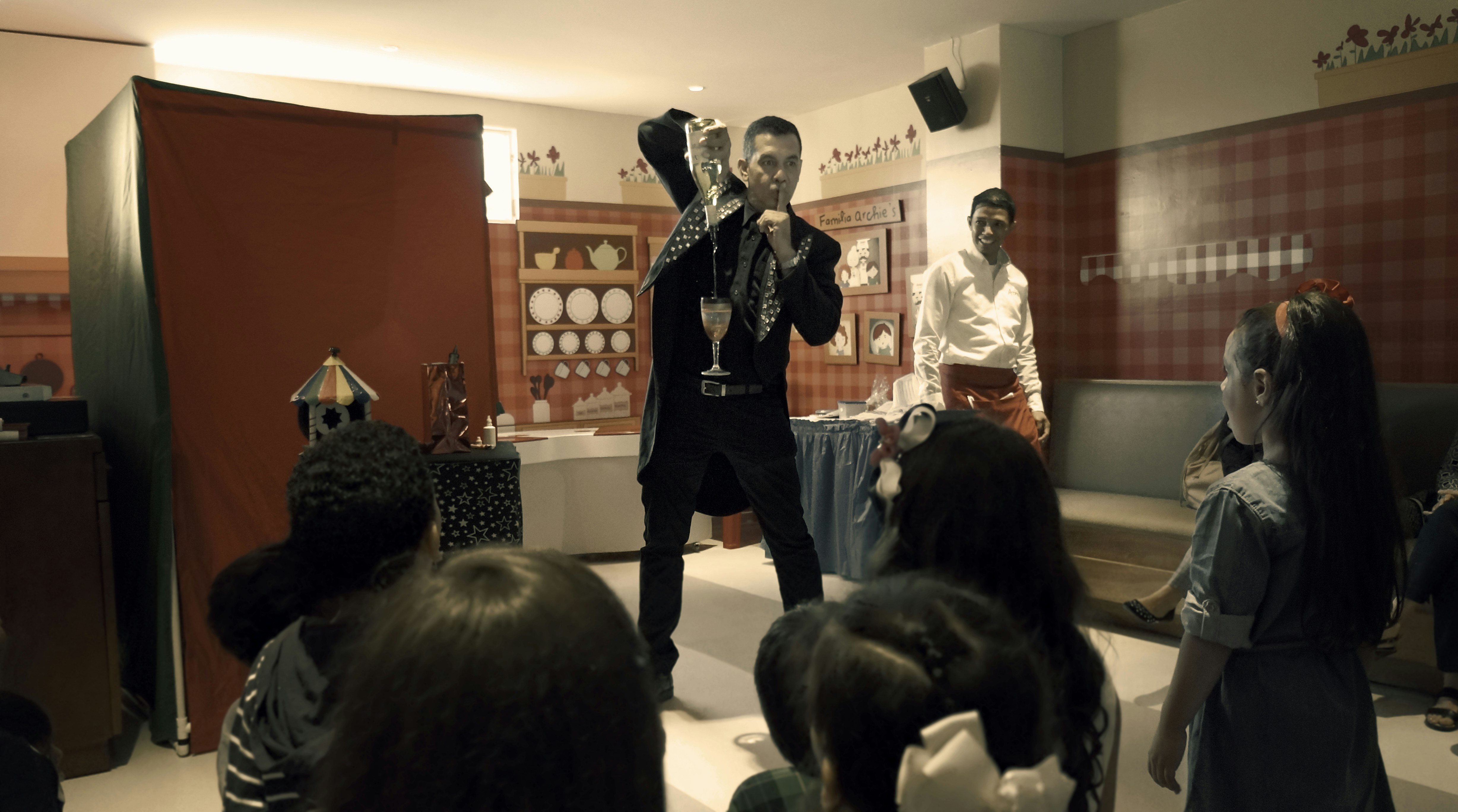
Introduction to Magic and Its Mystique
Magic, in its diverse forms, has captivated human imagination across cultures and generations. The concept of magic can be broadly categorized into two primary types: illusionary magic and the traditional perception of magic found in folklore and cultural narratives. Illusionary magic, often showcased in performance art, relies on skill, sleight of hand, and psychological manipulation to create an entertaining spectacle. This form of magic is characterized by trickery and deception, leading audiences to believe in the impossible. Magicians craft elaborate tricks, drawing on techniques that date back centuries, captivating their viewers with seemingly supernatural feats.
Conversely, the perception of magic in folklore often encompasses a deeper connection to spirituality, mythology, and the natural world. For numerous cultures, magic represents an element of the unknown, often linked to deities, supernatural beings, or ancient practices. These stories and traditions illustrate the power of magic, not merely as a form of entertainment but as a vital aspect of cultural identity and interaction with the mystical forces of the universe. From ancient rituals that invoke the aid of spirits to contemporary interpretations of witchcraft, magic functions as a medium through which humans seek understanding and control over their environments.
The intrigue surrounding magic stems from its dual nature; it exists both as a captivating performance art and a profound cultural phenomenon that shapes societal beliefs and practices. Throughout history, many have turned to magic to explain the unexplainable—be it through community rituals, storytelling, or performances that transcend reality. Delving into the various interpretations and historical significance of magic allows us to appreciate its role in shaping human thought, creativity, and the pursuit of knowledge. Understanding magic means acknowledging its sovereignty across time and its ability to ignite curiosity and wonder in all who encounter it.
Symptoms of Magical Affliction
Individuals who experience the phenomenon of magic can exhibit a range of symptoms that span both physical and psychological realms. One of the most prominent symptoms is the feeling of enchantment, which often manifests as a profound sense of wonder or awe when encountering magical elements. This sensation can be exhilarating, drawing individuals into a realm that feels vibrantly alive.
However, alongside such feelings of enchantment, there may also be a negative symptomatology associated with magical affliction. Alienation from reality is another symptom that can emerge, where individuals find themselves feeling detached from their surroundings or the people in their lives. This disconnect can lead to difficulties in interpersonal relationships and create a barrier to engaging with mundane experiences, causing a chasm between the enchanted and the ordinary world.
In addition to these emotional symptoms, individuals may experience hallucinations, which can vary in intensity and nature. These hallucinations can include vivid visual or auditory experiences that aren’t rooted in reality, often leading individuals to question their perceptions. Such experiences can be disorienting and may invoke a sense of fear or concern, particularly if the hallucinations are frequent or disturbing.
Furthermore, emotional turbulence is a noteworthy symptom of magical affliction. This tumultuous landscape may encompass swings between euphoric highs and profound lows, resulting in feelings of anxiety, sadness, or anger. It is crucial to recognize that these symptoms may not only be fleeting but can also be debilitating over time.
Recognizing and understanding these symptoms is essential for anyone who might be grappling with the effects of magic. By addressing both the psychological and physical manifestations of magical experiences, individuals can better navigate their journey through the complexities of their enchantments.
The Psychological Impact of Experiencing Magic
The phenomenon of experiencing magic can evoke a complex tapestry of psychological responses. For many, the belief in or interaction with magical events can generate feelings of euphoria and wonder, providing a temporary escape from the mundane aspects of life. This emotional high, often described as a rush of excitement, can foster a sense of connection to something greater than oneself. However, it is essential to consider the dual nature of these experiences, as they can also lead to a range of more challenging emotional states.
Anxiety is a common reaction to magical experiences. The unpredictability of magic can unsettle individuals, leading them to question reality or feel overwhelmed by the unknown elements they encounter. Such feelings may cause individuals to experience existential crises, as they grapple with concepts surrounding control, belief, and the nature of reality itself. This internal conflict can challenge an individual’s worldview, often resulting in fear or disillusionment when faced with the contrast between magical experiences and daily life.
Moreover, the impact of magic extends beyond the individual, influencing interpersonal relationships. Sharing a belief in magic can strengthen bonds and cultivate a sense of community. However, it can also create rifts when individuals have differing perceptions of magical experiences. Disagreements regarding the validity or interpretation of magic may lead to tension and conflict among friends and family members. Understanding the psychological dimension of experiencing magic is vital for fostering healthy relationships, as it encourages open communication about emotional responses and beliefs.
In essence, while the allure of magic offers moments of joy and connectedness, it also presents psychological challenges that warrant careful consideration and discussion.
Cultural Interpretations of Magic Symptoms
Throughout history, the concept of magic has generated a multitude of interpretations across diverse cultures. These interpretations often manifest in the understanding of symptoms attributed to magical influences. For instance, in many African cultures, symptoms associated with magic are frequently viewed through the lens of ancestral spirits and the natural world. Beliefs in witchcraft or malevolent forces can lead to physical ailments that are perceived as indicators of magical interference. This perspective informs community responses, which may include rituals and ceremonies aimed at healing or protection.
In contrast, in some Western cultures, symptoms associated with magic tend to be dismissed as superstitions or psychological phenomena. The intricate myths surrounding magic often serve to explain unexplainable experiences, leading individuals to seek medical explanations for their conditions rather than attributing them to magical causes. These differing viewpoints illustrate the clash between traditional beliefs and modern medical understandings, affecting how individuals react to symptoms they may associate with magic.
Furthermore, in Eastern cultures, such as those influenced by Hinduism or Buddhism, symptoms of magic may be perceived as karmic consequences. Spiritual ailments that lead to physical symptoms might be viewed as a result of past actions in this life or previous ones. Consequently, the healing processes can include both medical treatments and spiritual practices, emphasizing a holistic approach that intertwines physical and metaphysical dimensions.
Overall, the cultural interpretations of magic symptoms highlight the complexity of human belief systems. They reflect how societies utilize myths, legends, and cultural practices to address the mysteries associated with magical phenomena. This variance in understanding underscores the necessity for a comprehensive approach to studying magic, one that acknowledges and respects the rich tapestry of insights offered by different cultures across the globe.
Methods of Curing Magical Affliction
The treatment of magical afflictions is a complex domain that intertwines traditional and modern practices, reflecting a rich tapestry of cultural beliefs and therapeutic techniques. Historically, various societies have developed rituals and spells aimed at alleviating the symptoms linked with perceived magical maladies. These practices often include purification rites, the use of talismans, and invoking deities or mystical beings to assist in restoration and healing.
One of the most frequently employed methods involves the execution of cleansing rituals. These rituals may vary significantly across cultures; for instance, in some traditions, bathings in sacred waters or the burning of specific herbs are believed to expel negative energies or harmful spirits. The significance of these rituals lies not only in the acts themselves but also in the psychological comfort they provide to the afflicted individuals, promoting a sense of control and hope.
In addition to traditional methods, modern approaches emphasize the importance of mental well-being in addressing magical afflictions. Therapeutic practices such as mindfulness meditation, cognitive behavioral therapy (CBT), and holistic healing methods are gaining recognition for their efficacy. These contemporary methods advocate for a balanced state of mind, encouraging individuals to explore underlying issues that may manifest as magical symptoms. Such techniques aim to provide a framework within which patients can understand their experiences and seek empowerment.
It is crucial to note that the effectiveness of any remedy hinges on the belief system of the individual undergoing treatment. Whether through ancient rituals or modern therapeutic interventions, the methods employed often reflect a blend of cultural wisdom and personal conviction. By fostering a supportive environment that respects both traditional beliefs and modern psychological understanding, a more integrated approach to curing magical afflictions can be realized, addressing both the spiritual and emotional aspects of healing.
Healing Practices Across Cultures
Throughout history, diverse cultures have developed unique healing practices aimed at alleviating symptoms attributed to magical afflictions. These practices often encompass a blend of spiritual, herbal, and community-driven approaches designed to restore balance and promote well-being. Understanding these methods not only provides insight into cultural beliefs but also offers alternative perspectives on healing.
In many indigenous cultures, shamanic practices play a pivotal role in addressing magical disturbances. Shamans are considered mediators between the physical and spiritual realms, using rituals, chants, and drumming to invoke healing spirits. Their purpose is to cleanse the afflicted individuals of perceived negative energies or enchantments that may be causing distress. These traditional healing sessions often involve communal participation, reinforcing social ties and collective support.
Herbal remedies represent another significant facet of healing magic-related symptoms. Across various regions, communities have developed local pharmacopoeias filled with plants believed to possess protective or curative properties. For instance, in some cultures, herbs like sage or mugwort are burned as smudging tools to purify spaces and people, warding off negative influences. Others may consume infusions or tinctures derived from these plants, which are thought to restore spiritual and physical harmony.
Moreover, community rituals are crucial in many societies, as they create a communal space for healing and support. Ceremonies often involve songs, dances, and storytelling, fostering a collective acknowledgment of the affliction and a shared intent to heal. Such gatherings reinforce social cohesion while empowering participants by providing comfort in collective belief systems that address magical ailments.
In summary, the diverse approaches taken by different cultures in healing magical ailments highlight the interplay between spirituality, community, and natural remedies in addressing these complex experiences. By examining these practices, one gains a broader understanding of the various methods employed to cope with and cure symptoms linked to magic.
The Role of Modern Psychology in Understanding Magic
Modern psychology offers valuable insights into the understanding of magic and its associated symptoms. Psychological theories, particularly those focusing on cognition and behavior, provide frameworks that elucidate the experience of magic as a phenomenon. Cognitive-behavioral therapy (CBT), in particular, emphasizes the connection between thoughts, emotions, and behaviors. By examining how individuals perceive and interpret magical experiences, we can better understand the cognitive processes that contribute to these sensations.
Symbolism plays a key role in how individuals engage with the concept of magic. Psychological theories suggest that the symbols and narratives associated with magic contribute to how people construct their reality. For instance, an understanding of archetypes or universal symbols can illuminate why certain magical experiences resonate deeply within individuals. The symbolic representations often evoke powerful emotions which can lead to significant psychological effects. Recognizing magic’s symbolic nature may help therapists guide clients through their experiences, enabling them to contextualize their feelings of wonder or fear.
Furthermore, the power of belief is a critical factor in the realm of magic. Modern psychology has demonstrated how belief systems influence perception and behavior. When an individual believes in the efficacy of magic, this belief can lead to real psychological outcomes. Such beliefs may manifest as heightened states of anxiety or, conversely, a relief from stress. Therapeutic practices can harness the strength of belief, using it to encourage healing and personal growth. By fostering a supportive environment where clients can explore their beliefs regarding magic, psychologists can help them navigate their experiences more effectively.
Case Studies: Real-Life Accounts of Magical Experiences
Throughout history, numerous individuals have reported experiencing sensations and phenomena that they attribute to the presence of magic in their lives. Each case presents unique circumstances, feelings, and remedies that highlight the complex nature of magical experiences. This section reviews several accounts, offering insights into the symptoms reported and the solutions embraced.
One notable case involves a young woman who recounted her experiences with what she believed to be a protective spell cast by her grandmother. Following the loss of a close family member, she began to notice peculiar occurrences around her home; lights flickered mysteriously, and she felt a warm presence beside her during sleepless nights. After feeling this protective embrace, she sought solace in traditional practices such as meditation and herbal remedies. The integration of mindfulness exercises and natural healing methods provided her with a sense of stability and reassurance, eventually leading to the alleviation of her anxiety and deep sorrow.
Another case featured an artist who described how pottery seemed to come alive through her creative process. She reported symptoms of heightened inspiration accompanied by an inexhaustible energy surge while working with certain clay types. The artist discovered that through setting up an intentional, sacred space in her studio, utilizing specific rituals connected to her art, she could induce this magic more frequently. Emphasizing the intentionality behind her work became a powerful remedy to accessing what she described as “the flow”—a term synonymous with achieving a state of magical creativity and productivity.
These case studies illustrate the diverse manifestations of magic in individuals’ lives, as well as effective remedies rooted in personal empowerment and traditional practices. The experiences showcase how personal narratives surrounding magic contribute to a broader understanding of its impact and significance.
Conclusion: Embracing the Mystique of Magic While Seeking Help
Understanding the multifaceted nature of magic is essential in recognizing its impact on our lives and the experiences we encounter. Throughout this guide, we have explored the various symptoms associated with magical occurrences, emphasizing that they should not merely be dismissed as fantasy. Magic has roots in cultural narratives, psychological phenomena, and individual perception, making it a compelling area of study that intertwines with human experience.
The symptoms of magical experiences can manifest in numerous ways, such as heightened intuition, unexplained synchronicities, or feelings of connection with the universe. Acknowledging these symptoms allows individuals to validate their experiences and seek further understanding. It is crucial to approach these phenomena with both curiosity and caution, recognizing that while magic can indeed be enchanting, it may also require professional insight to navigate their complexities. Thus, those who feel affected should not hesitate to reach out for guidance or support.
As we embrace the mystique of magic, we are encouraged to explore these profound experiences while remaining grounded in reality. Seeking help from professionals who can provide clarity and assistance is crucial in integrating these experiences into our lives. This can help bridge the gap between the enchanting and the ordinary, allowing us to appreciate the rich tapestry of human existence. Through such exploration, we become more attuned to the wonders of life while ensuring we maintain our mental and emotional well-being.
In essence, magic invites us to delve deeper into our inner worlds and the connections we share with the universe, ushering a journey that straddles both awe and understanding.
Leave a Reply