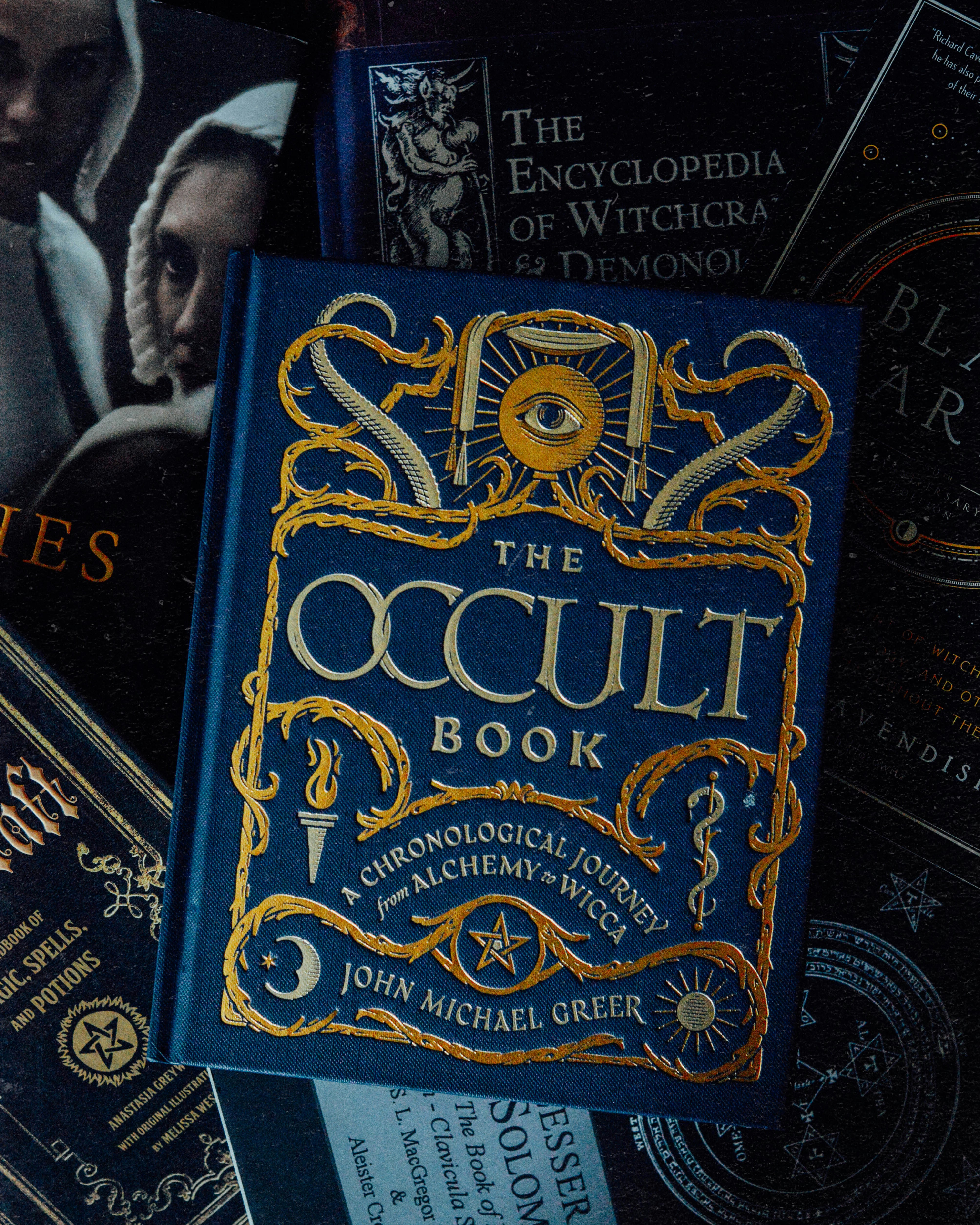
Introduction to Black Magic
Black magic, often perceived as a malevolent force, refers to the use of supernatural powers or magic for harmful purposes or to manipulate others. Throughout history, it has garnered a notorious reputation, frequently associated with fear, superstition, and the cultural anxieties of different societies. The term itself stands in contrast to “white magic,” which is generally viewed as benevolent or healing. Historically, black magic has deep roots, emerging in various forms across numerous cultures. From ancient civilizations, where rituals and incantations were thought to invoke dark powers, to medieval witch hunts driven by paranoia and misunderstanding, the significance of black magic has evolved, mirroring societal changes and concerns.
The perception of black magic can greatly vary. Some may view it through the lens of folklore and literature, representing the archetypal struggle between good and evil. Others might consider it a traditional practice tied to spirituality and healing, albeit under the shadow of its more sinister connotations. Understanding the origins and historical context of black magic is pivotal for grasping its role in contemporary culture. This awareness can elucidate why such practices devolved into taboo and the socio-political factors that influenced these perceptions.
Moreover, black magic’s connection to power dynamics, belief systems, and societal norms offers insight into how cultures confront their fears and uncertainties. By investigating its origins, one can gain a comprehensive view of not only black magic itself but also its implications for cultural narratives surrounding morality, ethics, and human experience. This exploration is essential for those looking to delve deeper into the complex tapestry of beliefs that shape our understanding of the world.
The Definition of Black Magic
Black magic can be defined as the practice of using supernatural powers for self-serving purposes. In contrast to white magic, which is often characterized by positive intentions and healing practices, black magic tends to involve malefic or harmful outcomes. While the terms ‘black’ and ‘white’ magic are widely used in modern discussions, their roots delve deeply into various cultural interpretations that evolve over centuries.
There are numerous forms of black magic, ranging from simple hexes to complex rituals invoking specific entities or spirits for malevolent purposes. Some practitioners harness it for personal gain, revenge, or even to exert control over others. Ancient societies believed in the potency of such arts, often linking them with the divine or occult forces, thereby attributing significant spiritual weight to their use. Moreover, these practices often transgress societal norms, leading to diverse ethical implications.
Different cultures interpret black magic through various lenses. In some African traditions, it may manifest as witchcraft, involving the use of herbal or spiritual means to channel powers for harm. Meanwhile, Western traditions may frame black magic within the context of demonic pacts or necromancy. In India, the concept of ‘Tantra’ can straddle both black and white spaces depending on the intent of the practitioner. This duality reinforces the need to understand the ethical ramifications of engaging in practices often deemed malevolent.
The practice of black magic raises serious ethical concerns. Engaging in such activities might infringe on the free will of others and can lead to unforeseen consequences. This ethical dilemma prompts critical reflection among practitioners and societies alike, emphasizing the importance of understanding the broader implications of black magic. Ultimately, it is essential to approach the subject of black magic with care, recognizing its potential effects on individuals and communities while navigating the complexity of cultural beliefs surrounding it.
Historical Context of Black Magic
The exploration of black magic reveals a rich and intriguing historical evolution that dates back to ancient civilizations. From early societies where magic was intertwined with spirituality, through to modern interpretations, the concept of black magic has significantly transformed over time. In its nascent stages, practitioners often employed rituals and spells believed to harness supernatural energies for both benevolent and malevolent purposes.
In ancient Egypt, for example, magic was intricately woven into daily life and religion. Here, spells were cataloged in texts such as the Book of the Dead, showcasing a blend of black magic and spiritual practices that aimed primarily at influencing the afterlife. Similarly, Mesopotamia saw the emergence of various magical traditions, where sorcery was viewed as a means to manipulate cosmic forces for personal gain, often with dire consequences for the victim.
The historical narrative further evolved during the Middle Ages, a period characterized by fears of witchcraft and demonic affiliations. Witch hunts became commonplace, as societal paranoia led to accusations of black magic against many individuals, particularly women. Figures such as Heinrich Kramer and Jacob Sprenger, who authored the infamous Malleus Maleficarum, played pivotal roles in shaping perceptions of black magic, reinforcing the stigma and fear associated with it.
With the Enlightenment and subsequent scientific advancements, the perception of black magic began to shift, promoting skepticism about its efficacy. Yet, in contemporary society, remnants of these ancient beliefs linger in various forms, often intersecting with occult practices that seek to reclaim or redefine black magic. Thus, understanding its historical context is essential to grasp how pervasive themes of power, fear, and morality have influenced societal views towards this enigmatic practice.
The Legend of the Founder
The allure of black magic has captivated the imagination of many cultures throughout history, and with it comes the various legends surrounding its enigmatic founder. Numerous theories exist regarding the identity of this pivotal figure, each rooted deeply in cultural folklore and adorned with layers of mythological significance.
One prominent legend attributes the title of the founder of black magic to the ancient sorceress known as Medea, a character derived from Greek mythology. Renowned for her formidable skills in necromancy and potion-making, Medea faced the challenges of fate and power, leaving a legacy steeped in dark arts. Her tale is often characterized by betrayal, vengeance, and an ethereal connection to the supernatural, thereby emblematic of the chaotic nature associated with black magic.
In addition to Greek mythology, numerous cultures have given rise to their unique interpretations of the founder of black magic. For instance, in various African traditions, the figure of the shaman often emerges as a custodian of the mystical arts, wielding power that intertwines with both benevolent and malevolent intentions. This duality suggests that the originator of black magic may not be a singular entity but rather a composite of various ancestral beliefs, each contributing to the overarching narrative of dark arts.
The enigmatic nature of the founder is also heavily depicted in European folklore, where tales surrounding witches and warlocks paint a picture of individuals harnessing forbidden knowledge. These narratives shape societal perceptions of black magic, seamlessly blending fear and fascination, and underscoring the complexities involved in unraveling the legend of its founder.
Influential Texts on Black Magic
Throughout history, a number of significant texts have emerged that contribute to the understanding and practices associated with black magic. These written works have shaped the perception of black magic within various cultures, often intertwining ancient beliefs with contemporary mystical practices.
One of the earliest and most notable texts is the “Key of Solomon” (Clavicula Salomonis), dating back to the 15th century. This grimoire is attributed to King Solomon and outlines various magical rituals, talismans, and the invocation of spirits. The text has had a profound influence on subsequent magical literature, bridging the gap between white and black magic practices. Practitioners have often drawn from this work to enhance their own rituals, deepening their connection to the supernatural.
Another pivotal text is the “Book of Abramelin,” written in the 15th century, which focuses on the attainment of knowledge and the interaction with the divine. This text delineates a process for invoking one’s guardian angel, but it also contains instructions on how to summon demonic entities. As such, it embodies the duality often present in discussions of magic, blurring the lines between benevolent and malevolent practices.
The “Malleus Maleficarum,” published in the 15th century, is also crucial in the context of black magic. This witch-hunting manual legitimized the persecution of alleged witches, reinforcing societal fears surrounding dark magic. Its influence extends beyond mere scholarship; it shaped public perceptions about witches and their supposed ties to black magic, leading to widespread hysteria and persecution.
In more contemporary times, texts like “The Satanic Bible” by Anton LaVey have popularized black magic among modern practitioners. This work presents a structured philosophy encompassing rites and rituals aimed at self-empowerment through dark paths, further contributing to the evolving landscape of black magic. Collectively, these influential texts have profoundly impacted both the practitioners of black magic and the societal views surrounding these practices.
Cultural Impact and Evolution
The concept of black magic has deep roots in various cultures and has significantly impacted art, literature, and modern perceptions of magic. Historically, black magic has been intertwined with witchcraft beliefs, often perceived through a lens of fear and superstition. In societies across Africa, Europe, and Asia, it was commonly associated with malevolence, causing fear and resulting in societal tensions. In the context of indigenous cultures, black magic often intersected with spiritual practices, where shamans or medicine men were believed to harness the power of nature, which could be wielded for both healing and harm.
In literature, black magic has been a recurring theme in countless narratives, serving as a central plot device that explores human desires, moral conflicts, and the battle between good and evil. Works such as Goethe’s “Faust” and Shakespeare’s “Macbeth” delve into the consequences of dabbling in dark mystical arts, reflecting the societal anxieties surrounding magic and witchcraft. Furthermore, the portrayal of black magic in modern literature and film has evolved, often reflecting contemporary values and the complexities of moral decision-making. From the dark sorcery in J.K. Rowling’s “Harry Potter” series to the morally ambiguous characters in countless horror films, black magic is portrayed as both fascinating and dangerous, captivating audiences and influencing modern thoughts on magic.
The rise of popular media, especially the internet, has reshaped perceptions of black magic, making magical practices more accessible. Online platforms provide a space where individuals can explore various magical traditions, blurring the lines between historical usage and contemporary interpretations. Consequently, the portrayal of black magic today is often more nuanced, challenging the traditional binary views of good versus evil, and allowing for a broader understanding of its cultural significance. This evolution highlights not only the adaptive nature of cultural narratives but also the ongoing fascination and skepticism surrounding magic in contemporary societies.
Modern Interpretations of Black Magic
In contemporary society, black magic is often shrouded in controversy, characterized by a dual perception that oscillates between skepticism and fascination. While traditional views primarily associate it with malevolence and misfortune, modern interpretations are more nuanced, reflecting broader cultural shifts towards spiritual exploration and personal empowerment. Whereas past narratives centered predominantly on morality—the dichotomy of good versus evil—today’s discussions often encompass themes of agency and autonomy.
Many individuals, particularly those within alternative spiritual communities, regard black magic as a tool for self-assertion rather than an inherently malevolent practice. They employ its rituals and symbols to manifest desires, inspire personal growth, and explore the interconnectedness of spiritual realms. For these practitioners, black magic transcends fear, becoming a medium through which individuals can wield influence over their environments and circumstances. This recontextualization of black magic positions it as a form of empowerment, albeit one that often invites suspicion from the mainstream populace.
However, the stigma surrounding black magic persists, fueled by media portrayals and historical associations with witchcraft and the occult. Many individuals remain hesitant to engage with its practices due to concerns about ethical implications and societal judgment. This wariness further complicates the discourse around black magic, leading to polarized opinions among practitioners and skeptics alike. Debates surrounding its efficacy also contribute to the conversation, with some viewing black magic as a legitimate means of achieving results, while others dismiss it as mere superstition.
In summary, modern interpretations of black magic illustrate a complex interplay of belief systems, ethics, and the ongoing human quest for understanding the unseen forces that shape our lives. As societal ambivalence continues to shape the narrative, it remains essential to engage with these diverse perspectives to foster a more rounded comprehension of what black magic represents in the modern world.
The Legacy of the Founder
The legacy of the founder of black magic remains a profound and complex aspect of magical discourse, resonating through various cultures and practices. The impact of their ideologies extends far beyond the early days of black magic, influencing contemporary interpretations and rituals in significant ways. The founder’s seminal teachings and methodologies have been adapted and reshaped by numerous practitioners, each contributing to an evolving tapestry of magical tradition that still garners attention today.
One of the key elements of their legacy is the philosophical framework they established around the practice of black magic. Emphasizing the dichotomy between light and dark, the founder posited that the manipulation of unseen forces was not merely a matter of ethics but a profound exploration of human nature. This exploration continues to resonate, as modern practitioners often grapple with the moral implications of their work. The founder’s teachings have paved the way for an acceptance of complex narratives surrounding power, ethics, and intention within the realm of sorcery.
Moreover, the founder’s influence is evident in the practices of various esoteric and pagan traditions that engage with black magic today. Their principles have been embraced by contemporary witches and occultists, who draw upon the original texts and rituals. This incorporation has facilitated a dialogue between past and present, allowing for a reinterpretation of black magic that reflects current societal values and beliefs.
As discourse around magic and sorcery continues to evolve, the founder’s legacy prompts reevaluation of the meanings and implications of black magic in a modern context. Their influence can be observed in the ongoing fascination with dark arts, where both scholarly critiques and popular culture reflect a blend of reverence and caution. Ultimately, the founder’s contributions to magical thought and practice persist as an enduring force, shaping the trajectory of black magic for generations to come.
Conclusion: The Ongoing Mystery of Black Magic
The exploration of black magic and its enigmatic founder has revealed a complex tapestry woven with historical, cultural, and psychological threads. Black magic, often perceived through a lens of fear and superstition, invites a deeper understanding of human behavior and societal norms. As we parse through ancient texts and contemporary interpretations, it becomes apparent that black magic represents not just a practice, but a reflection of humanity’s intrigue with the supernatural and the unknown.
The figure behind black magic has transitioned from a mystical entity to a representation of the fears and aspirations unique to various cultures. This evolution demonstrates how narratives around magic serve to encapsulate collective anxieties, moral lessons, and sometimes, social control. In the examination of these narratives, it becomes crucial to ask ourselves what we believe about magic in our own lives and how these beliefs shape our worldviews.
Additionally, the cultural implications of black magic cannot be overstated. Different societies interpret its practice through various historical lenses, and this diversity encourages us to think critically about how magic is woven into the societal fabric. While some may dismiss the significance of black magic outright, others may find intrinsic meaning that intertwines with their personal or cultural identity.
As we conclude this exploration, it is essential to recognize that the mystery of black magic is not confined solely to its founding narrative. Instead, it invites an ongoing discussion about magic’s role in contemporary society. Readers are encouraged to reflect on their perceptions of magic and consider the broader cultural narratives that shape those views. What questions remain about the intersection of magic and culture? How do our interpretations of black magic influence our understanding of morality, power, and the supernatural?
Leave a Reply