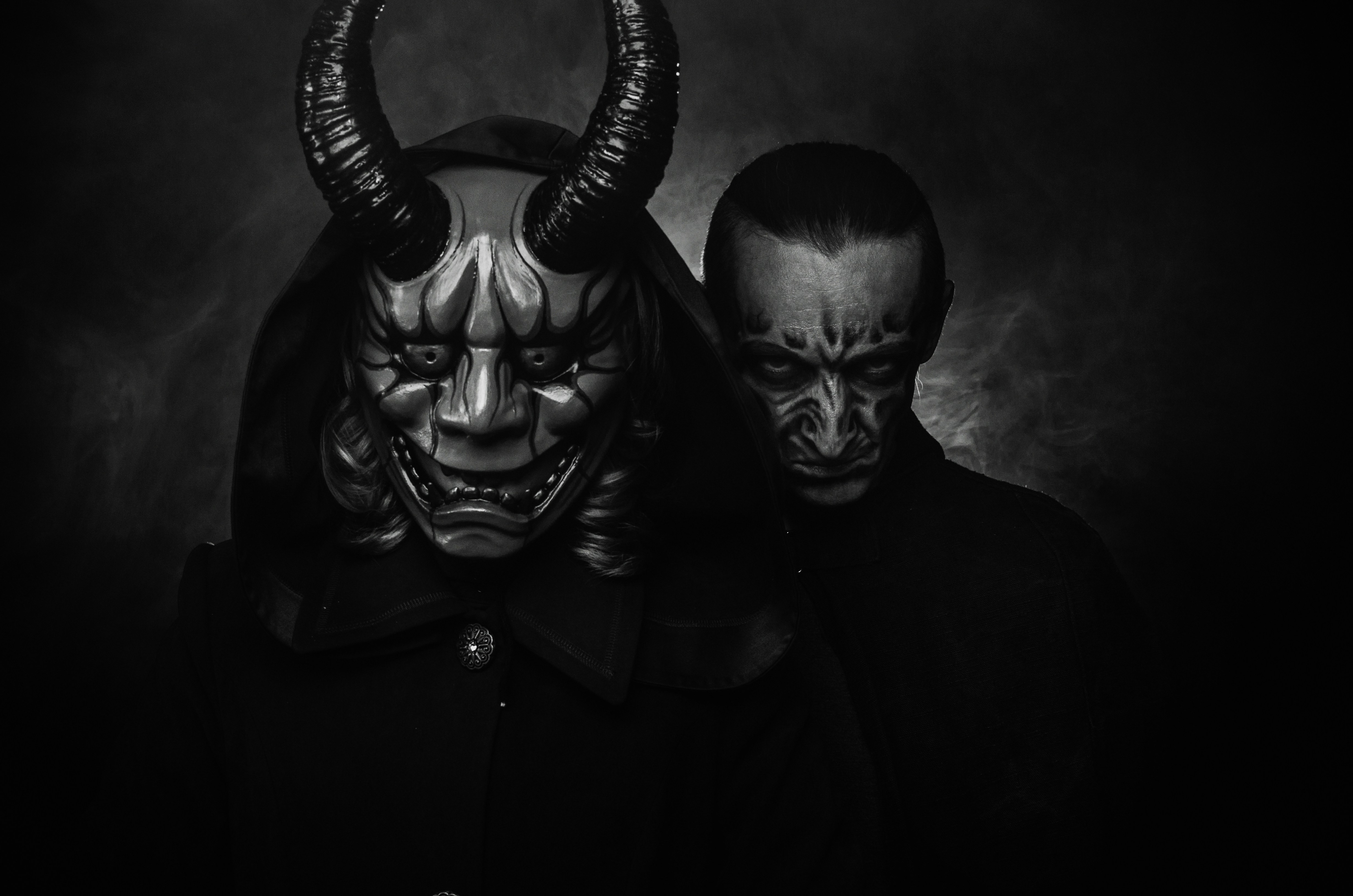
Introduction to Jinn and Demons
The concepts of jinn and demons have permeated various cultures and religions throughout history, particularly within Islamic tradition and folklore. Originating from pre-Islamic Arabian beliefs, jinn are considered supernatural beings created by Allah from smokeless fire, as referenced in the Quran. These entities possess free will, much like humans, which allows them to choose between good and evil. This aspect sets jinn apart from the demonic figures found in other belief systems, who are often characterized as malevolent and purely evil.
In contrast, demons are typically depicted within the Judeo-Christian context as fallen angels or malevolent spirits that actively seek to create chaos and lead souls astray. Their roles vary widely, with some cultures viewing them as tempters while others consider them as embodiments of human fears and vices. The portrayal of demons often emphasizes their sinister qualities, marking them as adversaries to spiritual well-being.
The belief in jinn and demons crosses cultural barriers, with both entities being acknowledged in various forms across many religions and societies. For instance, within Hinduism, similar concepts exist with figures like “asuras” and supernatural beings known as “rakshasas,” reflecting the universal theme of good versus evil spirits. These parallels encourage a deeper exploration of how societies interpret the unseen forces that influence human lives.
Understanding the significance of jinn and demons is essential not only for grasping religious beliefs but also for appreciating the rich tapestry of cultural narratives that shape human spirituality. As we delve deeper into their nature and implications, the enduring fascination with these entities will become evident, highlighting their role in the spiritual landscape of humanity.
Historical Perspectives on Jinn and Demons
The belief in jinn and demons has ancient roots that can be traced back to various civilizations, each contributing to the development and understanding of these supernatural beings. Among the earliest records, Sumerian texts highlight a rich mythology filled with entities that possess characteristics akin to what we now recognize as jinn. The Sumerians referred to these beings as ‘edimmu,’ which were thought to inhabit the shadows and manipulate human affairs.
In Babylonian culture, the concept of demons further evolved. The ‘lilit’ and the ‘shedim’ were often depicted as malevolent spirits that preyed upon individuals, embodying chaos and misfortune. These ancient depictions set a foundation for how later civilizations, including the Islamic world, perceived demons and their interactions with mortals. The ancient Babylonians left behind numerous clay tablets and inscriptions detailing rituals aimed at appeasing these spirits, showcasing their significance in daily life.
Arabic lore, deeply intertwined with Islamic teachings, offers a substantial amount of information on jinn, specifically. The Quran itself acknowledges the existence of jinn, describing them as sentient beings created from smokeless fire, capable of impacting the human realm. Arabic texts dating as far back as the 7th century build upon earlier beliefs, emphasizing the dual nature of jinn as both benevolent and malevolent forces. This duality illustrates a nuanced understanding of their roles, whether as protectors or tormentors.
Archaeological findings, including ancient inscriptions and artistic depictions, support these historical narratives. Artifacts demonstrate that societies across the Middle East held rituals and beliefs surrounding the control and communication with jinn and demons, suggesting their vital role in ancient spirituality. Overall, the evolution of beliefs surrounding jinn and demons illustrates not only the cultural significance of these entities but also the diverse ways in which civilizations have sought to understand and engage with the unseen.
Religious Texts and Teachings
Within the paradigm of many religious traditions, particularly Islam, jinn and demons are significant entities that are extensively addressed in their scriptures. The Quran, which serves as the holy book of Islam, provides numerous references to jinn. Surah 51:56 explicitly states that jinn were created for the purpose of worshipping Allah. This verse encapsulates a core belief that jinn are conscious beings endowed with free will, paralleling humans in their capacity for belief and rebellion.
Furthermore, the Quran distinguishes between benevolent and malevolent jinn. In Surah 114, for instance, believers are instructed to seek refuge in Allah from the “evil of the whisperer who withdraws,” which many scholars interpret as a reference to the harmful jinn and their potential influence on human behavior. This portrayal significantly shapes the way adherents engage with their spiritual environment, influencing rituals, prayers, and daily practices to ward off malevolent forces.
Additionally, the Hadith literature, which comprises the sayings and actions of the Prophet Muhammad, further elaborates on the characteristics and functions of jinn. These texts reveal that jinn can possess individuals, influence thoughts, and even interact with humans directly. Scholars have various interpretations regarding these narrations, with some emphasizing the allegorical meanings while others uphold a more literal understanding. The implications of these beliefs permeate the cultural practices in many Muslim communities, as individuals often undertake protective rites based on these teachings.
It is crucial to acknowledge that the perceptions of jinn and demons extend beyond Islam. Various religious traditions contain their interpretations of malevolent entities, each influencing adherents’ rituals and beliefs. In Islam, the understanding of jinn serves not only as a theological concept but also as a reflection of the spiritual struggles faced by individuals in daily life.
Modern Accounts and Anecdotal Evidence
The exploration of the existence of jinn and demons is not confined to ancient texts or religious doctrine; it has permeated modern life, manifesting through a variety of personal accounts and anecdotal evidence. Numerous individuals have reported experiences that they attribute to interactions with these supernatural entities. Such accounts often reveal profound personal impacts, ranging from feelings of fear and anxiety to more transformative experiences.
Many people recount chilling stories where they believe they have encountered jinn or demons, often during times of distress or emotional turmoil. For instance, in urban settings, individuals have reported haunting experiences in which they perceive a presence or hear voices that they attribute to these beings. Interestingly, these experiences often reflect broader psychological and sociocultural themes.
From a psychological perspective, experiences with jinn or demons can be analyzed through the lens of cognitive dissonance, fantasy proneness, and even sleep paralysis. It has been suggested that stress or trauma can sometimes trigger visions or hallucinations that people interpret as supernatural encounters. Consequently, while these phenomena are presented as personal experiences, they are also deeply influenced by the social context and cultural beliefs of the individual.
Moreover, in today’s increasingly secular worldview, many skeptics dismiss such accounts as mere folklore or psychological episodes. However, for those who believe, these encounters serve as compelling evidence of a spiritual realm coexisting alongside our own. Anecdotes often describe detailed interactions, including conversations or actions attributed to jinn, leading to a rich tapestry of narratives and interpretations over time.
Overall, the modern accounts of encounters with jinn and demons foster a fascinating dialogue that intertwines belief, cultural identity, and psychological phenomena. These stories not only highlight the persistent belief in such entities but also pose important questions regarding the nature of reality and perception.
Scientific Explanations and Investigations
The enigmatic existence of jinn and demons has intrigued humanity for centuries, leading to numerous scientific inquiries aimed at demystifying these experiences. Researchers from various disciplines, including psychology, anthropology, and neuroscience, have sought to interpret occurrences often attributed to the supernatural through a more empirical lens. This section delves into the main scientific approaches adopted to understand these phenomena.
One prominent theory is mass hysteria, where a group of individuals experiences similar symptoms or beliefs, often triggered by stress or societal pressures. In communities affected by collective anxiety, reports of jinn encounters or demonic possessions can proliferate, illustrating how psychological states manifest collectively. Notable cases have shown how heightened fears and shared beliefs can lead to social behaviors that resemble mediums of supernatural occurrences.
Another area of exploration involves sleep paralysis, a phenomenon where individuals awaken while being unable to move, often accompanied by hallucinations that may be interpreted as malicious entities. This experience can evoke intense fear, and the sensation of an unseen presence pressing down on the chest is frequently reported. Such findings have prompted researchers to investigate the neurological and psychological underpinnings of sleep paralysis, offering insight into how this condition can masquerade as supernatural experiences.
Environmental factors are also scrutinized in this discourse. Certain locations, particularly those with low-frequency sounds or electromagnetic fields, have been linked to feelings of unease or paranoia. Studies have indicated that these elements can elicit feelings of being watched or accompanied, further contributing to the belief in jinn and demons. Through controlled experiments, scientists aim to disentangle these environmental influences from the subjective experiences reported by individuals.
Ultimately, the continuous exploration within the framework of modern science aims to attribute the experiences traditionally understood as jinn and demons to psychological, neurological, and environmental parameters, illuminating the underlying reality behind these age-old beliefs.
Cultural Representations in Media
The portrayal of jinn and demons in modern media—spanning literature, film, and television—has significantly influenced public understanding and beliefs regarding these enigmatic entities. In literature, for example, works like “The Arabian Nights” have historically framed jinn as both benevolent and malevolent beings, showcasing their complexity and range of motives. These narratives present jinn not just as supernatural beings but as reflections of human emotions and conflicts, thereby embedding them deeply into cultural lore.
In cinema, films such as “The Exorcist” or “Paranormal Activity” depict demons in a predominantly negative light, reinforcing fear and caution. Such representations resonate with audiences, shaping their perceptions and interpretations of real-world phenomena associated with evil or malevolent forces. Moreover, the aesthetic portrayal of these entities often distorts traditional narratives, reducing complex cultural symbols to mere tropes for entertainment. This simplification can lead to misconceptions about the nature and significance of jinn, contributing to a superficial understanding of their cultural roots.
Television shows like “Supernatural” and various horror-themed series further exemplify how these supernatural figures are woven into popular culture. By framing jinn and demons within modern storylines, these programs create a dialogue between traditional beliefs and contemporary experiences. Viewers are often left questioning the boundaries of reality, as well as their own beliefs about the unseen. Consequently, media representations play a pivotal role in shaping cultural attitudes, often oscillating between reverence and ridicule regarding jinn and demons, thus reflecting the dichotomy of fear and fascination that surrounds these figures.
Ultimately, the way jinn and demons are presented in media is a powerful tool for influencing societal beliefs, highlighting the importance of critically engaging with these cultural representations to better understand their implications in shaping public consciousness.
The Line Between Belief and Skepticism
The discourse surrounding the existence of jinn and demons frequently oscillates between fervent belief and stringent skepticism. Proponents of the supernatural argue that experiences, whether anecdotal or deeply personal, provide a compelling case for the existence of these entities. Many cultures endorse the belief in jinn and demons as integral components of their folklore and traditions, arguing that historical texts and religious scriptures articulate these beings’ roles in human life. Such narratives often serve to validate personal encounters, igniting a belief that transcends empirical evidence.
Conversely, skeptics call for a more scientific lens through which to view these phenomena. They argue that a reliance on anecdotal evidence is insufficient for establishing the existence of jinn and demons. Psychological frameworks suggest that the human tendency to interpret ambiguous experiences as supernatural could be attributed to cognitive biases, such as pareidolia—the perception of familiar patterns, including human faces in inanimate objects or phenomena. Moreover, skeptics posit that societal and environmental factors may influence belief systems, often attributing such beliefs to fear of the unknown or cultural conditioning.
This divide between believers and skeptics invites an intriguing dialogue about human cognition and social behavior. The psychological aspect often leads individuals toward the supernatural to make sense of experiences that defy rational explanation. This quest for understanding may stem from basic human needs—namely, the fear of death and the need for emotional comfort—prompting an engagement with mystical explanations instead of empirical reasoning. The debate, therefore, encompasses not just the existence of jinn and demons, but also reflects broader truths about human psychology and societal frameworks.
Psychological and Cultural Implications
The belief in jinn and demons is deeply rooted in various cultures, serving multiple functions in the lives of individuals and communities. These otherworldly entities often provide explanations for the inexplicable events and phenomena encountered in everyday life. For instance, when faced with misfortunes or unexplained issues, people may attribute these occurrences to the influence of jinn or demons, helping to contextualize their experiences within a framework of understanding.
Furthermore, belief in such entities can be a means of coping with fear and anxiety. Individuals may find solace in the thought that there are recognizable forces, even malevolent ones, influencing their circumstances. This can alleviate feelings of helplessness by attributing certain hardships to external supernatural factors instead of personal failings. Therefore, jinn and demons can serve as psychological constructs that allow individuals to rationalize their fears and anxieties.
Social Cohesion and Community Rituals
Beyond individual implications, the belief in jinn and demons plays a significant role in fostering social cohesion within communities. Various rituals and practices centered around these beliefs often serve to reinforce cultural identity and solidarity among community members. Collective rituals, such as protective prayers or communal gatherings to ward off malevolent forces, can enhance social bonds and create a sense of belonging.
Moreover, these beliefs can lead to the establishment of social norms regarding behavior and morality. By attributing consequences to actions based on the approval or disapproval of jinn, individuals may feel compelled to adhere to community and cultural standards. Thus, the beliefs surrounding jinn and demons contribute not only to individual psychological health but also to the cohesion and stability of social structures in which these beliefs are prevalent. Ultimately, the implications of believing in jinn and demons extend far beyond mere superstition, framing essential aspects of cultural identity and social interaction.
Conclusion and Future Perspectives
In summation, the presence of jinn and demons has been a subject of intrigue and debate across various cultures and religions. Throughout this blog post, we have explored the historical, cultural, and perhaps even psychological underpinnings of beliefs surrounding these supernatural entities. Numerous anecdotes, scriptures, and scholarly interpretations offer evidence that underscores the significant role that jinn and demons play in the folklore of many societies. Such beliefs evoke curiosity and reverence, suggesting a connection between the seen and unseen worlds.
As modernity continues to reshape society, the perceptions and belief systems surrounding jinn and demons may be subjected to evolution. The rapid technological advancements and the global interconnectedness facilitated by the internet might challenge traditional narratives and promote skepticism about these supernatural beings. However, it is also possible that as cultures become more globalized, they may find new ways to preserve and reinterpret their rich heritage of beliefs, creating a unique blend of old and new understandings.
Furthermore, the ongoing interest in spirituality and the metaphysical realms could fuel a resurgence in belief in jinn and demons. As people search for meaning in an increasingly complex world, ancient texts and cultural experiences related to these entities might gain renewed relevance. This suggests that the conversation surrounding jinn and demons is far from over; rather, it is poised for transformation in ways we have yet to fully comprehend. As societies continue to grapple with the implications of technological progress and cultural shifts, the beliefs in these entities may continue to evolve, providing a fascinating intersection between the ancient and the modern.
Leave a Reply