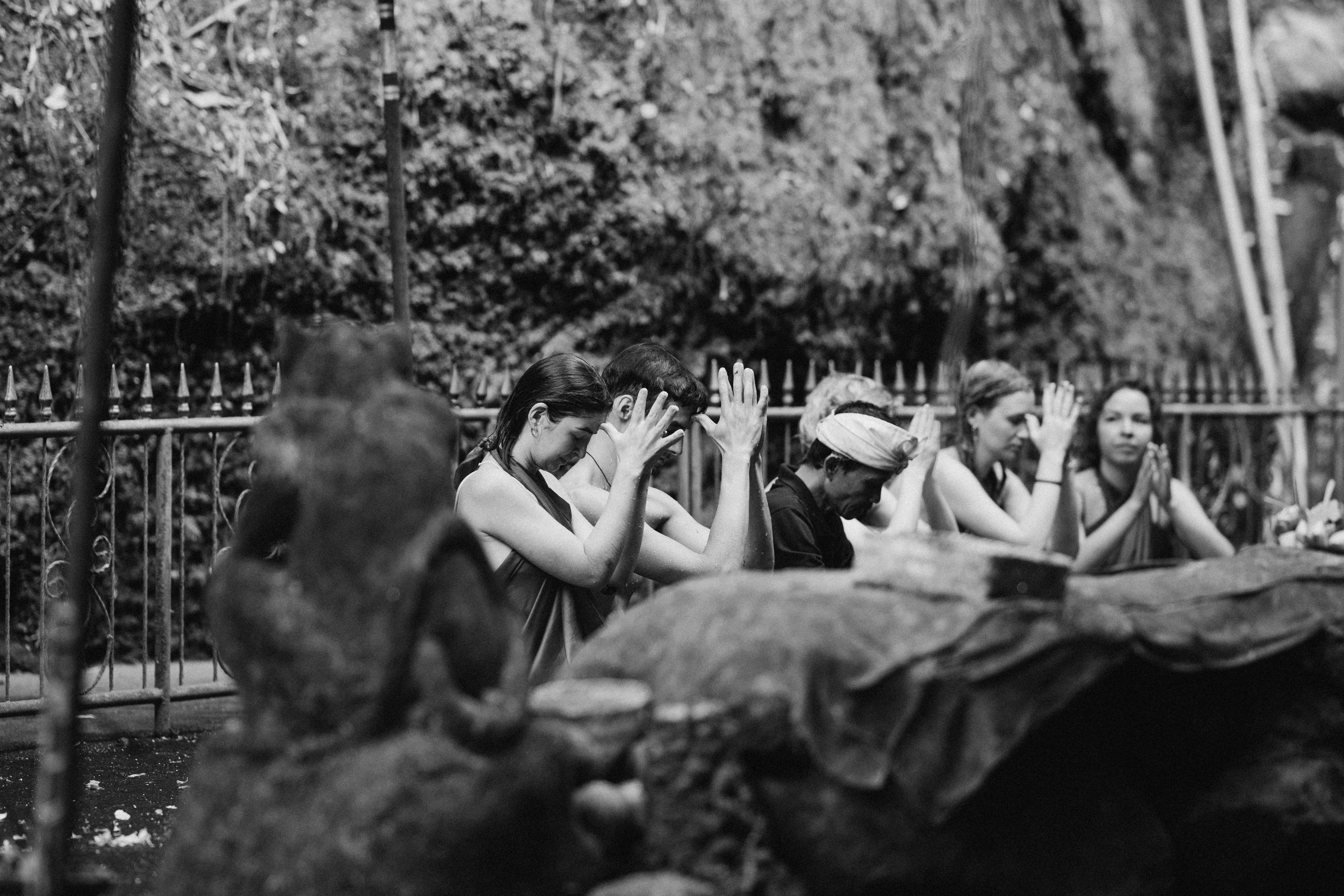
Introduction to Spiritual Cures
Spiritual cures encompass a wide range of practices and beliefs that aim to promote healing of the mind, body, and spirit. These approaches draw on various cultural, religious, and spiritual traditions, offering individuals pathways to restore balance and well-being. The concept of spiritual cures acknowledges the interconnectedness of the physical and spiritual realms, positing that true health cannot be achieved by addressing physical ailments alone.
Across different cultures, spiritual cures manifest in diverse forms such as prayer, meditation, energy healing, and rituals. For example, in many Indigenous cultures, healing ceremonies involve connecting with nature and the community to invoke spiritual assistance. In contrast, Eastern philosophies, such as Buddhism and Taoism, emphasize practices like mindfulness and breath control to foster inner calm and clarity. These practices serve not only as a method of healing but also as a way to cultivate self-awareness and personal growth.
The significance of spiritual cures extends beyond individual healing; they often play a crucial role in the collective well-being of communities. Engaging in shared practices can strengthen social bonds, providing support and understanding among individuals facing similar challenges. Psychological research has increasingly recognized the therapeutic potential of spirituality in enhancing mental health, reducing anxiety, and improving overall life satisfaction. The incorporation of spiritual practices into traditional forms of therapy is gaining traction, highlighting the need for a holistic approach to health.
Ultimately, the exploration of spiritual cures reveals their potential to foster resilience and promote healing. As individuals learn to integrate these practices into their lives, they may find themselves on a transformative journey toward inner peace, health, and harmony.
Spiritual healing has a rich and diverse history, deeply rooted in cultural practices across civilizations. Dating back to ancient times, societies recognized the connection between the mind, body, and spirit. For instance, in ancient Egypt, healing involved the use of prayer and incantations, coupled with herbal remedies. This was not merely a physical treatment; it aimed to restore balance in the individual’s spirit and relationship with the divine.
Similarly, Indigenous cultures around the world have long held spiritual healing practices as integral to their communities. In Native American traditions, shamans or healers employ rituals, song, and dance to facilitate healing, believing that spiritual ailments manifest as physical issues. The emphasis here remains on community and the connection with nature, highlighting the holistic approach that defines many spiritual healing traditions.
In Eastern cultures, practices such as Traditional Chinese Medicine (TCM) and Ayurveda from India integrate spiritual healing principles with physical health. TCM, for instance, focuses on balancing the body’s energy, or Qi, through acupuncture and herbal remedies, while Ayurveda emphasizes the importance of spiritual and physical harmony through diet, lifestyle, and meditation.
As we move into the modern era, spiritual healing continues to evolve, adapting to contemporary needs and scientific understandings. In recent years, there has been a resurgence of interest in holistic health practices, with many people seeking alternatives to conventional medicine. This shift towards mindfulness, meditation, and energy healing reflects a growing recognition of the interconnection between spiritual well-being and physical health.
Today, spiritual healing practices are often integrated into various therapeutic approaches, representing a synthesis of ancient wisdom and modern psychology. Whether through meditation, spiritual counseling, or energy healing modalities, the relevance of these practices is continually being reassessed in the context of overall health and wellness.
Types of Spiritual Cures
Spiritual cures encompass a wide array of practices designed to foster healing and well-being on a profound level. Various methods exist, each with unique techniques, purposes, and benefits. Below, we categorize some of the most prominent spiritual cures:
Meditation is one of the most widely recognized spiritual practices. It involves focusing the mind to achieve a state of calm and clarity. Various forms of meditation—including mindfulness, transcendental, and guided meditations—are used to promote relaxation, self-awareness, and inner peace. Practitioners often report reduced stress levels and enhanced emotional stability as key benefits of regular meditation.
Prayer is another prevalent form of spiritual cure. It serves as a means of communication with a higher power or the universe, often expressing feelings of gratitude, hope, or requests for assistance. Different traditions approach prayer in varying ways; for some, it is a structured ritual, while for others, it is an informal conversation. The act of prayer is believed to provide comfort, foster a sense of community, and cultivate inner strength.
Energy healing refers to therapeutic modalities that involve the manipulation of the body’s energy fields. Practices such as Reiki, acupuncture, and chakra balancing aim to restore balance and promote healing. The principles behind energy healing assert that imbalances or blockages in the body’s energy can lead to physical, emotional, or spiritual ailments. Practitioners believe that by facilitating energy flow, individuals can experience improved health and vitality.
Herbal remedies have been utilized throughout history to promote physical and spiritual wellness. Many cultures incorporate specific herbs believed to possess healing properties, therefore supporting emotional balance and overall health. Herbal medicine often complements other spiritual practices, enhancing the holistic approach to well-being.
These spiritual cures each offer distinctive advantages to individuals seeking deeper connection and healing, promoting well-being on multiple levels.
The Science Behind Spiritual Cures
In recent years, there has been a growing interest in the intersection of spirituality and science, particularly with regards to how spiritual cures impact mental health and overall well-being. Researchers have begun to examine the effects of spiritual practices on individuals, leading to a burgeoning body of evidence that supports the efficacy of these methods.
Numerous studies suggest that spiritual practices, such as meditation, prayer, and mindfulness, can lead to significant psychological benefits. For instance, a meta-analysis published in the Journal of Health Psychology found that engagement in spiritual activities is associated with lower levels of anxiety and depression. Participants who regularly practiced mindfulness meditation reported enhanced emotional regulation, which facilitates a deeper connection to oneself and fosters inner peace.
Additionally, research conducted by the National Institute of Mental Health indicates that individuals who integrate spiritual beliefs into their coping mechanisms tend to exhibit increased resilience during stressful life events. These findings suggest that spiritual cures may provide a protective factor against the adverse effects of stress and anxiety.
Neuroscientific studies have also shown that engaging in spiritual practices can induce changes in brain activity. For instance, functional MRI scans reveal heightened activity in the prefrontal cortex during meditation, a region associated with emotional control and self-awareness. This suggests that spiritual practices may catalyze biological changes that promote mental clarity and emotional stability.
Moreover, some healthcare professionals have begun to advocate for the inclusion of spiritual care in holistic treatment plans. By acknowledging the role of spirituality in healing, practitioners can enhance patients’ overall well-being, facilitating a more integrative approach to health. The emerging consensus within both research and clinical settings is that spiritual cures are valid pathways to achieving mental health and wellness, thus warranting further exploration.
Personal Testimonies: Transformative Stories
Throughout history, individuals have sought various forms of healing, often turning to spiritual practices to address not only physical ailments but also emotional and mental challenges. Accounts of transformation through spirituality illustrate the profound impact it can have on one’s well-being. These testimonies provide insight into the personal journeys of those who have embraced spiritual cures, showcasing their diverse experiences and outcomes.
One such account comes from Sarah, who struggled with chronic anxiety for years. After exploring different therapeutic modalities, she discovered meditation and mindfulness as spiritual tools for healing. Through consistent practice, Sarah reported a shift in her mental state, gaining an improved sense of serenity and an ability to manage her anxiety effectively. Her experience highlights the potential of spiritual practices to foster inner peace and personal growth.
Similarly, James, a former skeptic of spiritual cures, shared his journey of overcoming depression. After attending a spiritual retreat that focused on holistic healing, he felt compelled to engage with practices such as journaling and energy healing. The retreat facilitated his connection to a supportive community and allowed him to confront unresolved emotional issues. James attributed his transformation to the combination of spiritual guidance and the rediscovery of self-love.
Another individual, Maria, experienced significant physical healing through her spiritual awakening. After years of battling debilitating health issues, she found solace in spiritual counseling and the practice of gratitude. By focusing on the positive aspects of her life and seeking strength through spirituality, she noticed a remarkable improvement in her physical health. Maria’s story underscores the holistic nature of healing, wherein spiritual and physical well-being are interconnected.
These testimonies exemplify the varied ways spiritual cures can enhance one’s life. They reinforce the belief that healing is not solely a physical process but also encompasses a deeper journey of the spirit. Through personal accounts like these, it becomes evident that embracing spirituality can lead to transformative healing experiences that resonate on multiple levels.
Integrating Spiritual Cures into Everyday Life
Incorporating spiritual cures into daily life requires a deliberate approach that aligns with an individual’s personal beliefs and practices. Here are several practical tips that can be easily adapted by anyone seeking to nurture their spiritual well-being.
Firstly, establishing a daily ritual can profoundly enhance one’s spiritual experience. This could be as simple as dedicating a specific time each day for meditation or reflection. Creating a serene environment, perhaps in a quiet corner of your home, can enhance this experience. Use soft lighting or candles, play calming music, or incorporate scents such as incense to enrich the ambiance. Such rituals make spiritual practices a regular part of life and foster a connection to one’s inner self.
Another practical method to incorporate spiritual cures involves the practice of gratitude. Taking a moment each day to reflect on what you are grateful for can shift your perspective and create a more positive outlook on life. Keeping a gratitude journal or sharing your thoughts with a partner or friend can enhance this spiritual cure, reinforcing a sense of community and support.
Engaging with nature is also an excellent way to embrace spiritual cures. Spending time outdoors, whether through walking, gardening, or simply sitting in a park, can foster a profound sense of connection and peace. Nature has unique healing properties that can aid in grounding oneself and enhancing spiritual awareness.
Lastly, consider joining a community group or class that focuses on spiritual growth, such as yoga sessions or meditation workshops. These spaces offer opportunities to learn new practices, share experiences, and gain support from like-minded individuals, all vital components of the spiritual journey.
Challenges and Misconceptions about Spiritual Cures
Spiritual cures, often characterized by meditative practices, energy healing, or holistic approaches, frequently come under scrutiny due to a myriad of misconceptions. One prevalent challenge is the skepticism surrounding their efficacy. Many individuals approach the concept of spiritual healing with doubt, often requiring empirical evidence to validate such practices. This skepticism can stem from a scientific mindset that prioritizes tangible results and perceives spiritual methods as unquantifiable or mystical, thus leading to an automatic dismissal of their potential benefits.
Another common misconception involves the stigma associated with those who pursue spiritual cures. Society frequently labels individuals seeking alternative therapies as ‘fringe’ or ‘irrational’. This perception can discourage people from exploring these options, stifling their journeys toward self-discovery and healing. Furthermore, the portrayal of spiritual practices in popular culture sometimes leans towards sensationalism, creating exaggerated narratives that can distort the public’s understanding of spiritual healing.
Moreover, it is essential to recognize the diversity within spiritual practices. Different cultures possess distinct traditions and rituals, each offering unique pathways to healing. Yet, this variety can lead to confusion and misinformation about what constitutes an effective spiritual cure. As a result, it is crucial for individuals to approach these practices with an open mind, empowering themselves to explore what resonates on a personal level.
To foster a more inclusive discourse on spiritual cures, individuals are encouraged to engage with practitioners and explore reputable sources of information. This can aid in dismantling prevailing stereotypes and misconceptions, allowing for a clearer understanding of how spiritual methods can complement conventional medical practices. Embracing spiritual healing as a potent avenue for inner healing requires courage, openness, and a willingness to examine one’s beliefs.
The Role of Community in Spiritual Healing
Community plays a crucial role in the realm of spiritual healing, providing a support system that can enhance one’s personal growth and exploration of spiritual cures. Engaging with like-minded individuals creates an environment that fosters openness and shared experiences, which are essential elements in the journey of inner healing. Through group activities such as meditation sessions, prayer gatherings, or holistic workshops, participants can collectively explore various spiritual practices, allowing for a deeper understanding of themselves and their personal beliefs.
These communal endeavors are not just about gathering; they serve as a platform for shared learning and emotional support. When individuals come together, they create a strong sense of belonging, which is vital for those seeking spiritual cures. This sense of community can alleviate feelings of isolation that sometimes accompany personal struggles, enhancing an individual’s journey toward spiritual well-being. Moreover, the diverse perspectives and insights that come from a group setting can spark inspiration and pave the way for profound personal insights.
In addition to group activities, workshops play a significant role in the spiritual healing process. These gatherings often introduce participants to various techniques and modalities, ranging from mindfulness practices to energy healing, all of which can contribute to a more comprehensive understanding of spiritual health. By participating in workshops led by experienced facilitators, individuals can discover new avenues for healing that they may not have explored on their own.
Ultimately, the role of community in spiritual healing cannot be overstated. It encourages individuals to embark on their spiritual journeys with confidence, knowing they are supported and understood by others. This collective journey not only enhances one’s healing experience but also solidifies the belief that we are all interconnected in the pursuit of inner peace and spiritual growth.
Conclusion: Embracing a Holistic Approach to Healing
Throughout this exploration of spiritual cures, we have discussed the profound connections between mind, body, and spirit in the healing process. As we navigate the complexities of health and wellness, it becomes increasingly clear that a holistic approach can offer significant benefits. Traditional healthcare methods, while essential, often lack the depth of understanding that spiritual practices can provide. This is not to say that one should replace conventional medicine with spiritual alternatives, but rather that they can coexist to enhance overall well-being.
Integrating spiritual cures into our healthcare routines invites a diverse range of healing modalities, such as meditation, mindfulness, and energy healing, which can significantly complement medical treatments. These spiritual practices not only promote relaxation and emotional stability but can also foster resilience, ultimately aiding in the physical recovery process. It is crucial to approach healing from a comprehensive perspective, acknowledging that the spiritual dimension is just as vital as the physical.
Moreover, this holistic view encourages individuals to take an active role in their healing journeys. By embracing spiritual cures, individuals may find empowerment and a deeper understanding of their own health. Incorporating practices that resonate with one’s beliefs and lifestyle can promote self-discovery and personal growth, significantly contributing to mental and emotional health.
In conclusion, as we seek paths to inner healing, it is beneficial to view spiritual cures as a valuable complement to traditional healthcare. By harmonizing these approaches, we pave the way for a more balanced, enriched life, supporting not just recovery, but a profound sense of wellness that encompasses the entirety of the human experience.
Leave a Reply